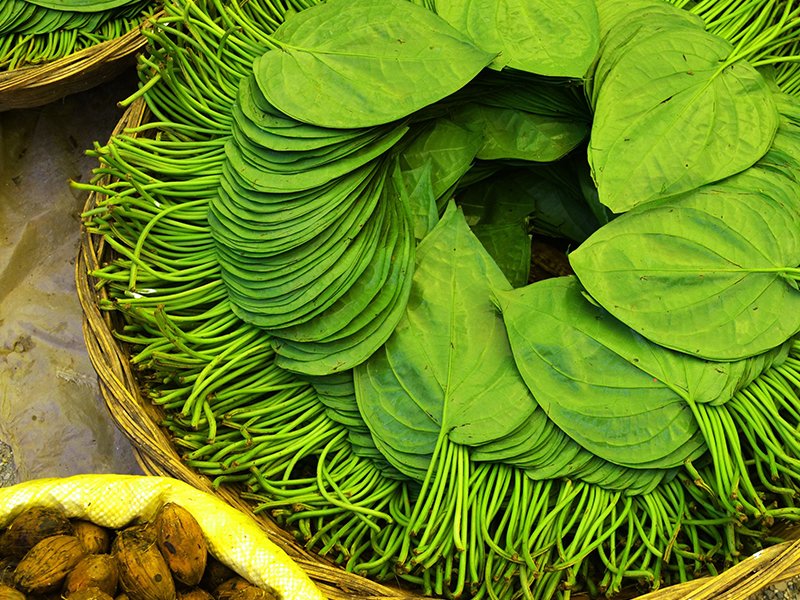

Mango Orchard Harvesting
The great summer fruit season of Rajshahi and Chapainawabganj
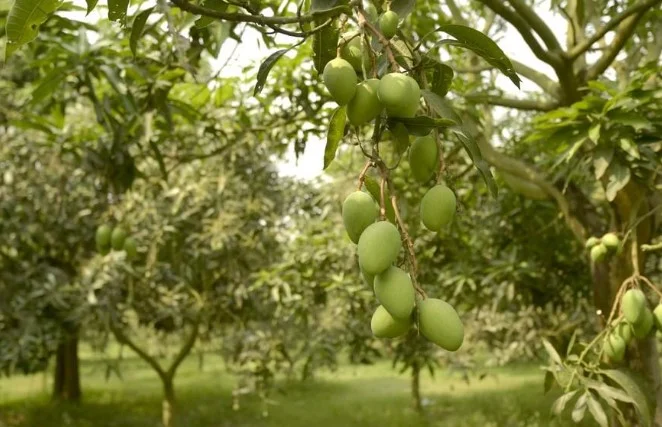
Season of Mangoes. Taste Northern Bangladesh at Its Sweetest.
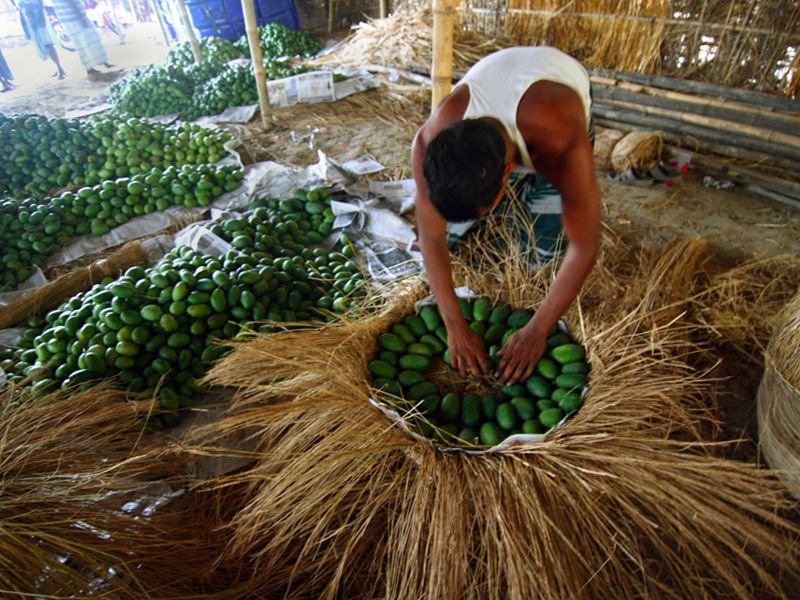
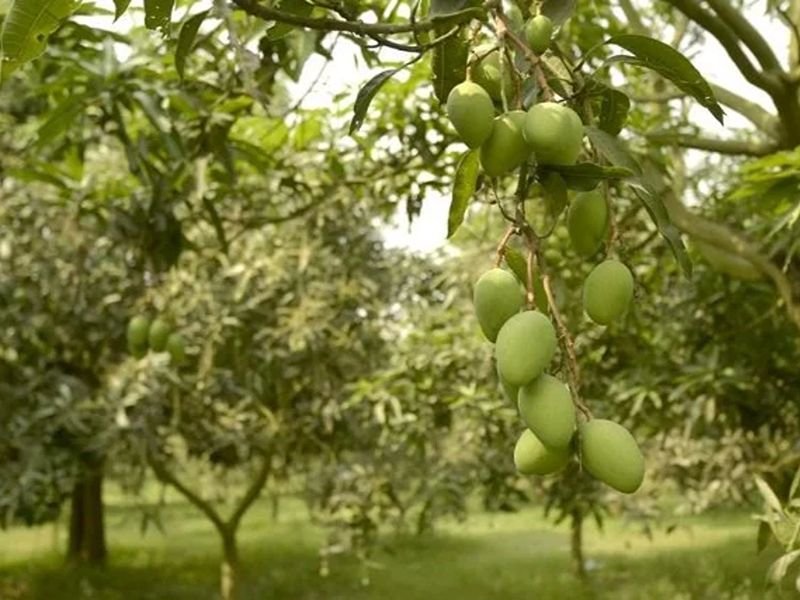
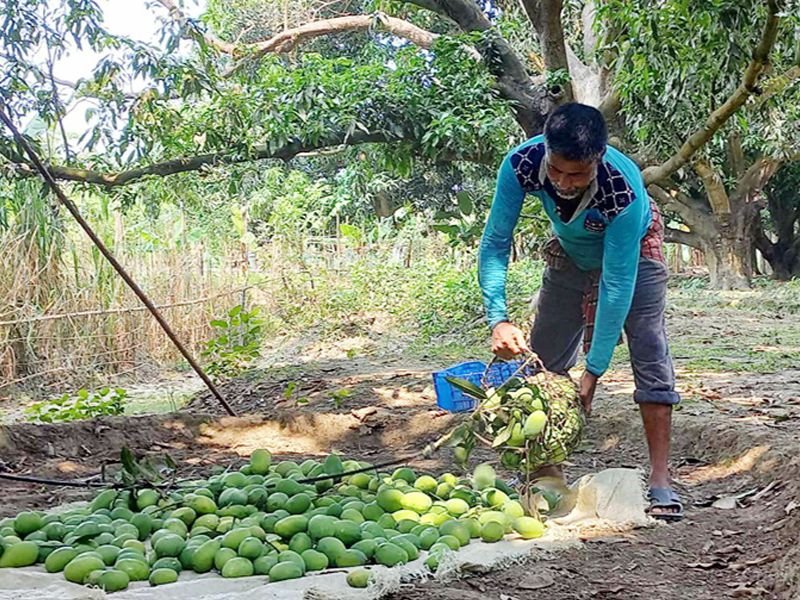
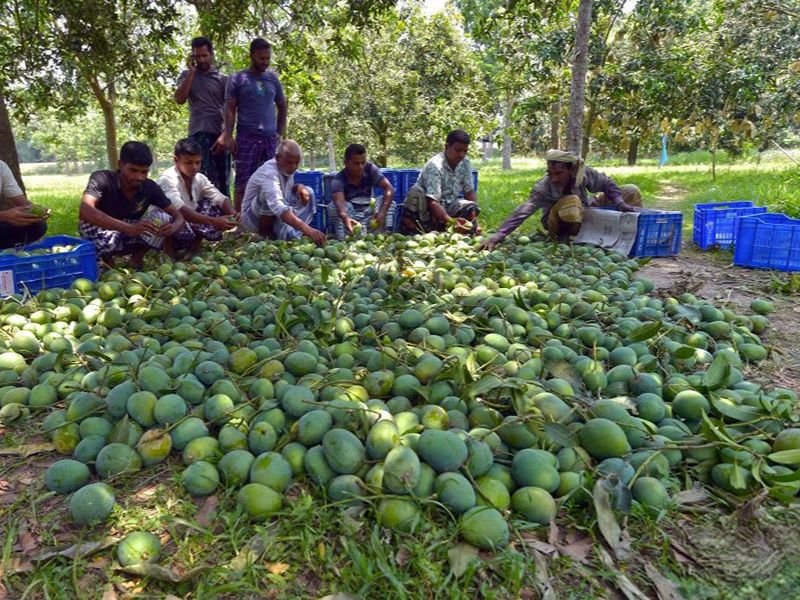
Summer transforms northern Bangladesh into a vast center of mango harvesting and trade. Across Rajshahi, Chapainawabganj, Naogaon, Natore, and neighboring districts, orchards fill with fruit while seasonal markets bring together growers, harvesters, wholesalers, transport workers, and buyers.
Chapainawabganj remains closely associated with Bangladesh's mango identity, while Rajshahi is also one of the country's best-known mango-growing areas. Naogaon and other districts have expanded production considerably, creating a wider northern mango belt rather than a story centered on only one district.
The season begins gradually in May and continues through the summer, with different cultivars reaching maturity at different times. District authorities publish mango harvesting calendars to discourage premature harvesting and help growers bring mature fruit to market.
For Rajshahi in 2026, the official schedule allowed Gopalbhog harvesting from May 22, Himsagar or Khirsapat from May 30, Langra from June 10, and Amrapali and Fazli from June 15. Later cultivars continued into July.
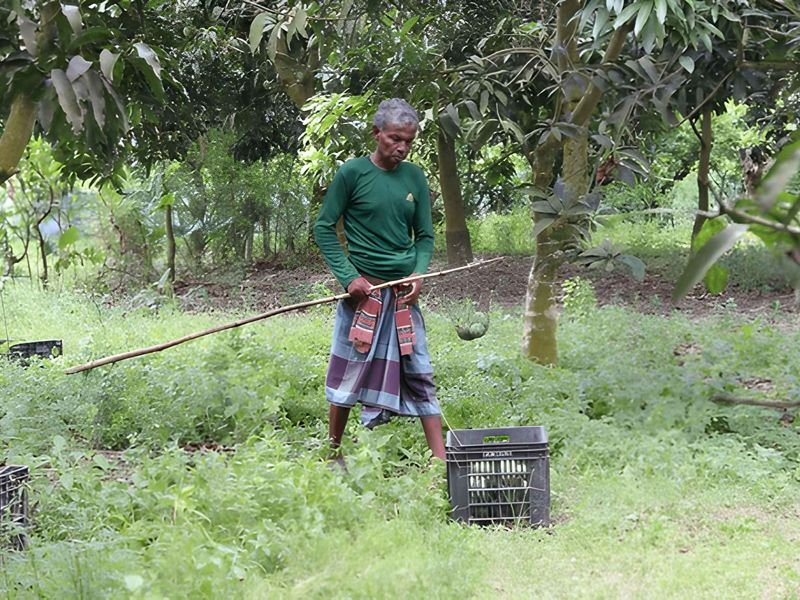
Skilled workers harvest fruit with long bamboo tools. The Daily Star documents traditional implements known as jhopa, tushi, and jalta. Harvesters fit the poles with hooks, cutters, or nets so they can reach mangoes high in the canopy and collect them with greater control.
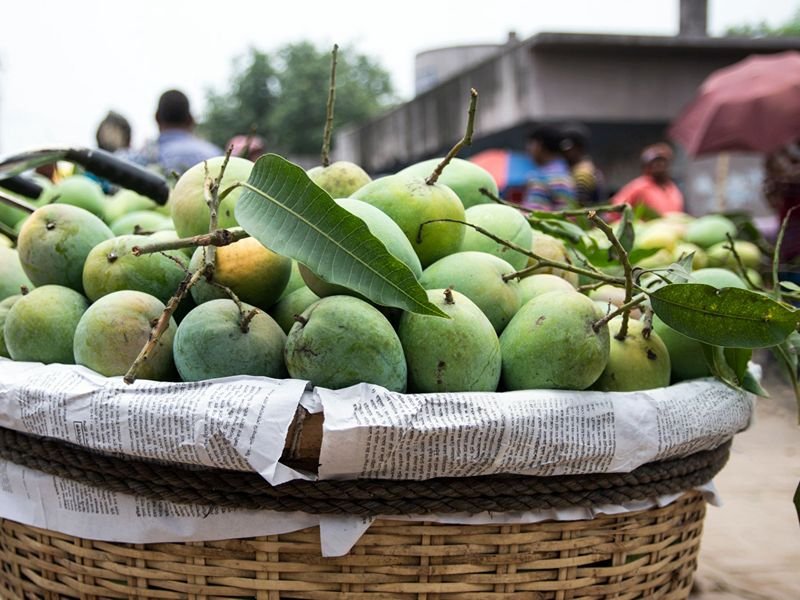
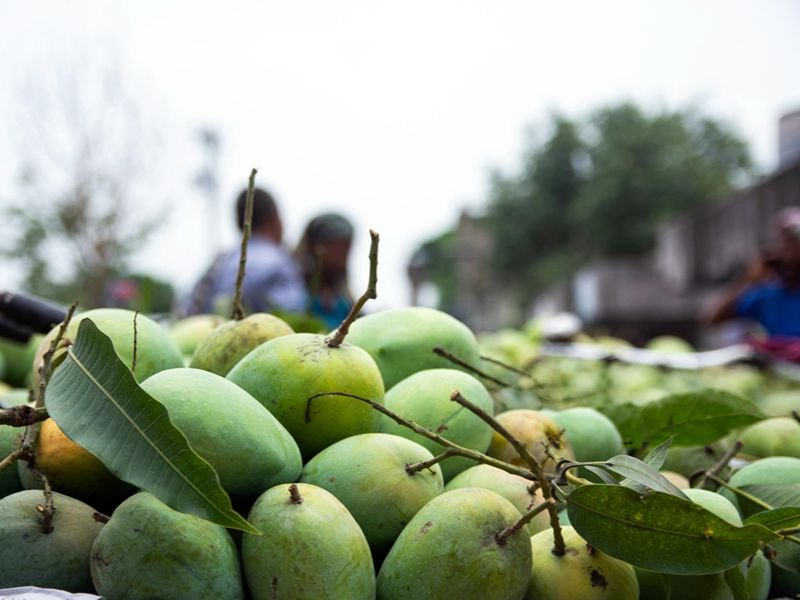
Different cultivars define different stages of the season. Gopalbhog arrives early and is known for its smooth texture and sweetness. Khirsapat, also widely called Himsagar, follows as one of the most prized varieties. Langra, Amrapali, Fazli, Ashwina, Gourmati, and other mangoes extend the season.
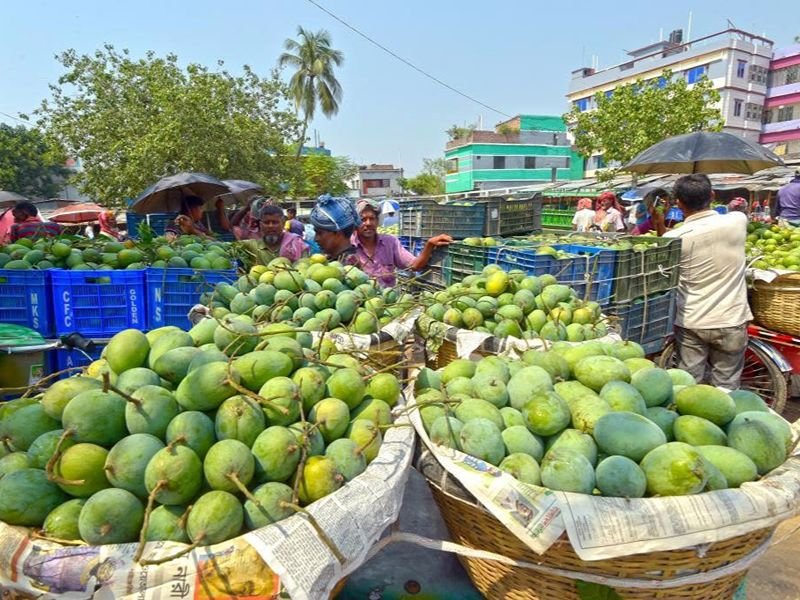
The orchard harvest connects directly with large wholesale markets. Kansat in Chapainawabganj is widely recognized as Bangladesh's largest mango market. Media reports sometimes describe it as one of Asia's largest or the second-largest in Asia, but no transparent Asia-wide ranking supports that claim strongly enough for this brochure. It is safer, and no less impressive, to describe Kansat as the country's largest mango-trading center.
Bangladesh produced approximately 2.67 million metric tons of mangoes in FY2024-25, according to Department of Agricultural Extension data reported by BSS. Domestic buyers consume the overwhelming majority, while exports remain small relative to total production.
Immersive Experience
No 360° Videos available
Destination Gallery
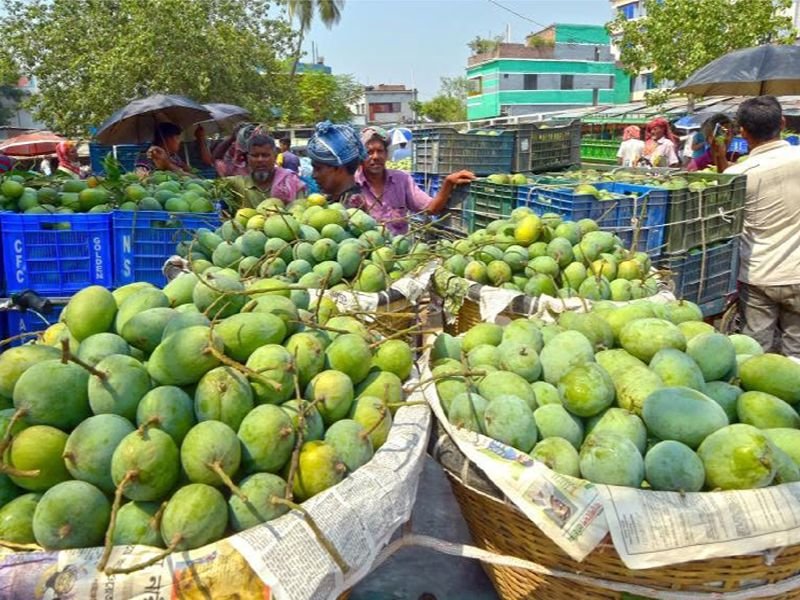
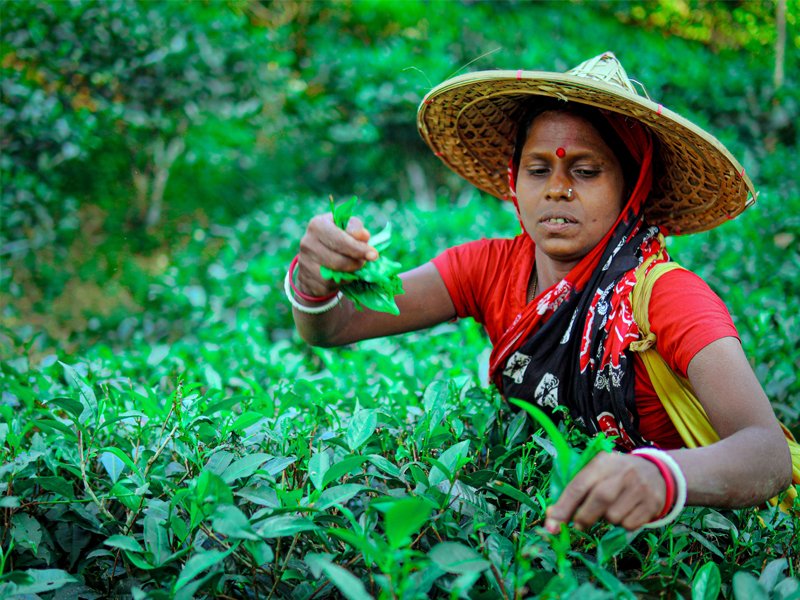
Tea Plucking and Estate Life
Rolling green estates and the living tea culture of Sreemangal
Explore More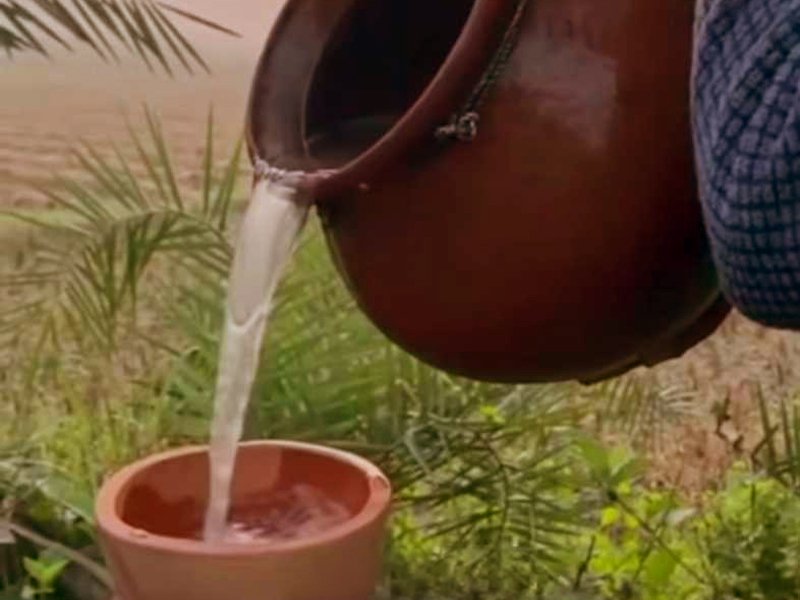
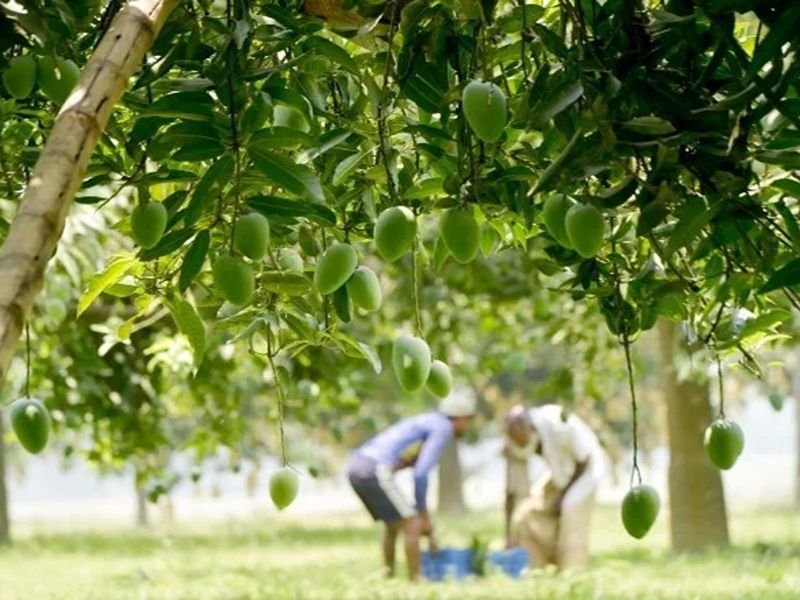
Winter Date Palm Juice Extraction
The cold-season craft behind Bangladesh's date palm jaggery
Explore More