

UNESCO Recognized Rickshaw Art
Vibrant urban folk art carried through the streets of Dhaka

High-Color Heritage. The Moving Galleries of Dhaka
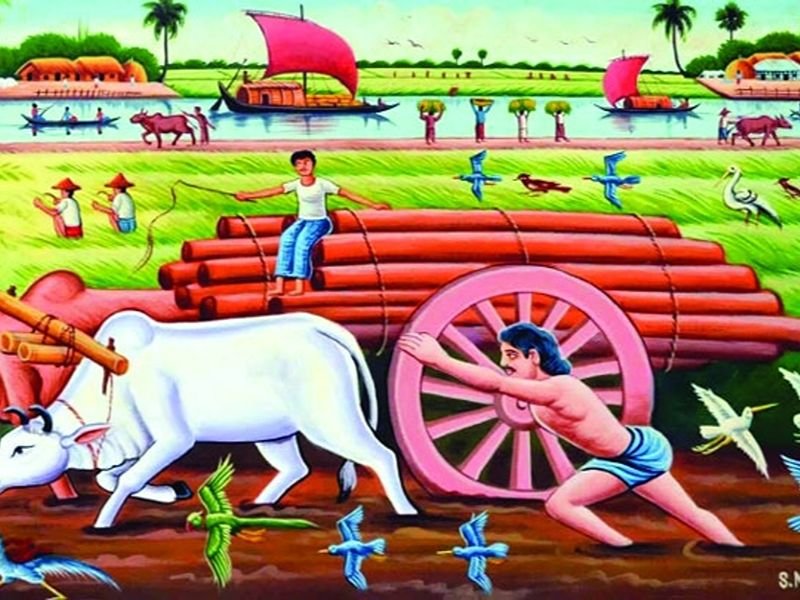
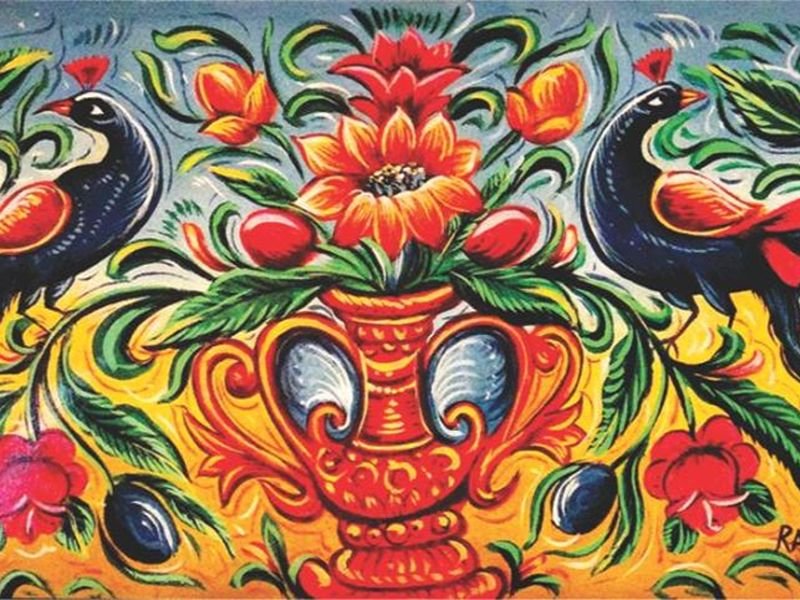
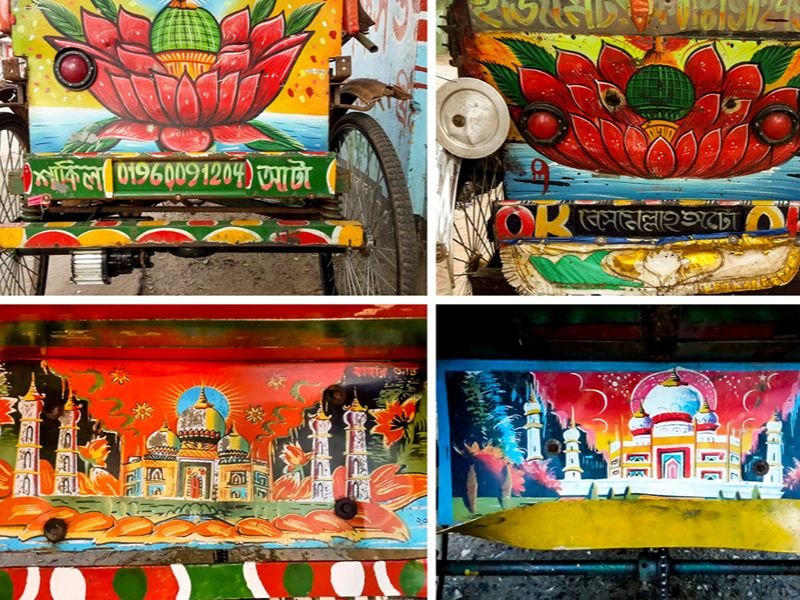
Rickshaw art turns an everyday vehicle into one of Bangladesh's most recognizable forms of urban folk expression. Painters and craftspeople decorate cycle rickshaws with flowers, birds, animals, film imagery, rural landscapes, architecture, historical scenes, imaginative figures, lettering, appliqué, reflective materials, and other ornament.
UNESCO inscribed “Rickshaws and rickshaw painting in Dhaka” on the Representative List of the Intangible Cultural Heritage of Humanity in 2023. UNESCO describes the tradition as a dynamic part of Dhaka's urban cultural identity and recognizes both the vehicles and the knowledge involved in making and decorating them.
The decorative tradition developed gradually. Historical reporting places painted rickshaw production in Bangladesh's workshops by the 1950s, while elaborate popular imagery expanded strongly from the 1970s onward. Cinema stars, flowers, birds, animals, patriotic scenes, and fantastic creatures became recurring themes, but artists continually adjusted their subjects to changing tastes.
Rickshaw painting does not follow one rigid method. Some artists work freehand, while workshops pass skills through observation, practice, apprenticeship, and family connections. Painters often specialize in the rear metal panel, but decoration can extend across the hood, body, mudguards, seat, and structural elements.
The craft now faces significant pressure. Digitally printed designs, changing transport technology, motorized rickshaws, declining demand for hand-painted panels, and difficult working conditions have reduced opportunities for many traditional painters. UNESCO recognition increased public attention, but it did not remove these economic challenges.
At the same time, rickshaw artists have adapted their visual language to new surfaces. Contemporary craftspeople and designers now place rickshaw-art motifs on trays, boxes, furniture, clothing, household objects, and standalone painted panels. This shift has created new audiences for a style that developed on the street.
Immersive Experience
No 360° Videos available
Destination Gallery


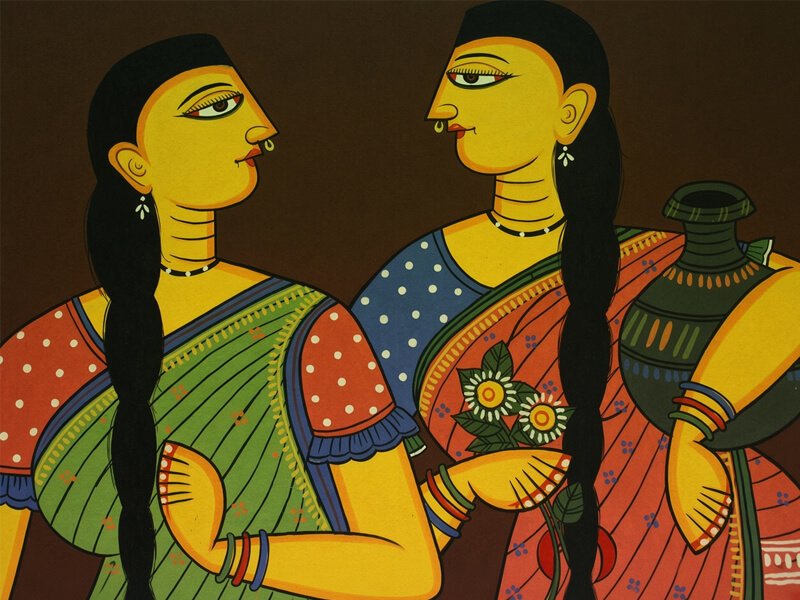
Traditional Patachitra Folk Paintings
Scroll paintings that bring stories to life through image and song
Explore More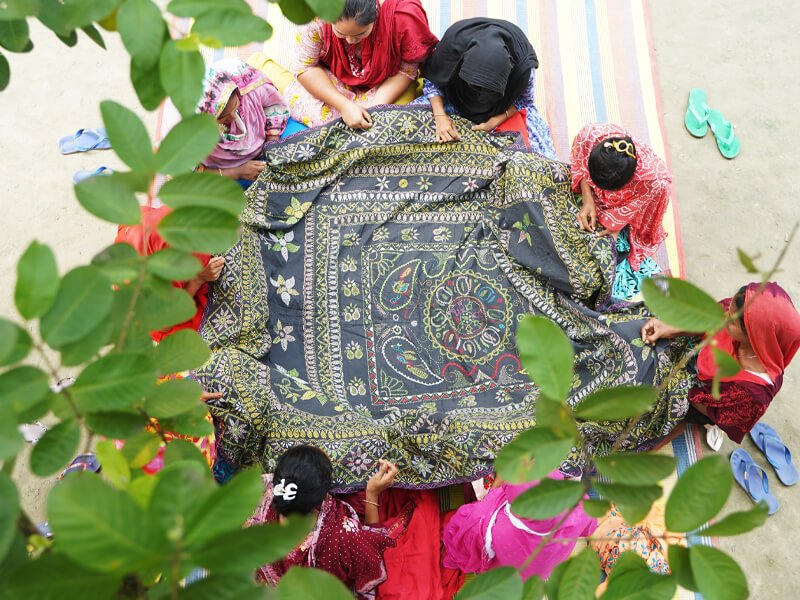
Nakshi Kantha as Visual Storytelling
Embroidered textiles shaped by memory, utility, and rural imagination
Explore More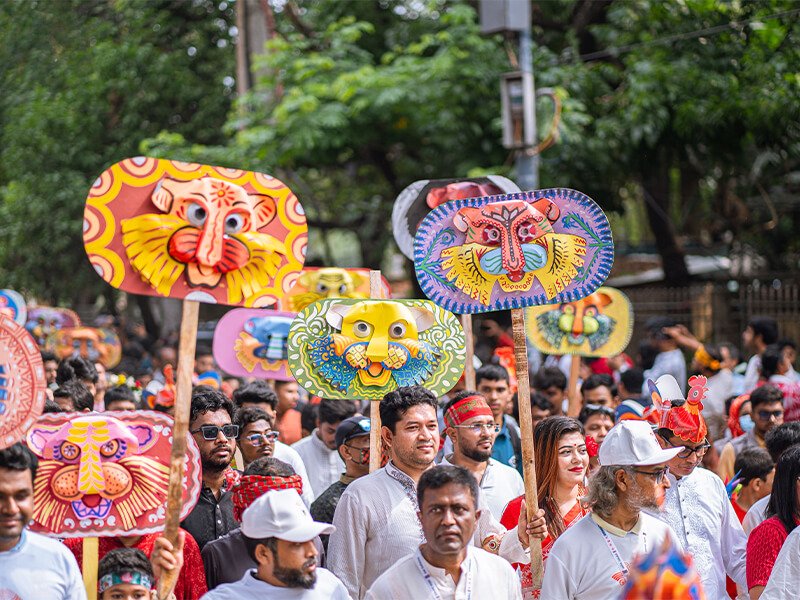
Pohela Boishakh Alpana and Street Murals
Traditional floor art transformed into colorful public celebration
Explore More