

Traditional Patachitra Folk Paintings
Scroll paintings that bring stories to life through image and song
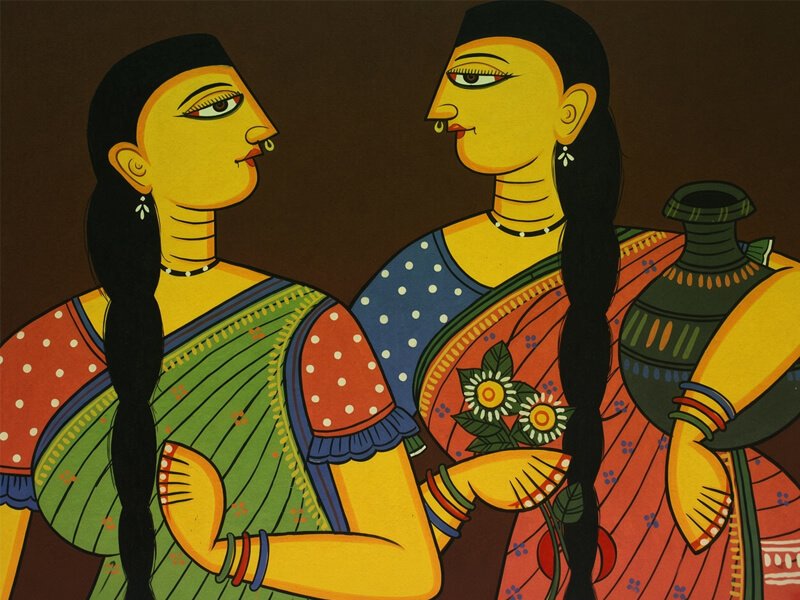
Visual Ballads. Stories Unfolded One Painted Panel at a Time
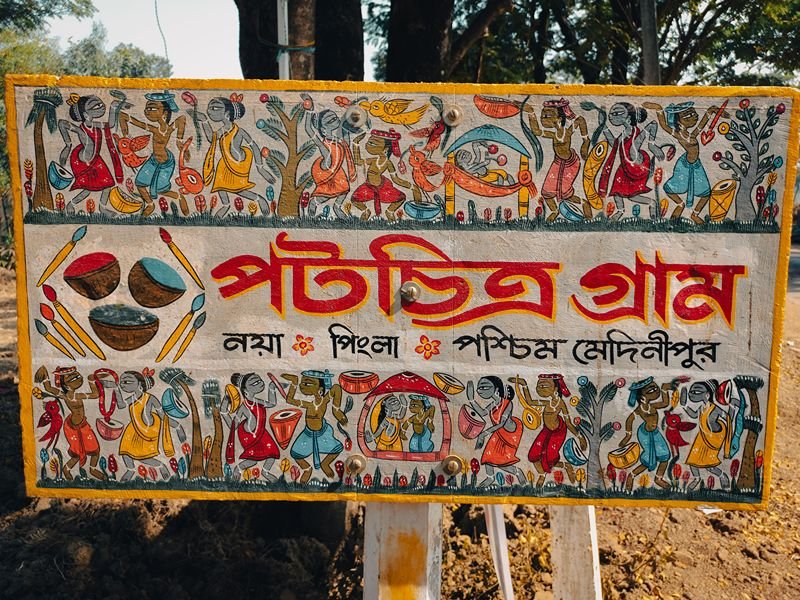
Patachitra belongs to Bengal's oldest surviving traditions of narrative folk painting. Its precise beginnings remain uncertain, but historical evidence connects scroll-based storytelling with the Buddhist period and later Hindu, Muslim, and regional folk traditions.
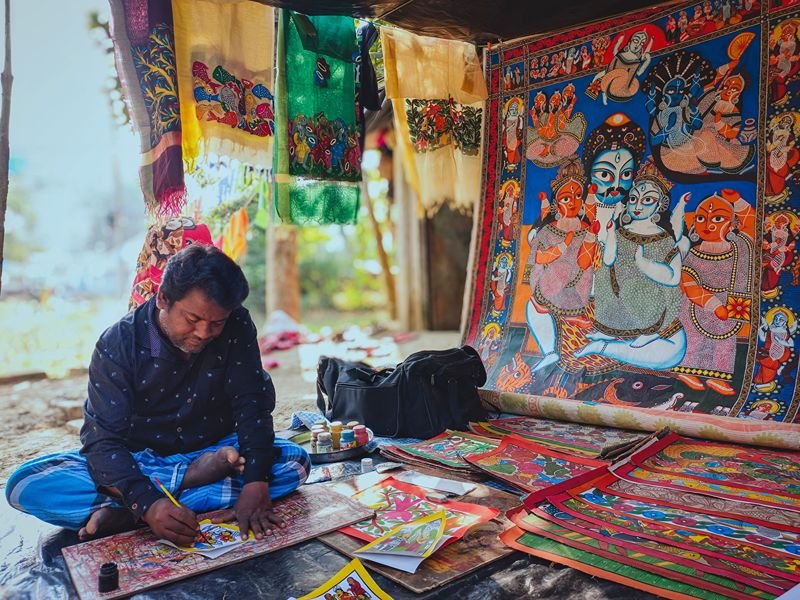
The word pata comes from a term for cloth. Traditional artists painted on fabric, paper, or prepared surfaces and arranged stories into individual pictures or sequences of panels. Long scrolls allowed the painter to reveal a narrative gradually rather than showing the entire story at once.
The Patua traditionally combines several roles. A Patua can work as painter, storyteller, poet, and singer. During a performance, the artist unfolds or unrolls the painted sequence and sings the story connected with each scene. Banglapedia identifies this performance tradition as Patua Sangit.
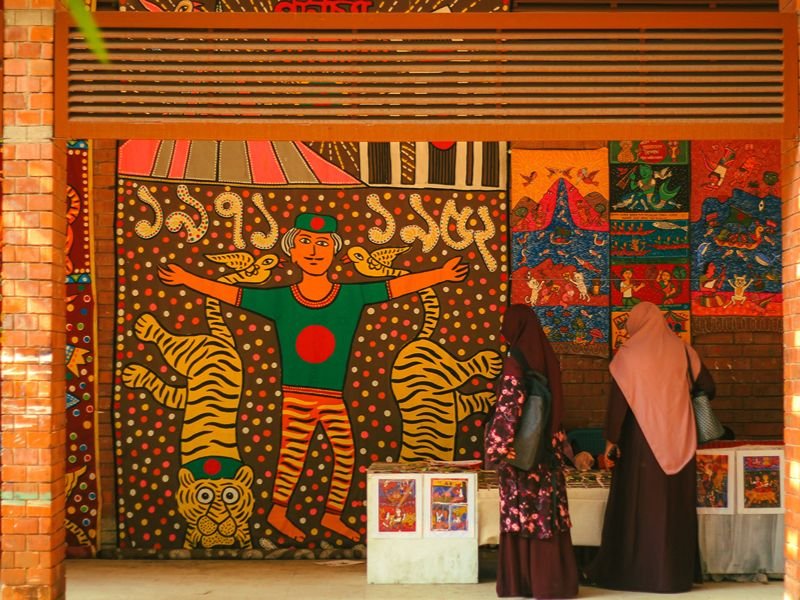
The subject matter crosses religious and social boundaries. Pata traditions have depicted Krishna, Rama, Manasa, Yama, local legends, Muslim pirs, and community histories. Gazir Pat became especially important in Bangladesh. These scrolls portray Gazi Pir and stories connected with his miraculous power, including his association with tigers.
Historic Gazir Pat production used carefully prepared cloth and natural materials. Banglapedia records soot for black, conch shell for white, vermilion for red, turmeric and yellow clay for yellow, and indigo for blue. Artists also used tamarind-based size, chalk, and plant gums during surface preparation. Modern Patuas, however, often buy commercial paints and brushes, so contemporary Patachitra should not be described as a completely organic craft.
Modernization, new entertainment media, migration, and the decline of hereditary patronage weakened the traditional profession. Banglapedia notes that only a limited number of Patuas remain in several areas of Bangladesh, including parts of Narsingdi, Munshiganj, Khulna, Jashore, and Jamalpur. The form survives through individual artists, museums, cultural fairs, and continued interest in folk art.
Immersive Experience
No 360° Videos available
Destination Gallery
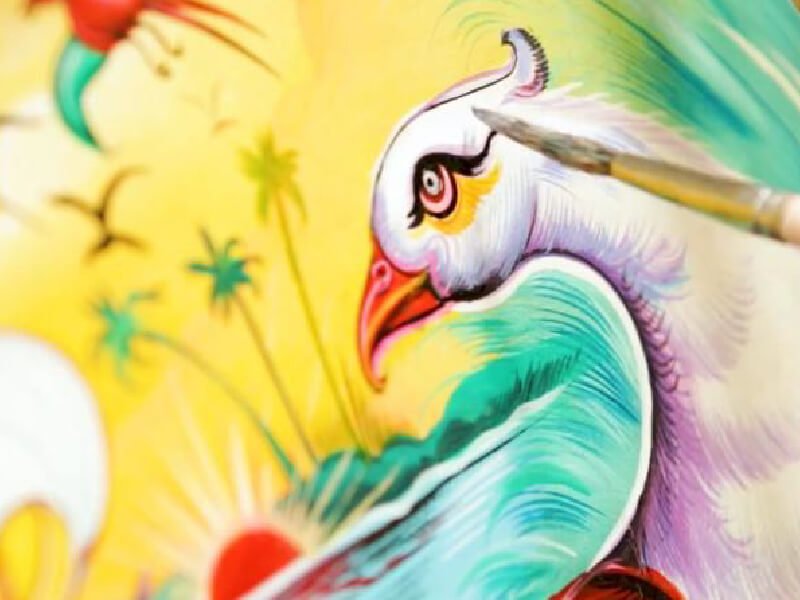
UNESCO Recognized Rickshaw Art
Vibrant urban folk art carried through the streets of Dhaka
Explore More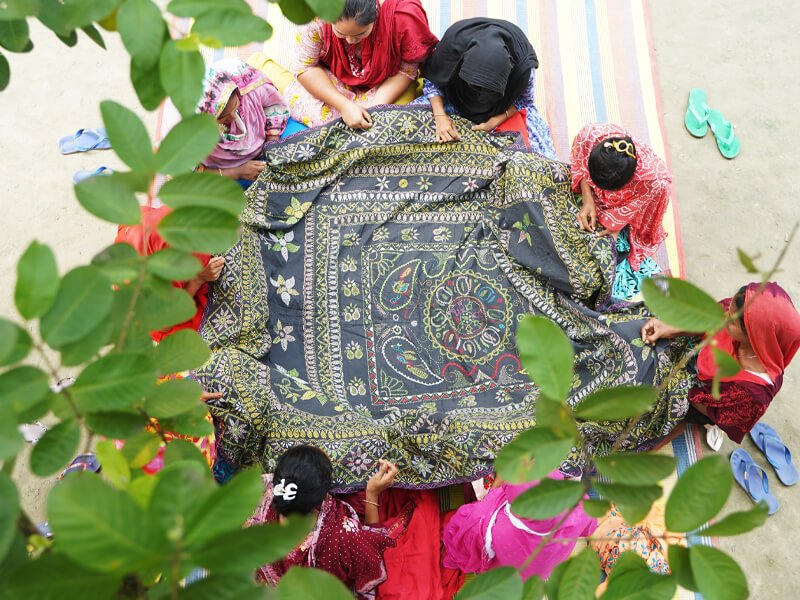
Nakshi Kantha as Visual Storytelling
Embroidered textiles shaped by memory, utility, and rural imagination
Explore More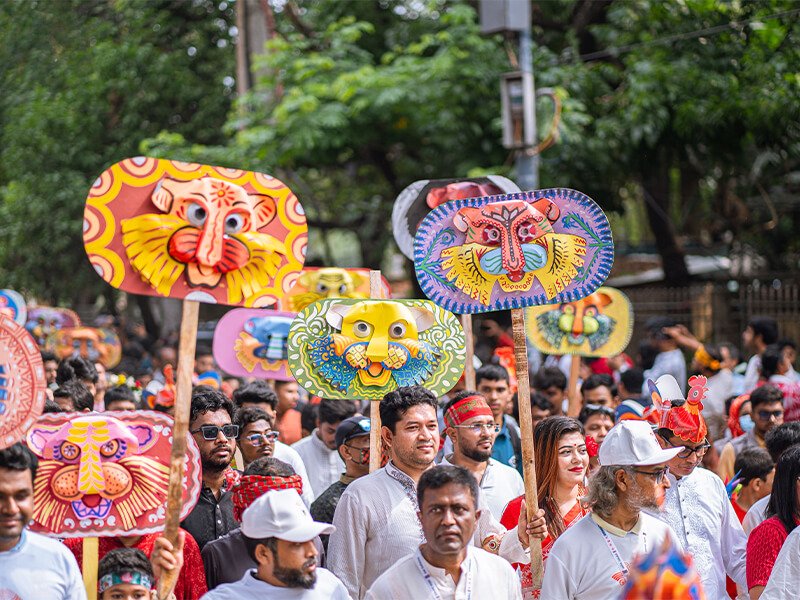
Pohela Boishakh Alpana and Street Murals
Traditional floor art transformed into colorful public celebration
Explore More