

Udalia Tea Garden
Tea rows, shade trees and diversified planting shape Chattogram’s northern countryside.
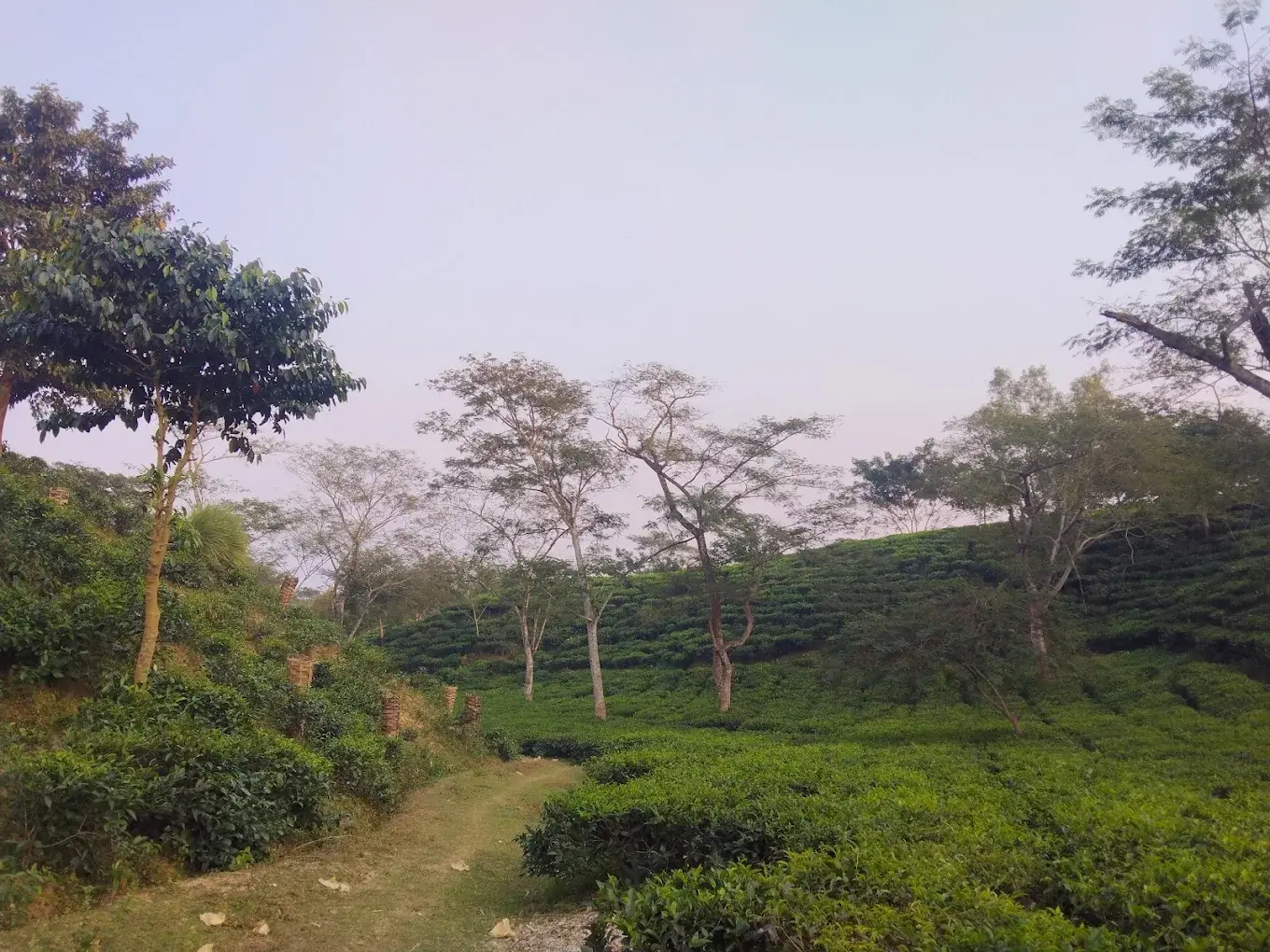
Leave the main road behind and enter the tea country of Hathazari–Fatikchhari—with permission, curiosity and time to explore.
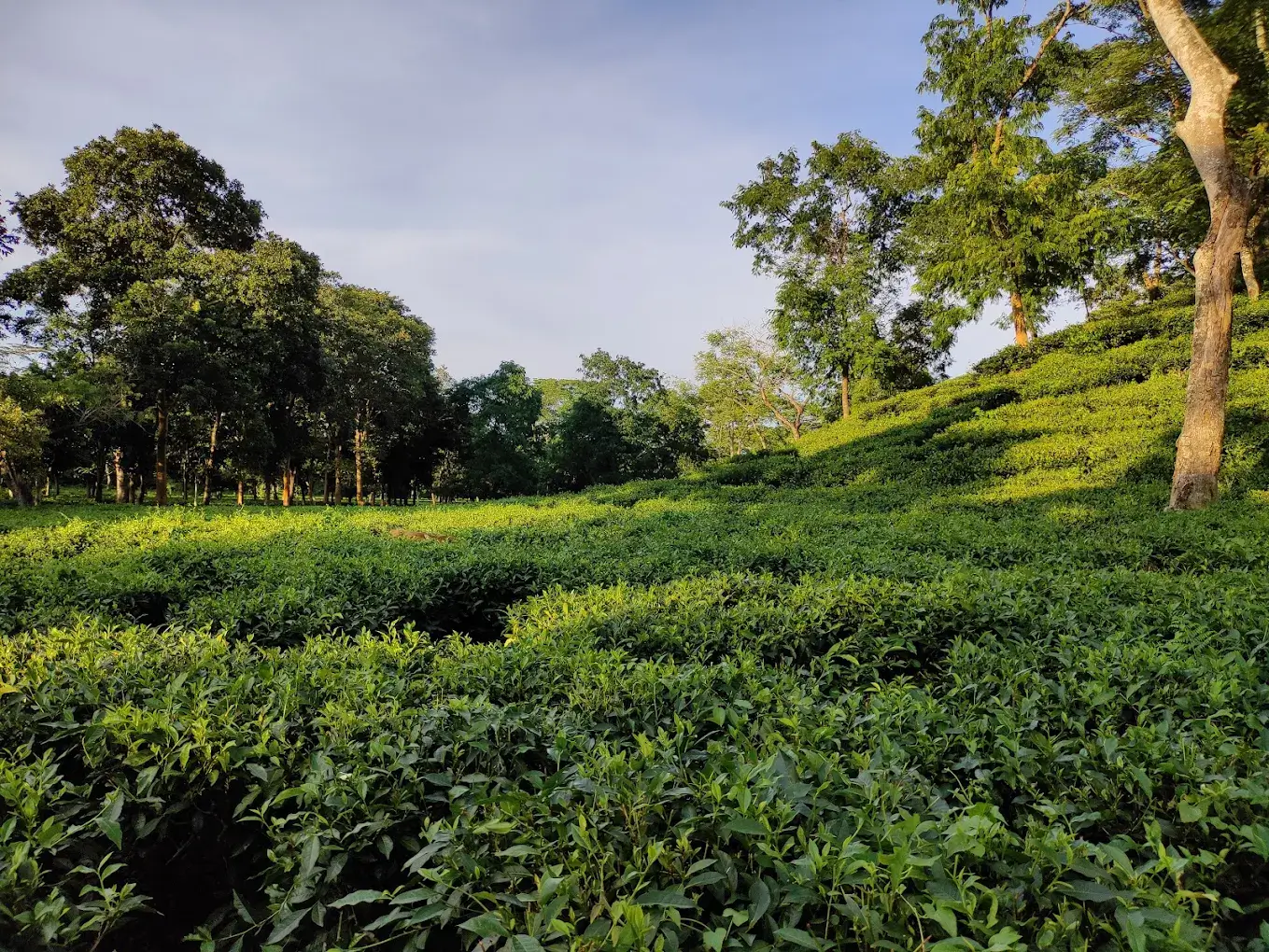
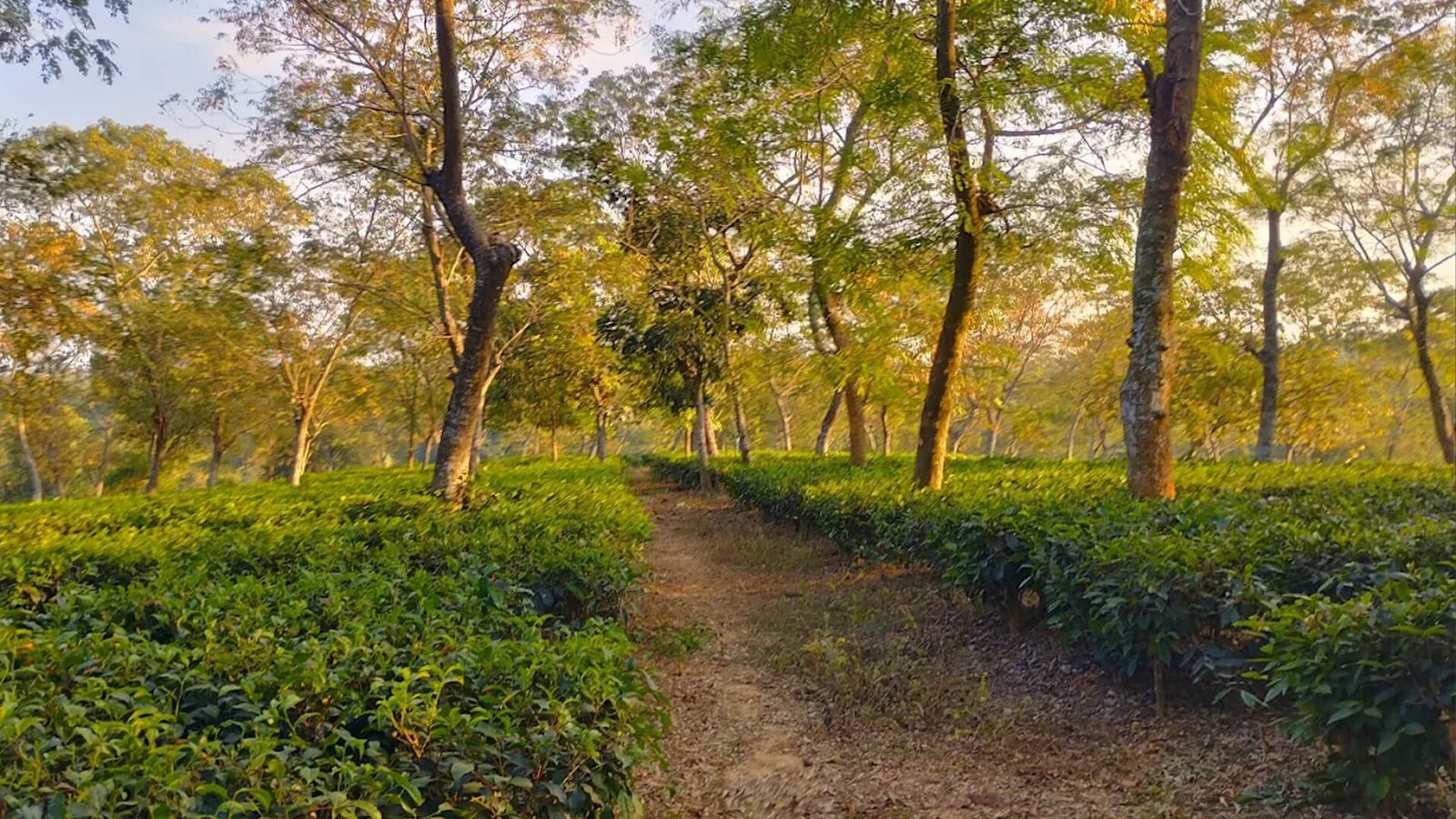
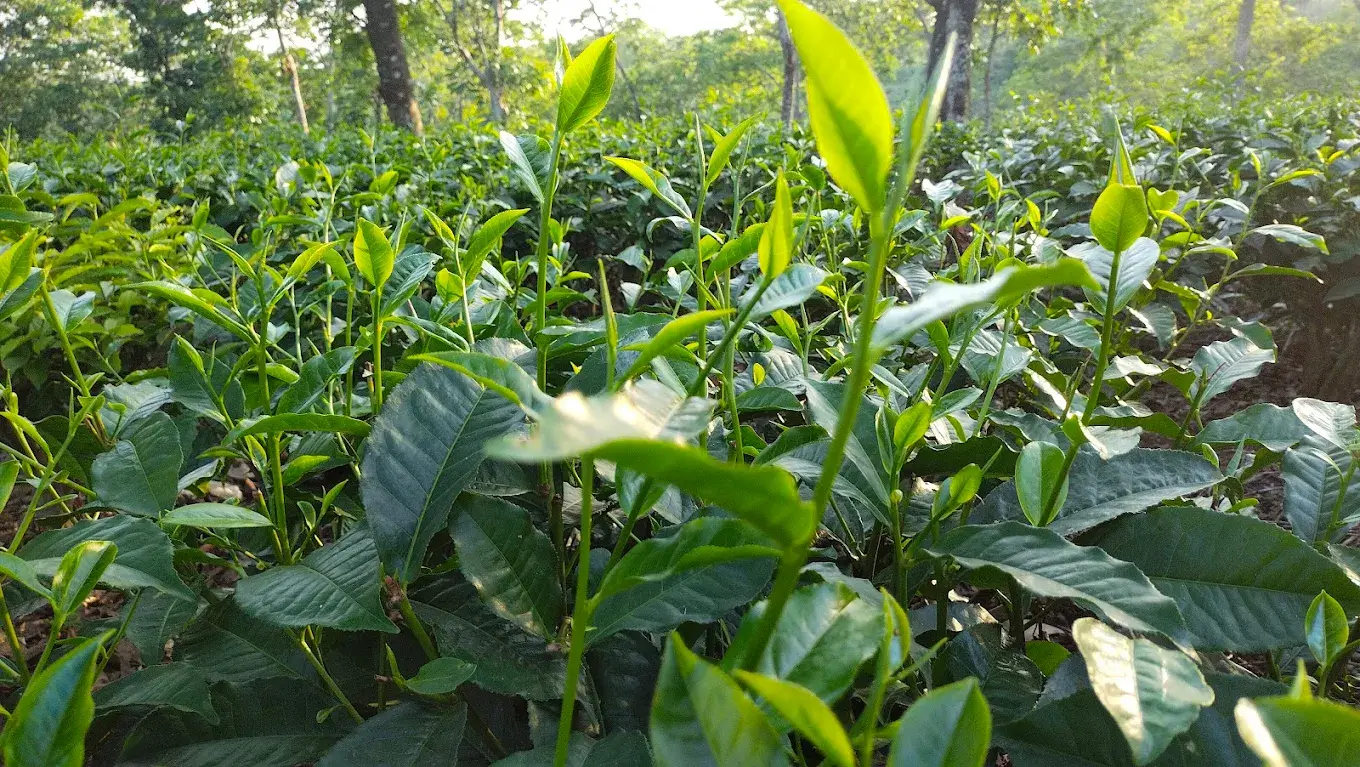
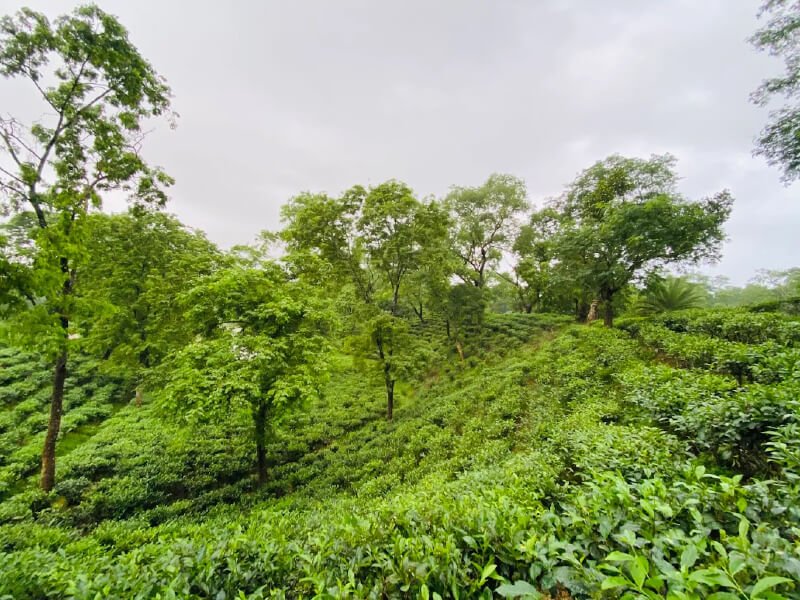
Udalia lies in the northern Chattogram tea belt around Hathazari and Fatikchhari. The landscape combines tea with shade planting and other agricultural activity, creating a broader working environment than a single-crop postcard. Visitors should identify the correct gate and obtain permission rather than following unverified map pins into production roads. The topography of the property relies on gentle slopes that provide natural drainage during heavy monsoon rains, keeping the soil nutrient-rich and damp throughout the year. Towering shade trees with expansive canopies are thoughtfully planted among the neatly pruned tea bushes. These large trees protect vulnerable young leaves from the intense midday heat while acting as a natural sanctuary for native birds and wildlife.
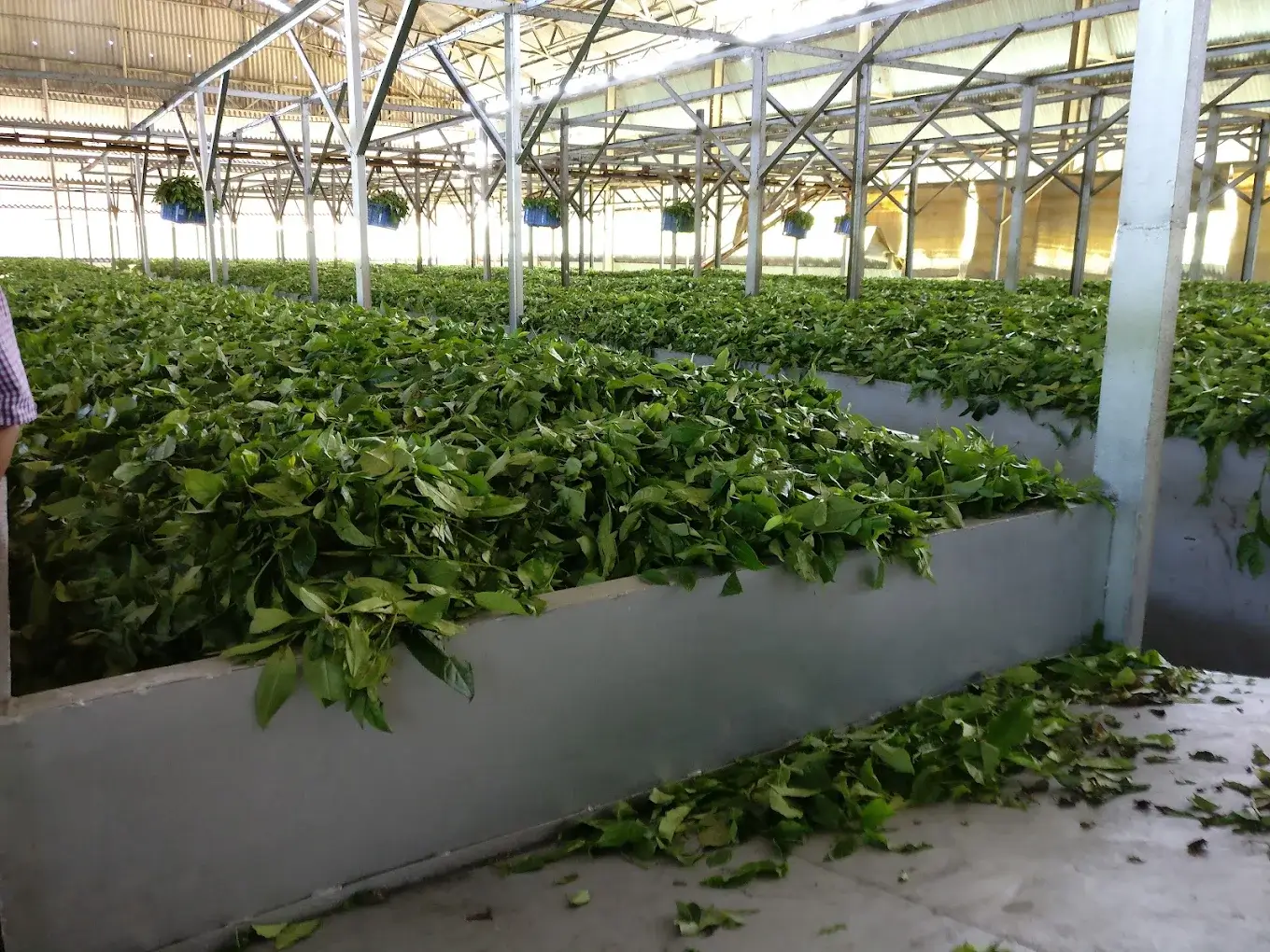
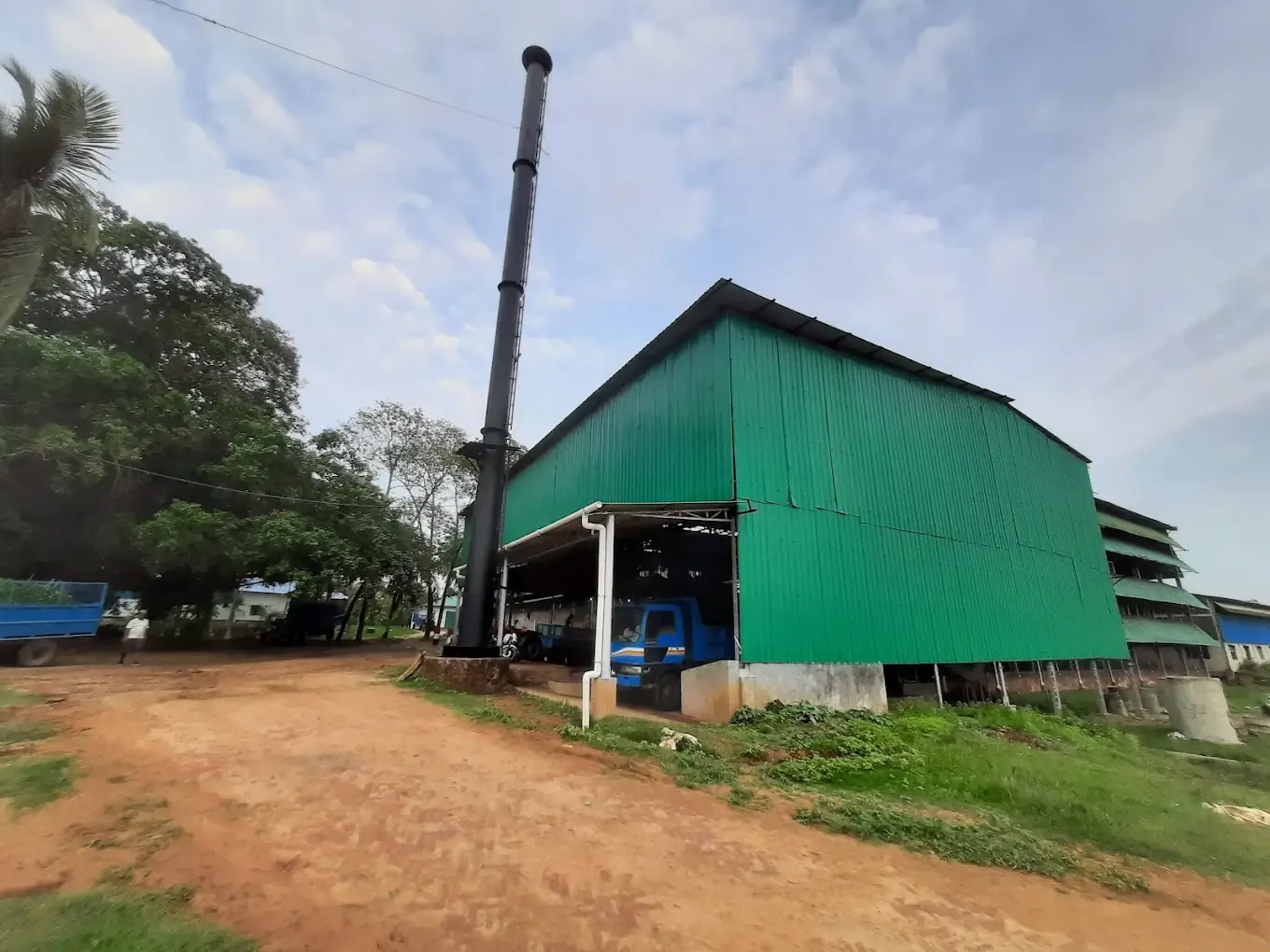
What makes the terrain particularly striking is the integration of natural freshwater lakes and rehabilitated wetlands across the lower valleys, which are utilized for local fish farming. Walking along the scenic red-dirt pathways reveals a harmonious landscape where traditional black tea cultivation blends seamlessly with groves of agar, neem, dragon fruit, and citrus trees. The day-to-day rhythm of the estate depends on the dedication of skilled local workers whose families have maintained these hills across generations. During active plucking periods, female pluckers carrying traditional woven baskets step onto the dewy slopes to carefully handpick two tender leaves and a bud. Their rapid, practiced movements ensure a steady supply of premium green leaves to industrial processing facilities, where traditional methods of withering, rolling, and firing turn the harvest into aromatic black tea.
Today, this sprawling estate stands as a peaceful haven that bridges scientific agricultural advancement with raw countryside charm. Whether wandering past the tranquil water bodies or watching the sunlight filter through the tall shade trees onto the green bushes below, visitors are left with a lasting impression of rural serenity. A warm cup of tea originating from these unique red-soil hills captures the rich heritage, innovative farming practices, and gentle community spirit of northern Chattogram.
Immersive Experience
No 360° Videos available
Destination Gallery
Chandpur–Belgaon Tea Estate
An unexpected sweep of tea rises inland from southern Chattogram’s coast.
Explore More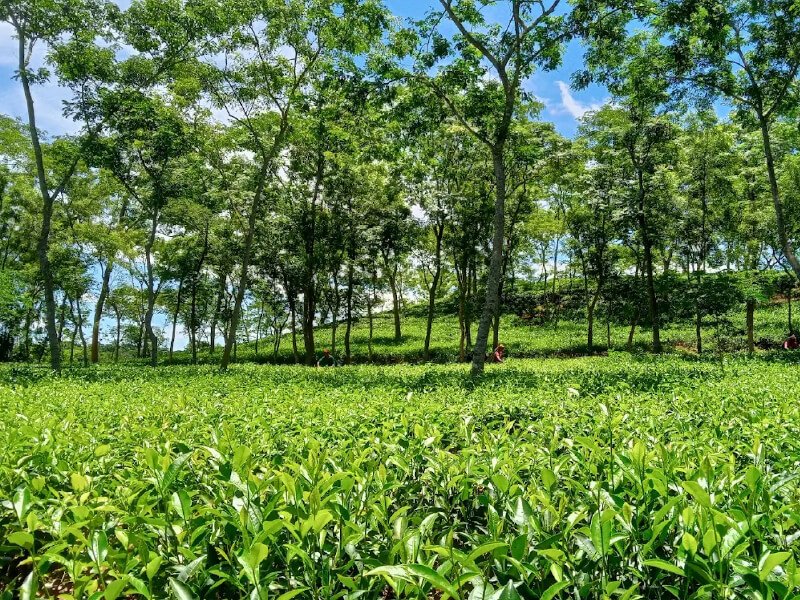
Rangapani Tea Estate
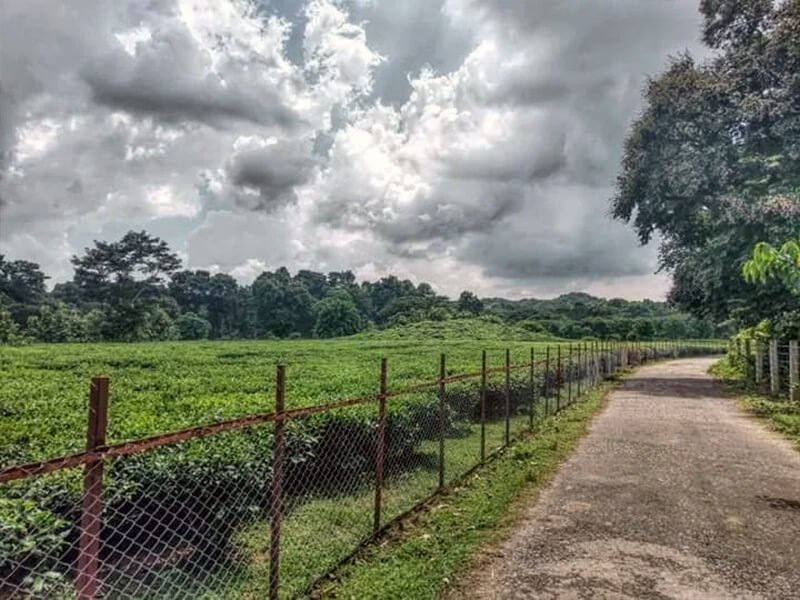
Misted low hills and tea fields open beyond northern Chattogram’s busy corridors.
Explore More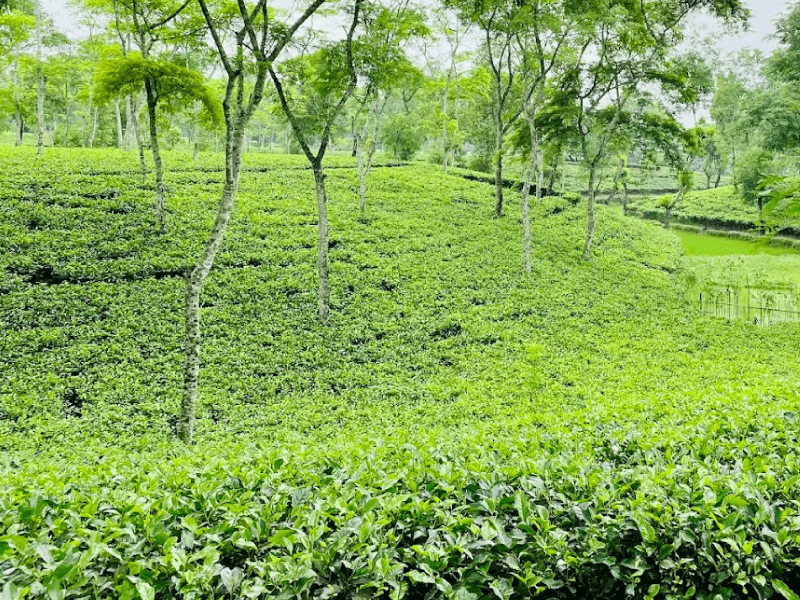
Ramgarh Tea-Growing Landscape
Tea cultivation appears among border hills, river bends and wide Hill Tracts skies.
Explore More