

Ramgarh Tea-Growing Landscape
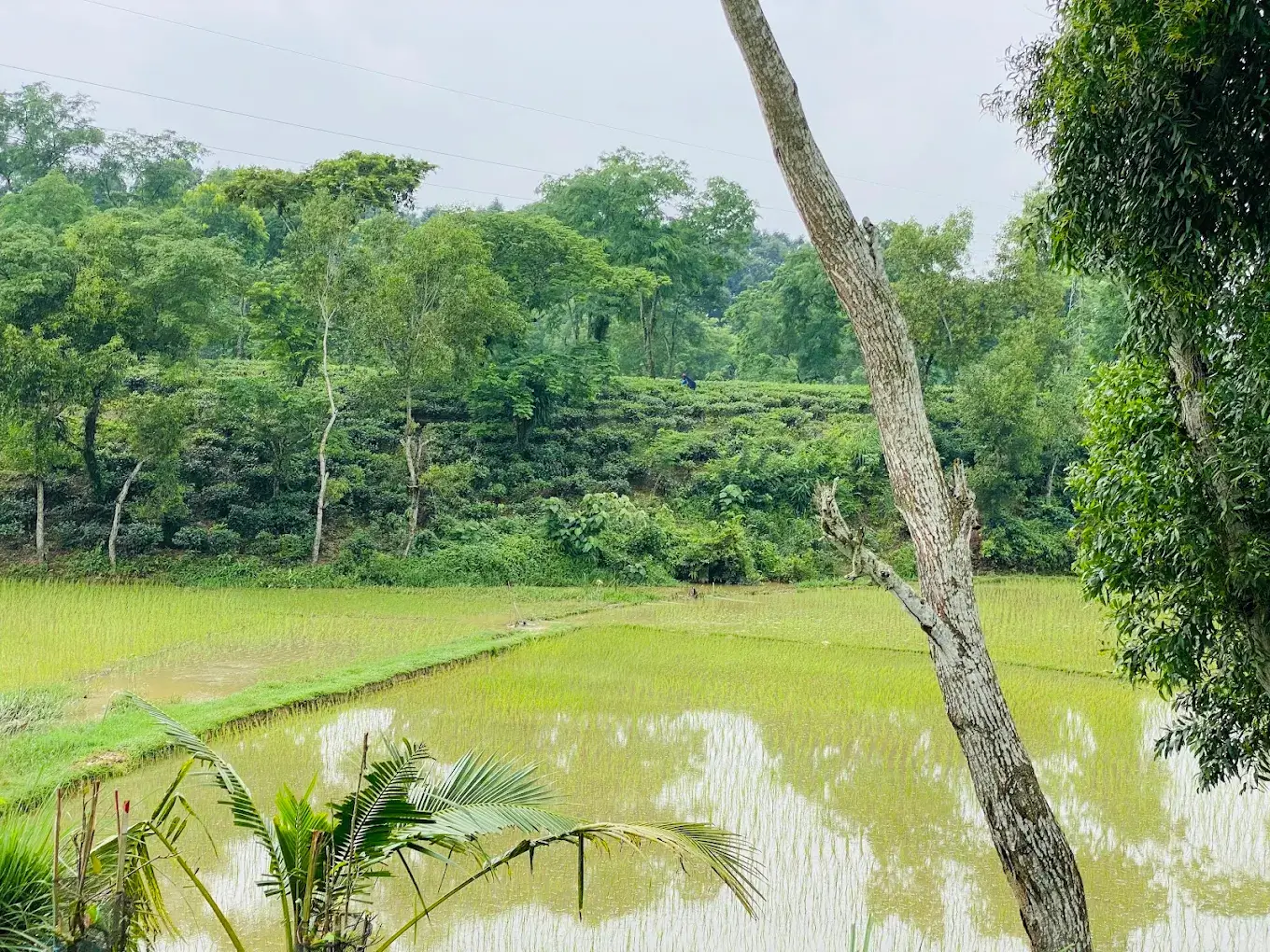
Tea cultivation appears among border hills, river bends and wide Hill Tracts skies.
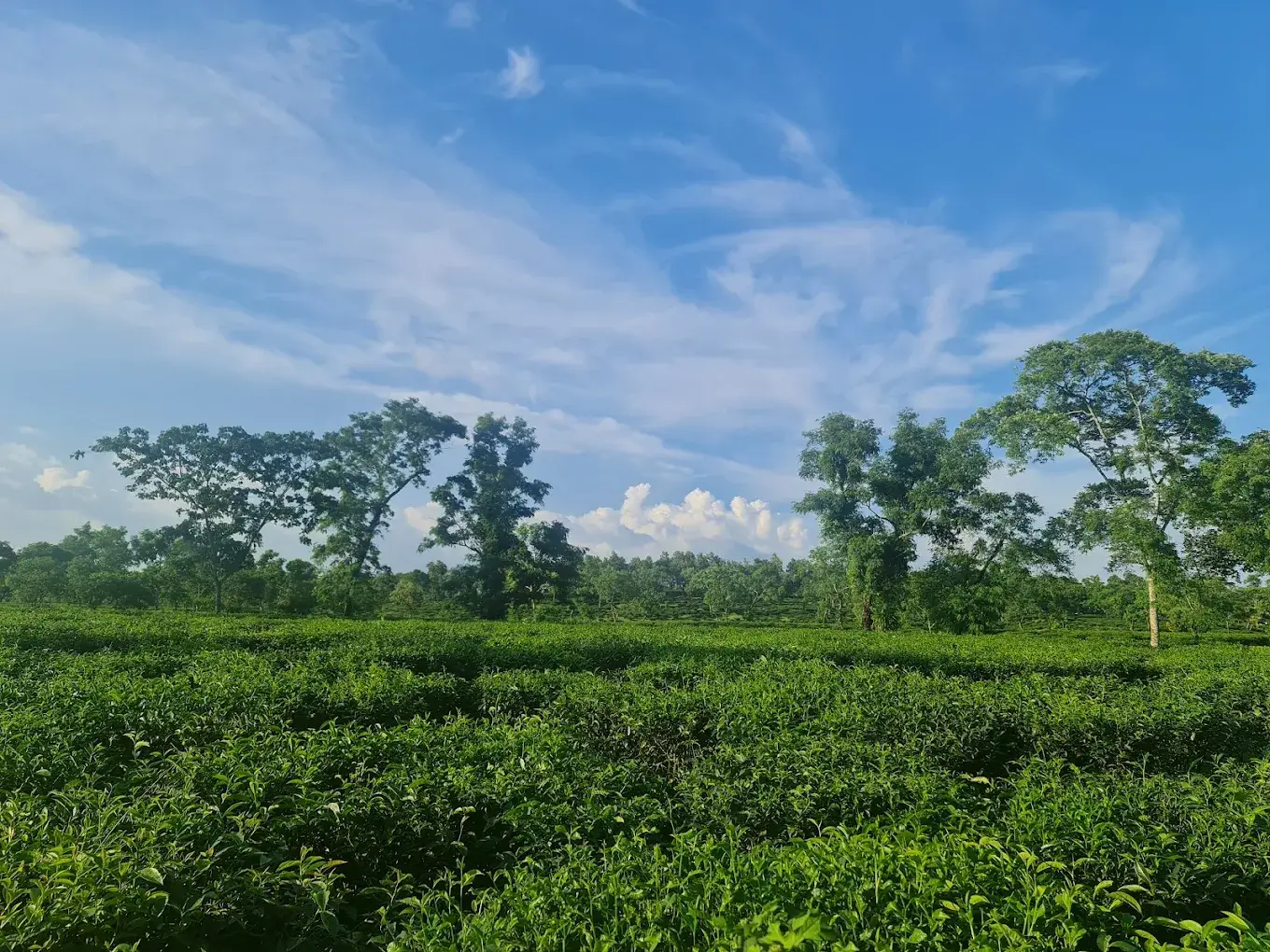
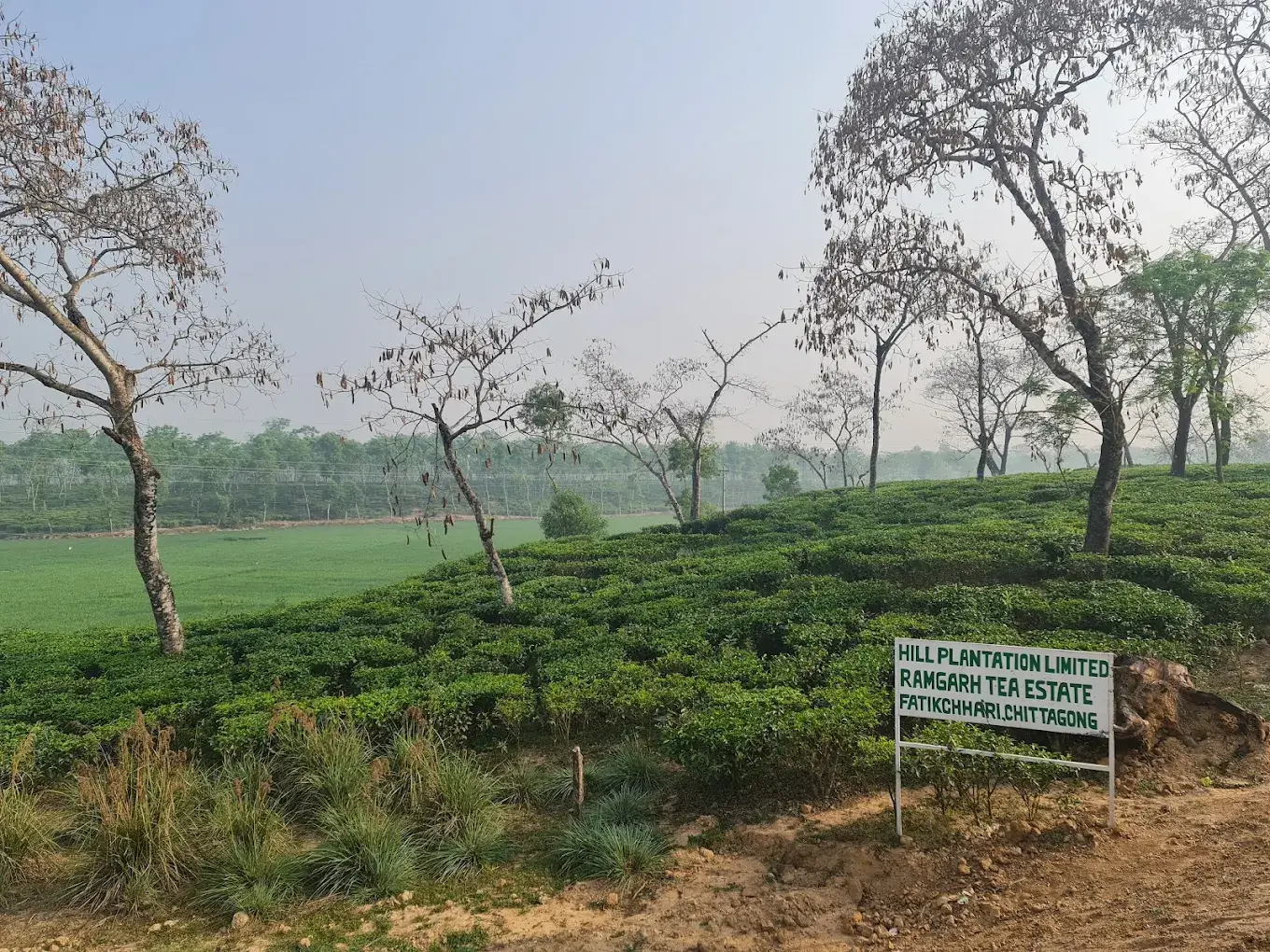
Leave the main road behind and enter the tea country of Ramgarh—with permission, curiosity and time to explore.
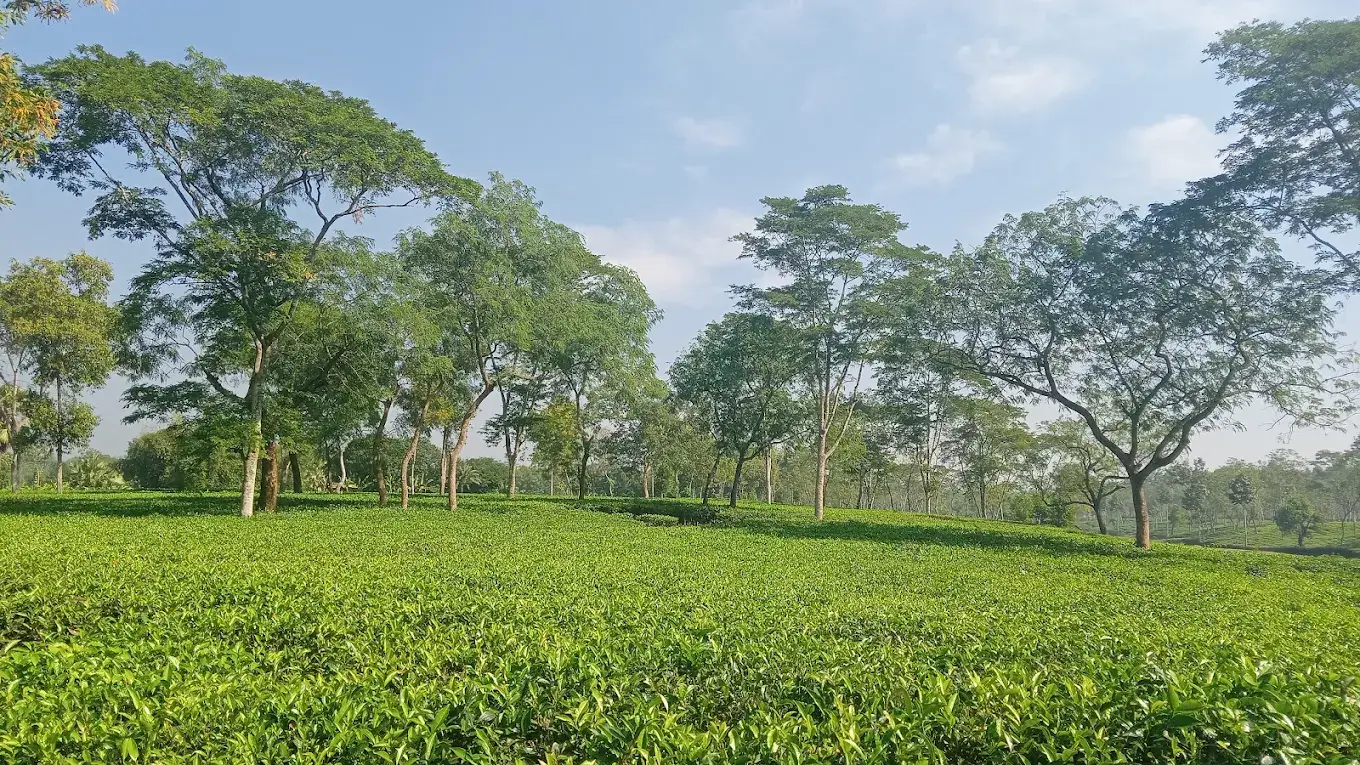
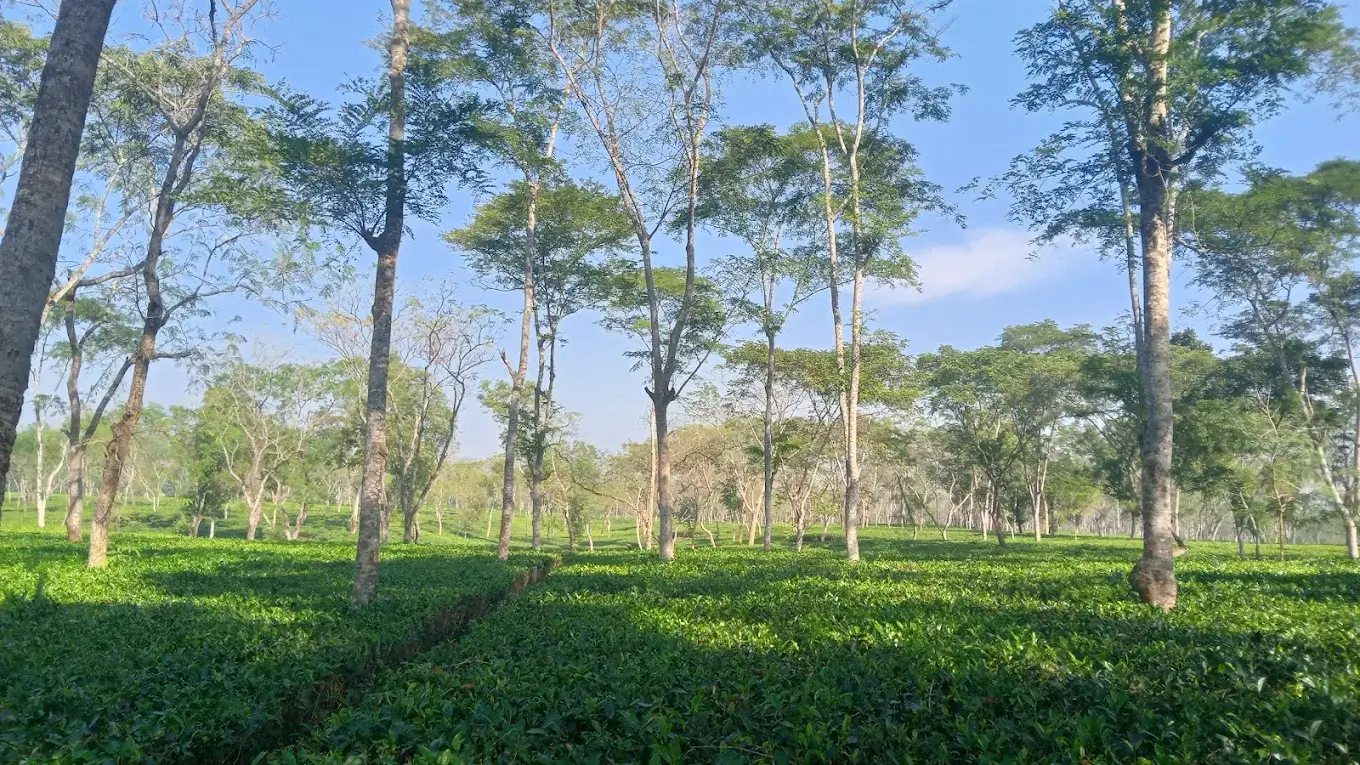
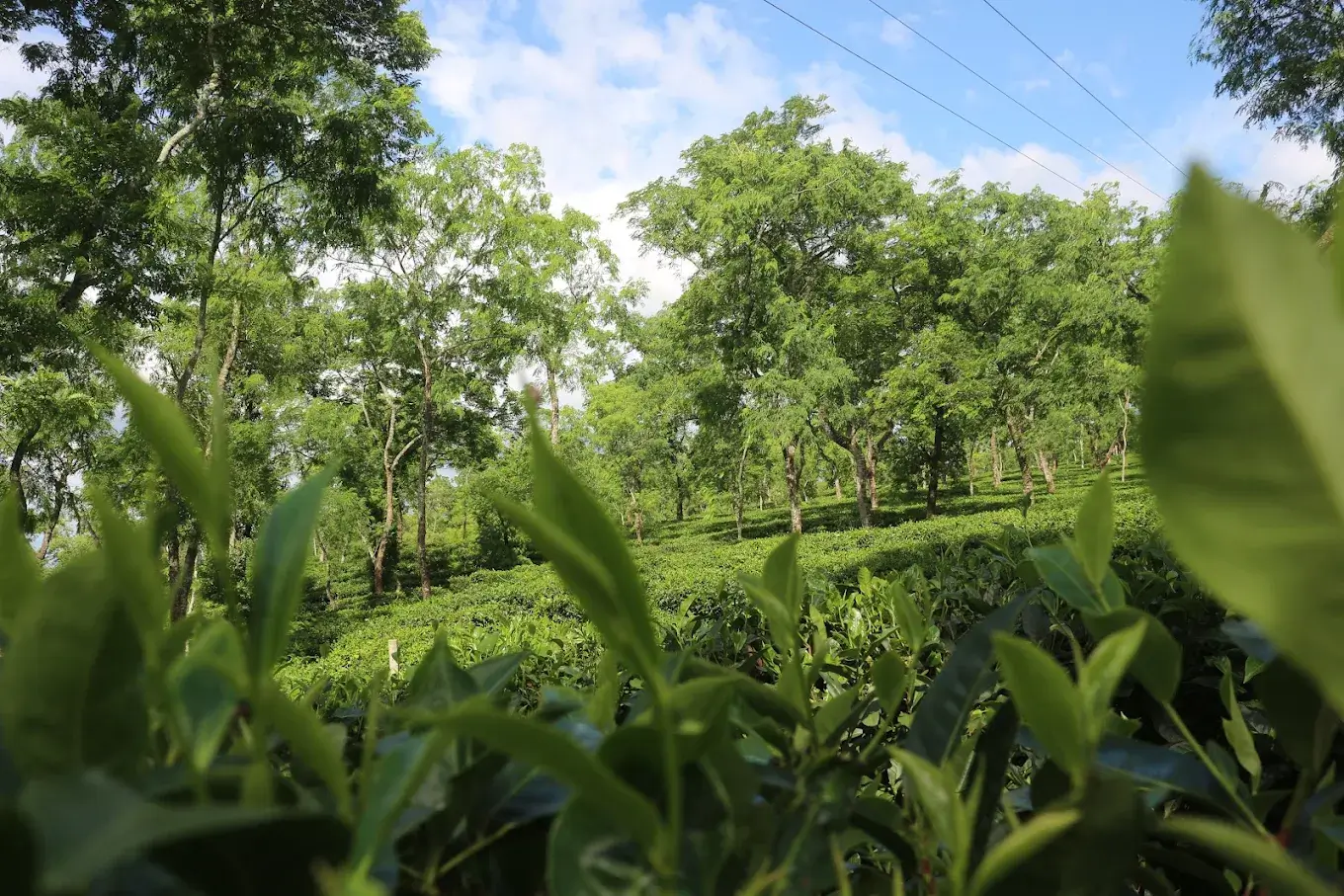
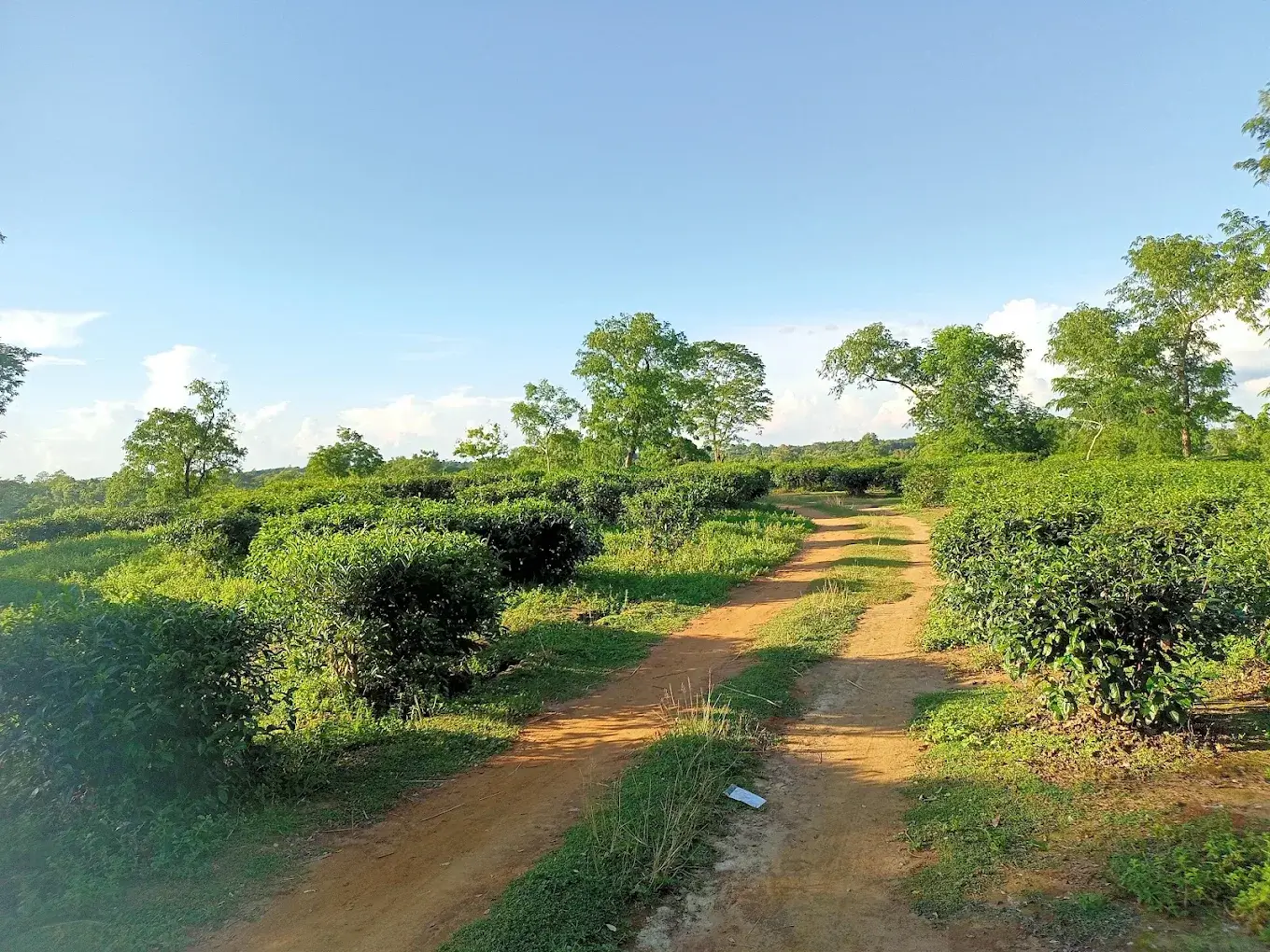
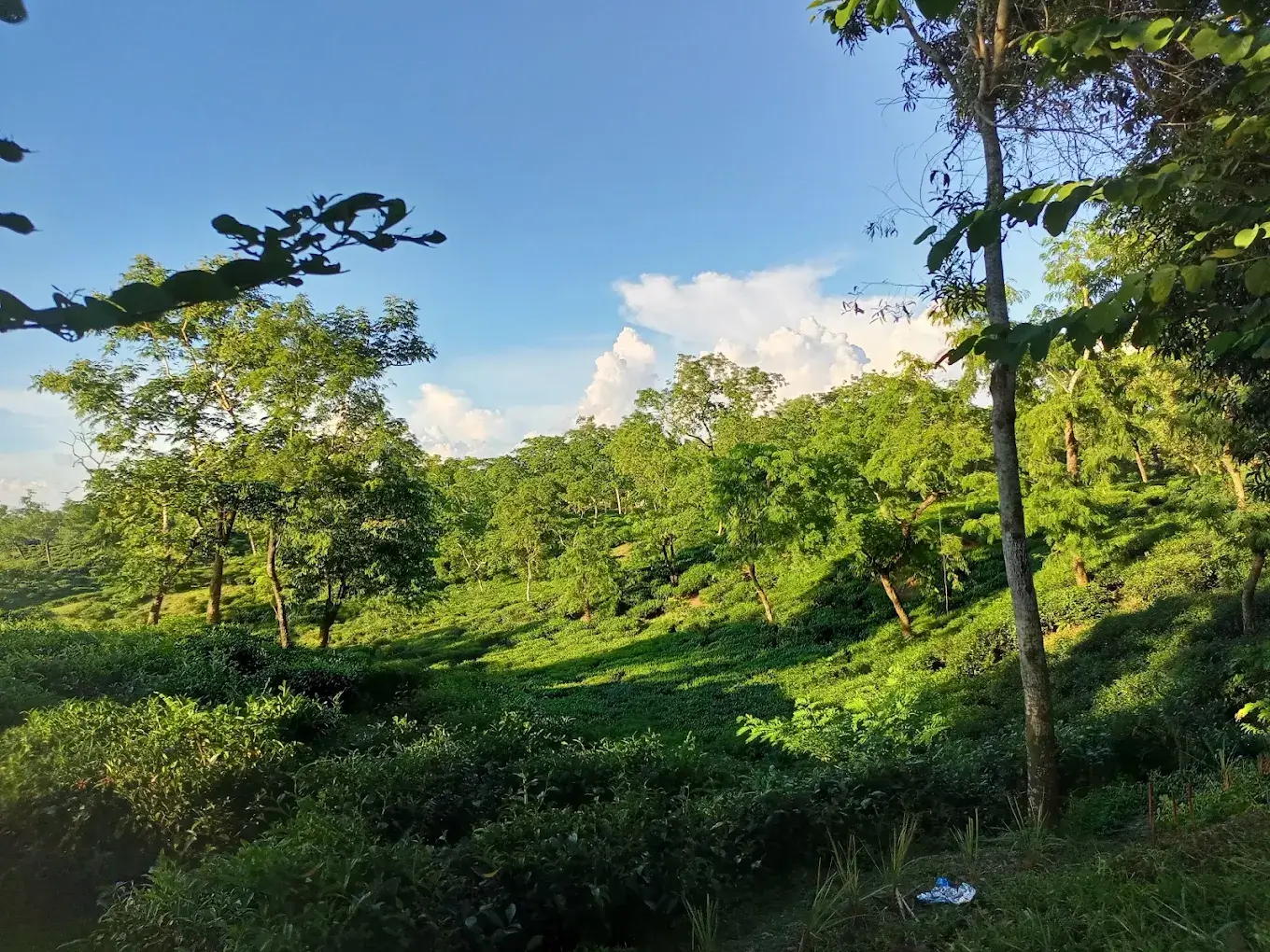
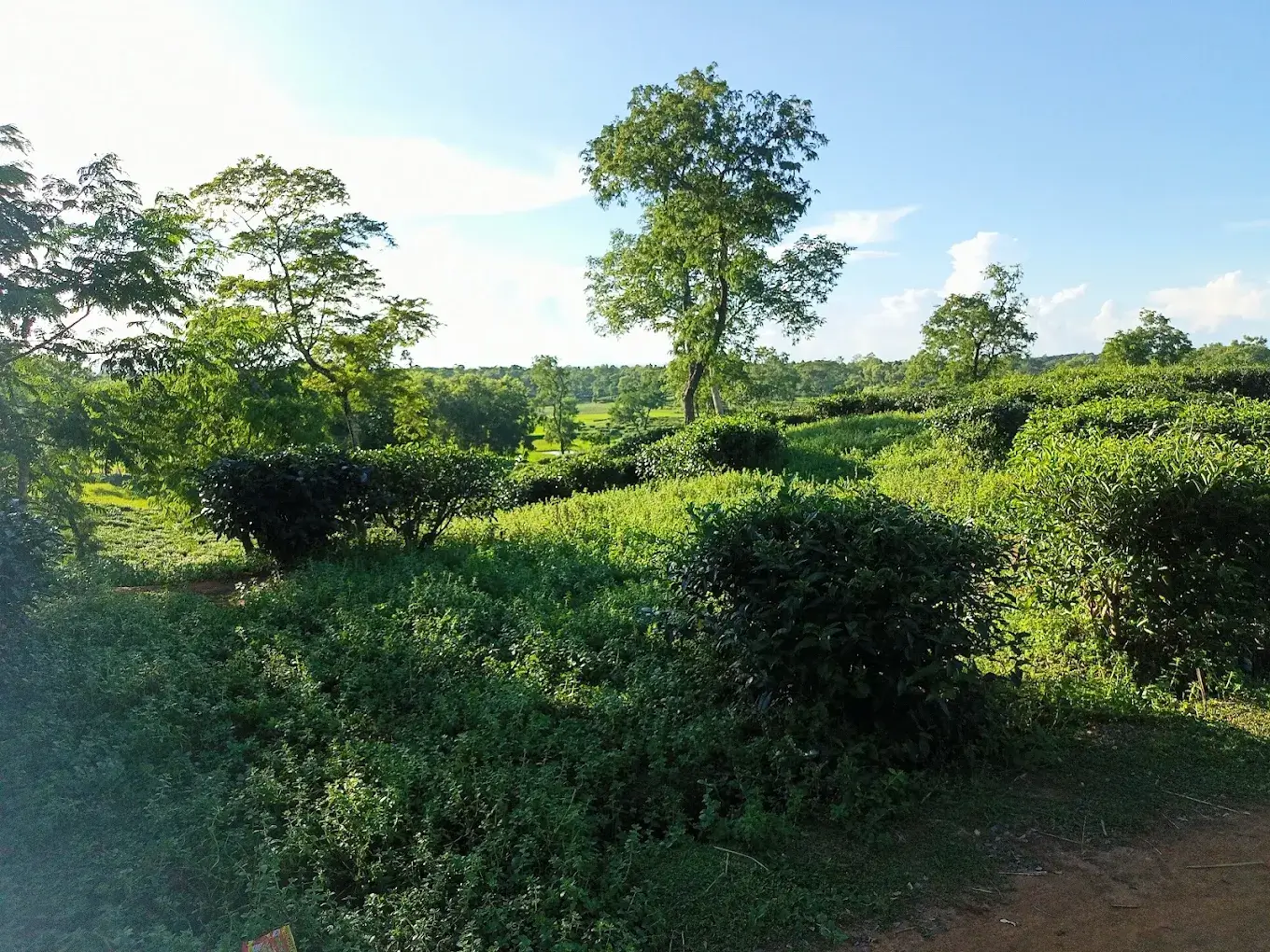
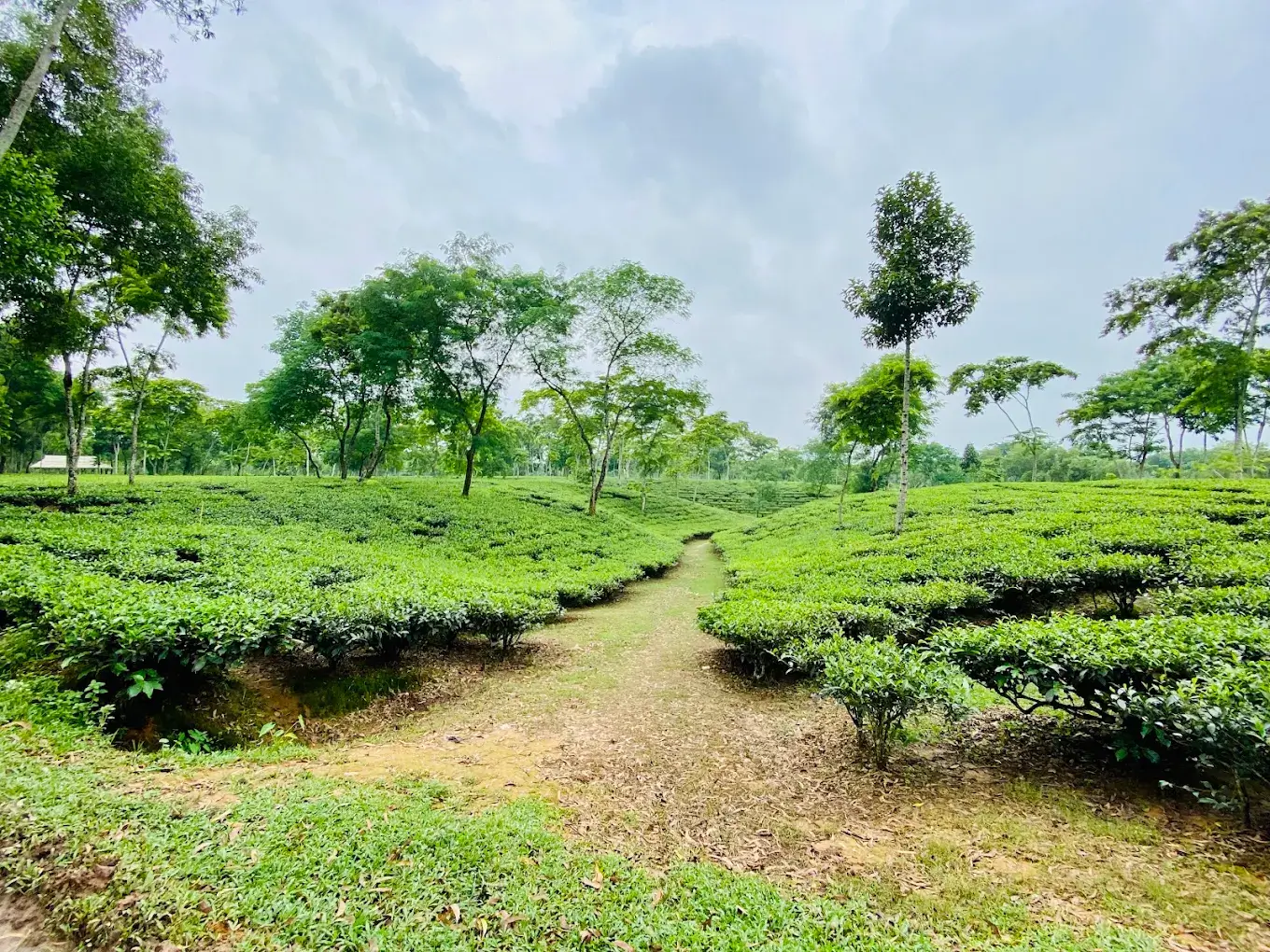
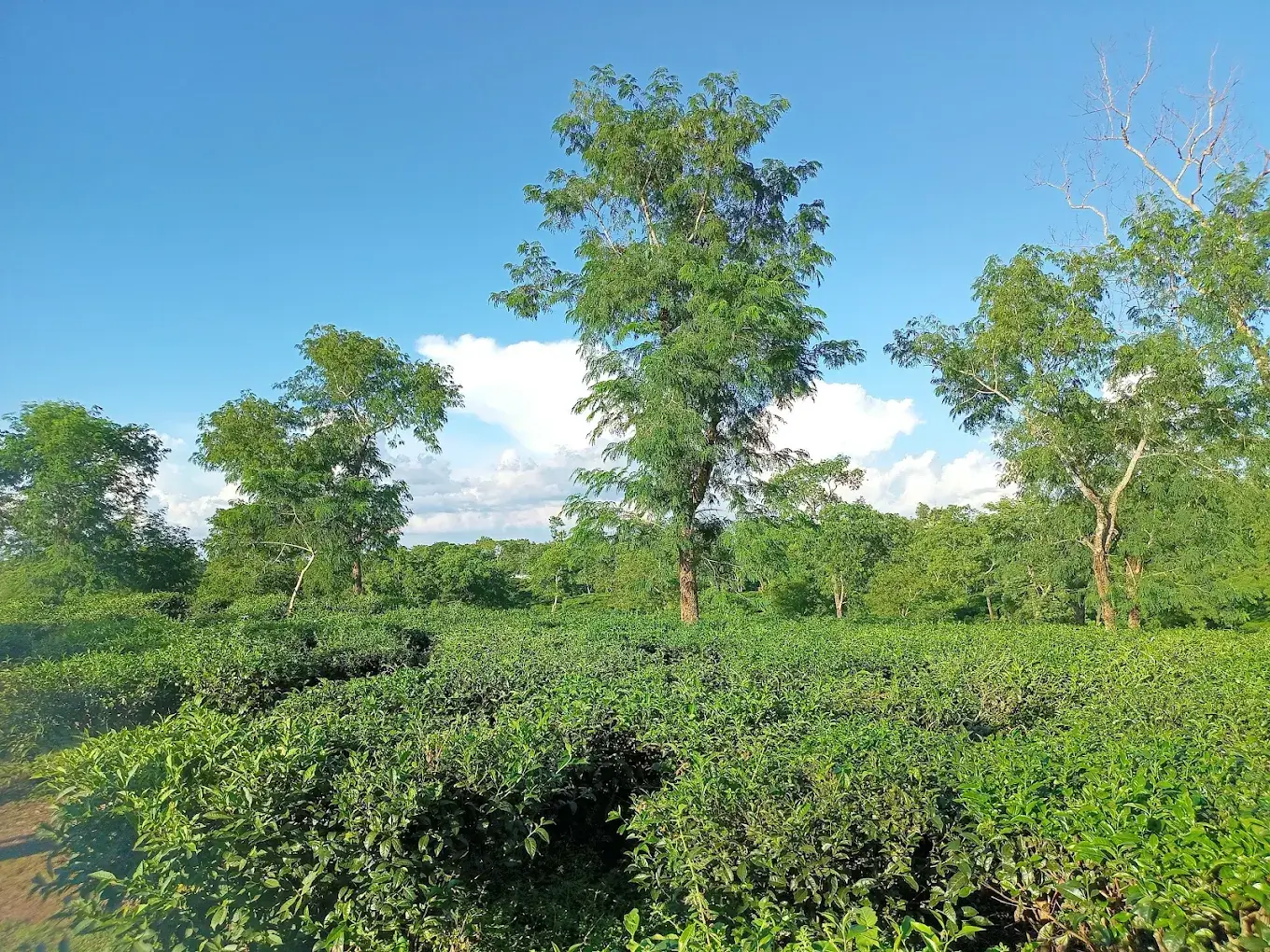
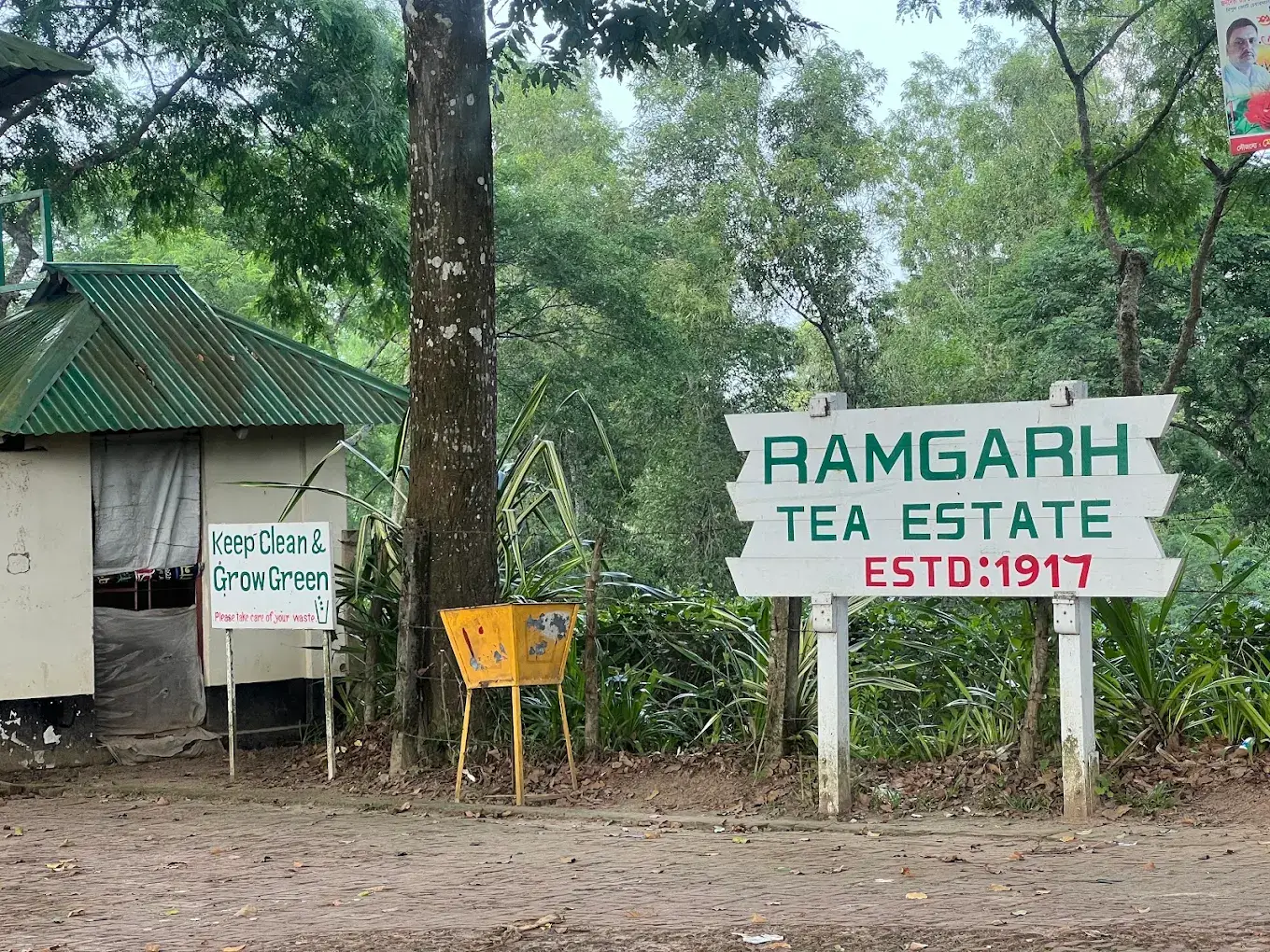
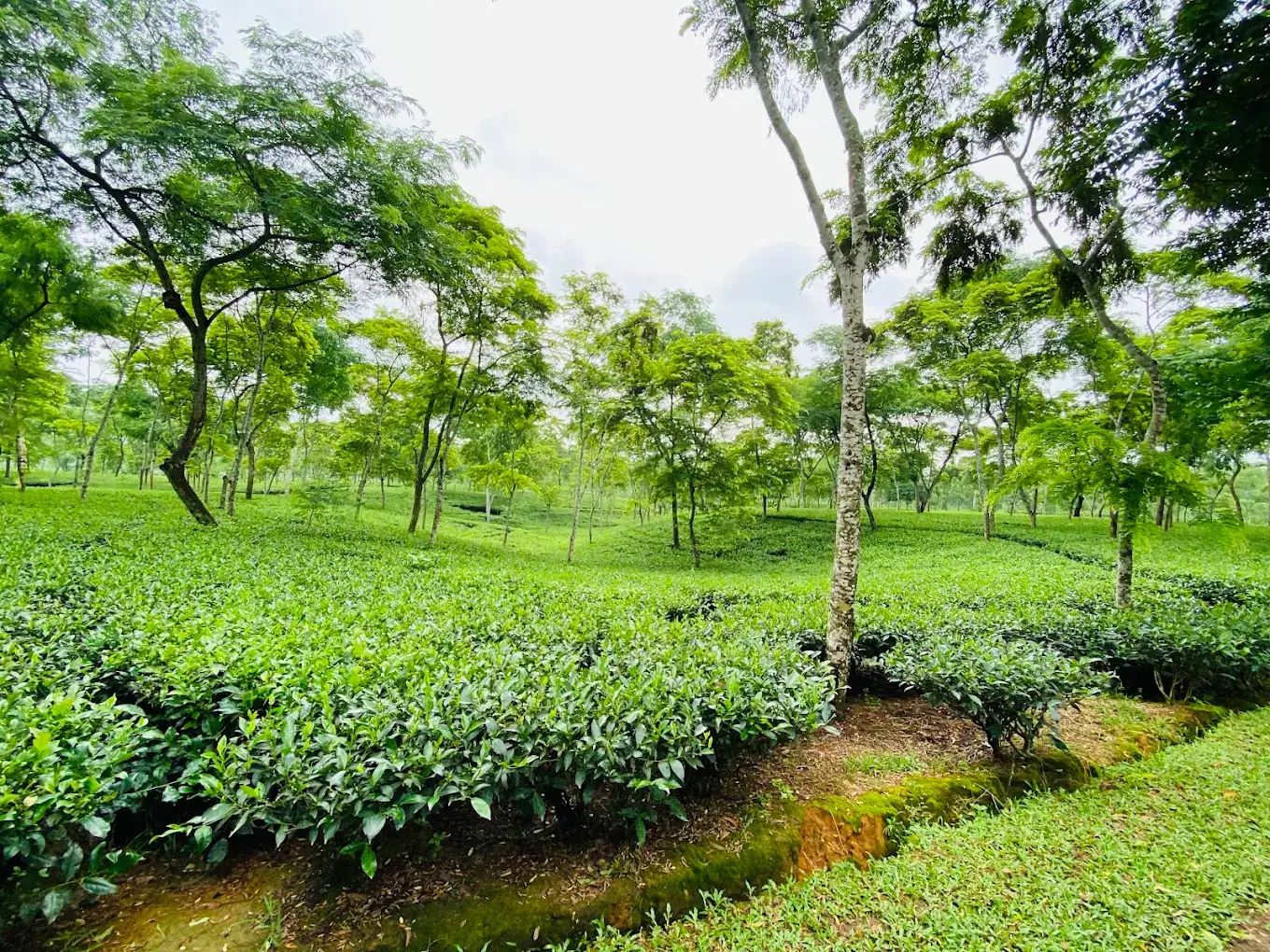
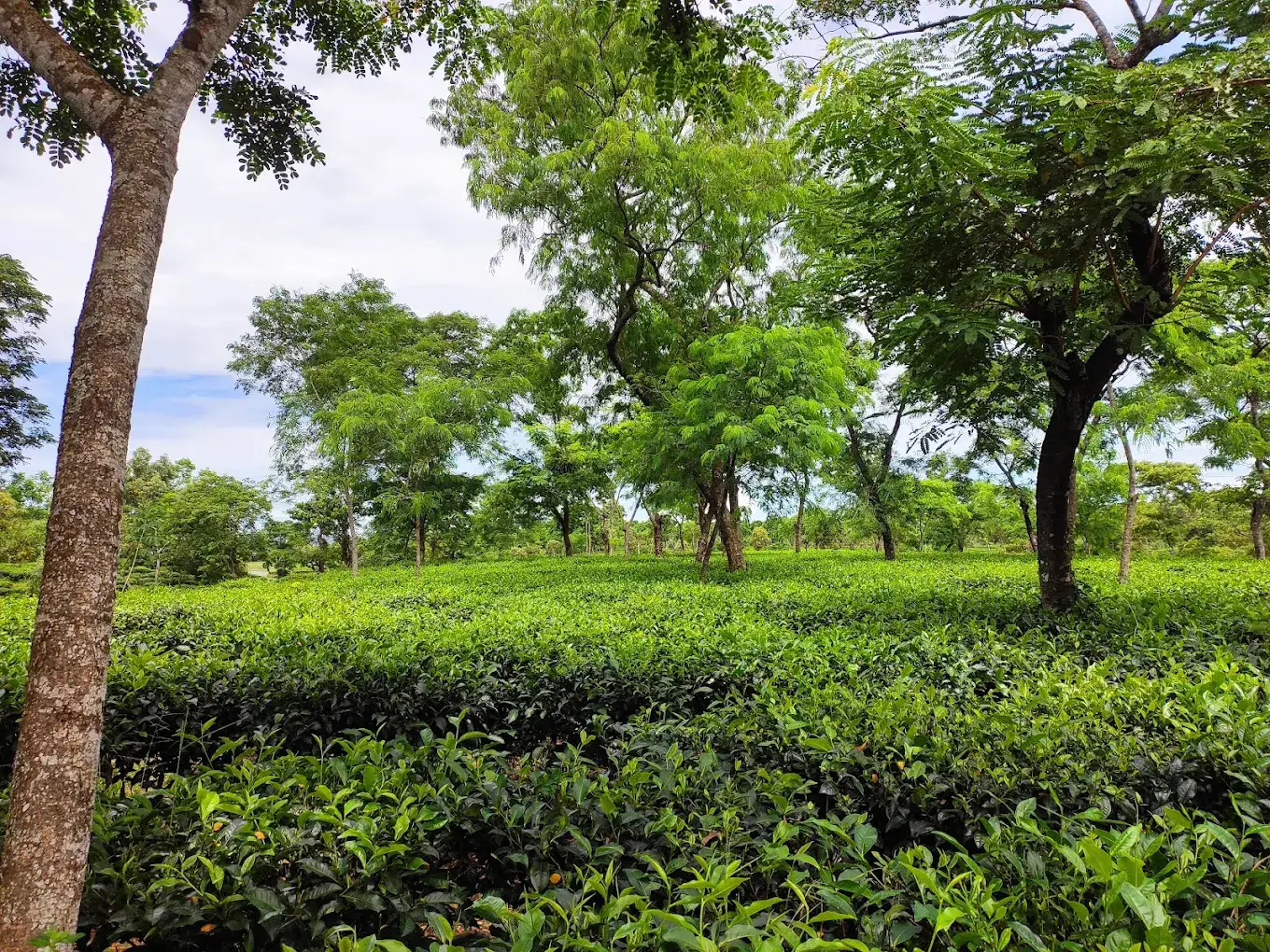
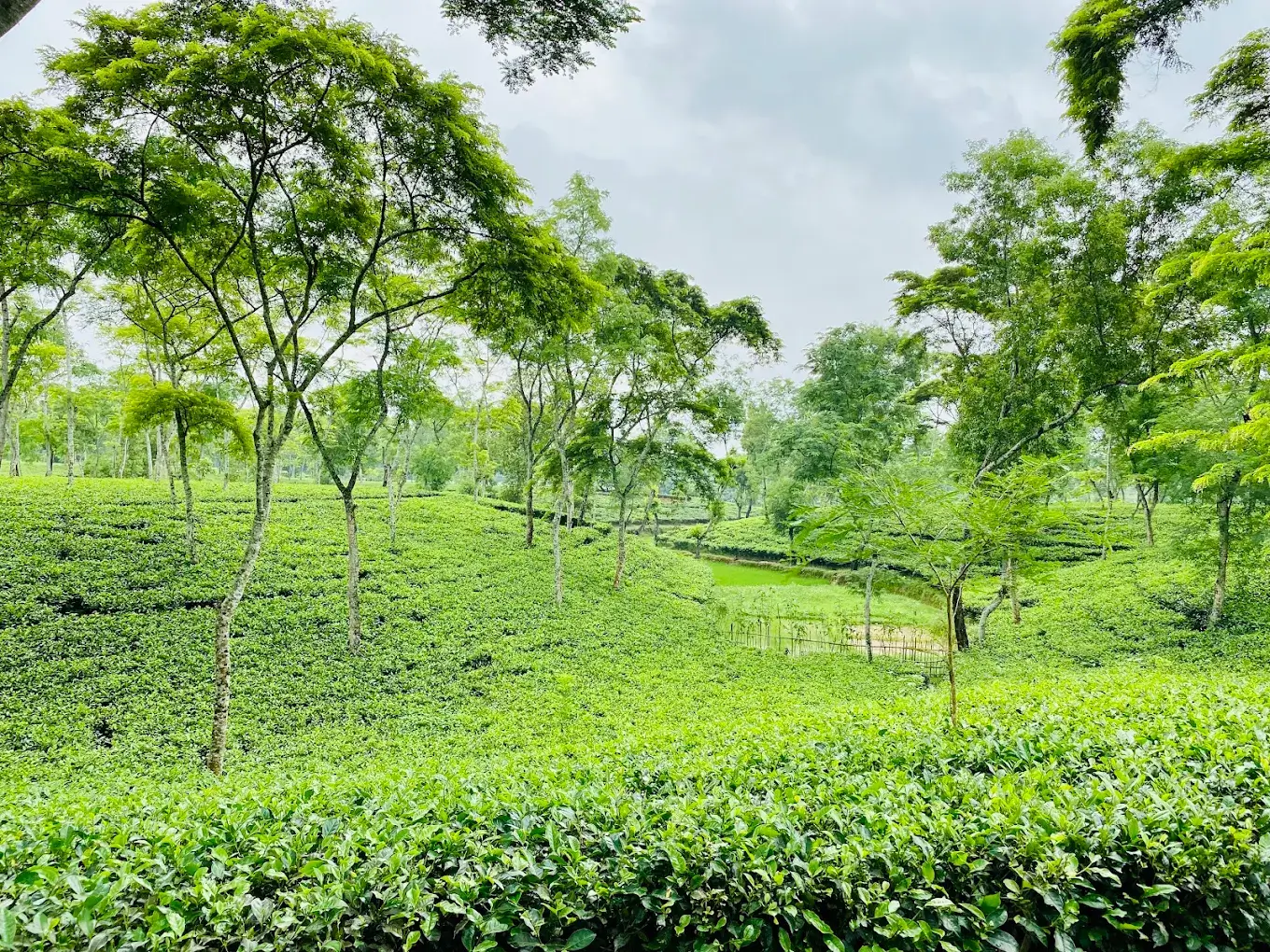
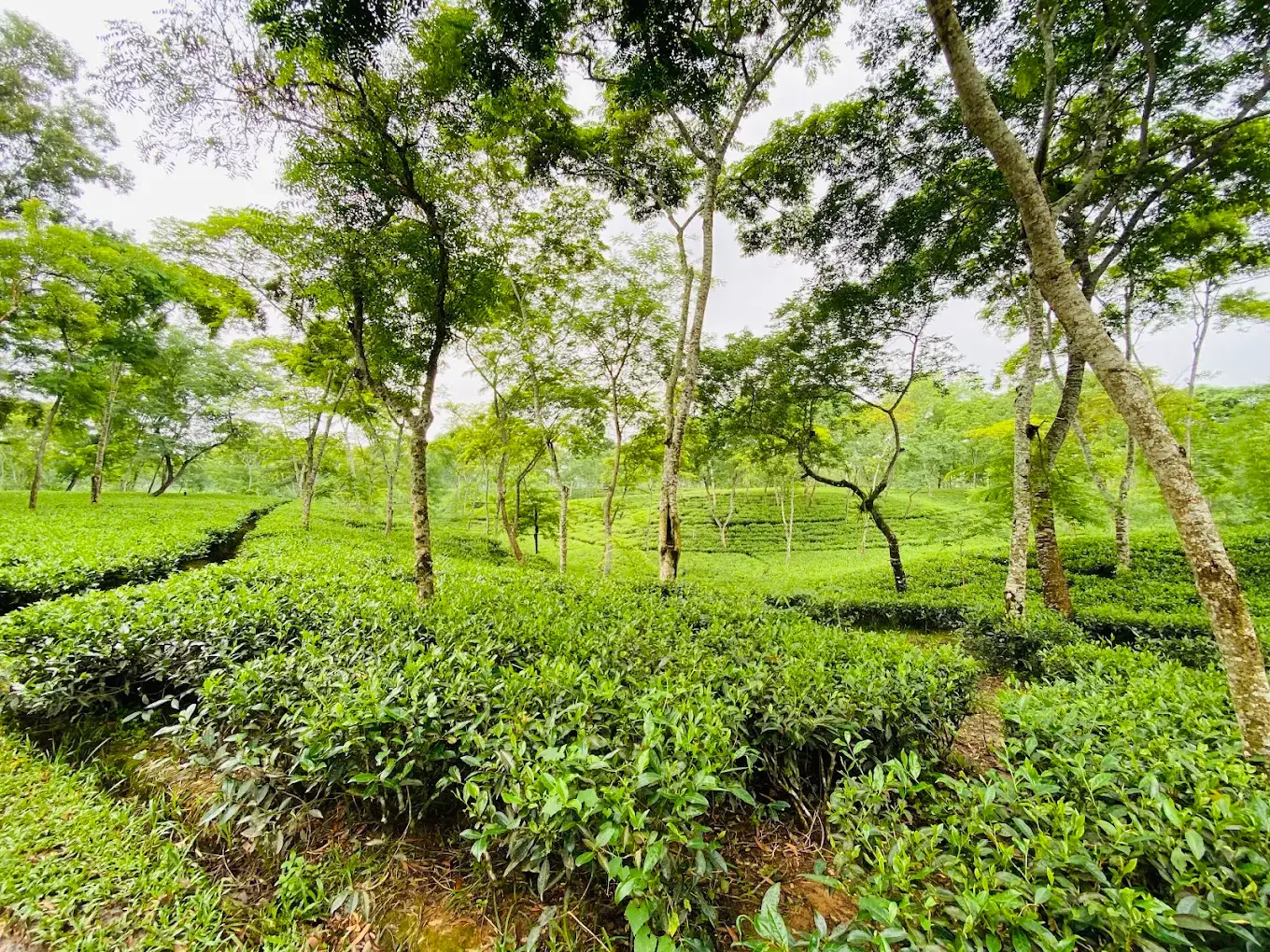
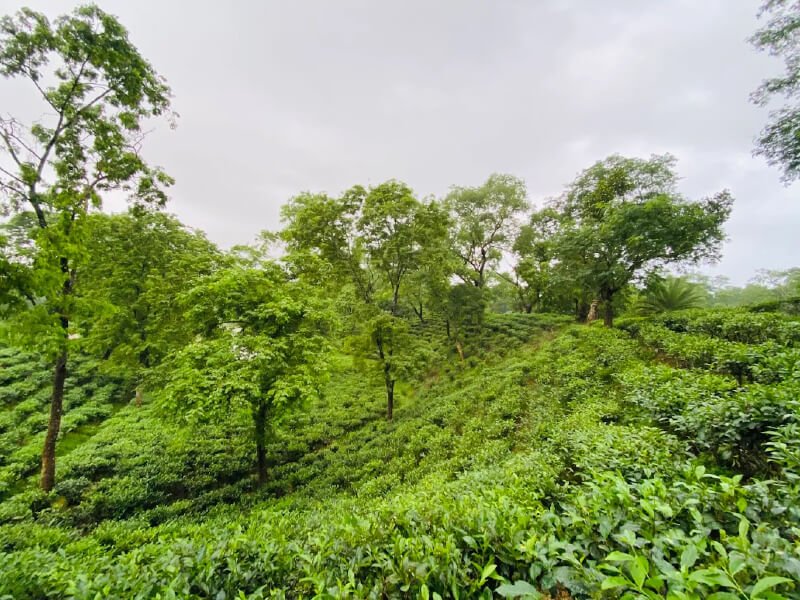
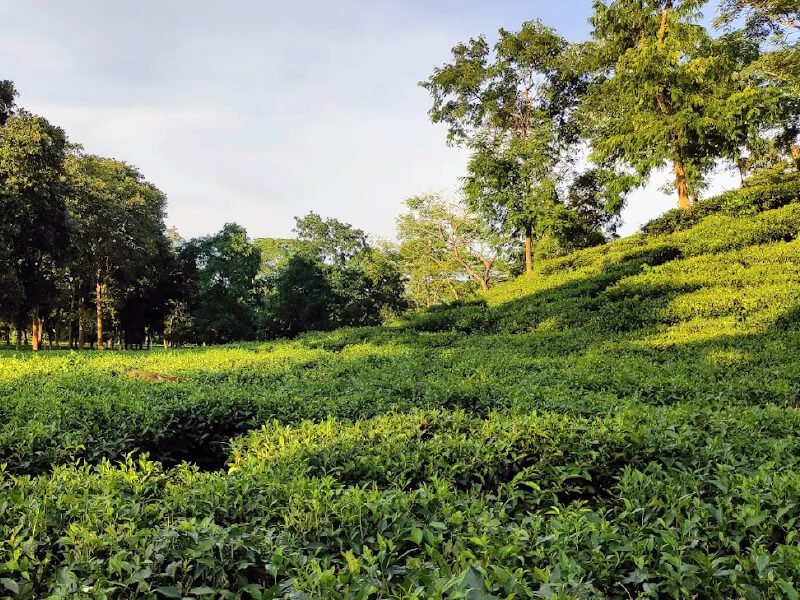
Ramgarh reveals a smaller and less formal tea-travel story within the Chittagong Hill Tracts. Green plots appear among hills near the Feni River and the international border. Because this is a sensitive border region and not a guaranteed public estate attraction, visitors must follow current local administration, security and land-access guidance. The natural layout across this estate stretches out over smooth, wave-like hills that create beautiful layers of bright green foliage stretching toward the horizon. The rich soil found throughout the hill tracts provides incredible nourishment for the tea plants, helping them grow thick, vibrant, and healthy season after season. Neatly pruned bushes follow the natural contours and dips of the earth, shaping the rugged terrain into a tidy, living carpet.
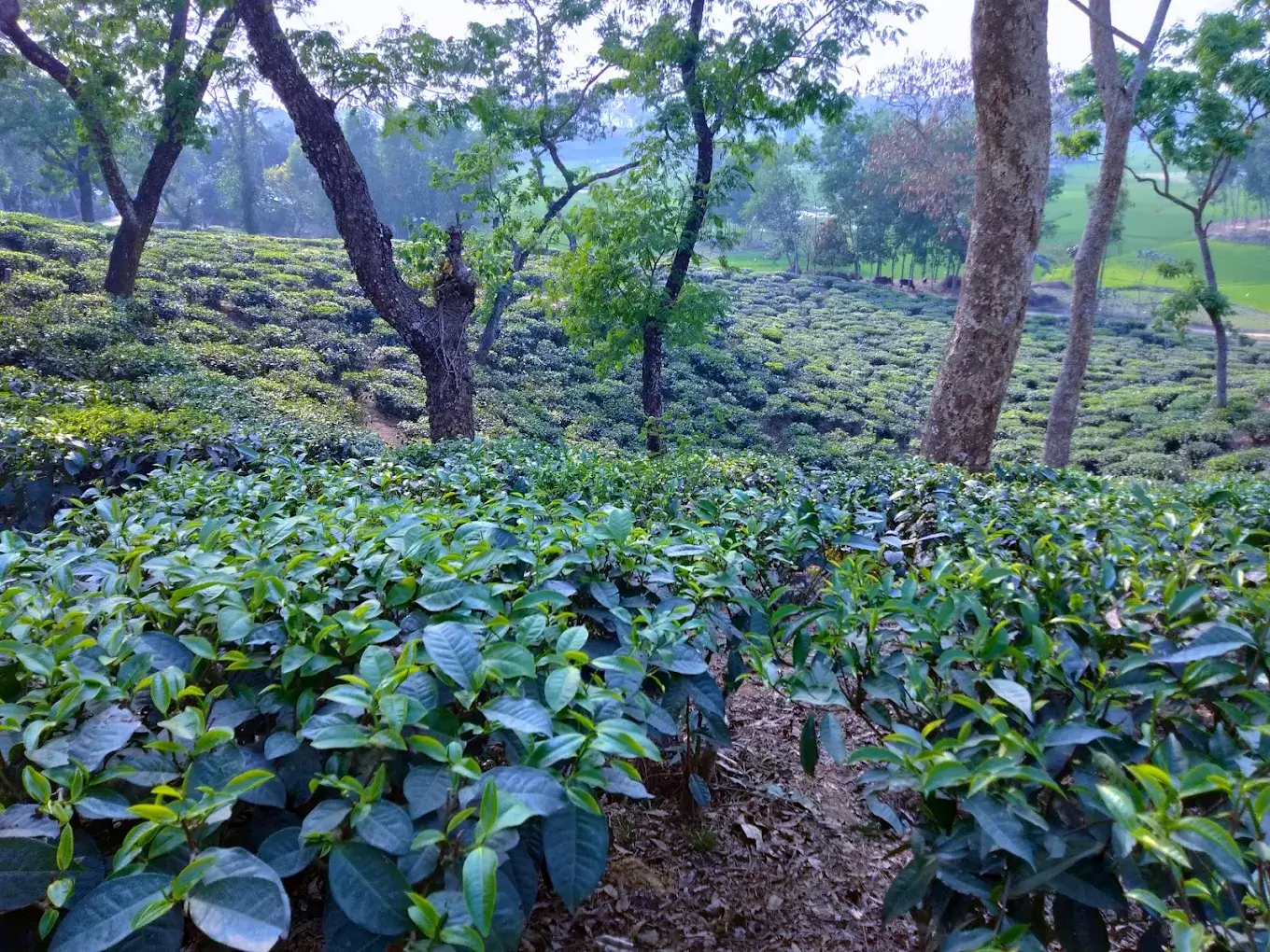
Above these structured rows stand tall shade trees whose wide, spreading arms shield the tender young leaves from the intense midday sunlight. When morning mists slowly rise from the low valleys, they wrap the garden in a refreshing coolness, leaving every leaf and spiderweb sparkling with tiny dewdrops. Behind this scenic and peaceful landscape is a dedicated community of workers who bring the garden to life with every sunrise. Many of the skilled pluckers reside in neighboring villages and belong to local hill communities who hold a deep, intuitive connection to the land. Each morning, they step out onto the winding trails carrying traditional woven bamboo baskets securely strapped to their backs.
With quick, practiced fingers that reflect generations of shared farming traditions, they gently handpick only the top two leaves and the unopened central bud. This careful and mindful harvesting technique ensures that the bushes stay healthy while securing the finest aroma and taste for the upcoming brew. Once the baskets are filled, the fresh harvest is gathered and delivered to processing facilities where classic methods transform the leaves into rich black tea. As afternoon slowly fades and evening shadows settle over the distant border hills, the plantation returns to a quiet and undisturbed slumber.
Immersive Experience
No 360° Videos available
Destination Gallery
Chandpur–Belgaon Tea Estate
An unexpected sweep of tea rises inland from southern Chattogram’s coast.
Explore More
Udalia Tea Garden
Tea rows, shade trees and diversified planting shape Chattogram’s northern countryside.
Explore More
Rangapani Tea Estate
Misted low hills and tea fields open beyond northern Chattogram’s busy corridors.
Explore More