

Kodala Tea Garden
River-country roads lead to a historic pocket of tea in Rangunia.
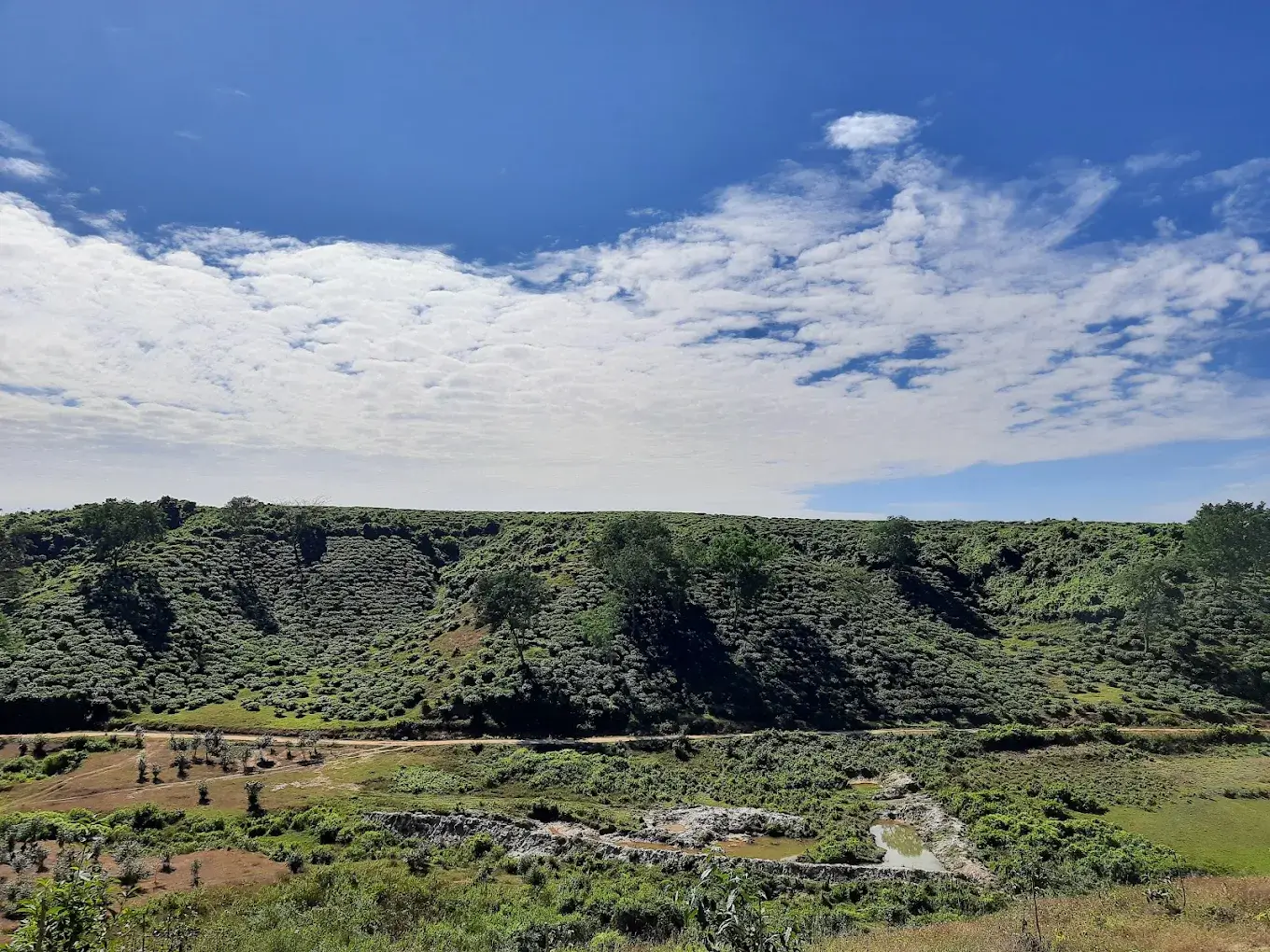
Leave the main road behind and enter the tea country of Rangunia—with permission, curiosity and time to explore.
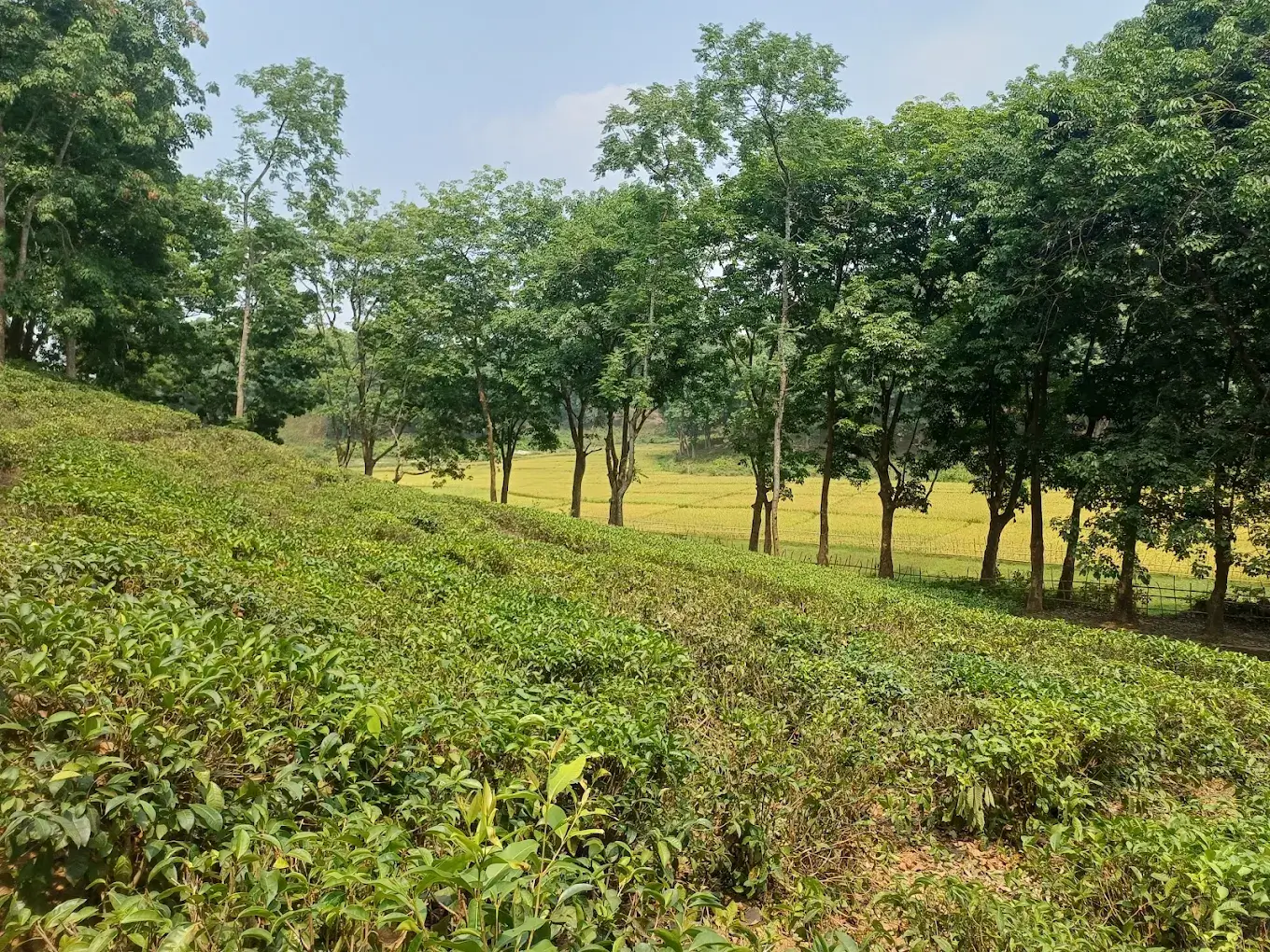
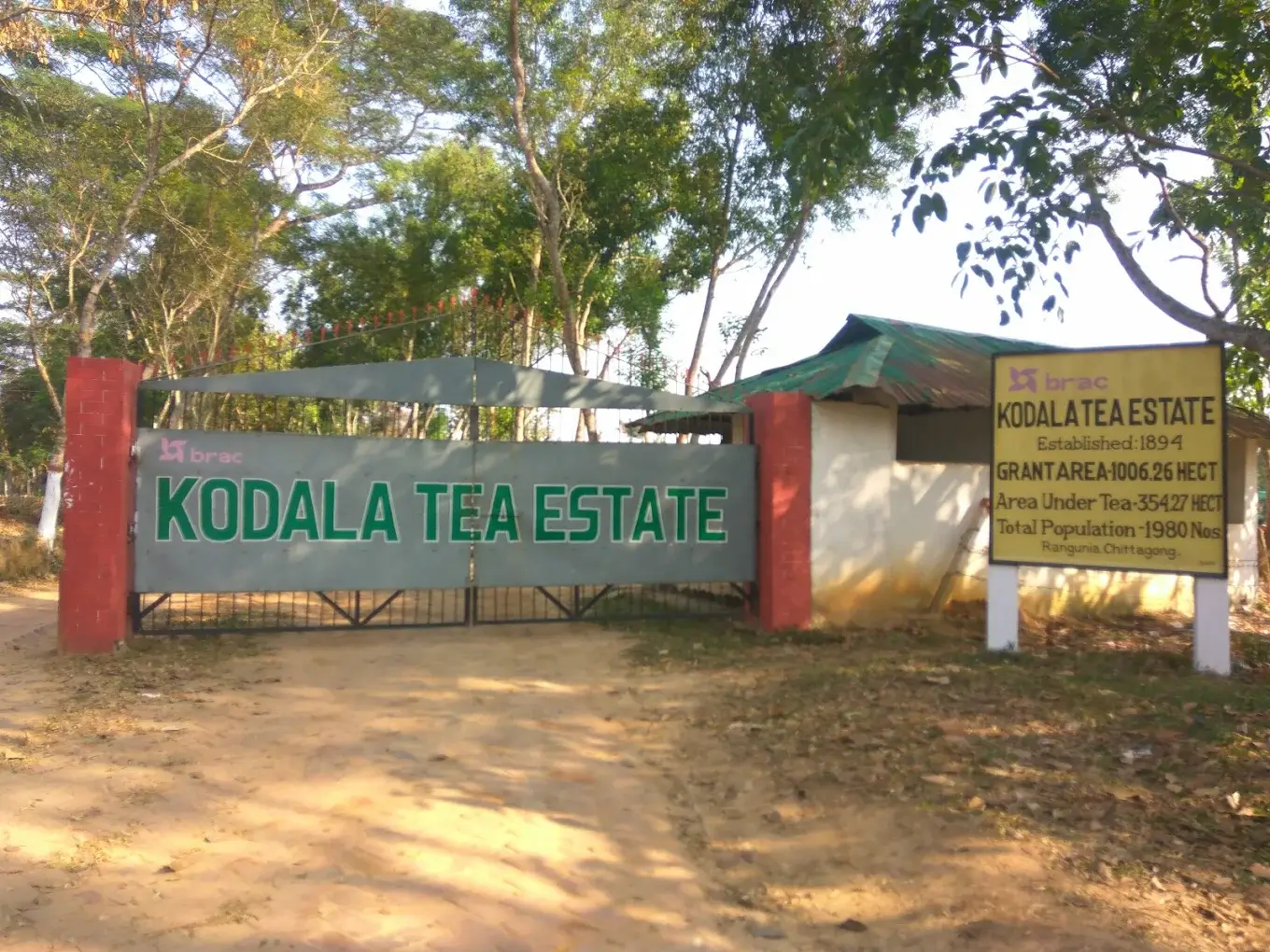
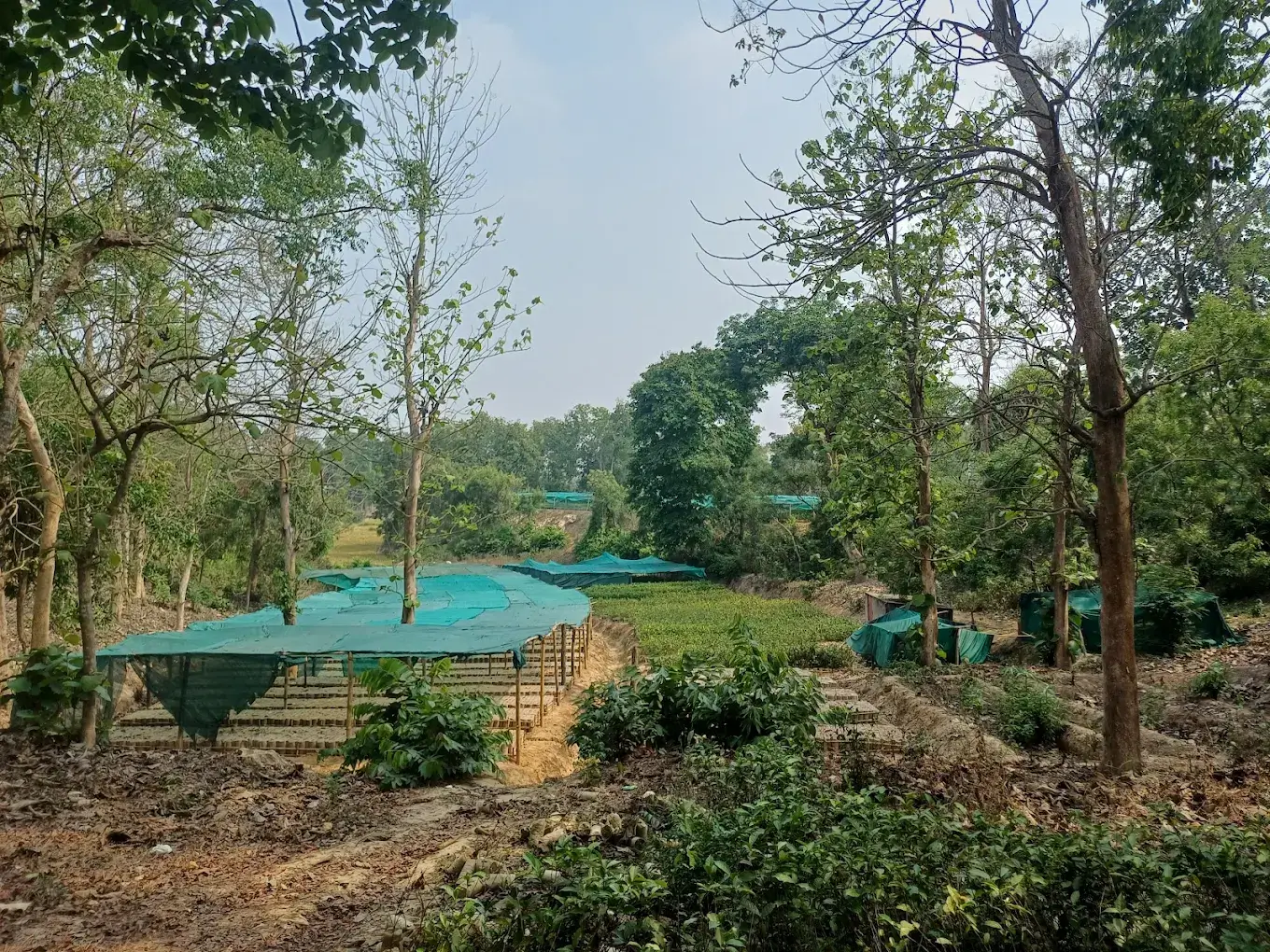
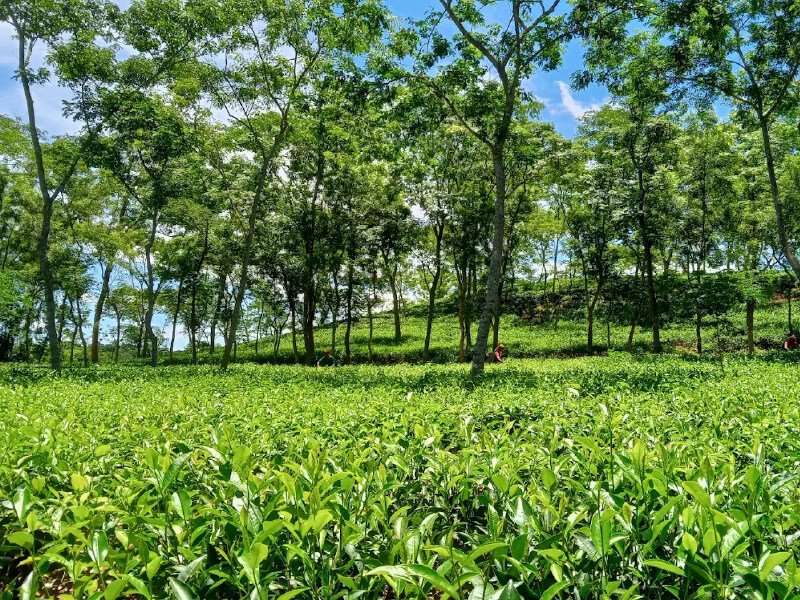
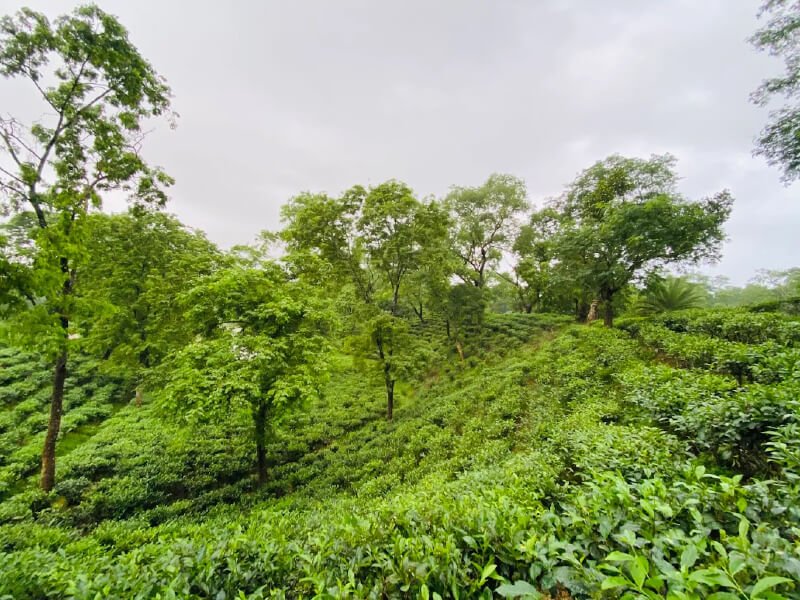
Kodala Tea Garden brings tea heritage into the Karnaphuli river country of Rangunia. The approach moves away from central Chattogram toward quieter roads, low hills and cultivated green. Historical accounts place tea activity here in the late nineteenth century, but today’s visitor experience depends on current management permission and safe local access. The landscape of the garden is truly shaped by its proximity to the mighty river. Gentle hillocks rise and fall in smooth waves across thousands of acres, carpeted in neatly trimmed green foliage that follows the natural contours of the earth. Because the estate rests right along the riverbank, it enjoys a unique local climate where cool morning mists drift up from the water to nourish the tea plants during warm seasons.
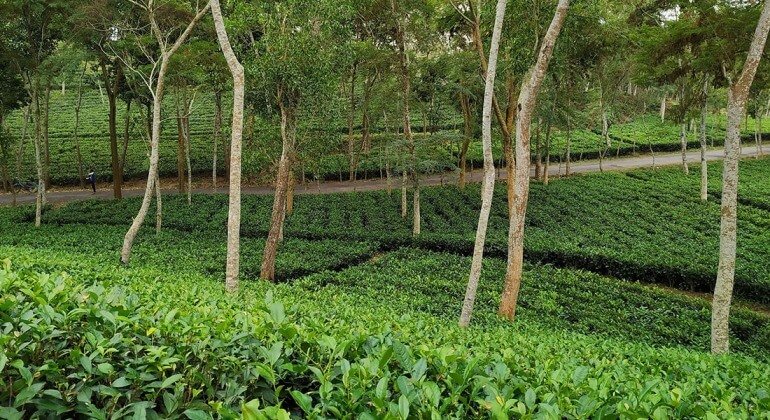
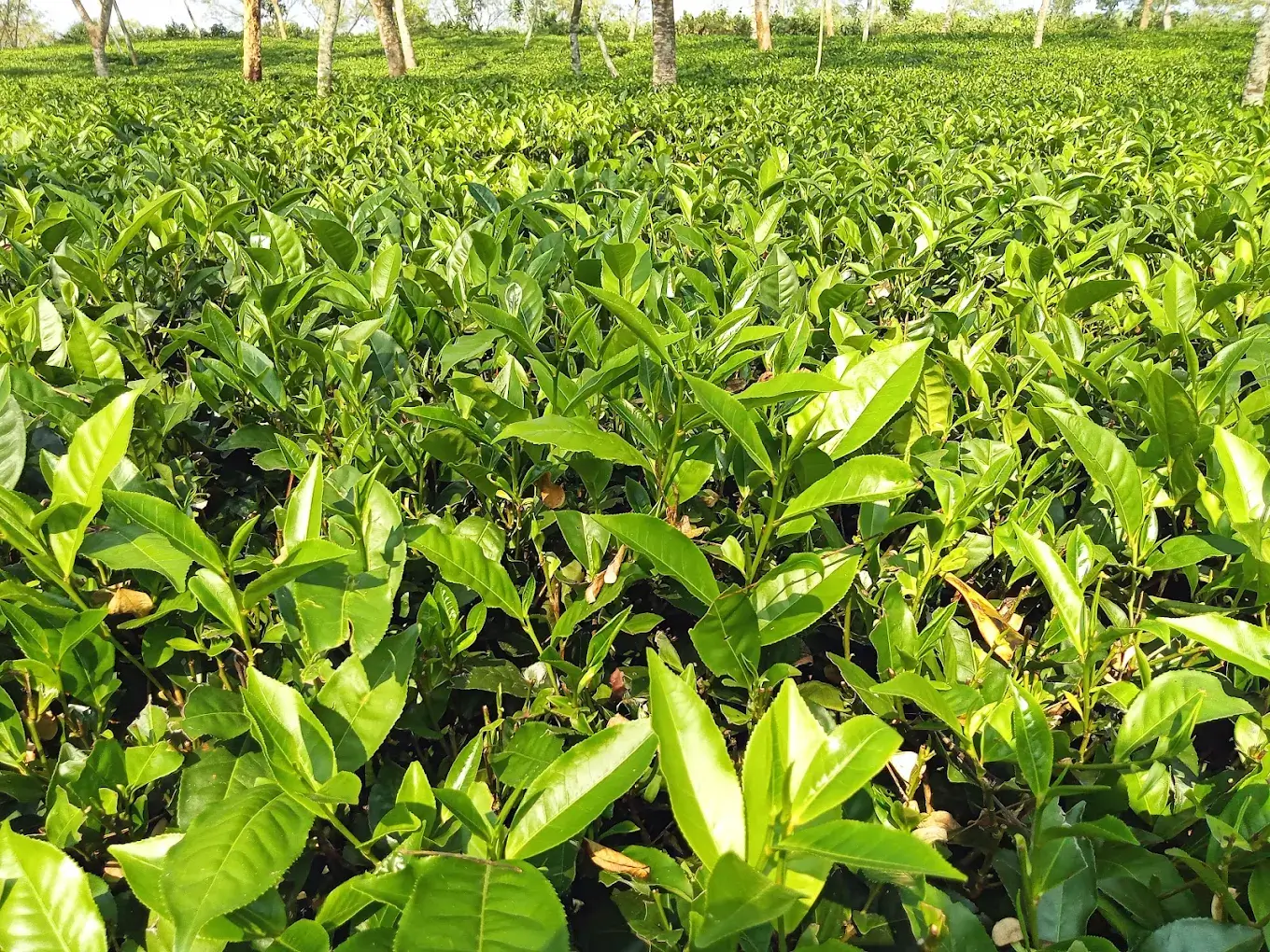
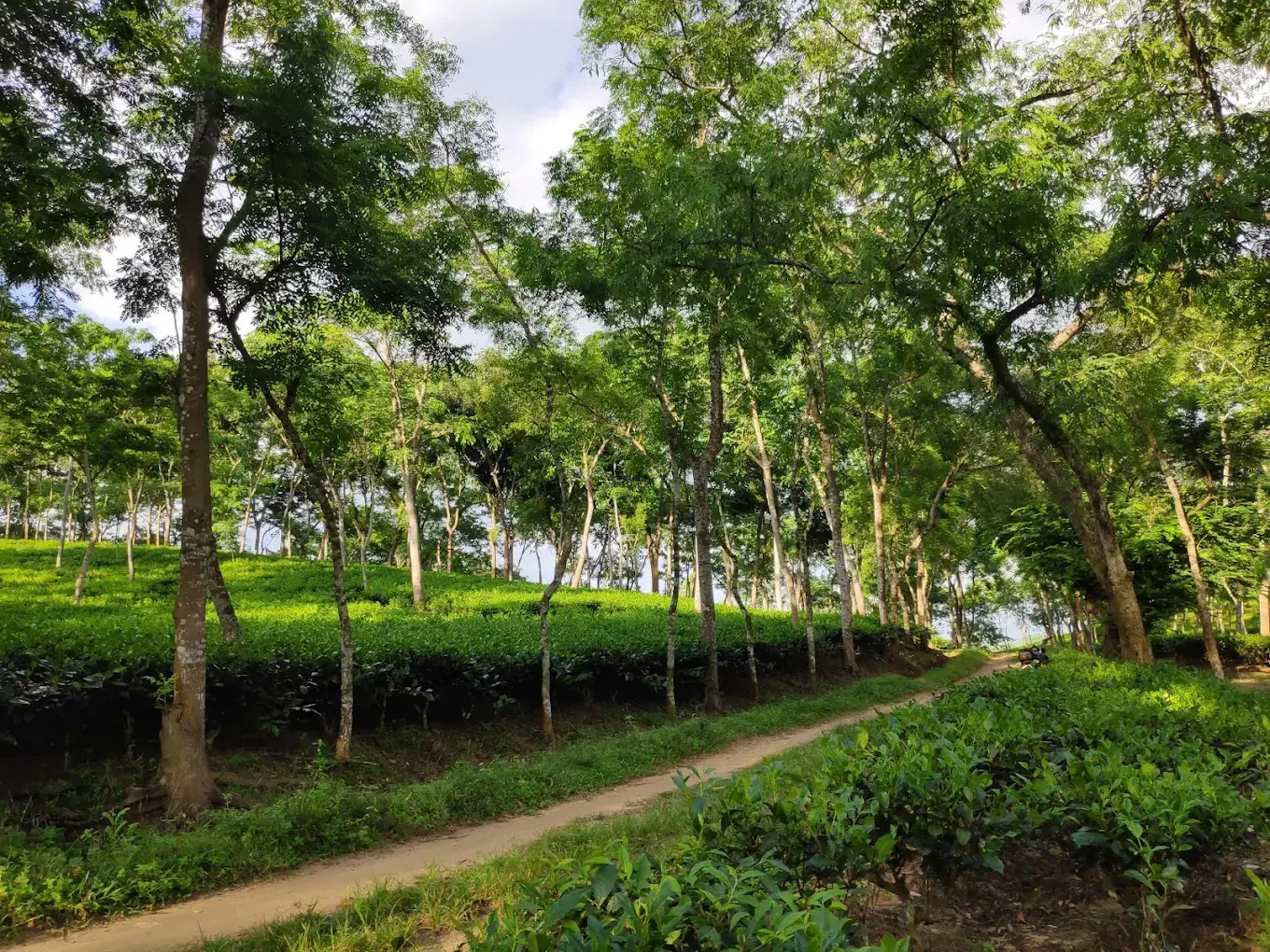
Tall, leafy shade trees with expansive canopies stand scattered across the hillsides, protecting tender young shoots from harsh afternoon sunlight while providing a sanctuary for local songbirds. Walking down the red dirt trails that curve through the bushes, one can hear the quiet rush of river currents blending harmoniously with the rustling of leaves in the breeze. At the core of this scenic plantation is a dedicated and hardworking community whose lives have been intertwined with the land for generations. Every morning as daylight breaks, skilled pluckers step into the dewy fields carrying traditional woven baskets strapped securely to their backs. Moving with incredible precision and rhythmic grace, they carefully handpick the uppermost tender leaves and unopened buds that will eventually yield a crisp, refreshing brew.
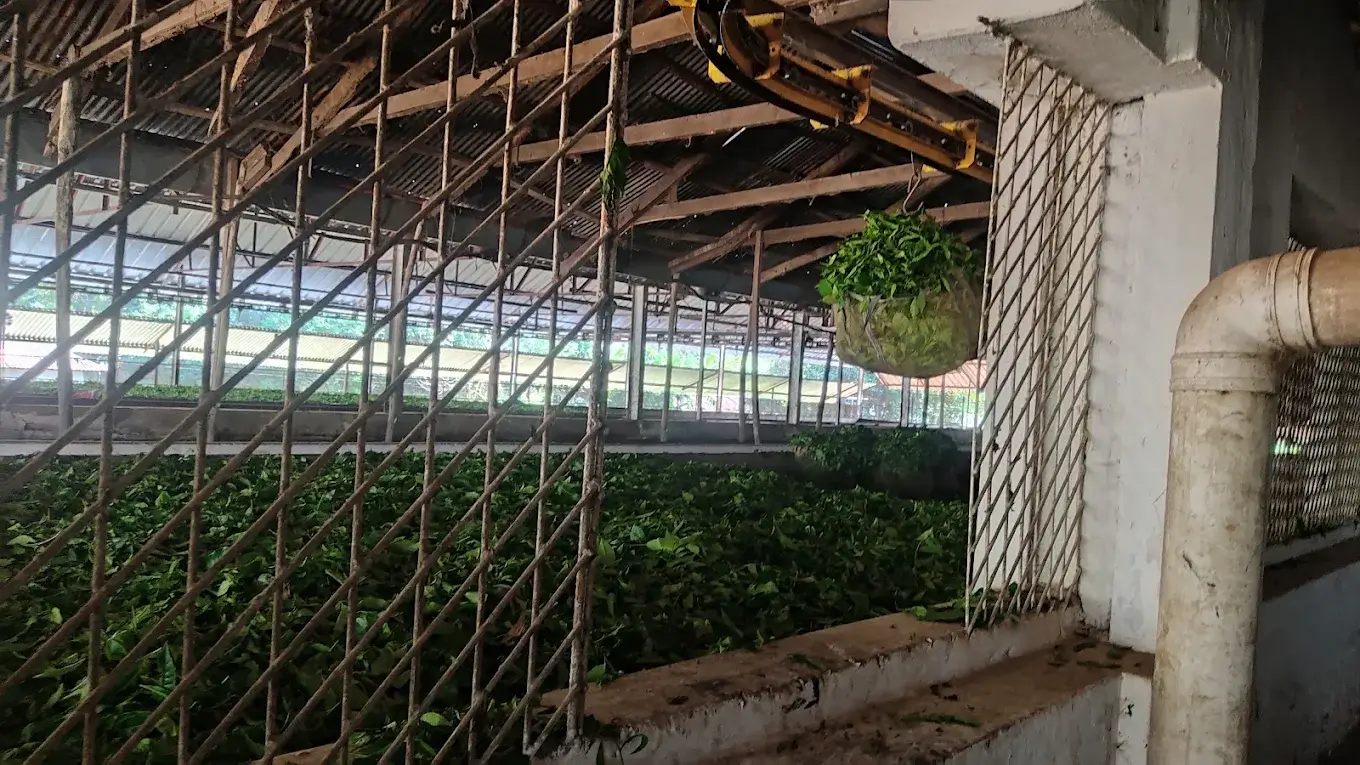
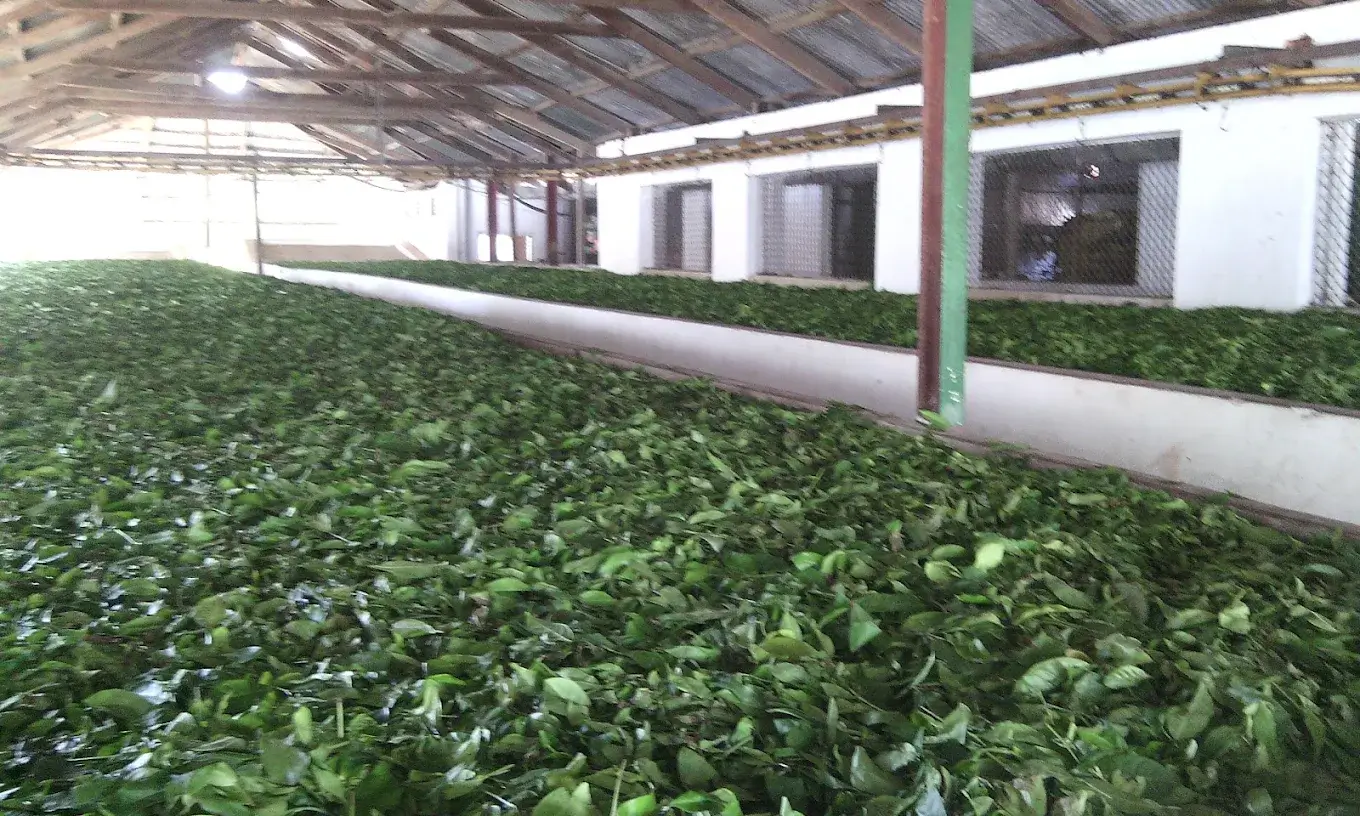
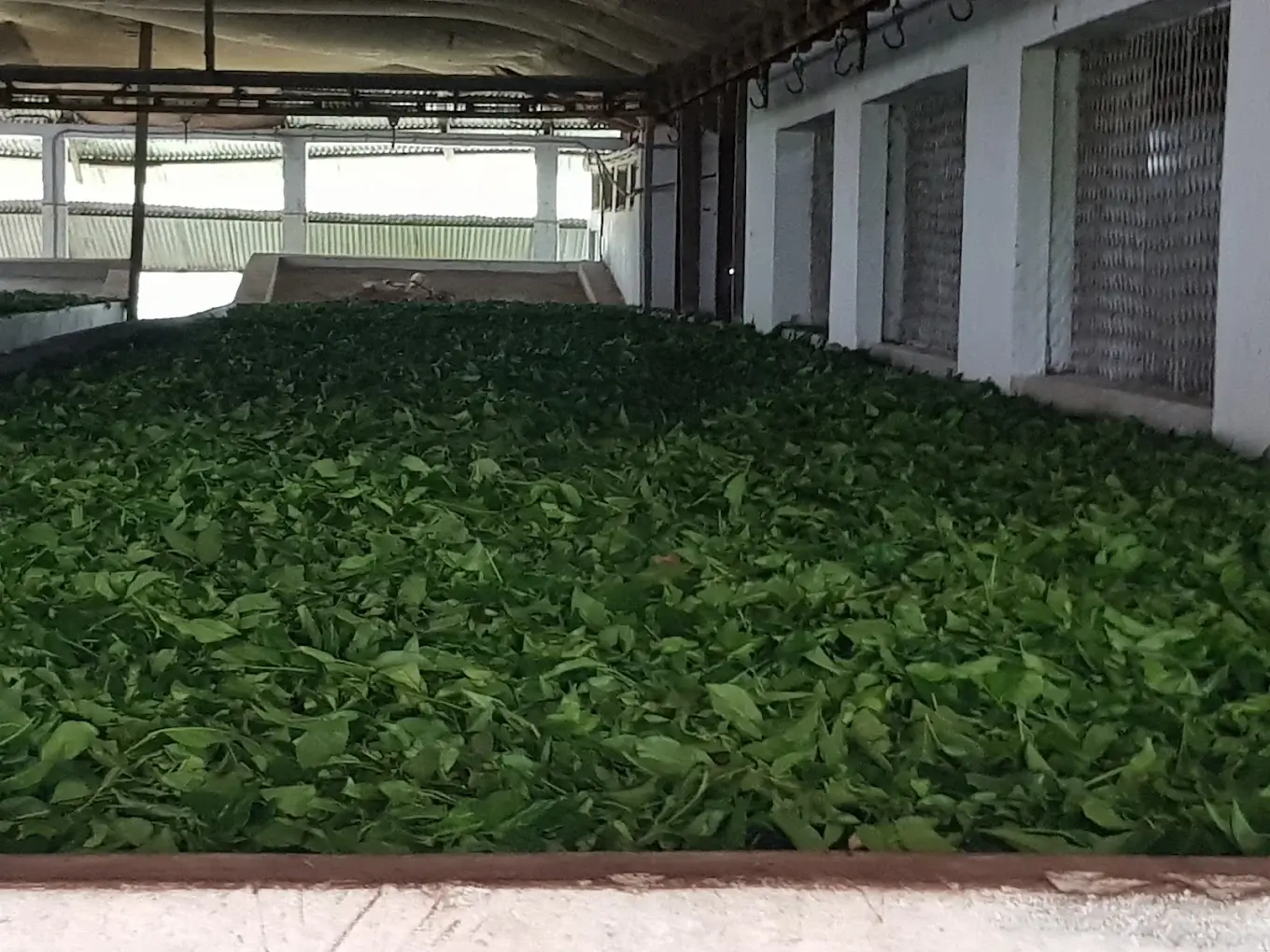
This daily harvest is a time-honored craft passed down through families who reside in peaceful garden villages situated directly within the estate. Once gathered and weighed, the green shoots are swiftly delivered to processing facilities where traditional methods of withering, rolling, and firing turn them into aromatic black tea bound for cups across the nation. Beyond its steady contribution to the country's tea industry, this historic garden has grown into a beloved destination for weekend travelers seeking the simple beauty of the rural countryside.
Immersive Experience
No 360° Videos available
Destination Gallery
Chandpur–Belgaon Tea Estate
An unexpected sweep of tea rises inland from southern Chattogram’s coast.
Explore More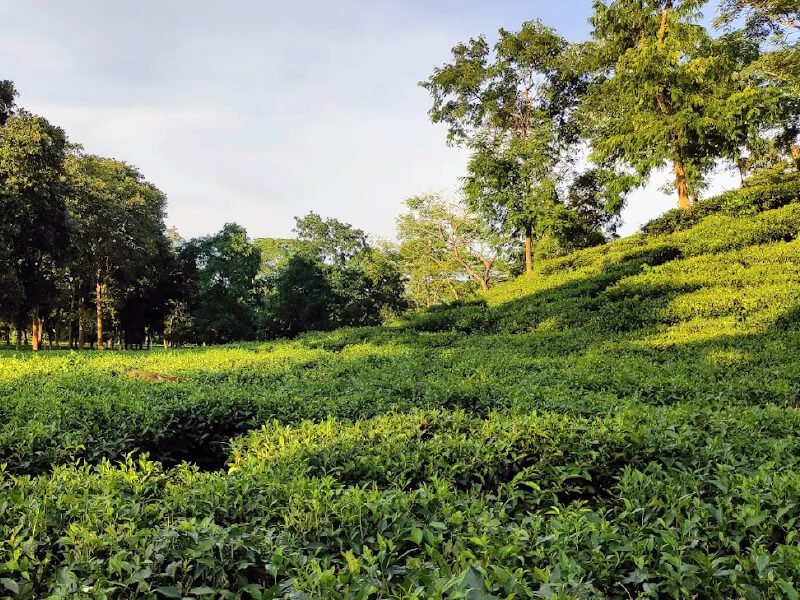
Udalia Tea Garden
Tea rows, shade trees and diversified planting shape Chattogram’s northern countryside.
Explore More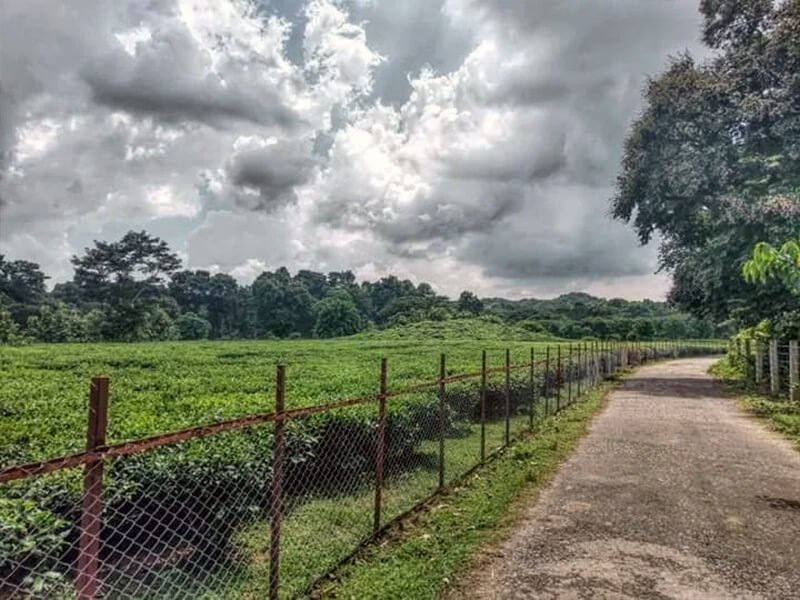
Rangapani Tea Estate
Misted low hills and tea fields open beyond northern Chattogram’s busy corridors.
Explore More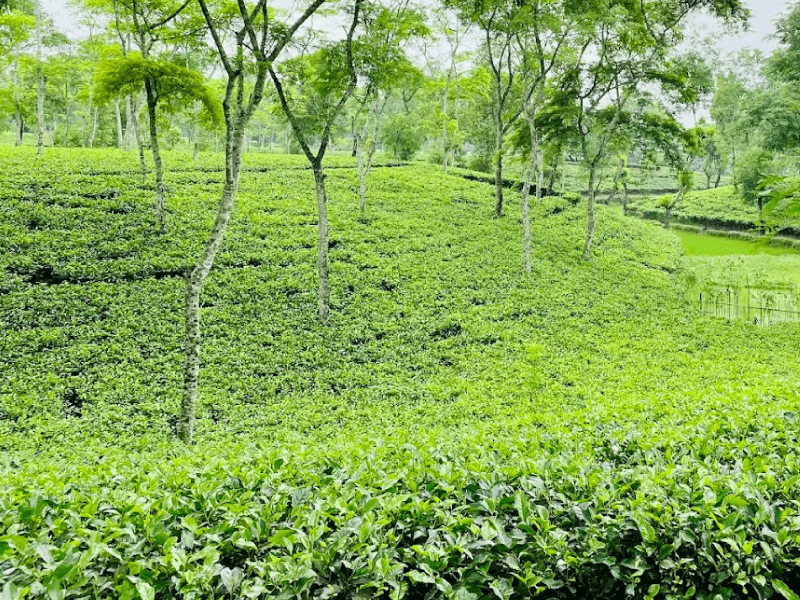
Ramgarh Tea-Growing Landscape
Tea cultivation appears among border hills, river bends and wide Hill Tracts skies.
Explore More