Tripura
Tripuri royal heritage and indigenous culture.
Echoes of the Manikya Dynasty
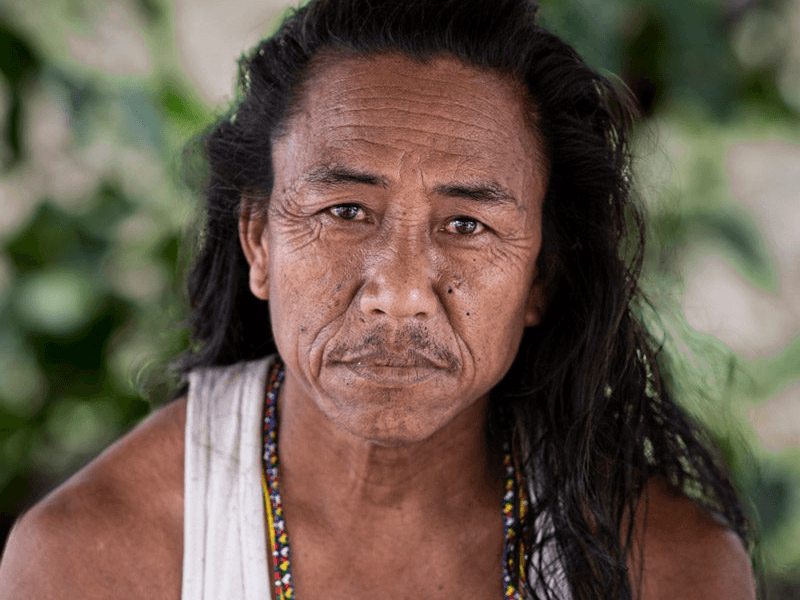
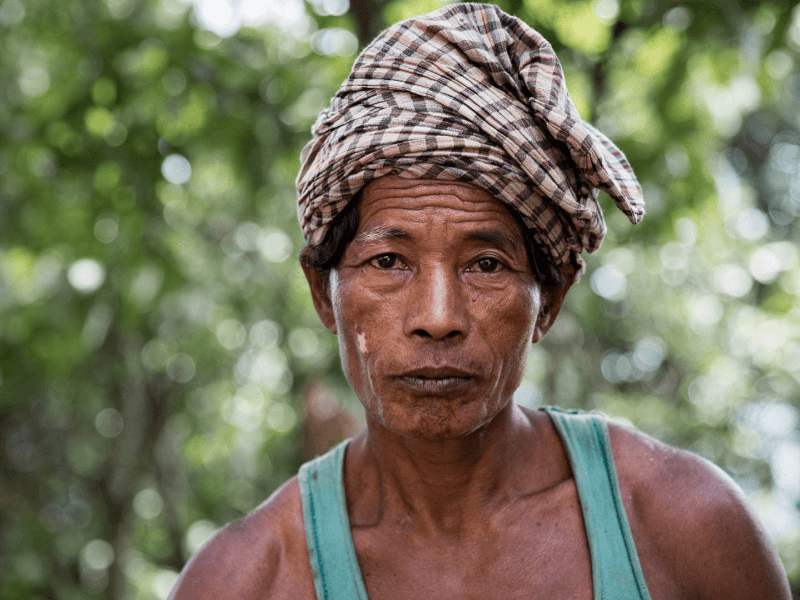
The Tripura people form the third largest small ethnic group in the Chittagong Hill Tracts of Bangladesh. Primarily inhabiting the lush rolling landscapes of the Khagrachari district, with significant populations also residing in Rangamati and Bandarban, this resilient community adds an extraordinary dimension to the rich cultural mosaic of the country. Visiting a Tripura village presents a rare opportunity to witness a lifestyle where ancient royal heritage and vibrant traditional practices are preserved with immense pride. The welcoming nature of the Tripura people ensures that every visitor feels an immediate sense of belonging.
The historical roots of the Tripura community are deeply intertwined with the ancient Manikya dynasty, which once ruled the expansive Tripura Kingdom for many centuries. Today, their social structure is organized into various distinct clans known locally as Dofas, numbering over thirty six, each carrying its own unique heritage and customs.
The society is traditionally patriarchal, with family lineage and inheritance following the male line, yet the community places a profound emphasis on communal harmony and collective welfare. A traditional village is often led by a village headman or Karbari who resolves disputes and ensures that ancient customs are upheld.
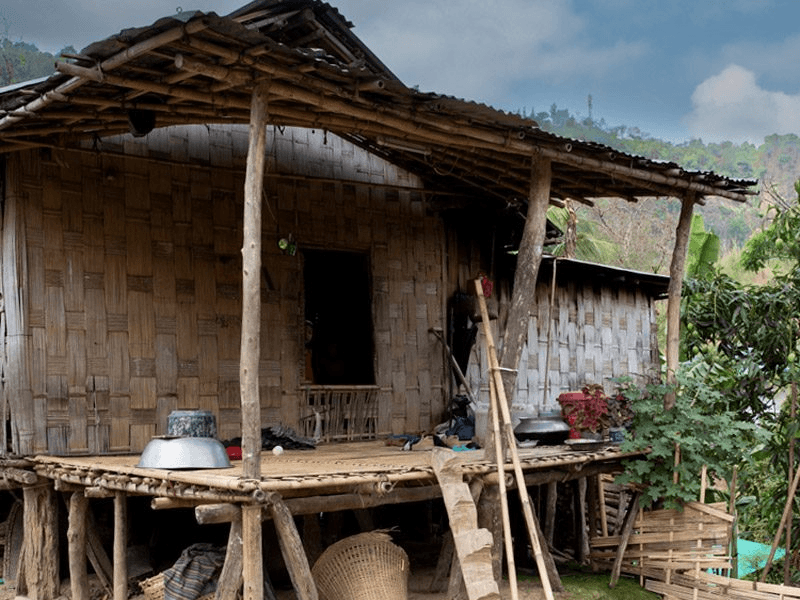
Historically, the Tripura people relied on the traditional shifting agriculture known as Jhum cultivation, utilizing the fertile hill slopes to grow rice, vegetables, and cotton. While many have now transitioned to modern farming and various professional sectors, their profound connection to the land and nature remains a defining characteristic of their daily lives. Their homesteads are typically built to foster close social interaction, featuring open courtyards where families gather to share stories, prepare food, and celebrate their enduring cultural legacy.
Tripura community speaks Kokborok, a rich and melodic language belonging to the Tibeto Burman language family. Kokborok serves as a powerful vessel for their oral histories, folk tales, and ancestral wisdom. The government of Bangladesh has actively supported the preservation of this language by introducing primary education materials in Kokborok, ensuring that the younger generations remain deeply connected to their linguistic roots.
In terms of spirituality, the Tripura people practice a unique and fascinating blend of mainstream Hinduism and ancient animistic traditions. While they revere widely recognized Hindu deities such as Shiva and Kali, they simultaneously worship their traditional ancestral gods, most notably the fourteen deities central to their historical faith. This beautiful syncretism is evident in their daily rituals, where offerings are made to nature spirits, rivers, and forests alongside traditional temple worship. This dual spiritual heritage provides a deeply captivating insight into how ancient faiths can harmoniously coexist with broader religious philosophies. Visiting their serene village shrines offers a moment of profound peace and spiritual reflection.
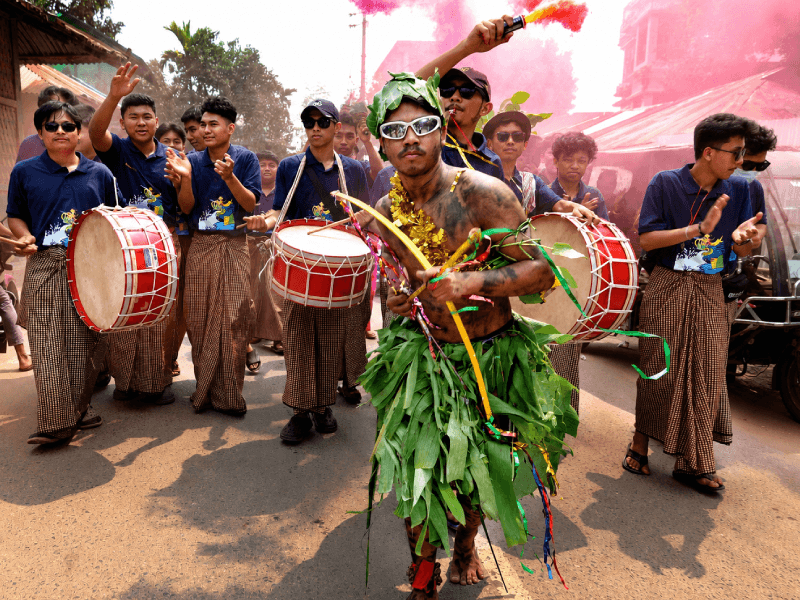
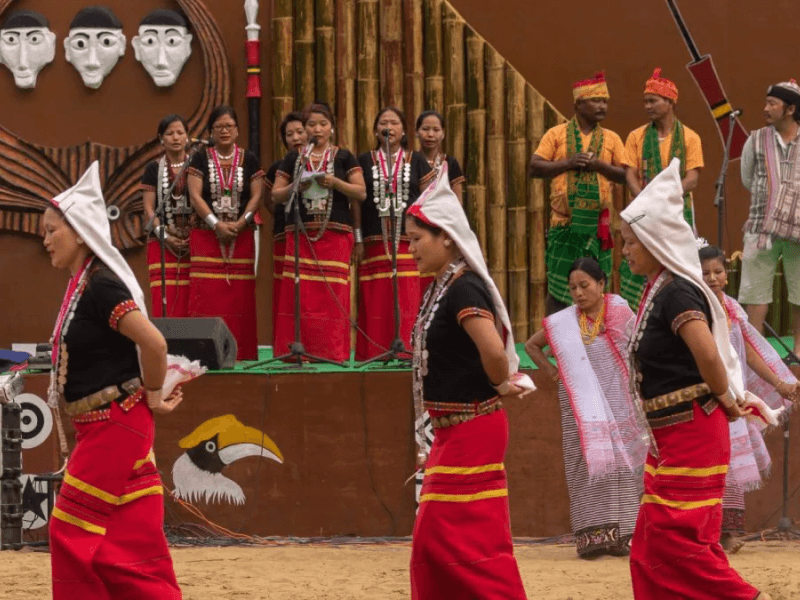
The cultural brilliance of the Tripura people is most vividly displayed during their traditional celebrations, with the Baisuk festival being the undisputed highlight. Celebrated to mark the new year, Baisuk is a multiday extravaganza of joy, vibrant colors, and rhythmic music. During this time, the community engages in the famous Goraiya dance, a mesmerizing and highly energetic group performance that symbolizes prosperity and communal unity. Dancers move rhythmically from house to house, creating an atmosphere of cultural festivity.
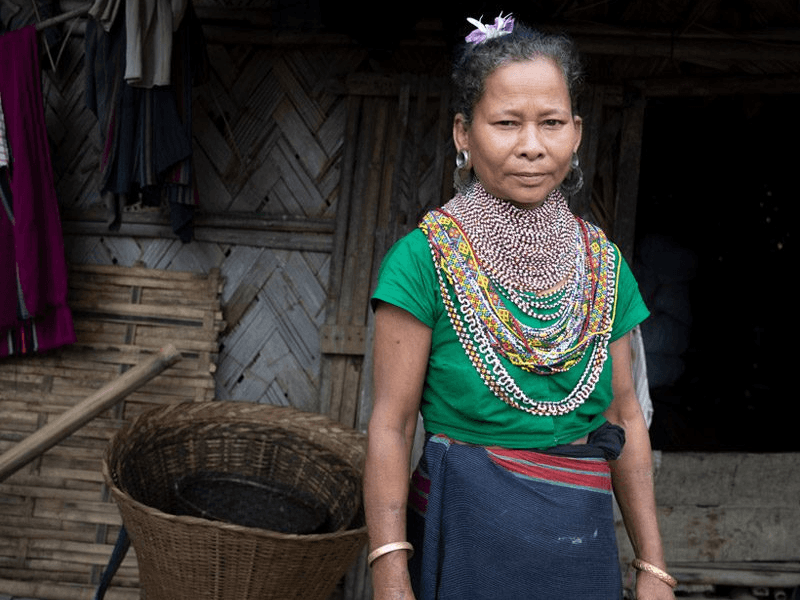
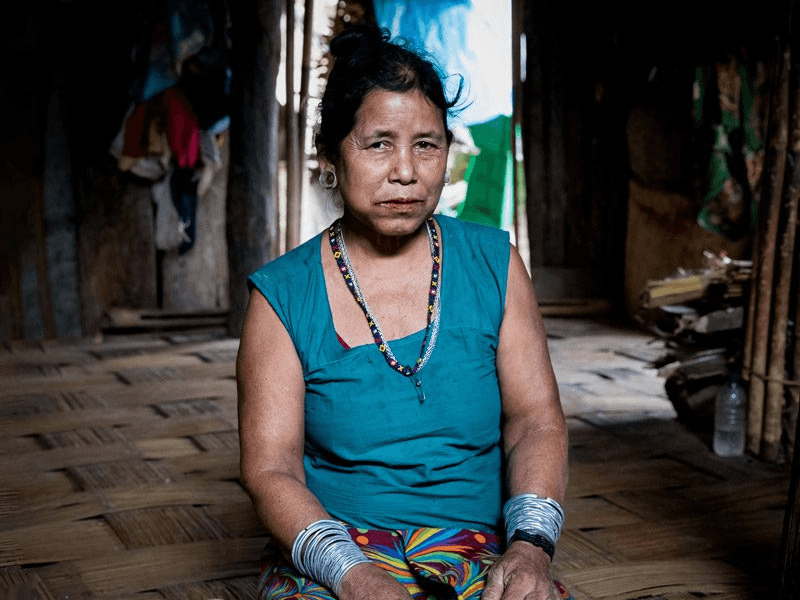
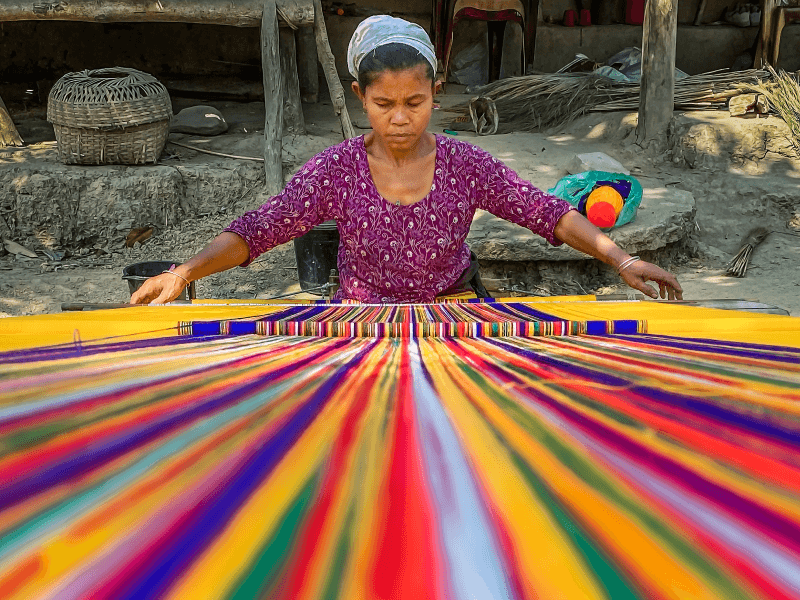
The artistic heritage of the Tripura women is equally remarkable, particularly their mastery of traditional weaving. They skillfully weave their signature attire, which includes the Rignai, an elegant wrap-around lower garment, and the Risa, a beautifully patterned upper cloth. Beyond textiles, Tripura women are widely celebrated across the region for their exquisite traditional jewelry. They adorn themselves with heavy, intricately crafted silver ornaments and striking necklaces made entirely of vintage silver coins. This unique jewelry making tradition, combined with their vibrant textiles and warm hospitality, makes the Tripura community a truly unforgettable cultural treasure for global travelers.
Immersive Experience
No 360° Videos available
Destination Gallery