
Explore Bangladesh
Marma
A Living Heritage of the Hills of Bangladesh
Where Faith, Colour and Community Flow Together
The Marma people constitute the second largest small ethnic group in the Chittagong Hill Tracts of Bangladesh. Primarily residing in the majestic hilly landscapes of the Bandarban and Khagrachari districts, the Marma community is a vibrant symbol of resilience, peace, and cultural richness. To explore the southeastern corners of Bangladesh, encountering the Marma way of life offers a deeply immersive experience into a world where ancient traditions seamlessly blend with breathtaking natural beauty.
Historically, the Marma people trace their roots to the Arakan region, having migrated to the Chittagong Hill Tracts centuries ago. They are socially organized under two traditional administrative circles known as the Bohmong Circle in Bandarban and the Mong Circle in Khagrachari. The Marma society is traditionally patriarchal, where descent and inheritance typically follow the male line, yet women hold significant respect and play vital economic and social roles within the community.
One of the most visually striking aspects of Marma heritage is their traditional architecture. They live in elevated bamboo or wooden stilt houses locally called Machang. These structures are ingeniously designed to allow cooling breezes to flow through during the humid tropical summers while protecting the inhabitants from monsoon floods and wild animals. Their daily lives are intimately connected to the rivers and forested hills, relying on traditional shifting agriculture known as Jhum cultivation alongside skilled riverine fishing and foraging.
The linguistic heritage of the Marma community is deeply tied to the Tibeto Burman language family. They speak a beautiful Arakanese dialect and proudly possess their own written script, which closely resembles the Burmese alphabet. This linguistic identity is a point of great pride and is actively preserved through community teachings and state supported educational initiatives aimed at celebrating local heritage.
In terms of spiritual beliefs, the Marma people are devout practitioners of Theravada Buddhism. Every Marma village is anchored by a beautifully constructed Buddhist temple known as a Kiyang, which serves as a center for religious learning and community gatherings. These serene temples, often adorned with golden spires and intricate wood carvings, provide a tranquil sanctuary for both locals and visiting tourists seeking peaceful reflection. Alongside their Buddhist faith, the Marma gracefully maintain ancient animistic beliefs, paying homage to nature spirits called Nats that are believed to reside in ancient trees, rivers, and mountains.
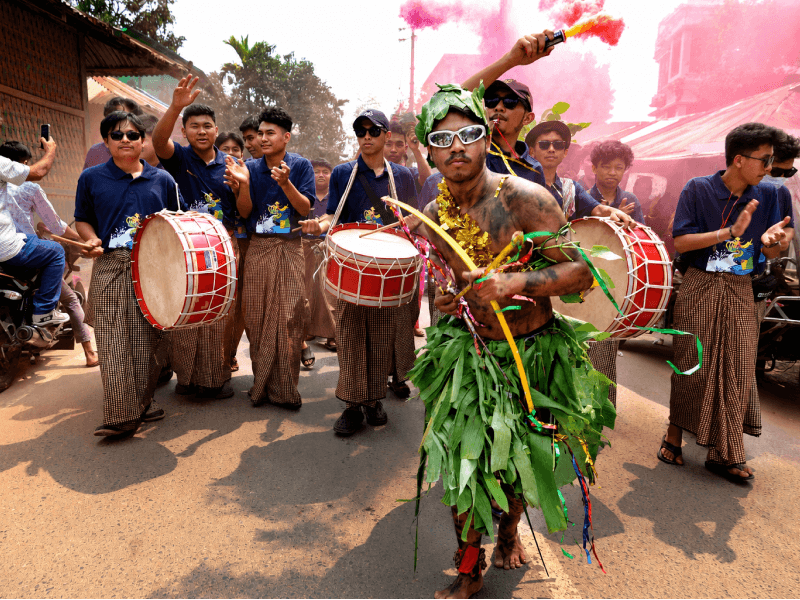
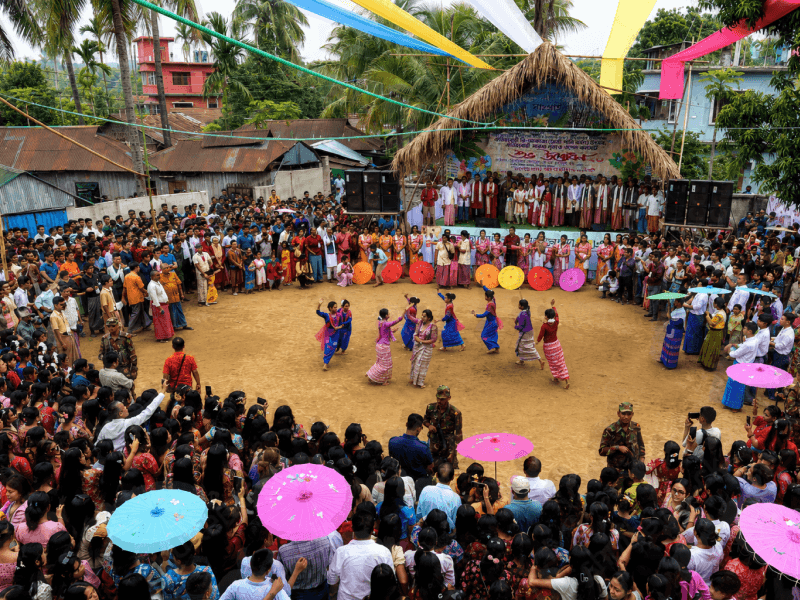
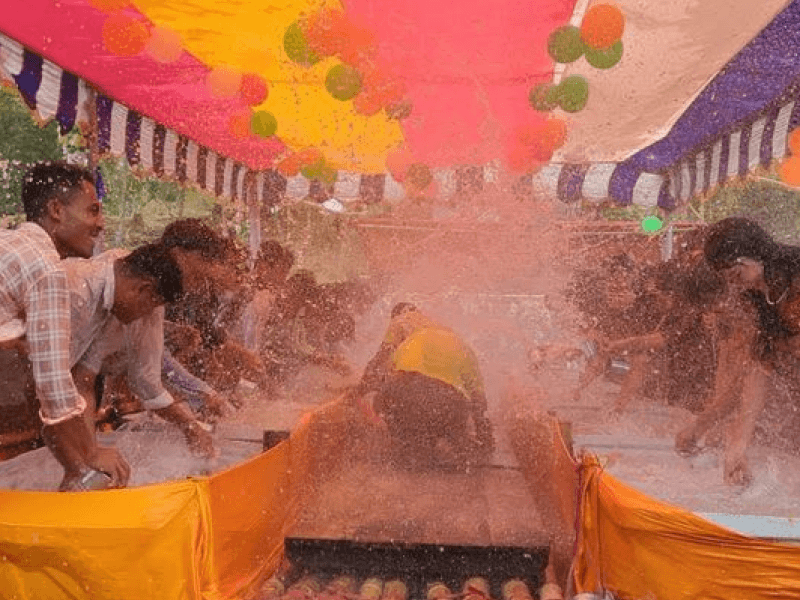
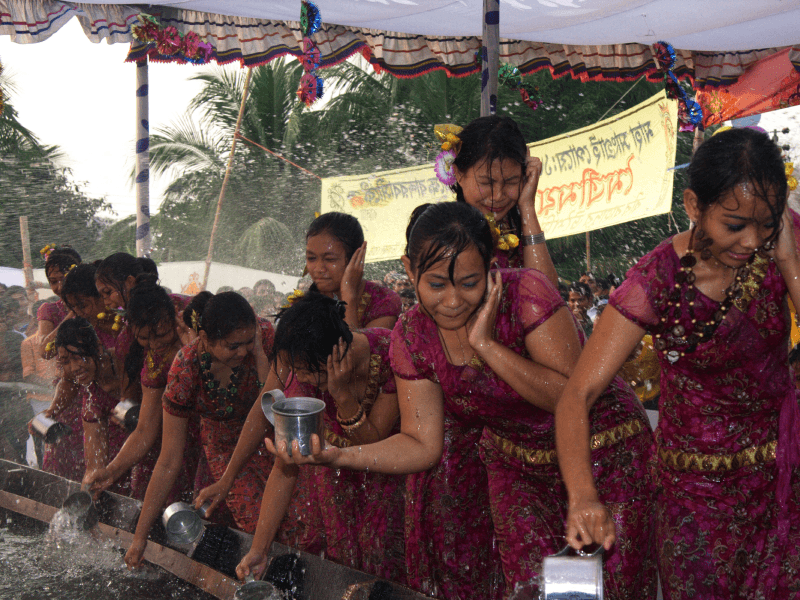
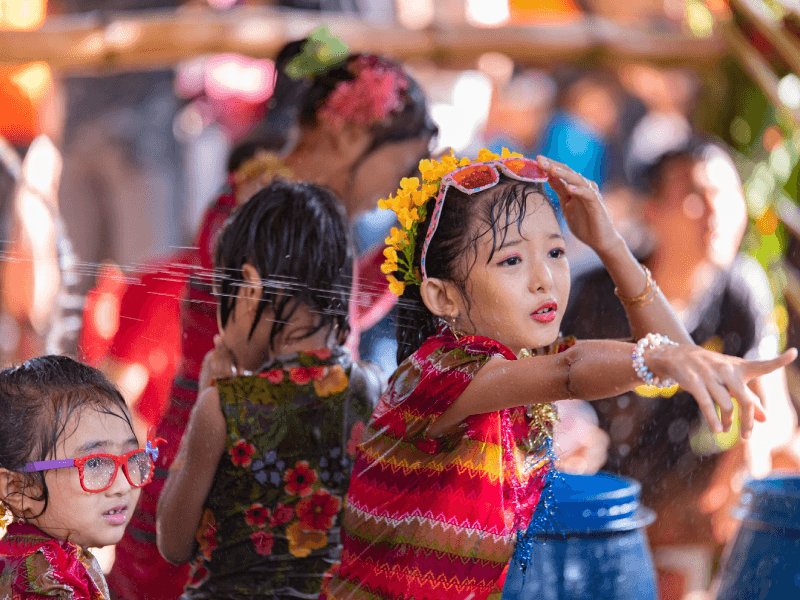
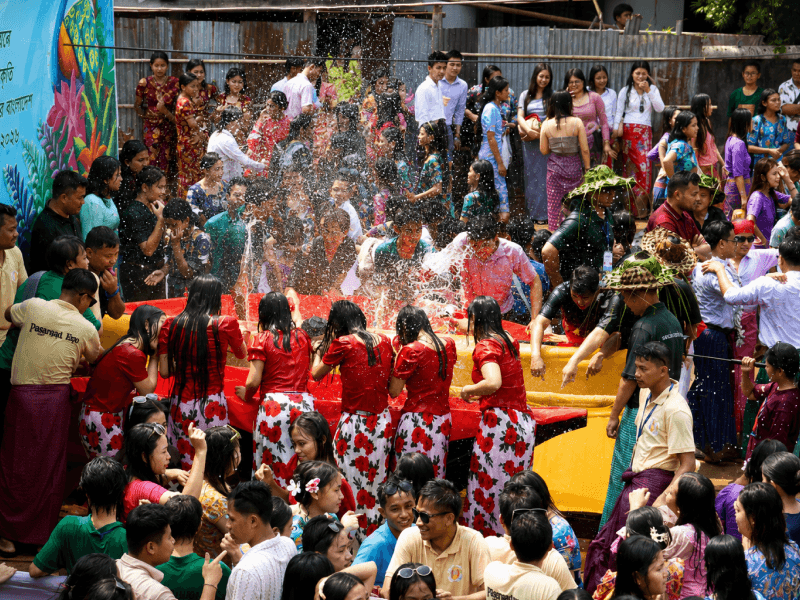
The cultural brilliance of the Marma people truly shines during their communal celebrations, the most spectacular being Sangrai. Celebrated during the spring new year in mid April, Sangrai is a visually magnificent festival that draws visitors from all over the world. The highlight of this celebration is the joyful water splashing ritual where young men and women playfully douse each other with water to wash away the sorrows and impurities of the previous year. It is a time of immense joy, traditional music, and vibrant communal feasts featuring unique regional dishes.
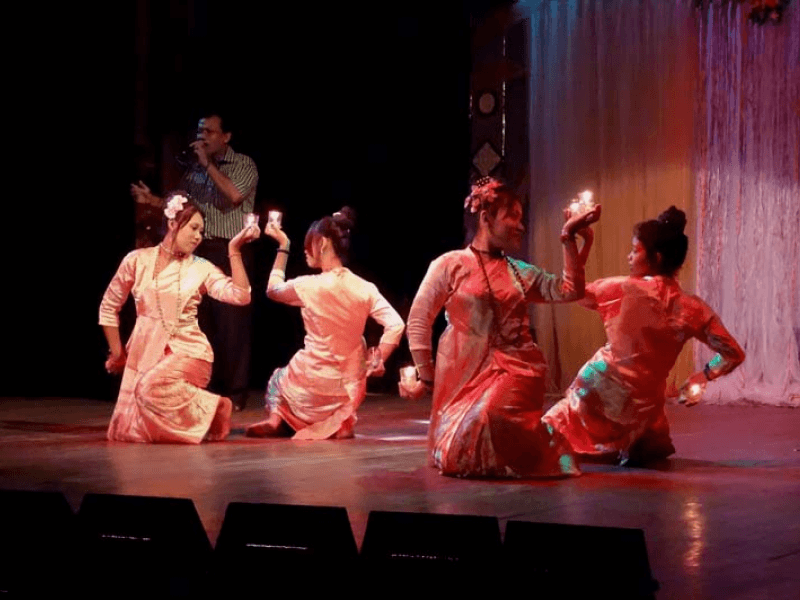
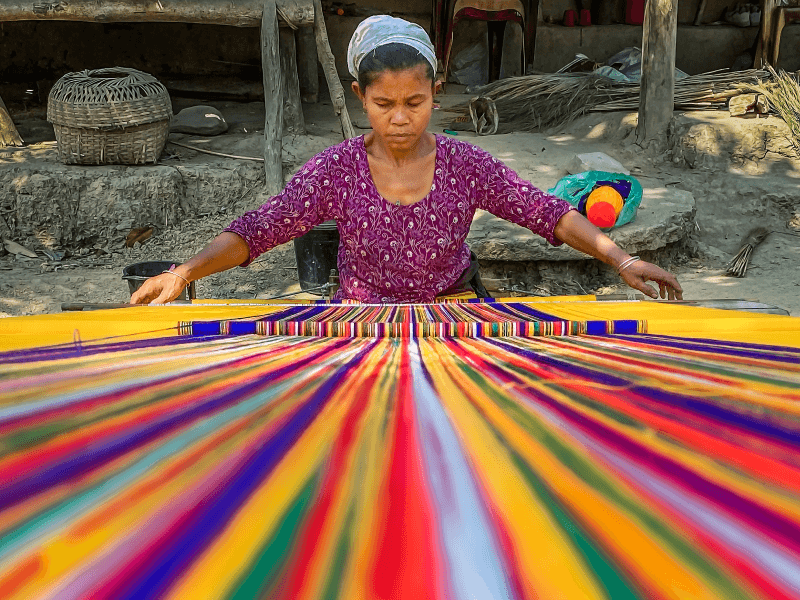
Marma women are also celebrated for their extraordinary skills in backstrap loom weaving. They meticulously weave their signature attire, the Thami, which is an elegant and brightly colored wrap around skirt adorned with intricate geometric patterns. Paired with a tailored blouse called an Angi, the traditional dress is a stunning testament to their artistic heritage. Visitors are consistently captivated by their exquisite craftsmanship, not only in textiles but also in their delicate bamboo and cane work, making Marma villages a remarkable treasure trove of living art and heritage.
The Marma people constitute the second largest small ethnic group in the Chittagong Hill Tracts of Bangladesh. Primarily residing in the majestic hilly landscapes of the Bandarban and Khagrachari districts, the Marma community is a vibrant symbol of resilience, peace, and cultural richness. To explore the southeastern corners of Bangladesh, encountering the Marma way of life offers a deeply immersive experience into a world where ancient traditions seamlessly blend with breathtaking natural beauty.
Historically, the Marma people trace their roots to the Arakan region, having migrated to the Chittagong Hill Tracts centuries ago. They are socially organized under two traditional administrative circles known as the Bohmong Circle in Bandarban and the Mong Circle in Khagrachari. The Marma society is traditionally patriarchal, where descent and inheritance typically follow the male line, yet women hold significant respect and play vital economic and social roles within the community.
One of the most visually striking aspects of Marma heritage is their traditional architecture. They live in elevated bamboo or wooden stilt houses locally called Machang. These structures are ingeniously designed to allow cooling breezes to flow through during the humid tropical summers while protecting the inhabitants from monsoon floods and wild animals. Their daily lives are intimately connected to the rivers and forested hills, relying on traditional shifting agriculture known as Jhum cultivation alongside skilled riverine fishing and foraging.
The linguistic heritage of the Marma community is deeply tied to the Tibeto Burman language family. They speak a beautiful Arakanese dialect and proudly possess their own written script, which closely resembles the Burmese alphabet. This linguistic identity is a point of great pride and is actively preserved through community teachings and state supported educational initiatives aimed at celebrating local heritage.
In terms of spiritual beliefs, the Marma people are devout practitioners of Theravada Buddhism. Every Marma village is anchored by a beautifully constructed Buddhist temple known as a Kiyang, which serves as a center for religious learning and community gatherings. These serene temples, often adorned with golden spires and intricate wood carvings, provide a tranquil sanctuary for both locals and visiting tourists seeking peaceful reflection. Alongside their Buddhist faith, the Marma gracefully maintain ancient animistic beliefs, paying homage to nature spirits called Nats that are believed to reside in ancient trees, rivers, and mountains.
The cultural brilliance of the Marma people truly shines during their communal celebrations, the most spectacular being Sangrai. Celebrated during the spring new year in mid April, Sangrai is a visually magnificent festival that draws visitors from all over the world. The highlight of this celebration is the joyful water splashing ritual where young men and women playfully douse each other with water to wash away the sorrows and impurities of the previous year. It is a time of immense joy, traditional music, and vibrant communal feasts featuring unique regional dishes.
Marma women are also celebrated for their extraordinary skills in backstrap loom weaving. They meticulously weave their signature attire, the Thami, which is an elegant and brightly colored wrap around skirt adorned with intricate geometric patterns. Paired with a tailored blouse called an Angi, the traditional dress is a stunning testament to their artistic heritage. Visitors are consistently captivated by their exquisite craftsmanship, not only in textiles but also in their delicate bamboo and cane work, making Marma villages a remarkable treasure trove of living art and heritage.
Immersive Experience
No 360° Videos available
Photo Collection
Destination Gallery