
Mro (Murong)
The Echoes of the Mountain Crests and Bamboo Melodies
Guardians of the High Ridges
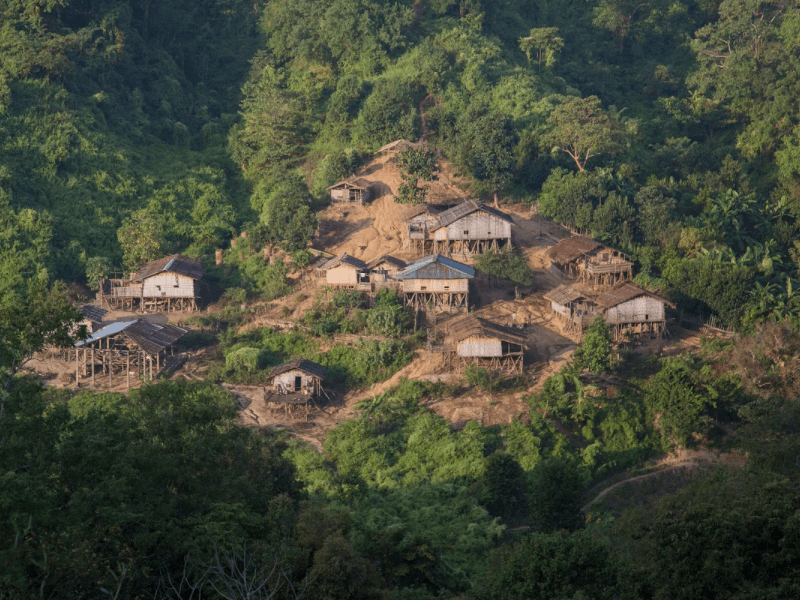
The Mro people, frequently referred to as the Murong, represent one of the most ancient and culturally distinct small ethnic groups in the Chittagong Hill Tracts of Bangladesh. Primarily inhabiting the high altitudes and remote terrains of the Bandarban district, particularly around the Chimbuk hill range, the Mro community has preserved a way of life that is intimately tied to the natural rhythms of the forest. Their deep historical presence in the remote hills has allowed them to maintain unique customs and social structures that offer a remarkable glimpse into the pristine heritage of the region. This profound connection to the environment shapes every aspect of their existence, from their architecture to their daily sustenance.
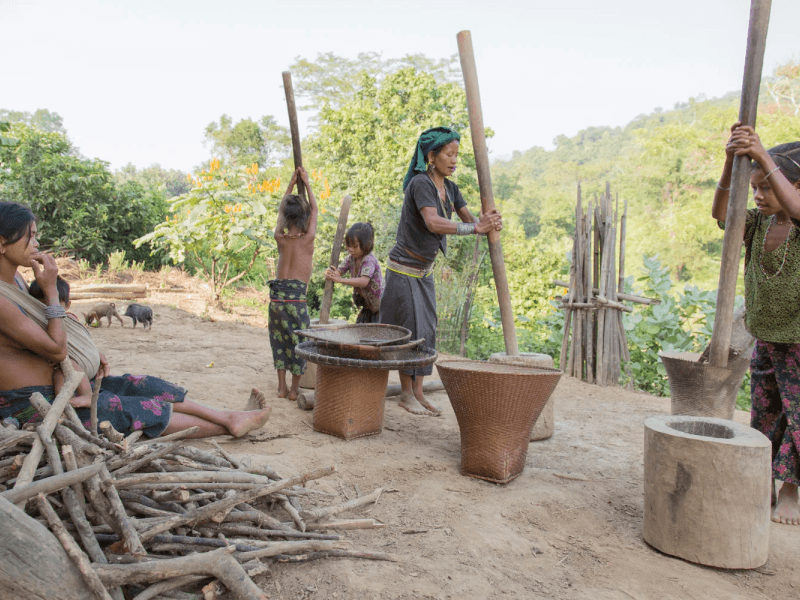
The Mro people are considered among the earliest inhabitants of the Chittagong Hill Tracts. They live in close knit, patriarchal societies where family lineage, property, and authority follow the male line. Their villages are typically established on the crests of high hills, providing strategic vantage points, cool breezes, and proximity to natural water streams. The traditional Mro dwelling is an expansive bamboo and wooden stilt house built high off the ground. These large structures are intentionally designed to accommodate extended families under a single roof, fostering a strong sense of unity and collective responsibility. The central open space of the house often serves as a communal gathering area where generations share stories, craft daily tools, and prepare food together.
For their livelihood, the community relies heavily on traditional shifting agriculture, locally known as Jhum cultivation. By clearing small patches of hillside land to grow rice, cotton, and various seasonal vegetables, they follow an ancient agricultural cycle that respects the regenerative capacity of the soil. Their unparalleled knowledge of forest resources, native medicinal plants, and sustainable foraging practices highlights a lifestyle that is perfectly adapted to the rugged and beautiful landscape of Bandarban.
The linguistic heritage of the Mro community is highly unique and serves as a vital marker of their cultural identity. They speak the Mro language, a melodious tongue that belongs to the broader Tibeto Burman language family. In a remarkable effort to preserve their cultural autonomy and rich oral traditions, a visionary leader within the community developed a distinct writing system known as the Krama script during the late twentieth century. This indigenous script is now celebrated and taught to younger generations to ensure their linguistic legacy endures.
Spiritually, the Mro people possess a deeply rooted animistic heritage. They hold a profound reverence for the natural world, worshiping a supreme creator known as Turai, alongside various nature spirits believed to reside in rivers, ancient trees, and mountain peaks. In recent decades, a new spiritual and ethical movement called Kramadi emerged within the community. This movement beautifully blends their ancestral animist philosophies with structured moral teachings, further enriching their diverse religious landscape while keeping their ancestral connection to nature fully intact.
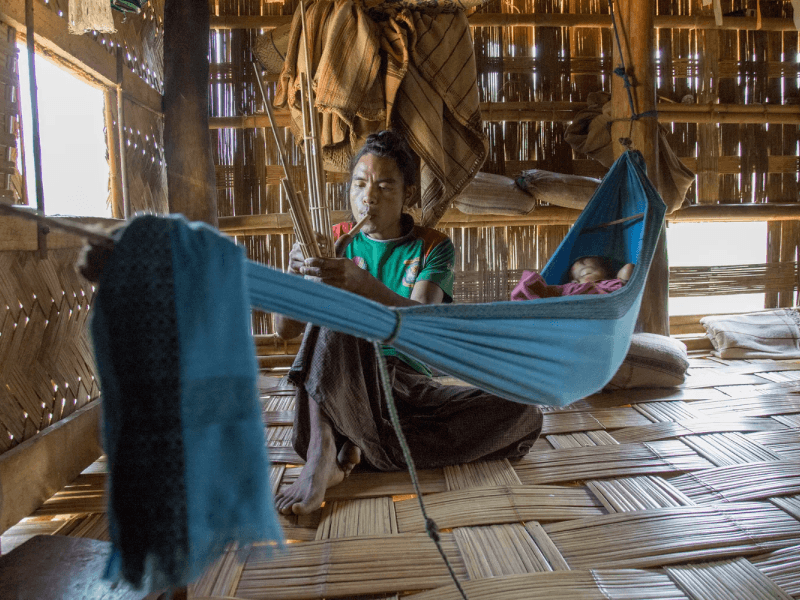
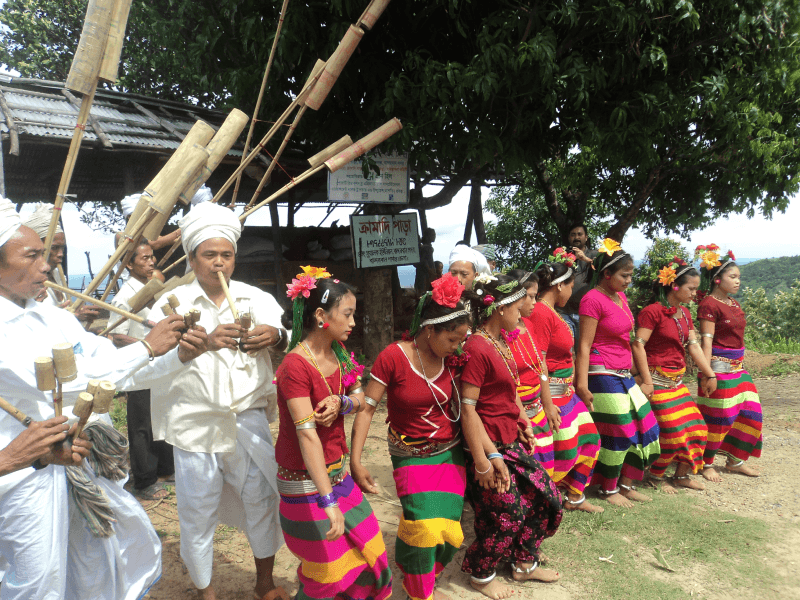
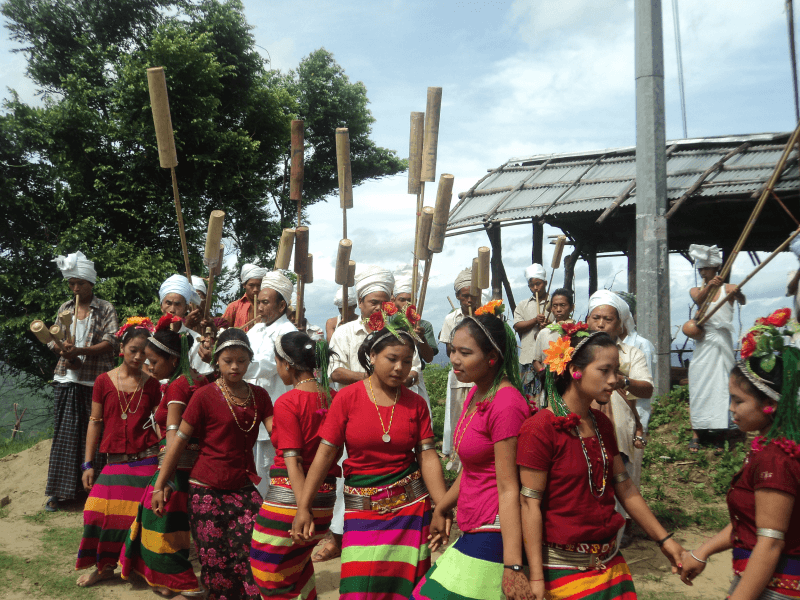
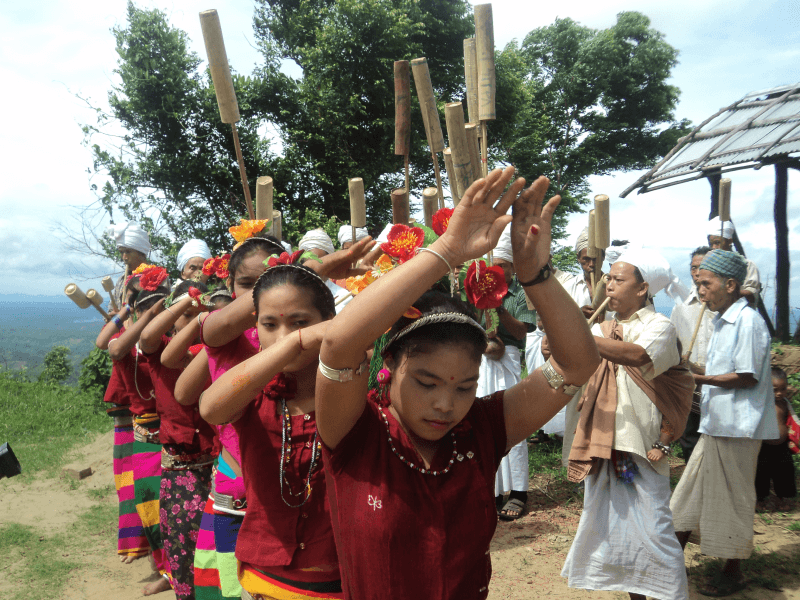
The artistic expression of the Mro people is deeply intertwined with their musical traditions and vibrant communal gatherings. The absolute centerpiece of their cultural arts is the Plung, a uniquely crafted bamboo mouth organ made from dried gourds and multiple bamboo pipes of varying lengths.
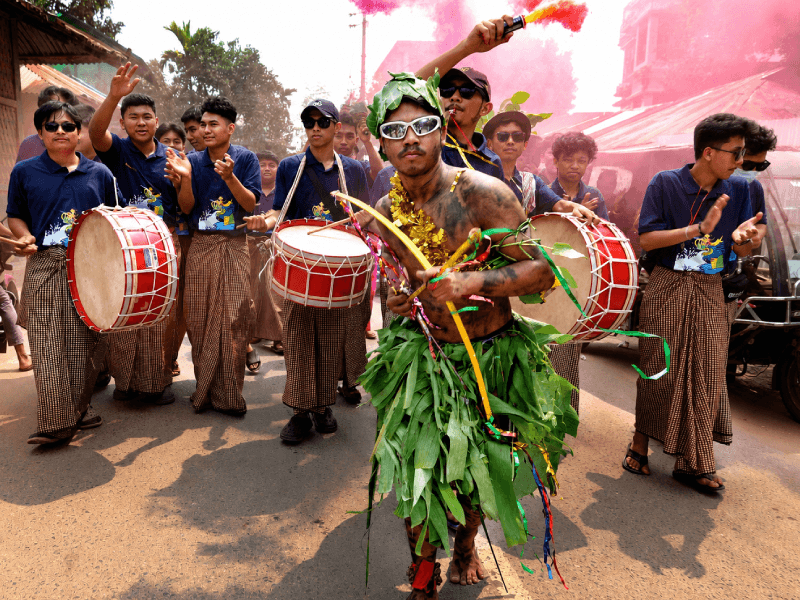
The resonant, haunting melodies of the Plung accompany almost all their social and religious events. Their major festivals, typically centered around the agricultural harvest cycle and the changing of the seasons, feature mesmerizing group dances. Community members dance in rhythmic unison to the sounds of the Plung, creating a powerful display of solidarity and joy.
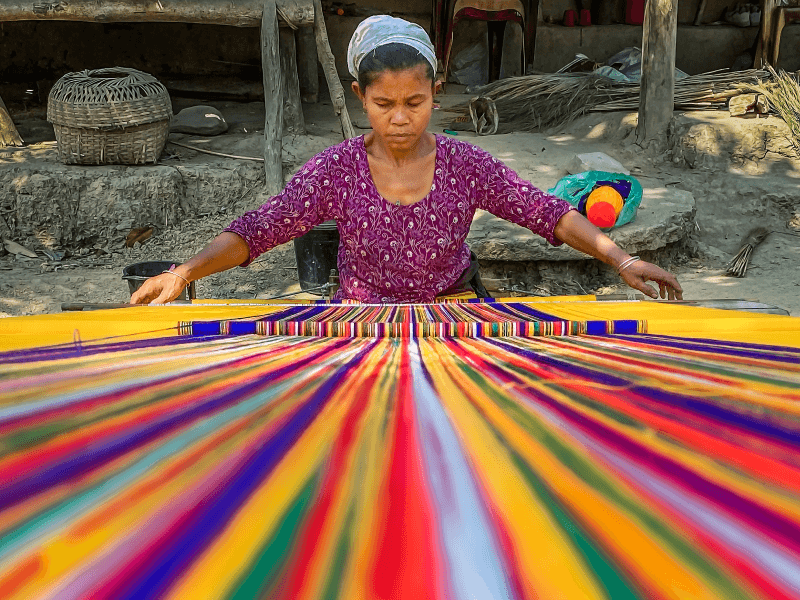
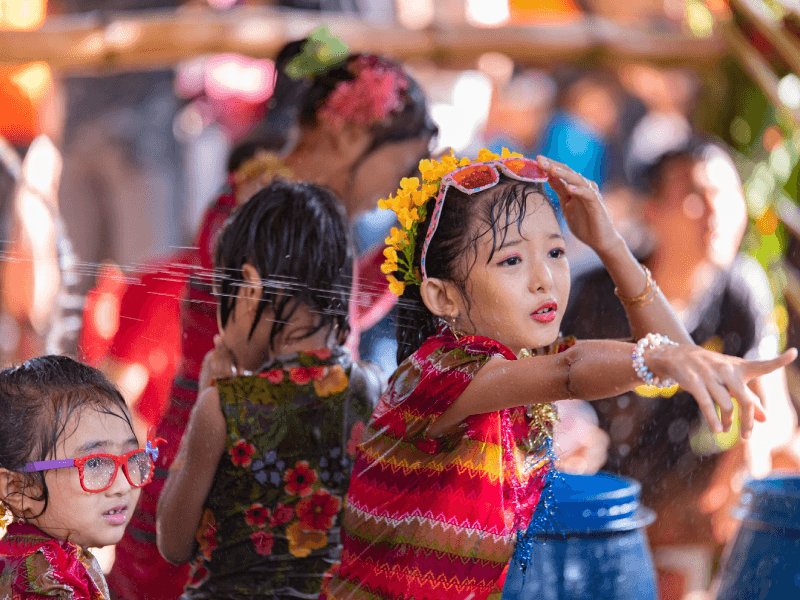
Mro women are highly skilled artisans, weaving their own traditional garments entirely by hand using indigenous backstrap looms. Their signature attire is a thick, dark woven skirt called a Wanglai, which is typically adorned with bright red geometric borders and intricate beadwork. The men traditionally wear a simple woven cloth known as a Dong. The continuous preservation of these distinct garments, handmade musical instruments, and joyous agricultural festivals ensures that the rich cultural identity of the Mro people continues to thrive beautifully amidst the peaks of Bandarban.
Immersive Experience
No 360° Videos available
Destination Gallery