

Traditional Instruments: Ektara, Dotara, and Flute
Strings and bamboo that shape the sound of Bengali folk music
Echoes of the Soil. Simple Materials, Distinctive Sounds, Living Traditions
The ektara, dotara, and bamboo flute belong to the most recognizable sound world of Bengali folk music. Baul, Bhawaiya, Murshidi, Marfati, regional folk, devotional, and rural performance traditions use these instruments in different combinations.
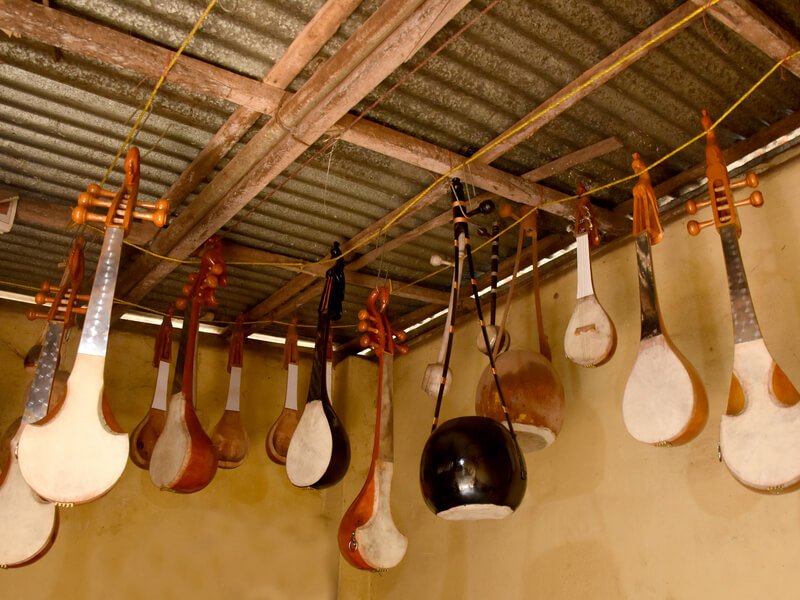
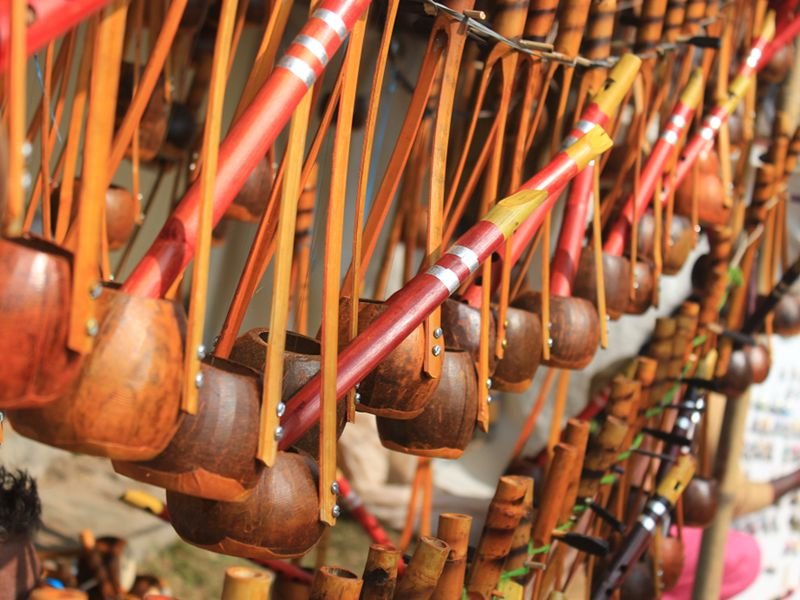
The ektara takes its name from its single string. Banglapedia describes a resonating body made from materials such as bottle gourd, wood apple, coconut shell, wood, or brass. Makers cover the bowl with skin and attach it to a prepared bamboo frame. A steel string usually runs from the lower section to a wooden tuning knob at the top. The musician adjusts the pitch by tightening or loosening the string with this knob, then plucks the string while singing.
This construction matters because the ektara should not be confused with related variable-tension folk instruments. The standard Banglapedia description does not identify squeezing flexible bamboo arms as the normal pitch-changing technique of the Bangladeshi ektara.
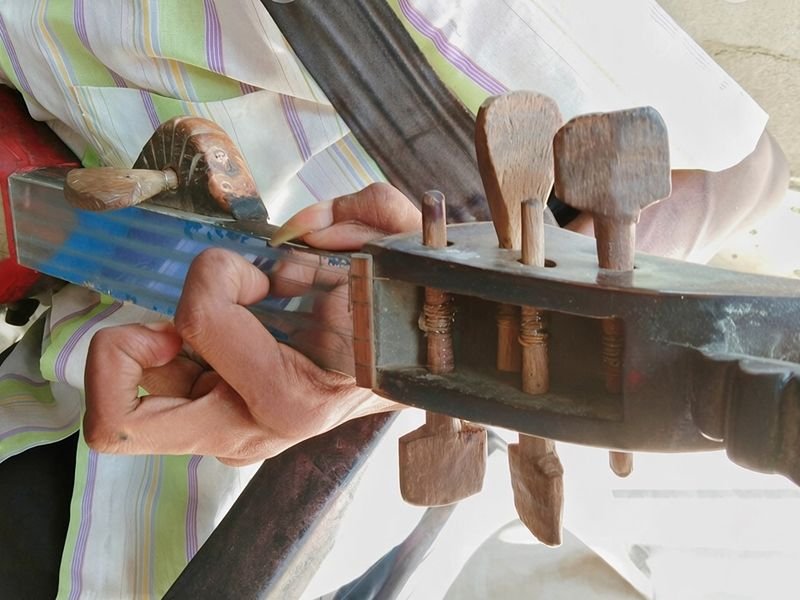
The dotara offers a richer melodic range. Although its name literally suggests two strings, actual instruments may carry four or six. Makers hollow out a wooden body, cover the resonating section with leather, and attach strings traditionally made from brass or twisted silk. A player controls pitch with tuning knobs and plucks the strings with a plectrum made from materials such as horn, bone, or wood.
The dotara has a particularly close relationship with Bhawaiya music in northern Bengal. Banglapedia also records its use with Murshidi, Marfati, Jarigan, and Kavigan. Decorative carving around the head of the instrument may feature peacocks or other birds.
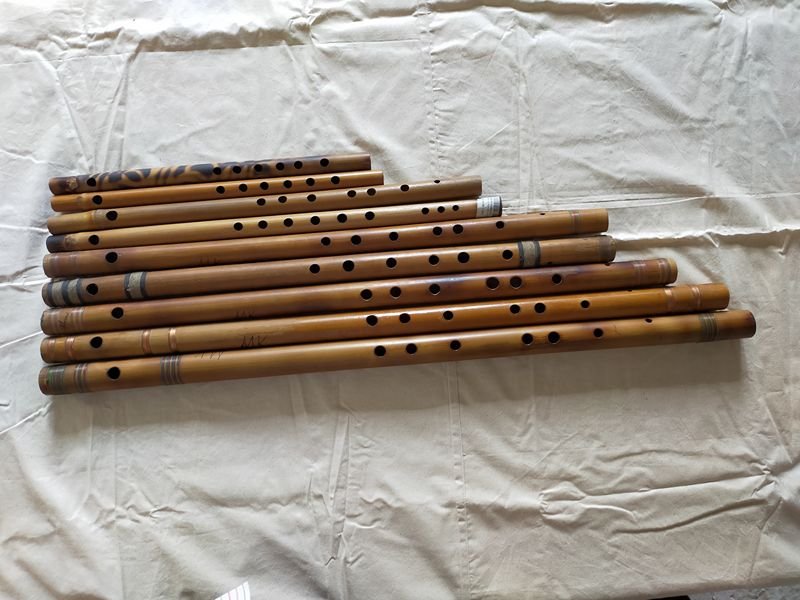
The bamboo flute, usually called banshi in Bengali, belongs to a much older family of wind instruments. Bangladesh uses several forms, including the saral banshi, ad banshi or murali, Tipra banshi, venu, and laya banshi. Length, circumference, and hole placement influence pitch and tonal range.
Traditional instruments rely heavily on bamboo, wood, gourd, leather, and other locally available materials, but they are not made entirely from organic substances. Steel and brass strings, metal fittings, and other manufactured materials can form part of their construction.
Immersive Experience
No 360° Videos available
Destination Gallery

Baul Music and Mystical Folk Traditions
Mystic songs of the body, humanity, and spiritual freedom
Explore More
Modern Bangladeshi Rock and Fusion Music
Electric music shaped by the 1960s, independence, and constant reinvention
Explore More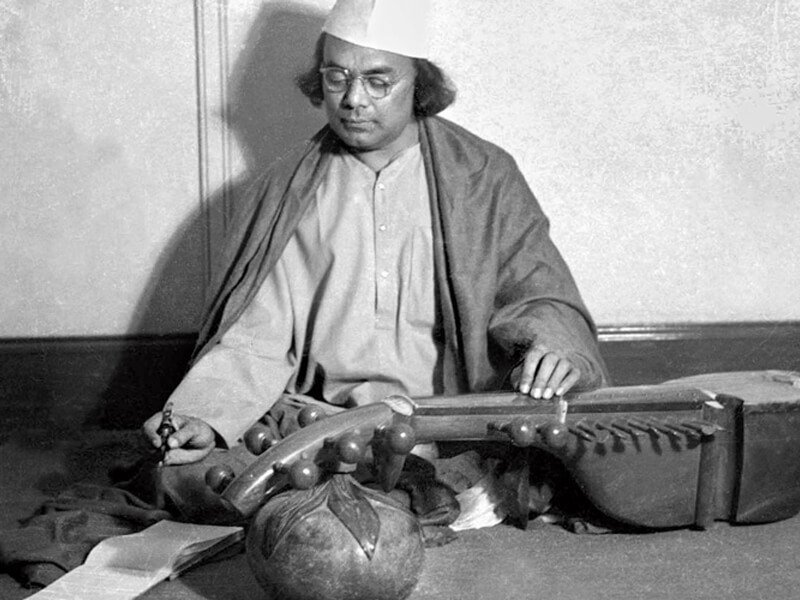
Rabindra Sangeet and Nazrul Geeti Heritage
Two vast musical legacies at the heart of Bengali cultural life
Explore More