

Rabindra Sangeet and Nazrul Geeti Heritage
Two vast musical legacies at the heart of Bengali cultural life
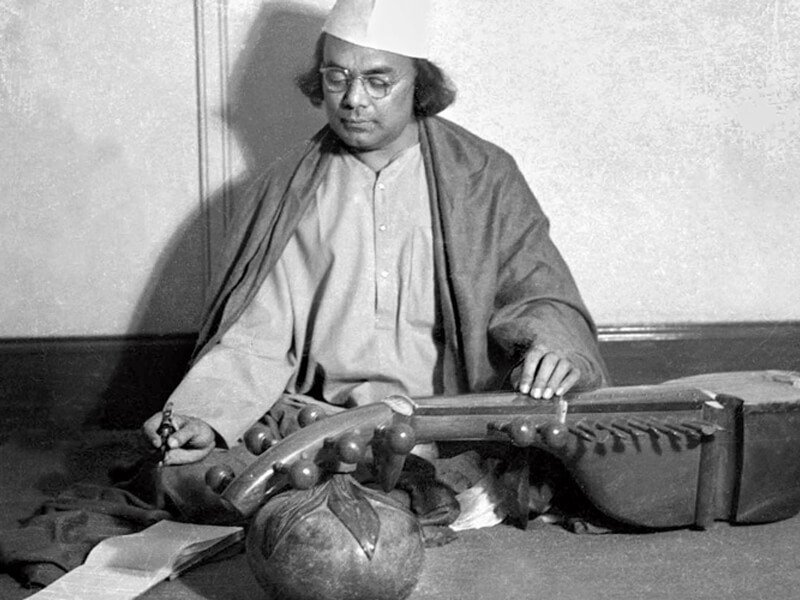
Poetry in Melody. Two Voices That Reshaped Bengali Song
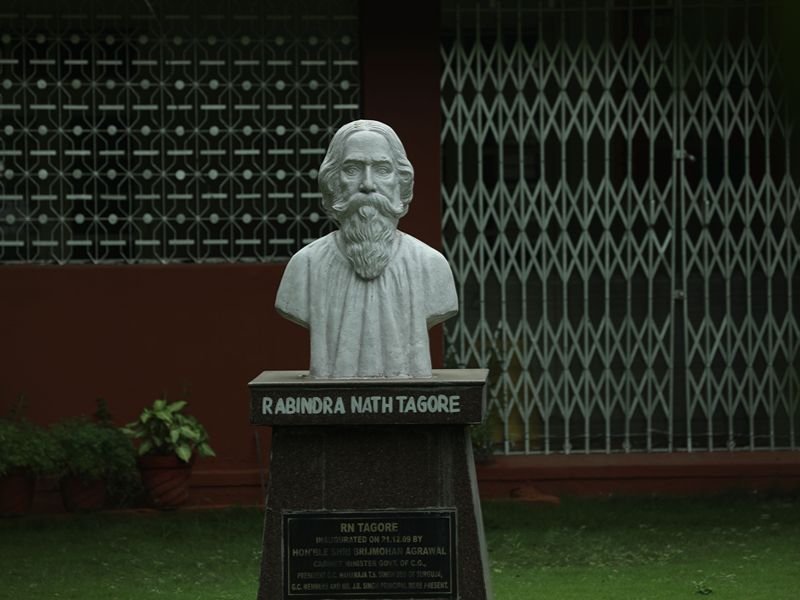
Rabindra Sangeet and Nazrul Geeti occupy extraordinary places in Bengali music, literature, education, and public culture. Rabindranath Tagore and Kazi Nazrul Islam each created a distinctive musical world, drawing from classical traditions, Bengali folk forms, devotional music, poetry, and encounters with sounds from beyond Bengal.
Tagore composed 2,232 songs, all collected in Gitabitan. His music incorporates Hindustani classical forms alongside Baul, kirtan, regional folk melodies, and selected Western influences. The songs address love, devotion, nature, patriotism, ceremony, seasons, grief, joy, and philosophical reflection.
One of those compositions, Amar Sonar Bangla, became the national anthem of Bangladesh. Tagore wrote it during the anti-partition movement of 1905, and its imagery of Bengal's land, air, fields, and natural beauty later gave the song a central place in Bangladesh's national identity.
Nazrul created another remarkably diverse body of music. Banglapedia describes more than two thousand songs, rather than the frequently repeated but insufficiently established figure of more than four thousand. His work includes ghazal, raga-based song, patriotic music, Baul and Bhatiali influences, Shyama Sangeet, kirtan, hamd, naat, marsia, romantic song, and many other forms.
Nazrul played a transformative role in the history of the Bangla ghazal. Atulprasad Sen had written Bangla ghazals earlier, but Nazrul developed and popularized the form on a much larger scale. He also experimented extensively with Hindustani ragas and created new combinations for Bengali compositions.
The contrast between Tagore and Nazrul should not be reduced to calmness versus rebellion. Both composers wrote devotional, romantic, patriotic, philosophical, and socially engaged works, though their musical languages and literary personalities remain clearly distinct.
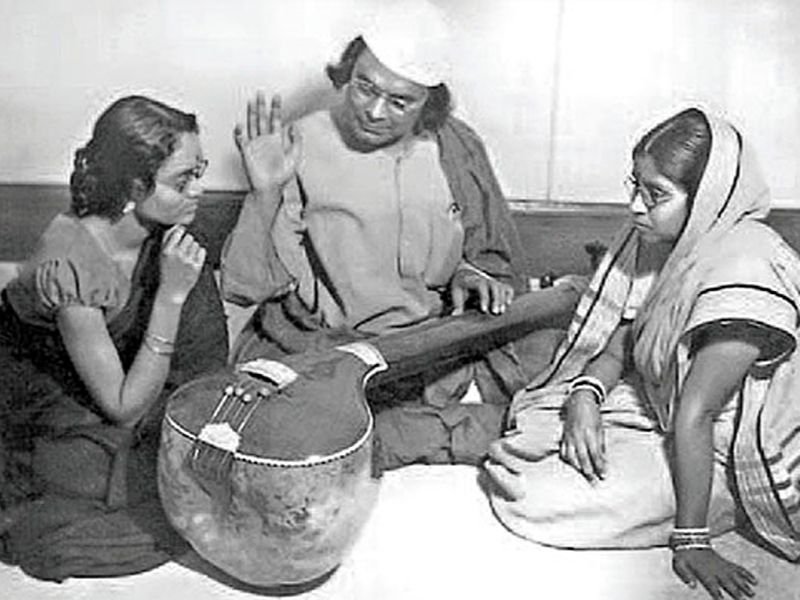
Bangladeshi cultural institutions continue to teach and perform both traditions. Chhayanaut has played an important role in the disciplined teaching and public performance of Bengali music, while the Nazrul Institute conducts research, preservation, publication, and programming connected with Nazrul's work.
Immersive Experience
No 360° Videos available
Destination Gallery

Baul Music and Mystical Folk Traditions
Mystic songs of the body, humanity, and spiritual freedom
Explore More
Modern Bangladeshi Rock and Fusion Music
Electric music shaped by the 1960s, independence, and constant reinvention
Explore More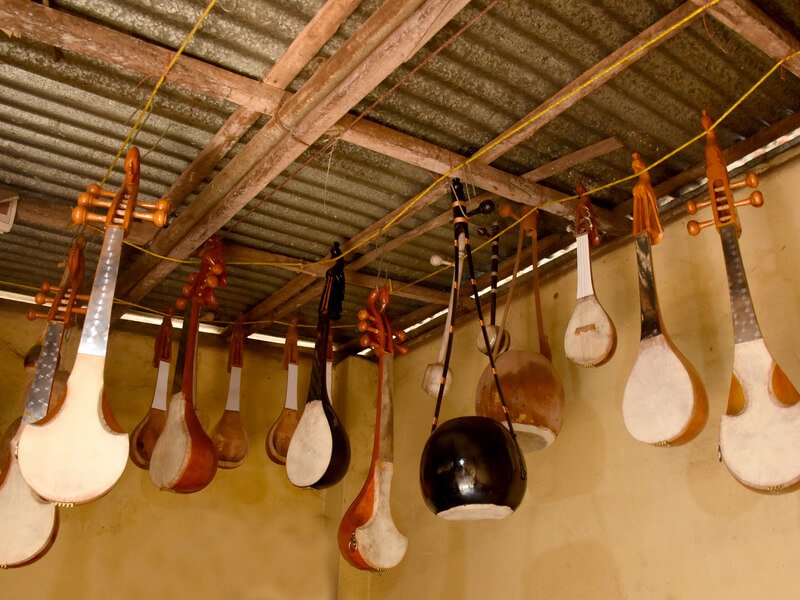
Traditional Instruments: Ektara, Dotara, and Flute
Strings and bamboo that shape the sound of Bengali folk music
Explore More