

Modern Bangladeshi Rock and Fusion Music
Electric music shaped by the 1960s, independence, and constant reinvention
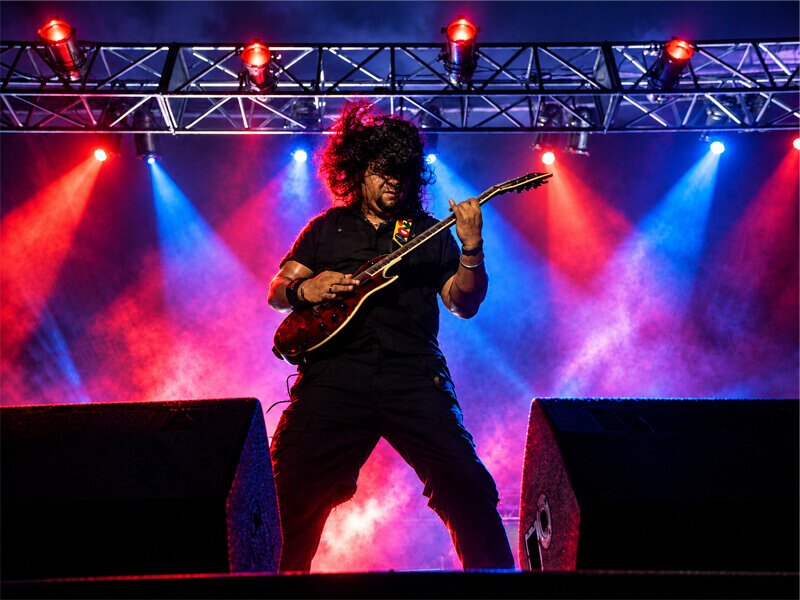
Amplified Bangladesh. From Early Bands to a New Generation of Fusion.
Bangladesh's modern band culture began before independence. During the 1960s, young musicians in what was then East Pakistan began forming organized groups influenced by rock and roll, pop, and contemporary Western bands. The Daily Star traces one of the earliest organized bands, Zinga Goshty of Chattogram, to 1963, followed by several other groups during the decade.
Independence gave this emerging music culture a new direction. Azam Khan became a central figure in the development of Bangla-language pop and rock after the 1971 Liberation War. A freedom fighter himself, he brought colloquial Bengali lyrics, electric instruments, youthful energy, and a distinctly local social voice into popular music. His performances helped establish the idea that modern band music could sound global while speaking directly to everyday Bangladeshi experience.
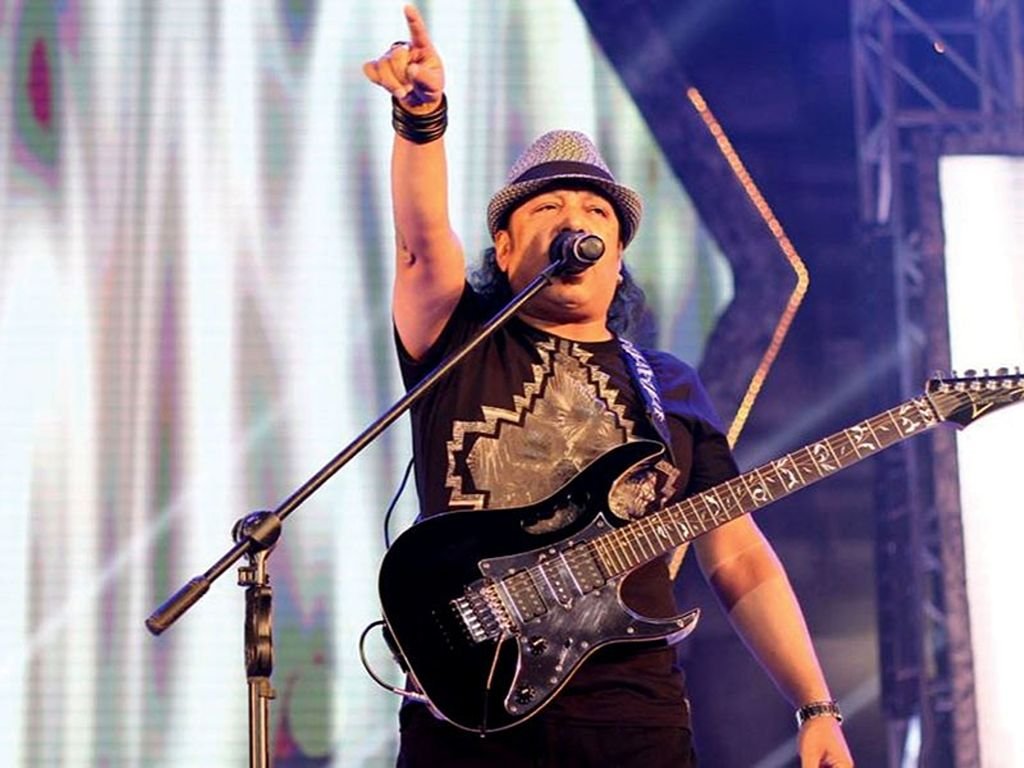
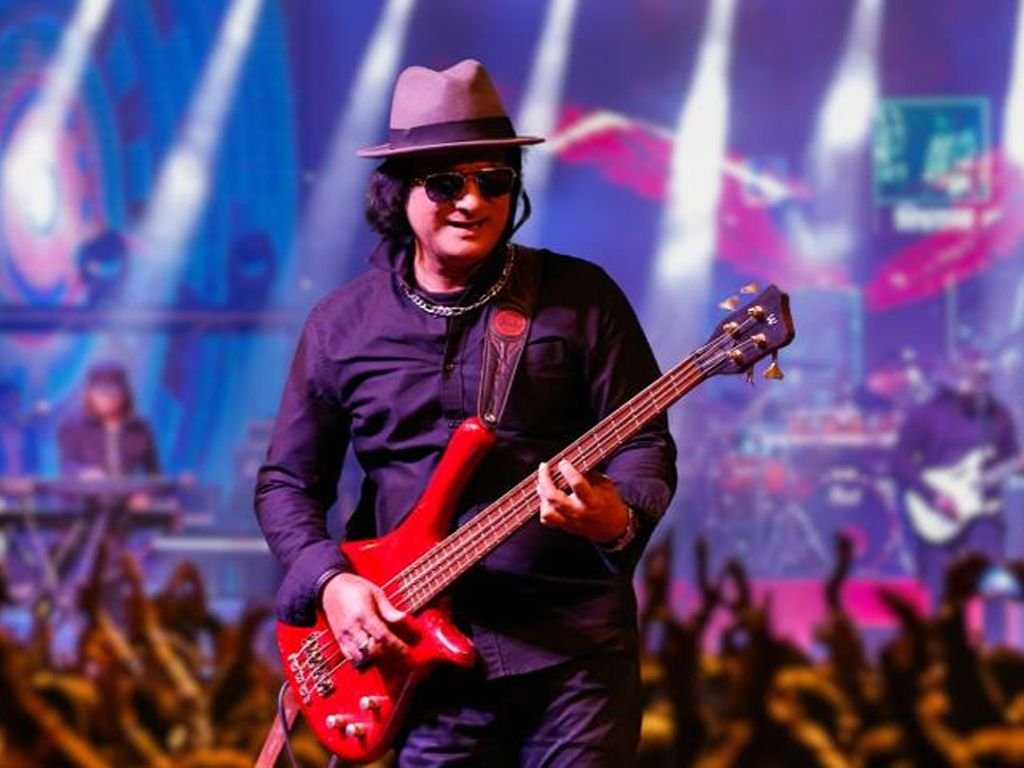
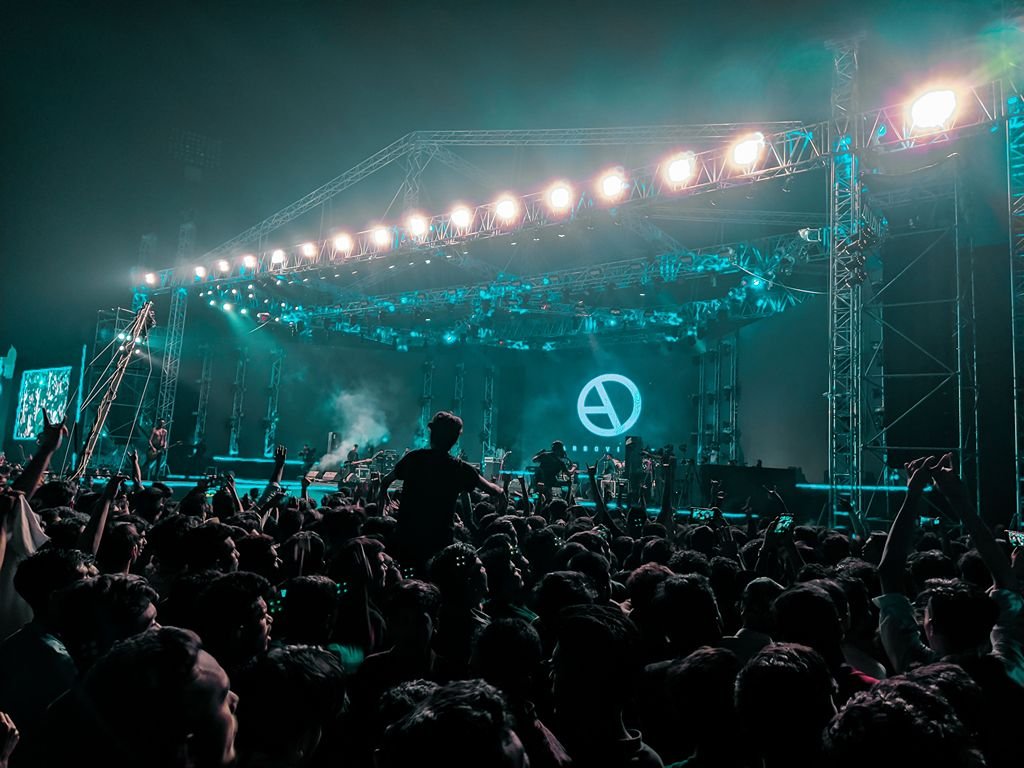
The scene expanded dramatically in the following decades. Souls, Feedback, Miles, LRB, Warfaze, Nagar Baul, Ark, and many other groups developed distinct approaches to rock, pop, blues, metal, and band music. The 1980s and 1990s became especially important for cassette culture, concerts, television performances, and the growth of a large youth audience.
Ayub Bachchu brought blues-influenced electric guitar and emotionally direct songwriting to LRB. James developed an instantly recognizable vocal and performance style through Feelings and later Nagar Baul. Miles created polished pop-rock and progressive arrangements, while Warfaze became one of the major forces in Bangladeshi heavy rock and metal. These artists did not belong to one identical genre; together, they expanded the possibilities of Bangla band music.
The twenty-first century brought another wave of experimentation. Musicians increasingly combined rock, alternative music, electronic production, folk songs, traditional instruments, hip-hop, jazz, and regional sounds. Bands and projects such as Bangla, Chirkutt, Joler Gaan, Shironamhin, Meghdol, and many others approach this fusion in different ways.
Coke Studio Bangla has become one of the most visible contemporary platforms for such cross-genre collaboration. Since its launch in 2022, it has paired folk, Nazrul, regional, classical, rock, rap, and global musical traditions. By May 2026, The Business Standard reported that the platform had more than four million subscribers and over 926 million global views.
Immersive Experience
No 360° Videos available
Destination Gallery
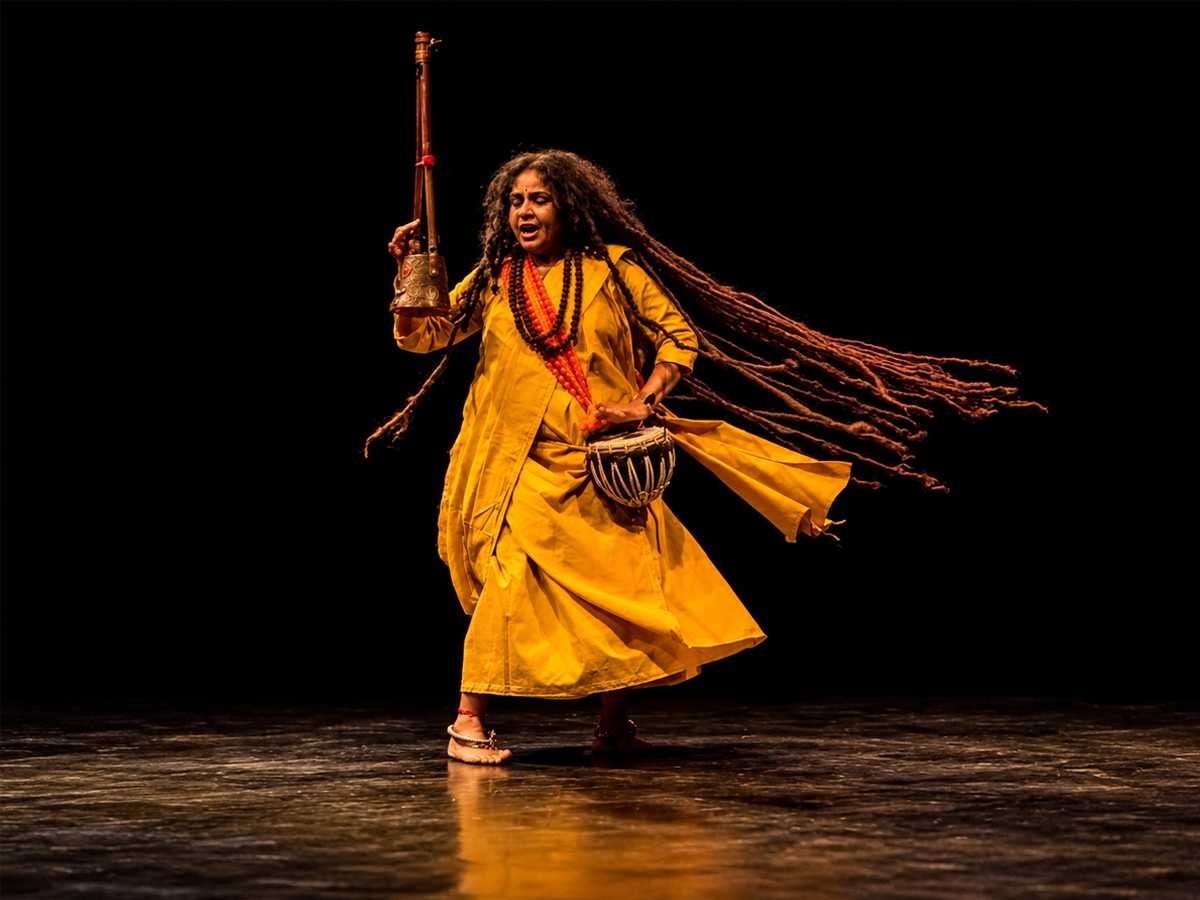
Baul Music and Mystical Folk Traditions
Mystic songs of the body, humanity, and spiritual freedom
Explore More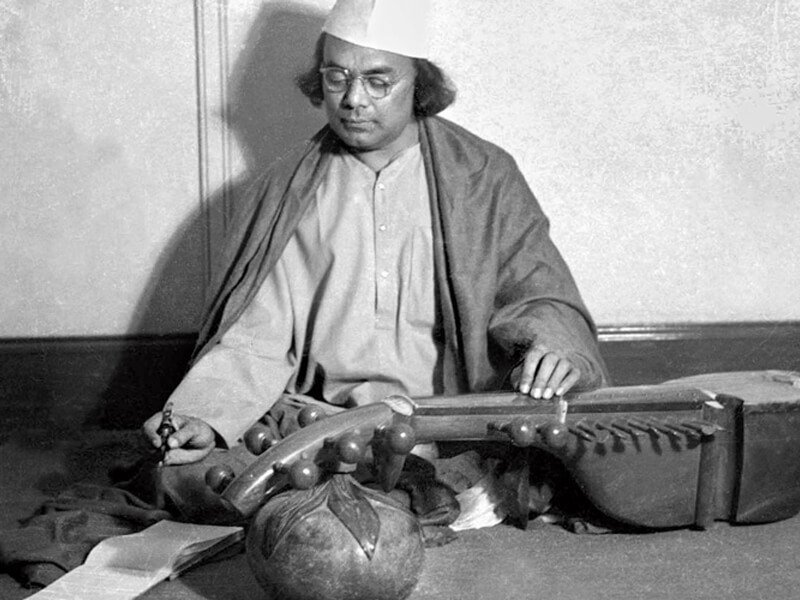
Rabindra Sangeet and Nazrul Geeti Heritage
Two vast musical legacies at the heart of Bengali cultural life
Explore More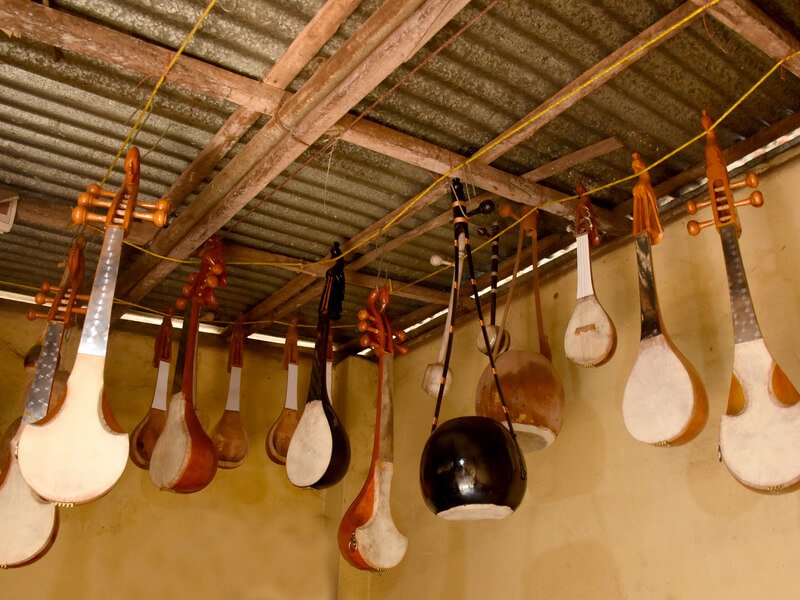
Traditional Instruments: Ektara, Dotara, and Flute
Strings and bamboo that shape the sound of Bengali folk music
Explore More