

Baul Music and Mystical Folk Traditions
Mystic songs of the body, humanity, and spiritual freedom
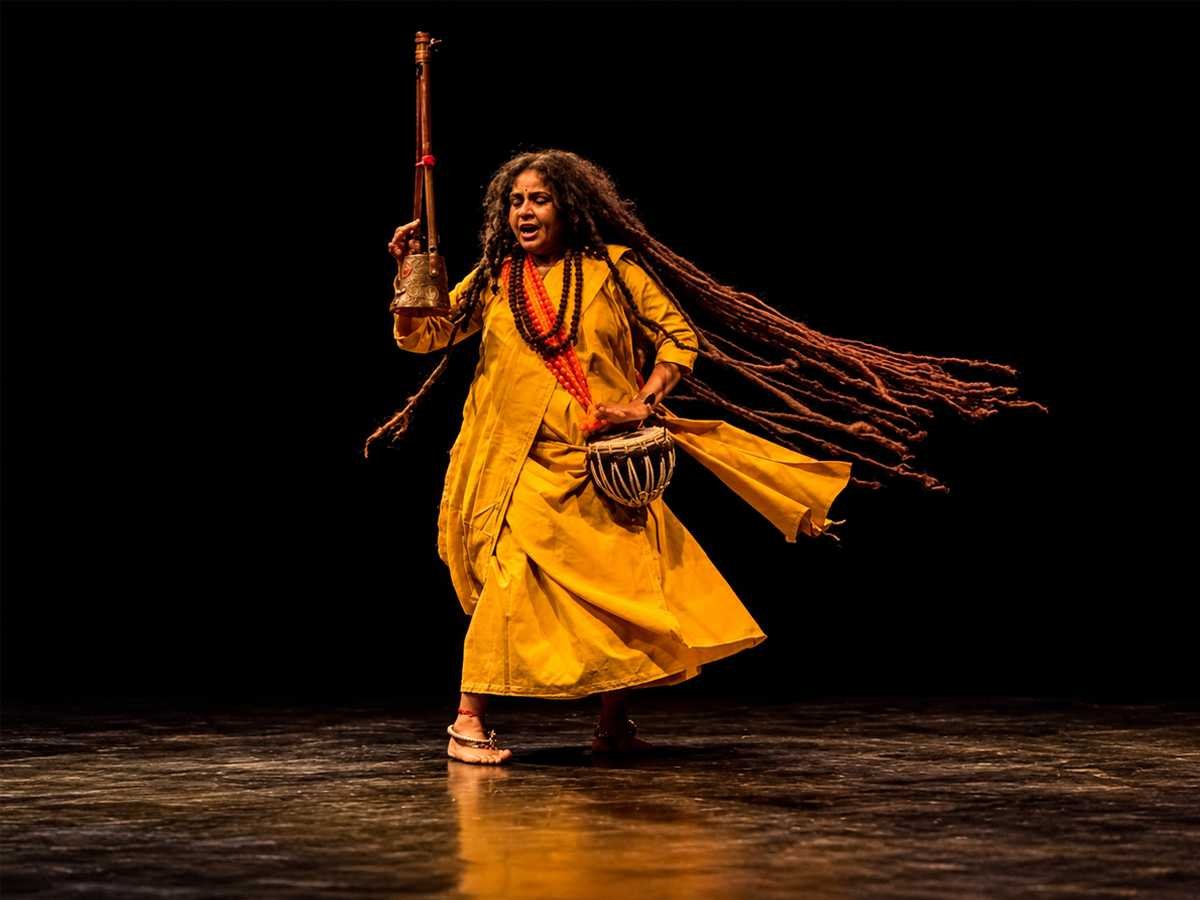
Melodies of the Soul. Searching for the Person of the Heart.
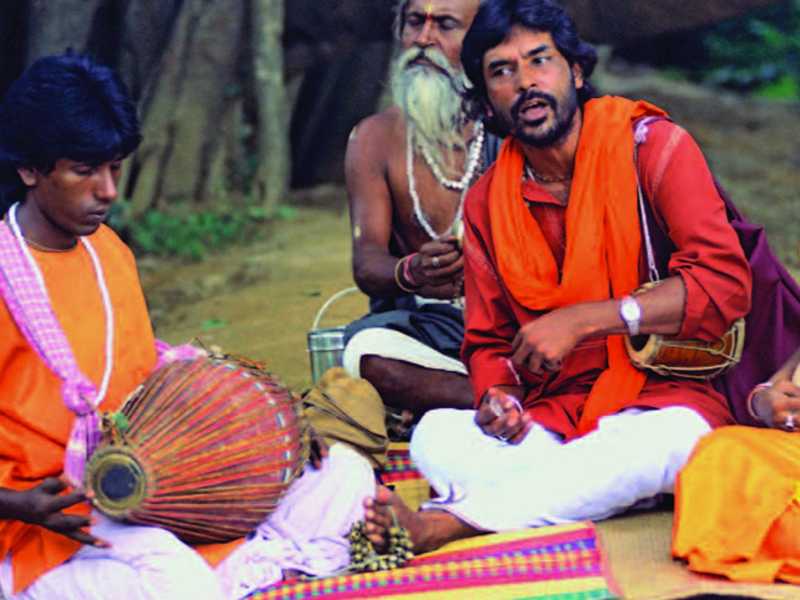
Baul music belongs to one of Bengal's most distinctive mystical traditions. Baul singers and practitioners live mainly in rural Bangladesh and West Bengal, India. Some remain close to settled communities, while others travel between villages and gatherings. Their songs combine music, poetry, philosophy, and spiritual practice in a tradition that stands apart from formal religious institutions.
UNESCO first proclaimed Baul Songs a Masterpiece of the Oral and Intangible Heritage of Humanity in 2005. In 2008, UNESCO incorporated Baul Songs into the Representative List of the Intangible Cultural Heritage of Humanity. UNESCO describes the tradition as influenced by Sufism, Bengali Vaishnavism, Hindu and Buddhist thought, while emphasizing that Bauls maintain a spiritual identity distinct from organized religion.
The human body occupies a central place in Baul thought. Many songs search for divine truth within the self rather than in distant sacred places. The familiar idea of the Moner Manush, often translated as the "Person of the Heart," expresses the longing to discover this inner spiritual presence. Baul lyrics turn everyday images such as rivers, boats, birds, cages, houses, markets, and farming into metaphors for the body, the mind, love, separation, and liberation.
Lalon Shah remains the most influential name associated with this tradition in Bangladesh. He established his akhra at Chheuriya in Kushtia and composed songs that questioned caste divisions, sectarian identity, social prejudice, and religious orthodoxy. Banglapedia describes his work as deeply humanistic and nonsectarian. His songs continue to shape folk performance, scholarship, popular music, and public cultural life.
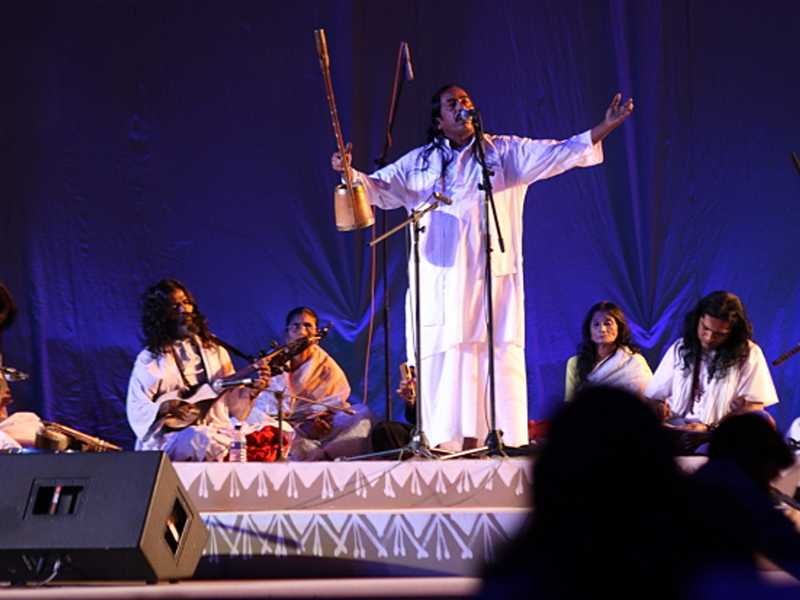
Baul performance usually relies on a small number of portable instruments. Singers may use the ektara, dotara, and dubki, combining voice, rhythm, gesture, and sometimes dance. No single costume or performance style defines every Baul. The tradition changes from practitioner to practitioner, while oral learning remains central to its continuity.
Chheuriya becomes an important gathering place during the annual Dol Purnima observance and during commemorations of Lalon's death on October 17. Dol Purnima follows the lunar calendar, so its Gregorian date changes each year. In 2025, Bangladesh formally placed October 17 among nationally observed Category "Ka" days in recognition of Lalon's cultural importance.
Immersive Experience
No 360° Videos available
Destination Gallery


Modern Bangladeshi Rock and Fusion Music
Electric music shaped by the 1960s, independence, and constant reinvention
Explore More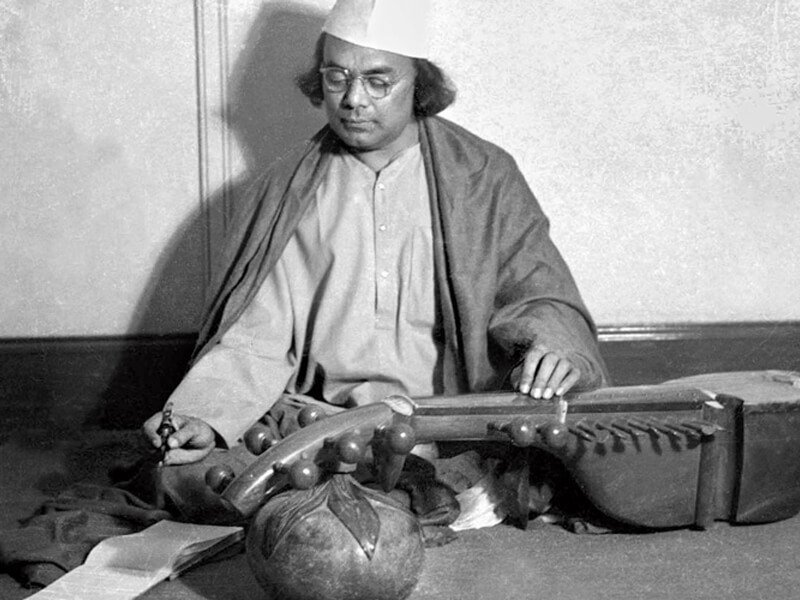
Rabindra Sangeet and Nazrul Geeti Heritage
Two vast musical legacies at the heart of Bengali cultural life
Explore More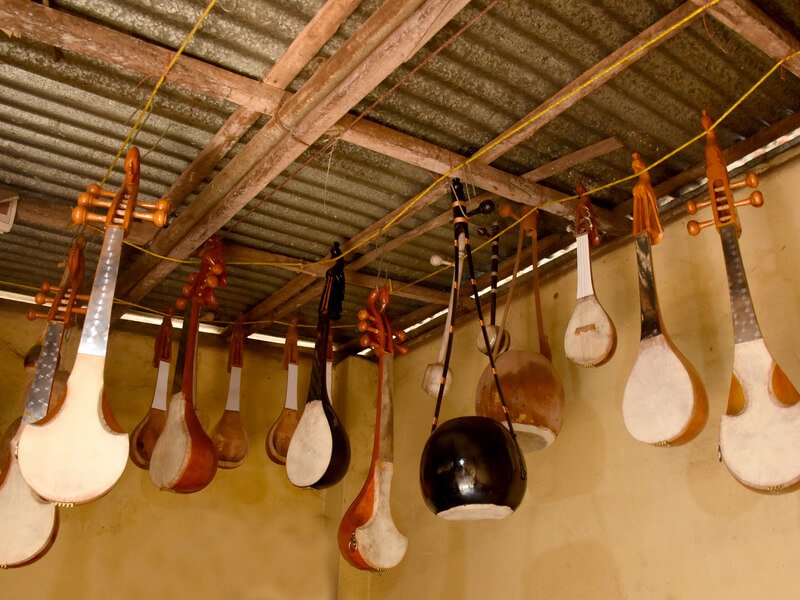
Traditional Instruments: Ektara, Dotara, and Flute
Strings and bamboo that shape the sound of Bengali folk music
Explore More