

The Munda Community: Unexplored Heritage near the Mangrove
An indigenous people rebuilding cultural memory at the Sundarbans' edge
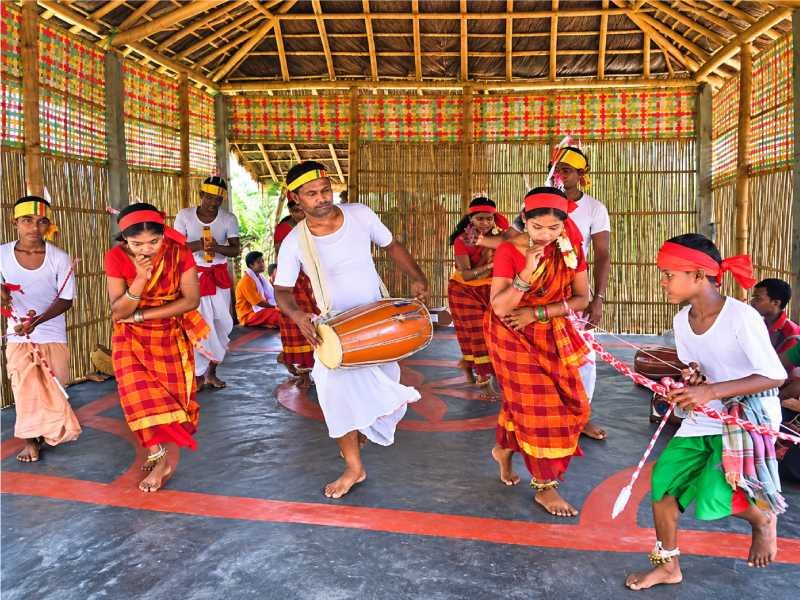
Three centuries by the mangroves The Munda community's fight to preserve a fading identity.
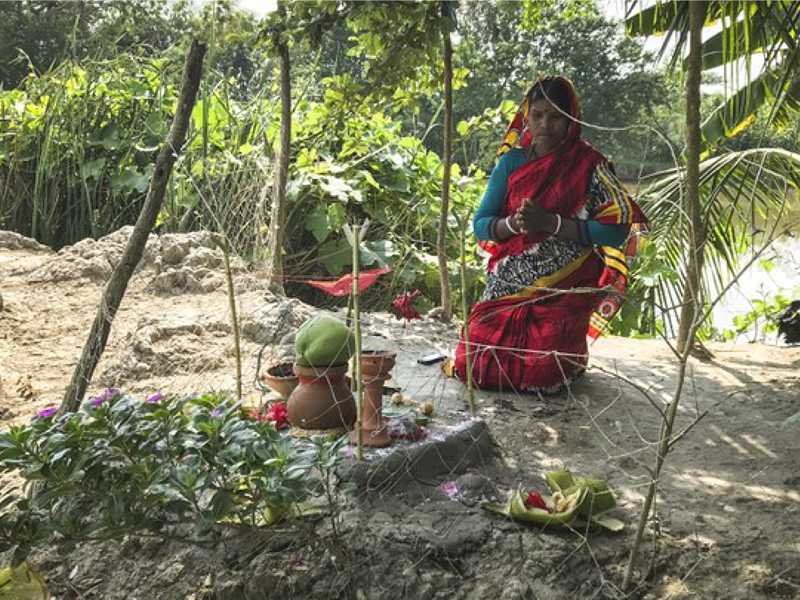
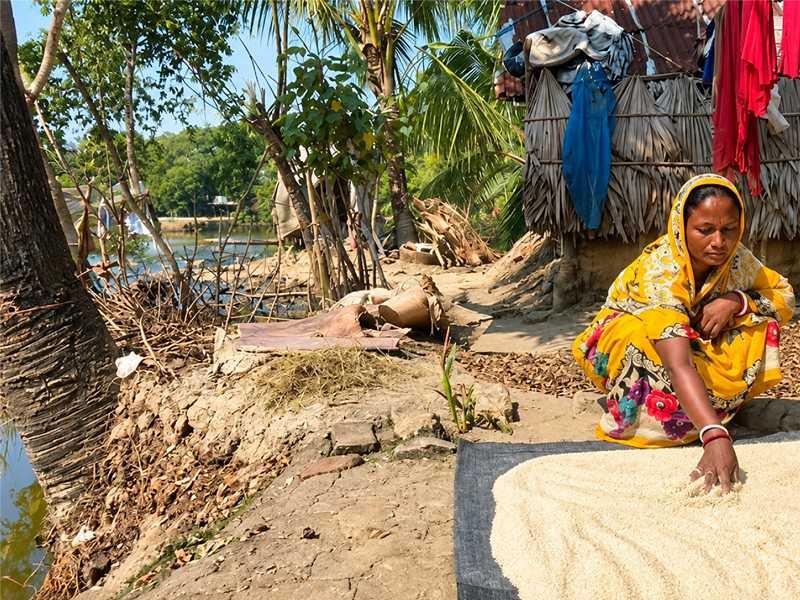
The Munda people arrived in what is now southwestern Bangladesh roughly two to three centuries ago, brought during the British colonial period from the Ranchi region of present-day Jharkhand, India, to work in the area's agriculture and, later, the Sundarbans' natural resource economy. Today, small Munda communities remain in Khulna, Jessore, and most notably Shyamnagar upazila of Satkhira, in villages like Kalinchi that sit directly beside the Sundarbans mangrove forest, where honey collection, fishing, crabbing, and wood gathering have long formed the backbone of daily life.
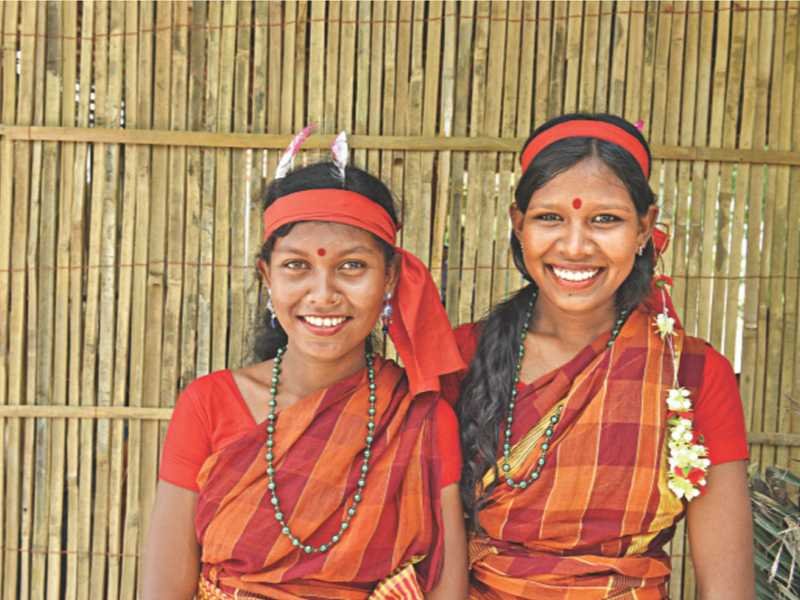
The Daily Star has documented the Munda as a community on the verge of becoming "the forgotten people"—their distinct Naguri dialect, a blend of Bengali, Hindi, and Persian influences on the Mundari language, is fading through heavy integration with surrounding communities, and their culture blends pre-Christian Sarna beliefs with later Christian influence. In response, an EU-funded cultural eco-tourism project built ten cottages within the Kalinchi Munda community and trained local members as eco-guides, in hospitality, and in cultural performance—including the community's distinctive Nupur anklet dance—giving roughly 18 families a new opportunity to sustain their livelihoods while actively working to keep their heritage alive rather than let it disappear.
Immersive Experience
No 360° Videos available
Destination Gallery
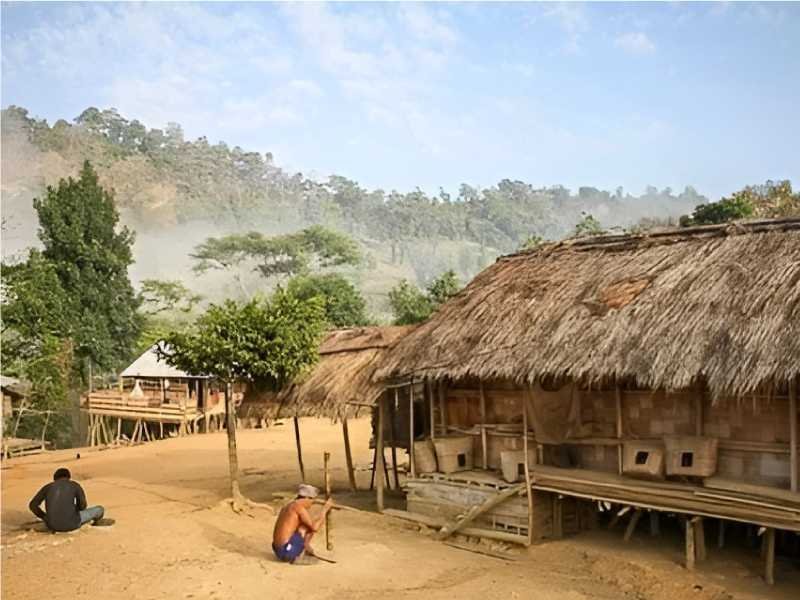
Ethnic Community Homestays in the Chittagong Hill Tracts
Eleven peoples, one extraordinary highland home
Explore More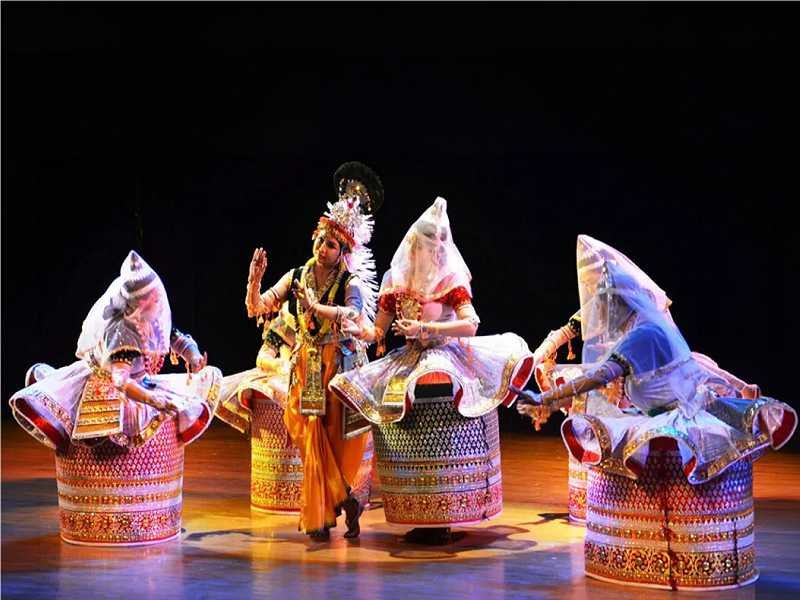
Cultural Immersion with the Manipuri Community in Sylhet
Dance, devotion, and the loom, since 1765
Explore More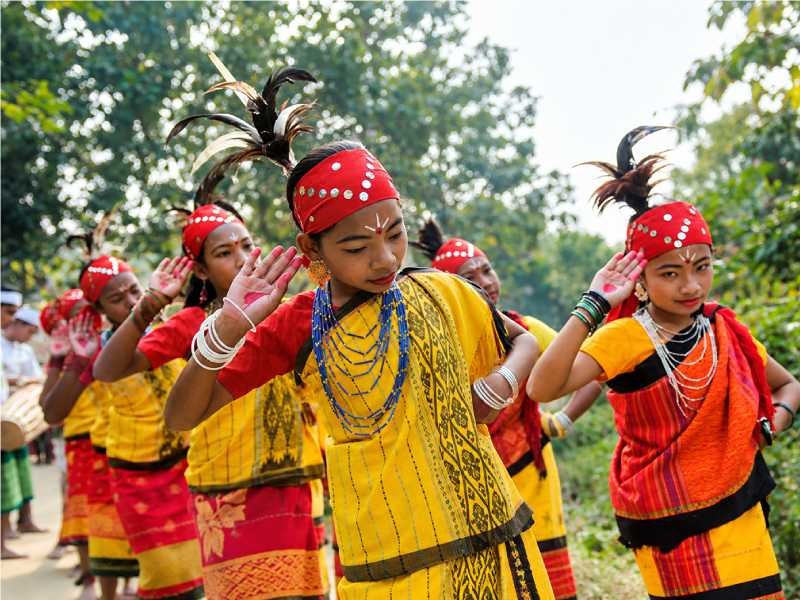
Experiencing the Garo Indigenous Culture in Madhupur Tract
A matrilineal community rooted in the Sal forest
Explore More