

Experiencing the Garo Indigenous Culture in Madhupur Tract
A matrilineal community rooted in the Sal forest
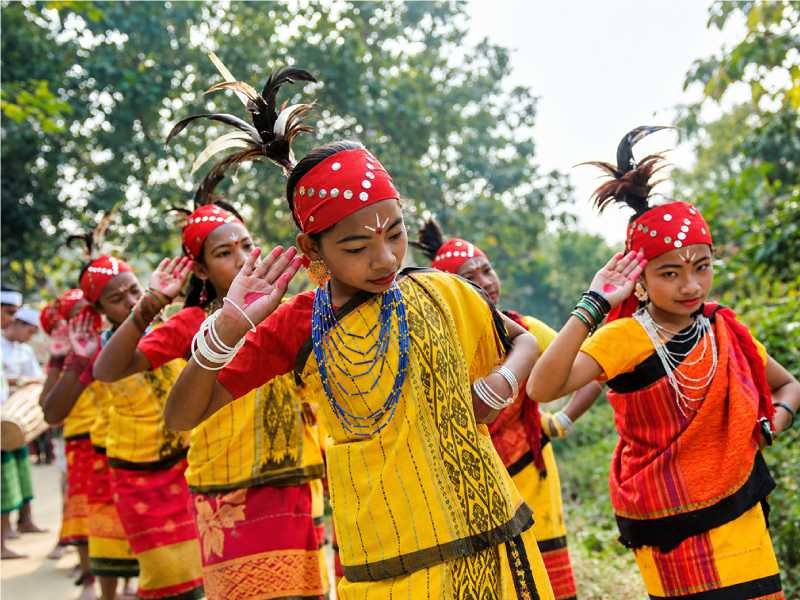
Where lineage passes through the mother The Garo villages of the Madhupur forest.
Within the Sal (Shorea robusta) forest of Madhupur, in Tangail district, live communities of the Garo people—one of Bangladesh's most distinct indigenous groups, whose society has traditionally been matrilineal, with inheritance and family lineage passed down through women. Garo communities also live across Mymensingh, Netrokona, Gazipur, and Sherpur, but Madhupur's forest villages, such as Jalchatra and Beribaid, offer the clearest window into daily Garo life: rice-based cuisine served with dried fish and generous green chili, subsistence and small-scale modern farming side by side, and a cultural identity that has endured despite significant pressure from modernization and land disputes tied to the forest itself.
Many Garo communities in Bangladesh are Christian, a legacy of colonial-era conversion, though pre-Christian Sangsarek beliefs and customs persist alongside it. The community's biggest cultural event, Wangala—a post-harvest thanksgiving festival—remains a touchstone of Garo identity, along with oral histories and language that community members are actively working to preserve. Visiting Madhupur means walking through Sal forest villages, understanding a genuinely different kinship and land-inheritance system than mainstream Bengali society, and seeing how a community has held onto its distinctiveness while living, quite literally, in the middle of a national forest.
Immersive Experience
No 360° Videos available
Destination Gallery
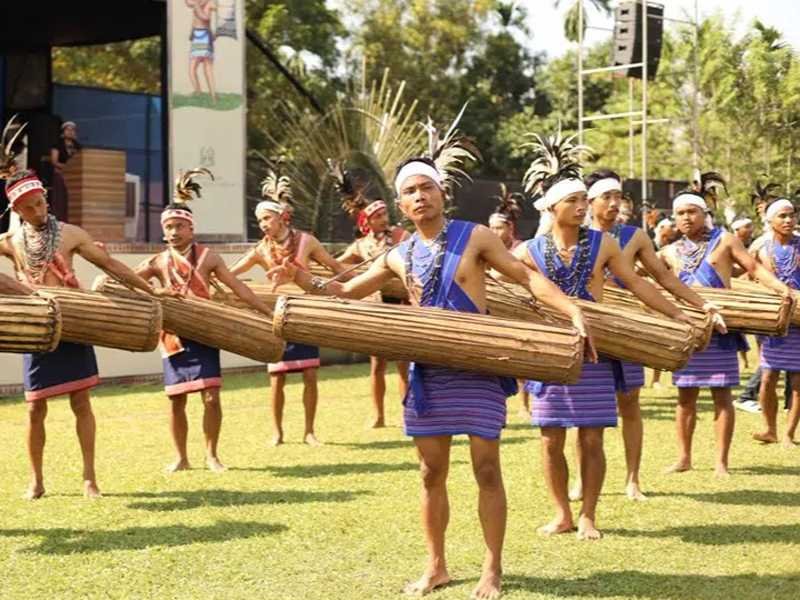
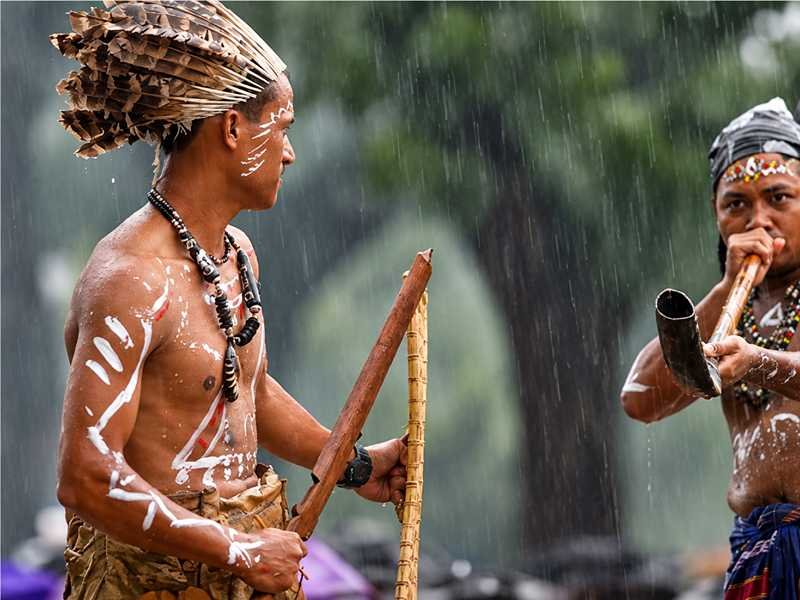
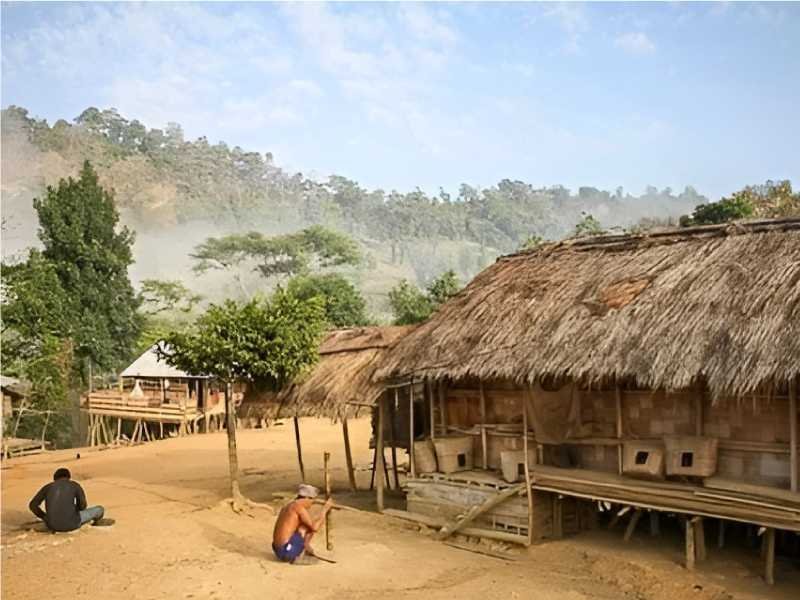
Ethnic Community Homestays in the Chittagong Hill Tracts
Eleven peoples, one extraordinary highland home
Explore More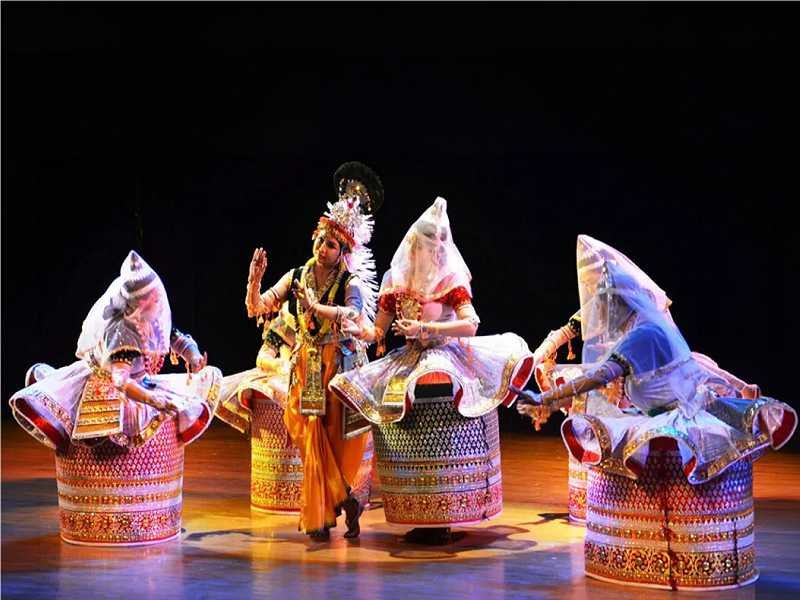
Cultural Immersion with the Manipuri Community in Sylhet
Dance, devotion, and the loom, since 1765
Explore More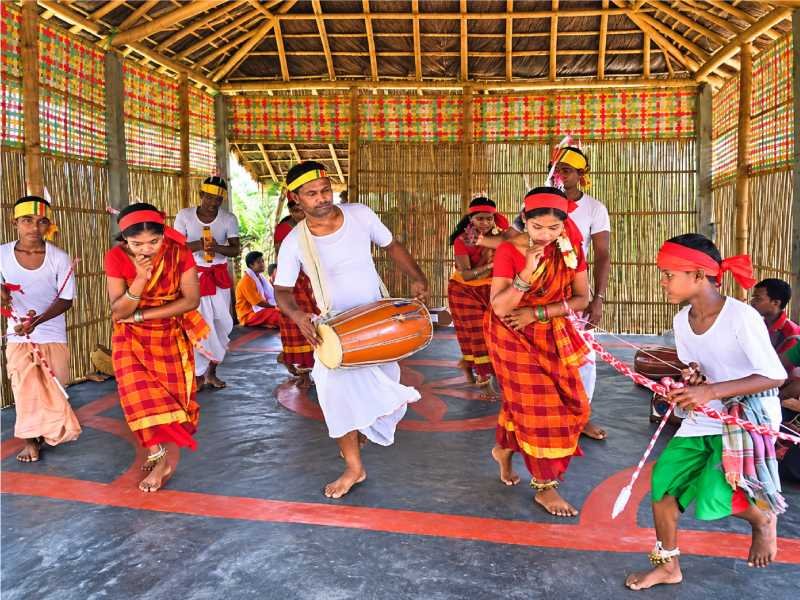
The Munda Community: Unexplored Heritage near the Mangrove
An indigenous people rebuilding cultural memory at the Sundarbans' edge
Explore More