

Cultural Immersion with the Manipuri Community in Sylhet
Dance, devotion, and the loom, since 1765
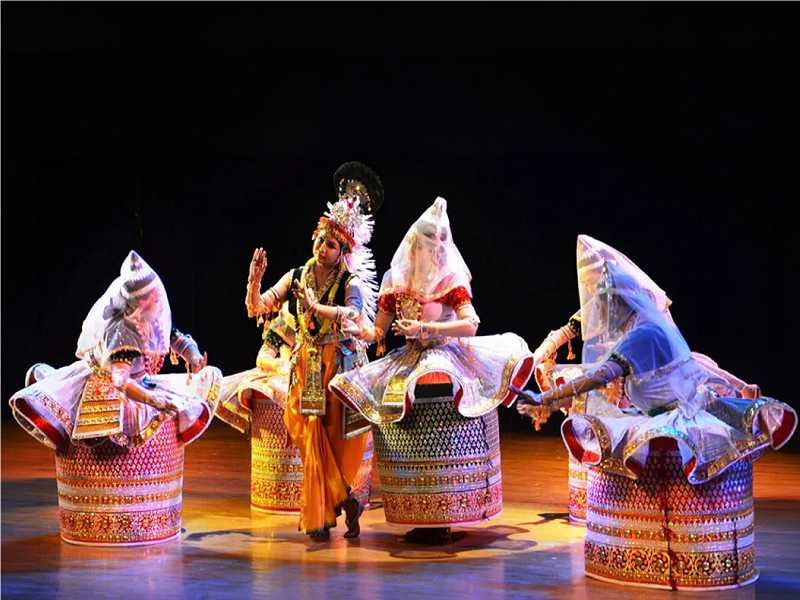
Where every household owns a loom Greater Sylhet's Manipuri weaving and dance tradition.
The Manipuri community settled in greater Sylhet after Manipuri royal figure Moirangthem Gobinda led a group from Manipur to the region in 1765, establishing villages that remain culturally distinct nearly 260 years later. Concentrated in Kamalganj upazila of Moulvibazar, alongside communities in Sylhet and Sunamganj districts, the Manipuris are split into three branches—Bishnupriya, Meitei, and Pangan—each with its own dialect and customs, but united by a shared devotion to craft: it is genuinely difficult to find a Manipuri household without a loom, with weaving traditionally passed down through generations of women.
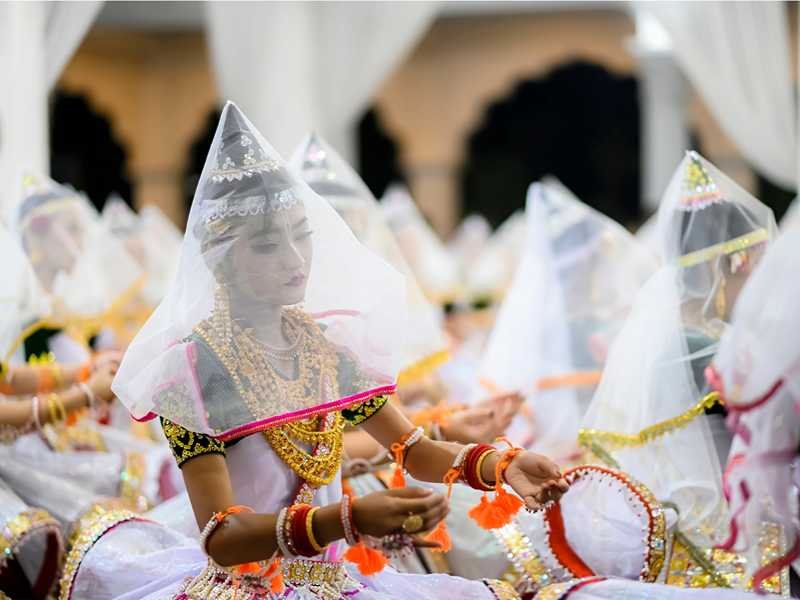
The community's defining cultural event is Ras Utsab (or Maharas Leela), a night-long festival of Manipuri dance depicting the divine love story of Radha and Krishna, accompanied by the pung drum and traditional cymbals. First held outside Manipur at Madhabpur Juramandap in 1842, the festival has now run for over 180 consecutive years and draws thousands of visitors each Agrahayan full moon—it was famous enough to have enchanted Rabindranath Tagore on his 1919 visit to the nearby Manipuri village of Machimpur. Travelers visiting outside festival season can still see Manipuri weaving firsthand in the villages around Kamalganj and Srimangal's Monipuri Para.
Immersive Experience
No 360° Videos available
Destination Gallery
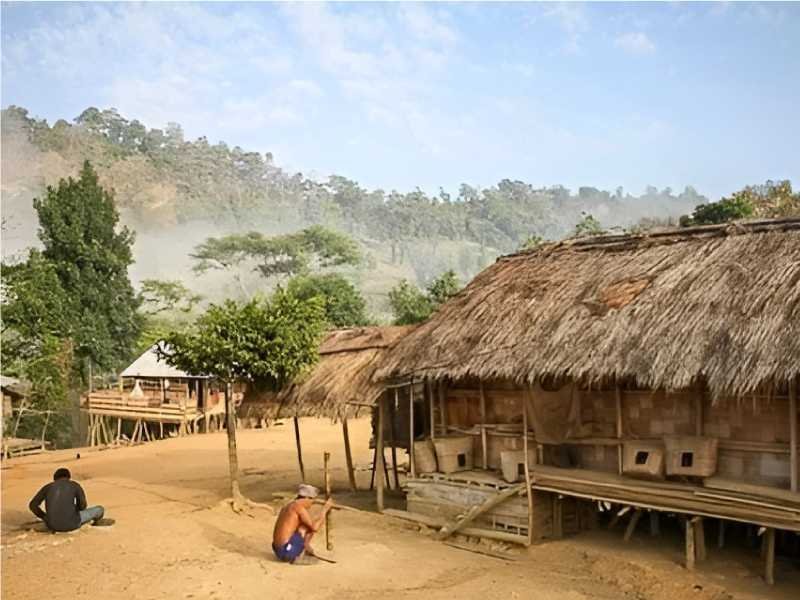
Ethnic Community Homestays in the Chittagong Hill Tracts
Eleven peoples, one extraordinary highland home
Explore More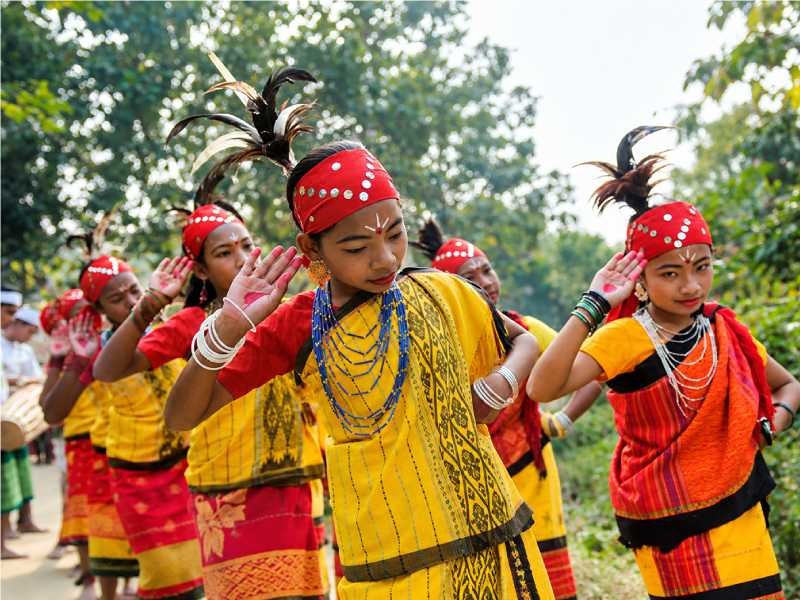
Experiencing the Garo Indigenous Culture in Madhupur Tract
A matrilineal community rooted in the Sal forest
Explore More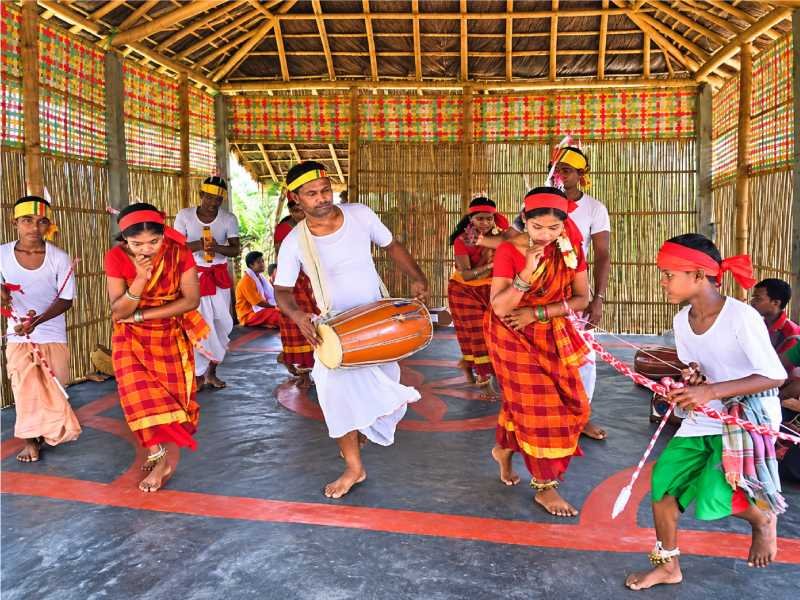
The Munda Community: Unexplored Heritage near the Mangrove
An indigenous people rebuilding cultural memory at the Sundarbans' edge
Explore More