

The Liberation War Museum
Documents, objects, and memories of Bangladesh's struggle for independence.
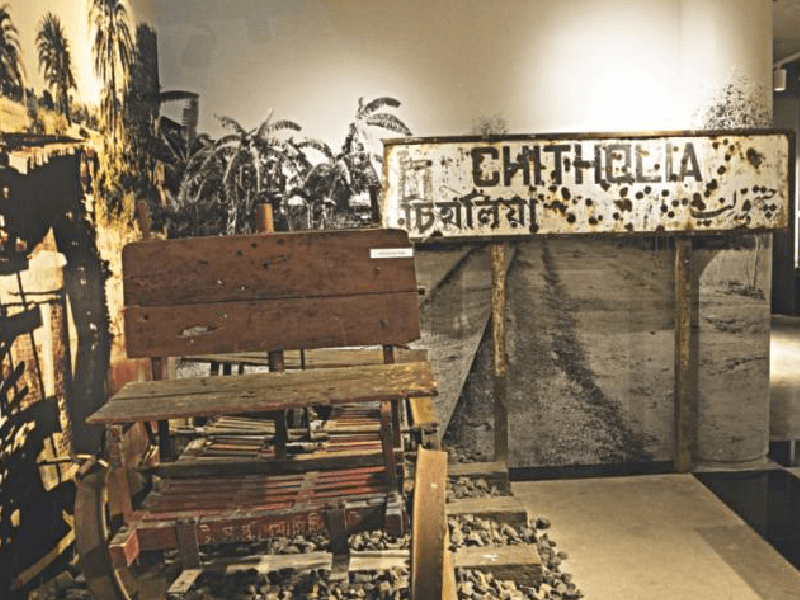
Remembering 1971. History Told Through Evidence, Memory, and Human Lives.
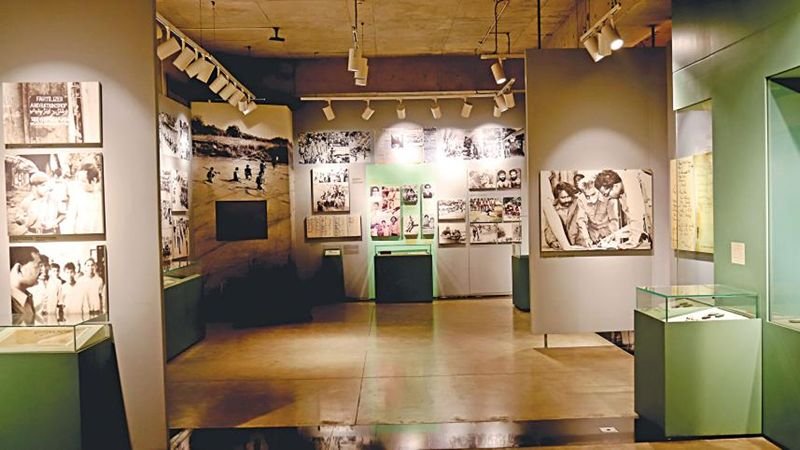
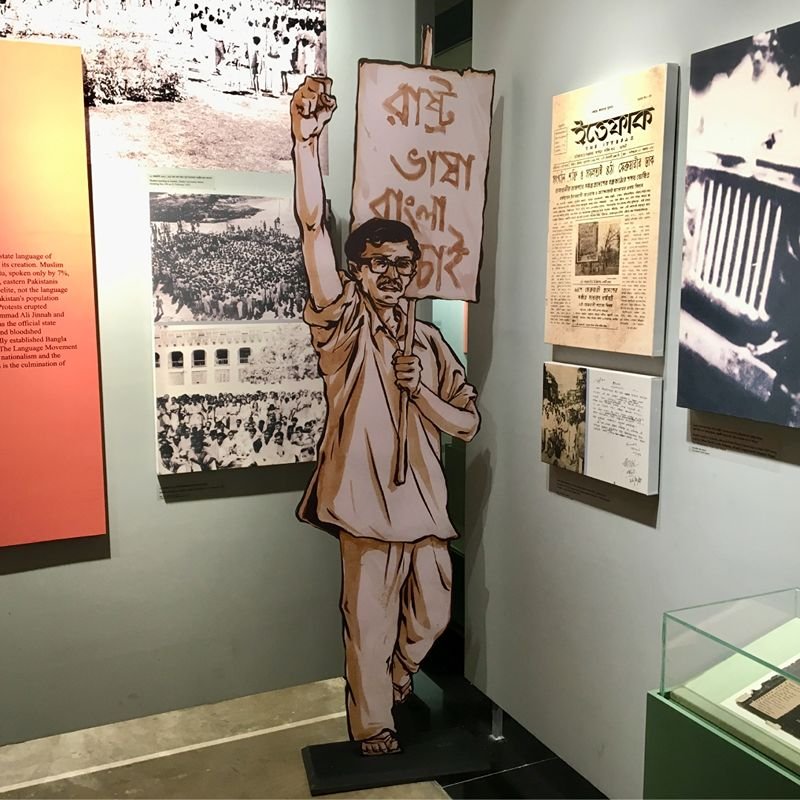
The Liberation War Museum in Agargaon offers one of Dhaka's most detailed introductions to the political struggle and human experience surrounding Bangladesh's independence. Citizens established the museum in 1996, and it initially operated from a smaller building in Segunbagicha. Public donations and fundraising played a major role in its development. The museum moved to its purpose-built Agargaon complex in 2017 after years of planning, architectural competition, construction, and fundraising. The present museum contains four main exhibition galleries. The first introduces Bengal's longer history and the political movements that preceded 1971. The remaining galleries explore the crisis leading into the Liberation War, Operation Searchlight, armed resistance, refugees, international responses, collaboration with the Pakistan military, the experiences of civilians, the killing of intellectuals, the final stages of the war, and victory. Documents and personal objects give the museum much of its emotional power. Exhibits include photographs, newspapers, letters, diaries, weapons, material from freedom fighters, refugee-related displays, audiovisual presentations, and other objects donated or preserved as historical evidence. The architecture also contributes to the visitor experience. The new complex contains 3,500 square meters of regular gallery space, a temporary gallery, library and research center, auditorium, archive facilities, seminar rooms, and spaces for education and public programs. Near the entrance, a symbolic flame of remembrance and water feature creates a place for reflection. It should not be confused with Shikha Chirantony, the separately located national memorial flame at Suhrawardy Udyan. The human cost of 1971 requires careful wording. Bangladesh's official estimate places the death toll at three million. Banglapedia notes that no definitive survey established an exact number, and scholarly estimates vary. Millions of people also fled their homes, with a vast refugee population crossing into India during the war.
Immersive Experience
No 360° Videos available
Destination Gallery
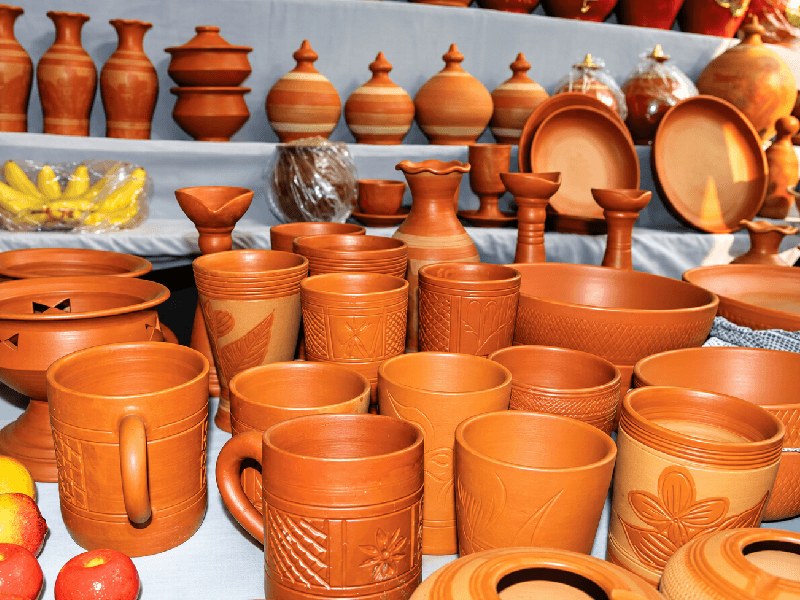
Shopping for Bangladeshi Crafts
Heritage textiles, artisan traditions, and contemporary Bangladeshi design
Explore More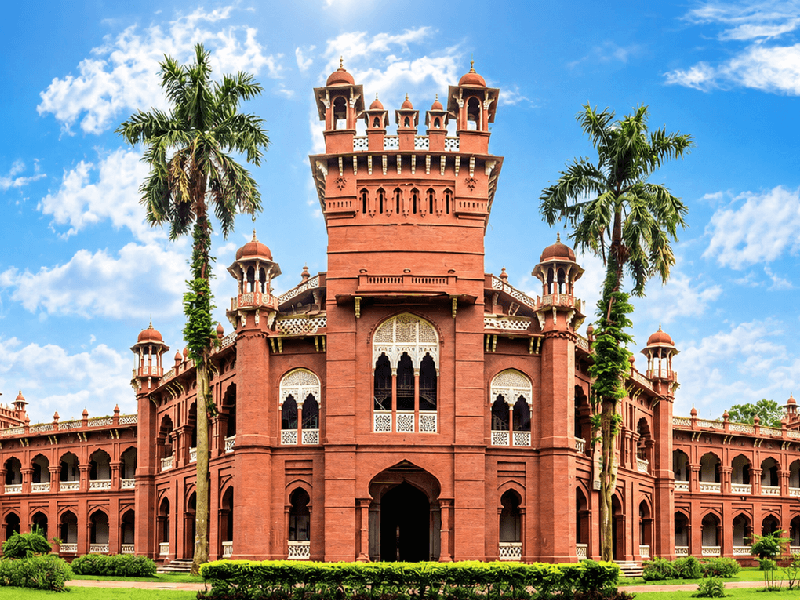
Dhaka University & Charukala
A campus shaped by education, political movements, architecture, and art
Explore More