

Shopping for Bangladeshi Crafts
Heritage textiles, artisan traditions, and contemporary Bangladeshi design
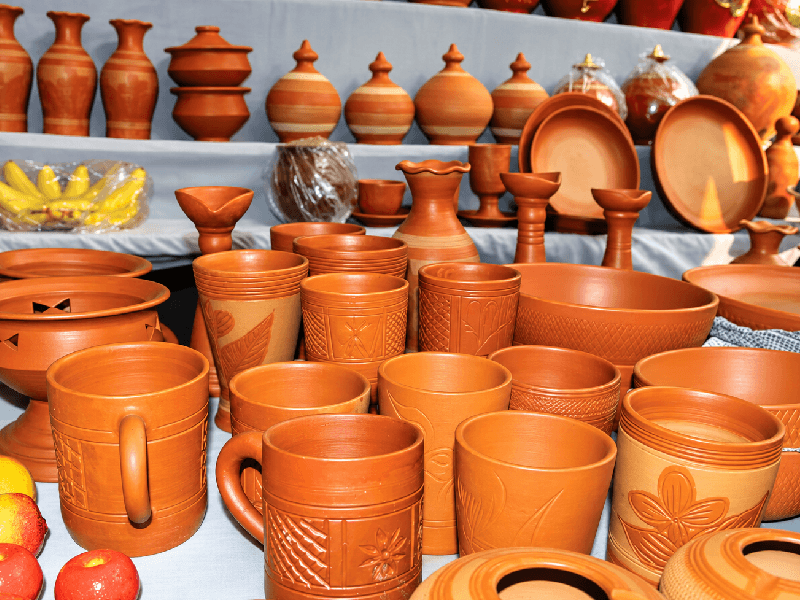
Made by Hand. Take Home a Piece of Bangladesh's Craft Heritage. Dhaka brings together craft traditions from almost every region of Bangladesh. A visitor can move from polished design stores to old artisan neighborhoods, comparing contemporary interpretations with forms that families have practiced for generations. Aarong offers one of the broadest introductions. The BRAC social enterprise currently works with more than 87,000 artisans across Bangladesh, including potters, brass workers, jewelers, jute craftspeople, basket makers, handloom weavers, silk workers, leather artisans, and embroiderers. Its Dhanmondi flagship opened in March 2025. The 60,000-square-foot, eight-floor outlet later received a Guinness World Records title in 2026 as the World's Largest Craft Store. The space combines retail with large craft installations and displays of Bangladeshi design traditions. Visitors who want natural-dye textiles can explore brands such as Aranya. The company works with plant-based colors including indigo, madder, jackfruit, and other natural materials, while collaborating with weavers and craft producers. Old Dhaka offers a very different shopping experience. Shankhari Bazar is a roughly 400-year-old neighborhood named after the Shankhari community and its tradition of carving conch-shell bangles. Artisans continue to produce shankha and other shell objects, although the craft now faces pressure from changing markets and declining numbers of practitioners. Jamdani deserves special attention. UNESCO inscribed the Traditional Art of Jamdani Weaving on its Representative List in 2013. The historic weaving heartland lies around Rupganj, Sonargaon, and Siddhirganj in the greater Dhaka-Narayanganj region. Complex Jamdani requires painstaking supplementary-weft work and can take months to complete. Dhakai Muslin also belongs to Dhaka's textile story. The historic ultra-fine muslin industry declined dramatically, but modern research and revival efforts mean it is no longer accurate to describe the tradition simply as extinct.
Immersive Experience
No 360° Videos available
Destination Gallery
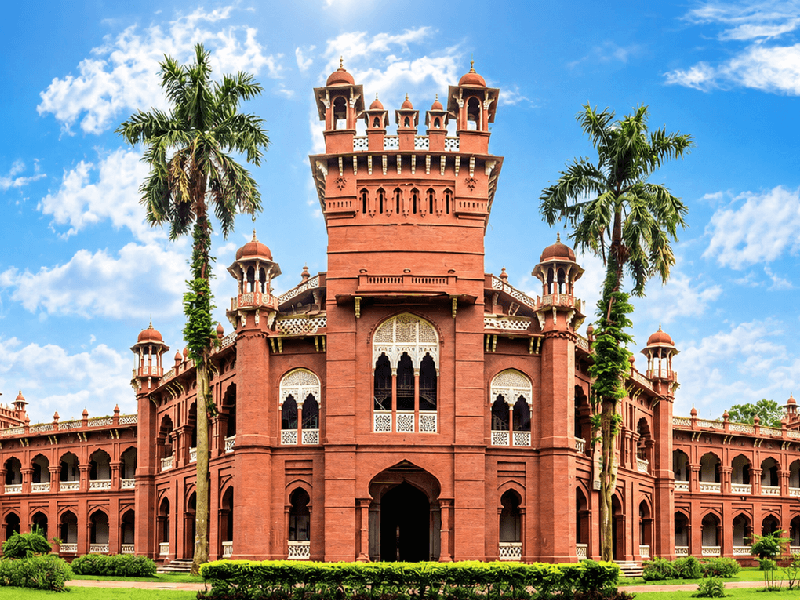
Dhaka University & Charukala
A campus shaped by education, political movements, architecture, and art
Explore More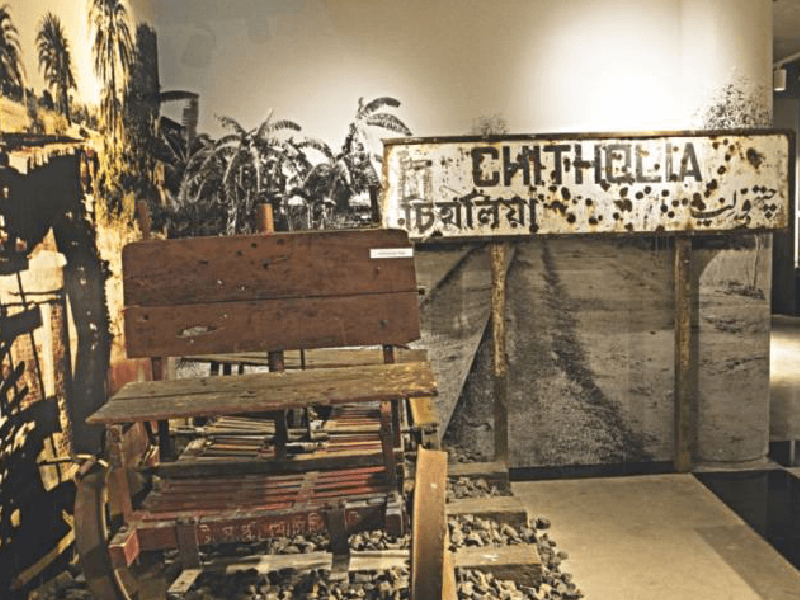
The Liberation War Museum
Documents, objects, and memories of Bangladesh's struggle for independence.
Explore More