

Taste of Bangladesh
Cross Bangladesh by plate, from mezban and shatkora to hilsa, pitha and street snacks
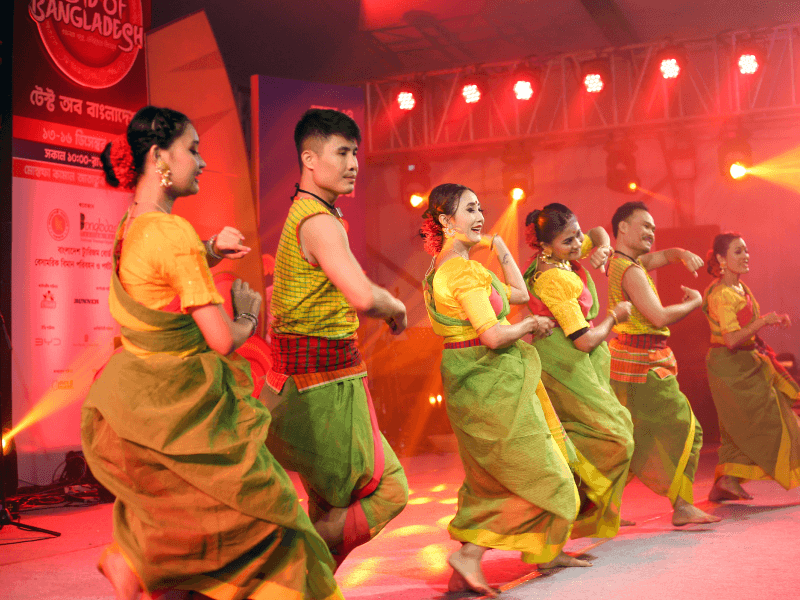
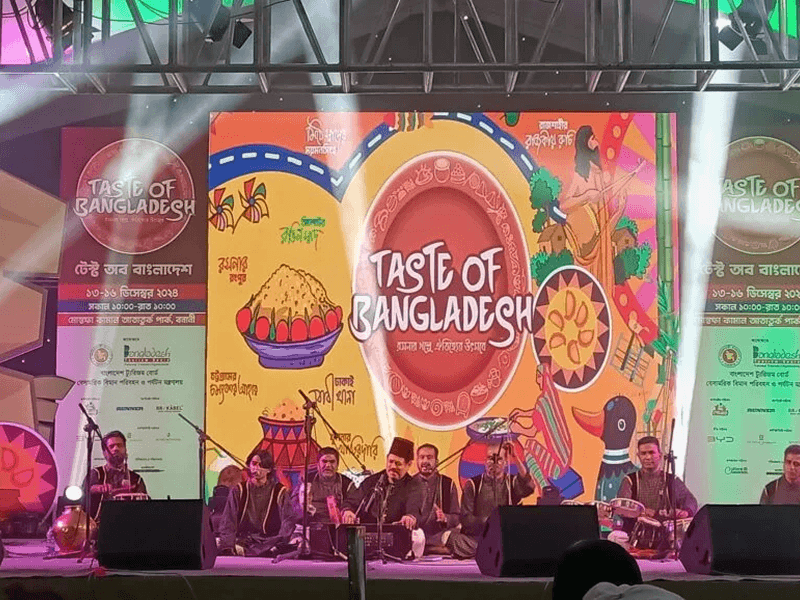
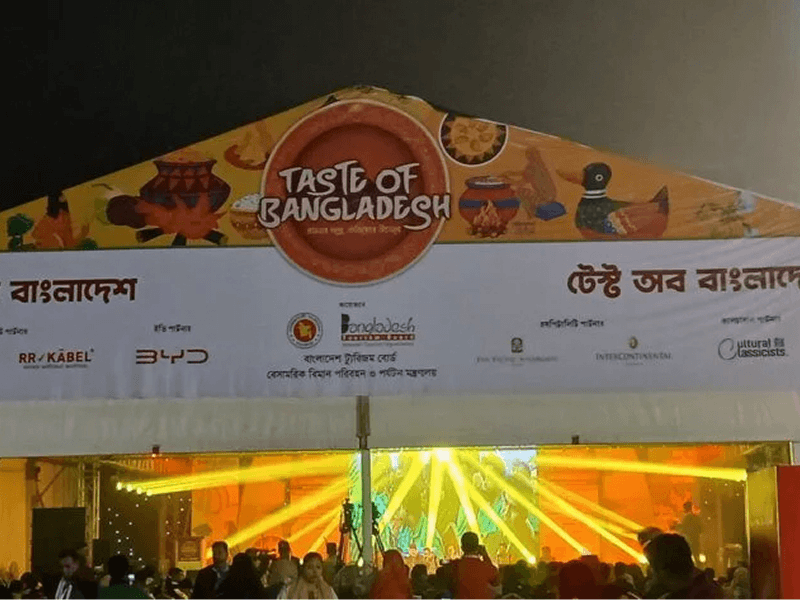
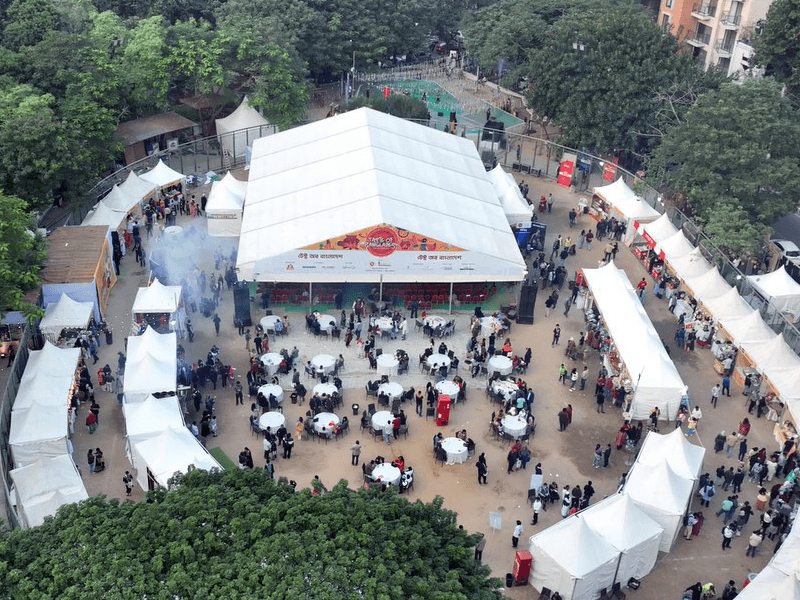
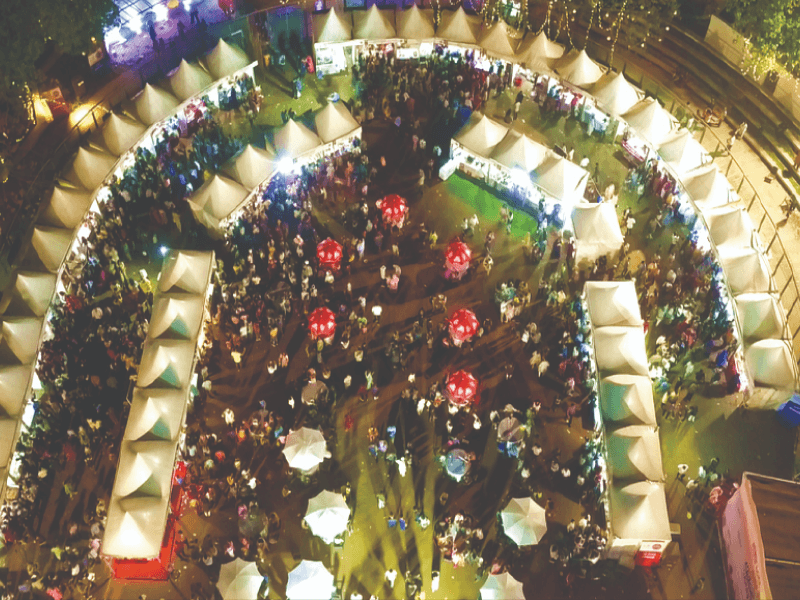
To understand Bangladesh, one must understand its food—a vibrant, fiery, and deeply romantic love affair with spices, fresh river catch, and ancient culinary heritage. "Taste of Bangladesh" is a premier, feast-for-the-senses gastronomic festival that gathers the country's most iconic regional dishes under a single, grand roof. From the slow-cooked, royal feasts of the urban capitals to the rustic, clay-pot curries of the deep countryside, this festival offers international food lovers an extraordinary, mouth-watering journey through one of the world's most rich yet undiscovered culinary landscapes.
The festival grounds operate as a living map of Bangladeshi gastronomy, where every stall represents a distinct region with its own fiercely guarded recipes. Guests are immediately greeted by the intoxicating, rich aroma of Mezban, Chattogram's legendary spice-laden beef feast cooked in massive copper cauldrons over open wood fires. A few steps further, the air changes to the sharp, citrusy fragrance of Sylhet's Shatkora beef, followed by the fiery, aromatic kick of Khulna's Chui Jhal (wild pepper stem) curries. For seafood lovers, the undisputed queen of the festival is the Ilish (Hilsa fish), prepared in dozens of divine ways, from mustard-infused steams to delicate charcoal grills.
Beyond the savory curries, the festival celebrates the country's legendary, centuries-old street food and dessert culture. Visitors can witness master chefs tossing crisp, flaky Parathas, assembling spicy, tangy Fuchka on the spot, or pouring steaming cups of cardamom-infused milk tea (Doodh Cha).
What transforms "Taste of Bangladesh" into an unforgettable cultural event is the deep, genuine warmth of the culinary artisans. Here, food is not just served; it is presented as a gift of love and hospitality.
Treat this as an edition-based food event and publish its date, venue and vendor list only after organiser confirmation. A strong tasting plan starts with small portions, safe drinking water and questions about chilli, allergens and meat. Seek stalls that name their cooks and regional origin rather than assuming every recipe is ancient or geographically exclusive. GI status should be claimed only when the specific product appears in the current official register. Choose freshly cooked food from busy, hygienic counters, keep raw and cooked items separate, and leave space for conversation: the people behind the dish are part of the journey.
Immersive Experience
No 360° Videos available
Destination Gallery
Pohela Boishakh
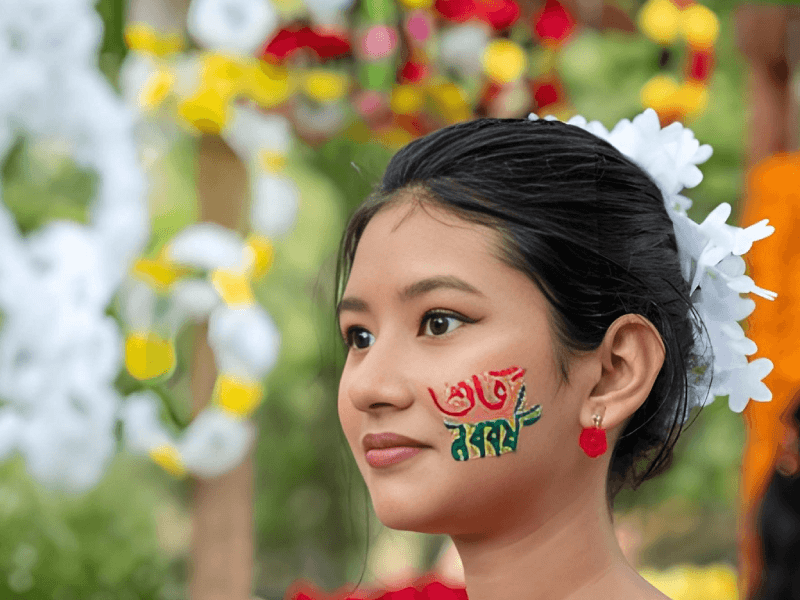
Welcome the Bengali New Year with dawn songs, street art and a UNESCO-recognised procession
Explore More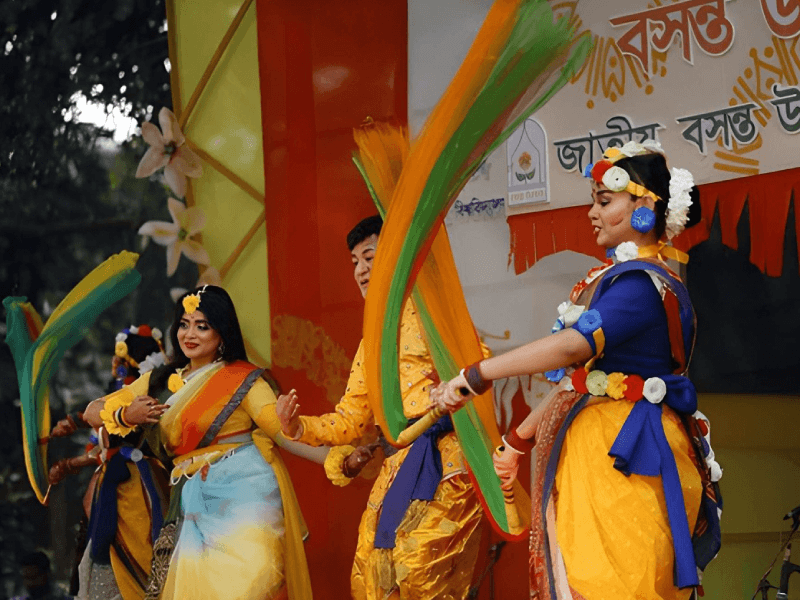
Boshonto Utshob
Meet the first day of Falgun in a blaze of yellow dress, poetry and open-air song
Explore More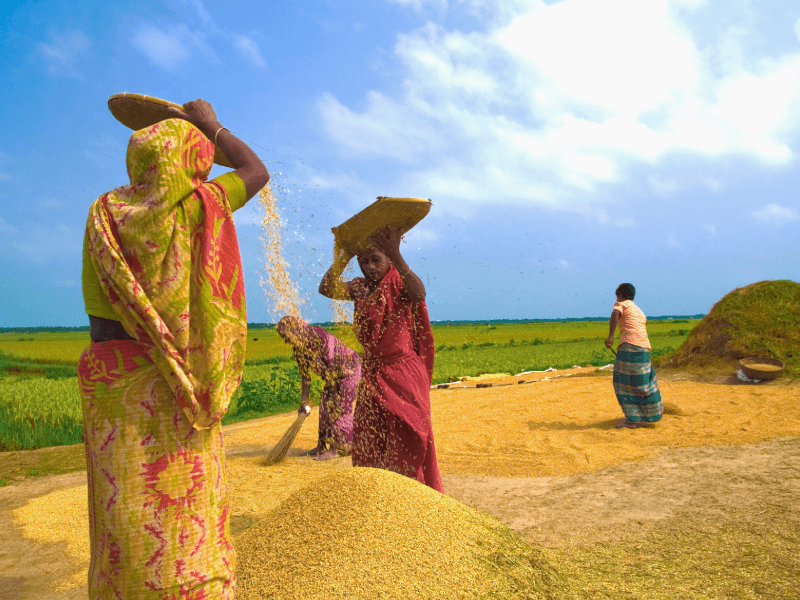
Nobanno Utshob
Follow the new rice harvest from golden fields to pitha, folk song and village fairs
Explore More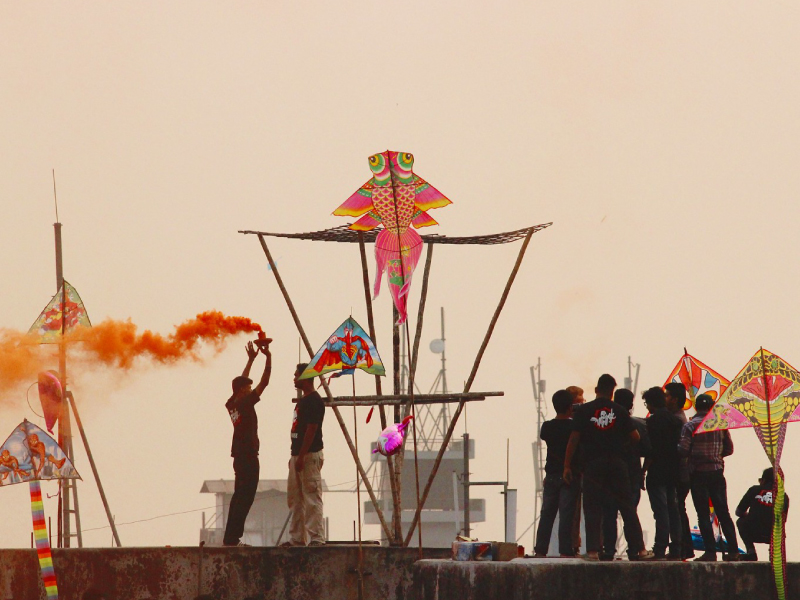
Shakrain
Watch Old Dhaka’s mid-January sky erupt with kites above its tight historic lanes
Explore More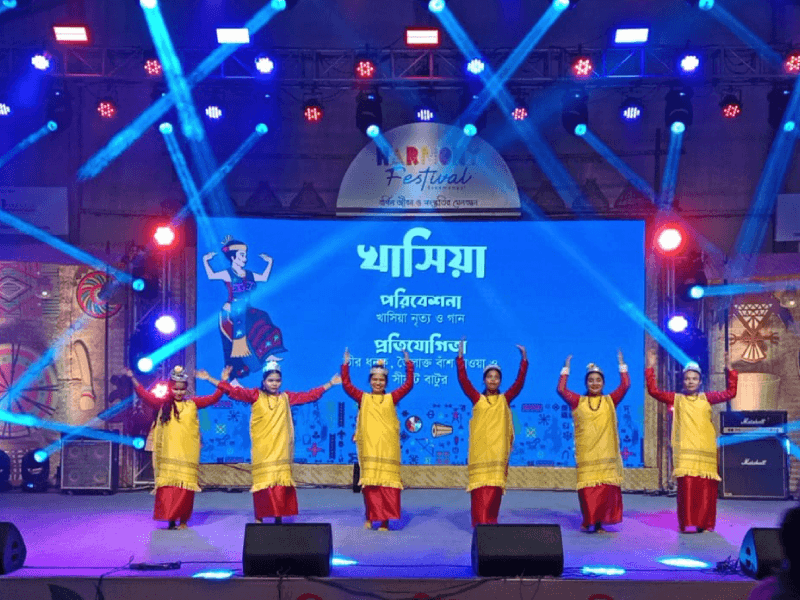
Harmony Festival
Enter Sreemangal’s tea landscape for a celebration of community, craft and cultural coexistence
Explore More