

Boshonto Utshob
Meet the first day of Falgun in a blaze of yellow dress, poetry and open-air song
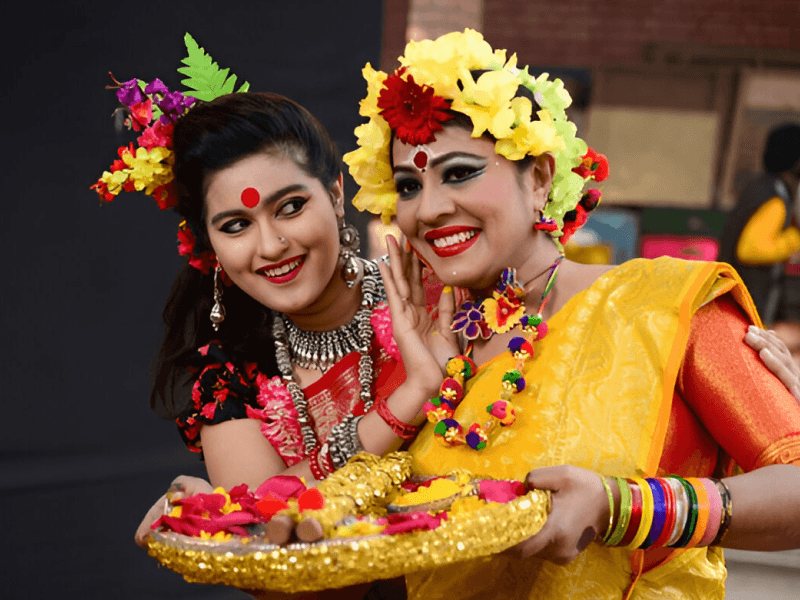
As the chilly fogs of winter finally lift, the landscape of Bangladesh undergoes a breathtaking, fiery transformation. The branches of bare trees suddenly burst into brilliant shades of crimson and gold as the Krishnachura and Shimul flowers come into full bloom. This magnificent natural rebirth sets the stage for Boshonto Utshob, the Spring Festival, celebrated on the first day of the Bengali month of Falgun. Deeply poetic and impossibly romantic, this festival offers travellers a captivating glimpse into the softer, deeply artistic heartbeat of Bengal, where nature and human emotion intertwine in perfect harmony.
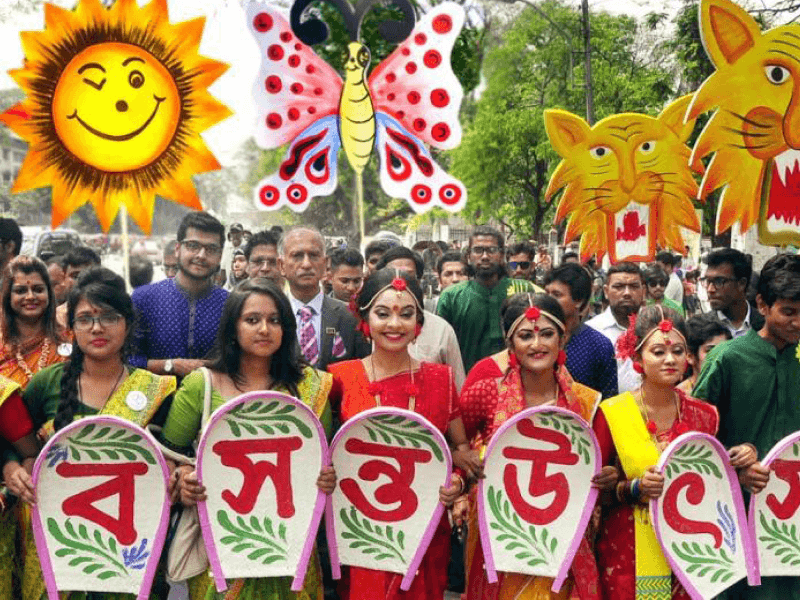
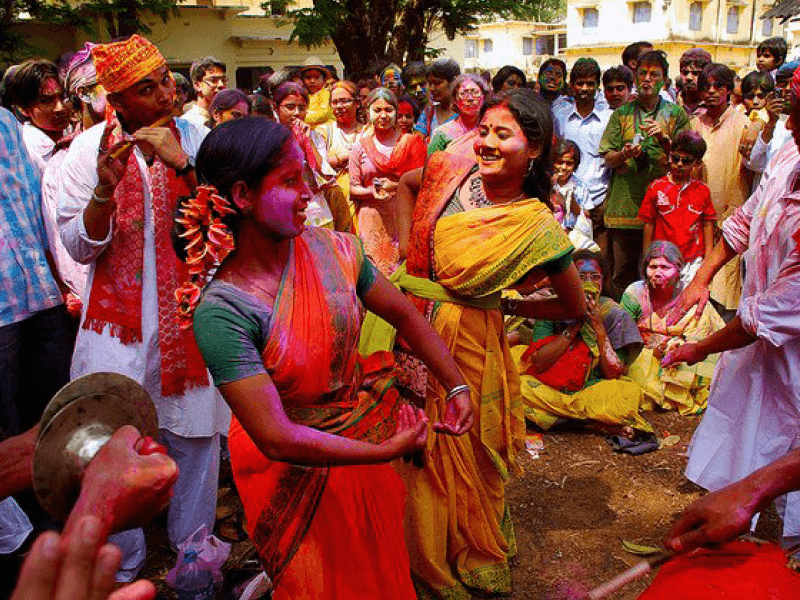
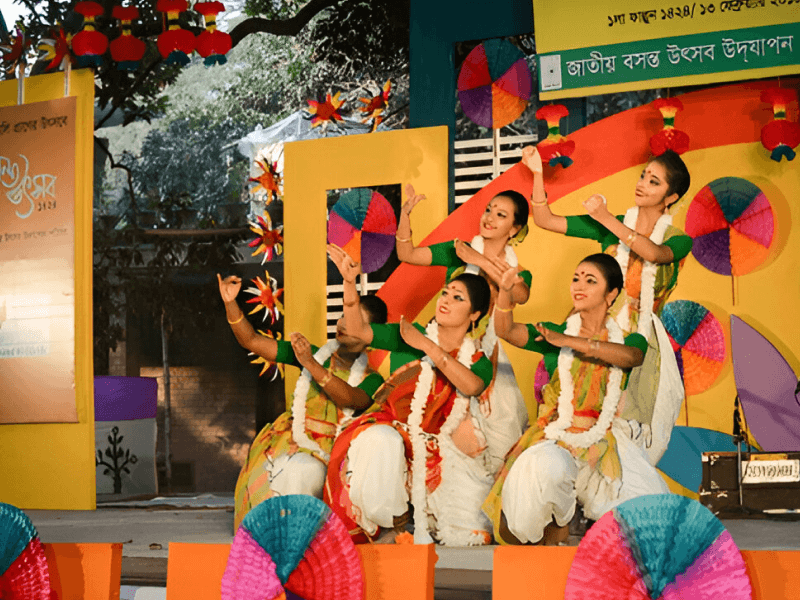
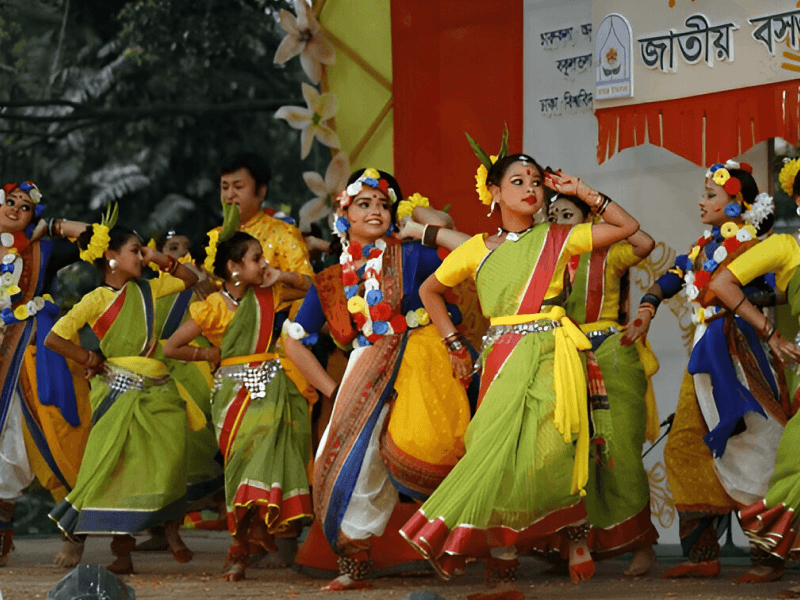
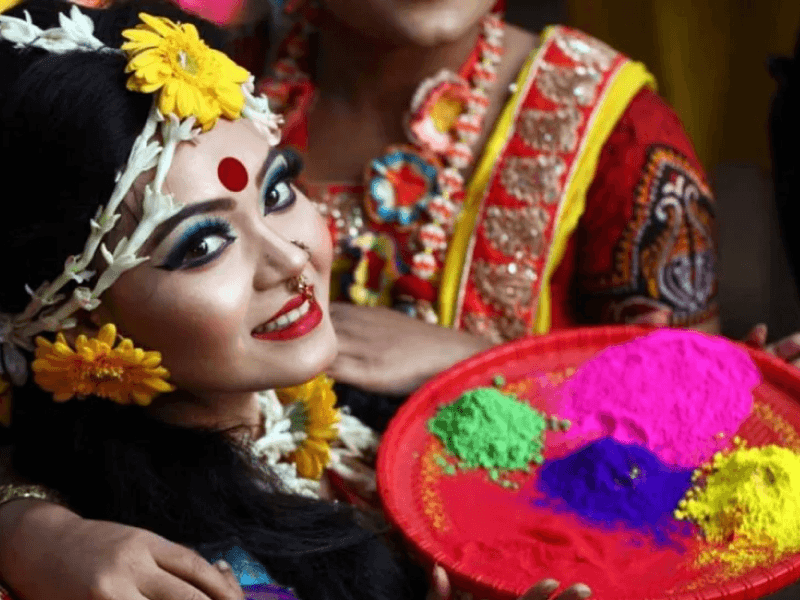
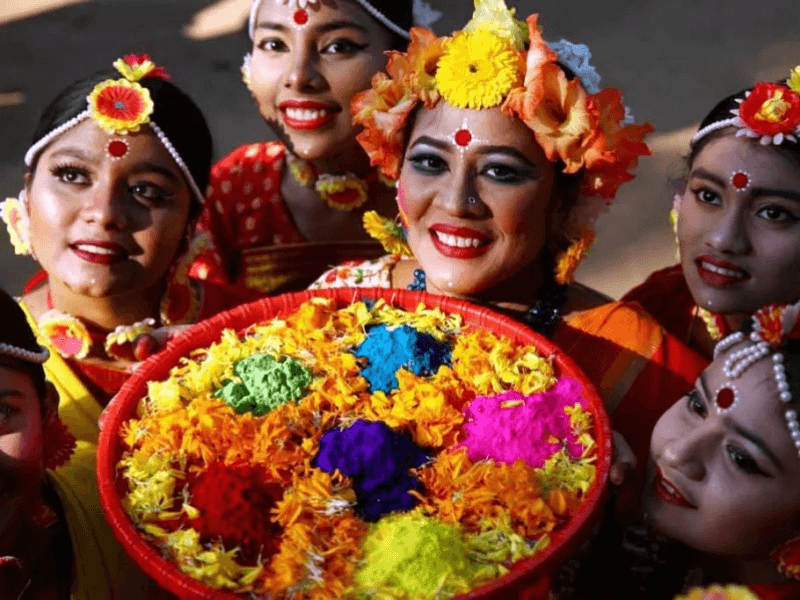
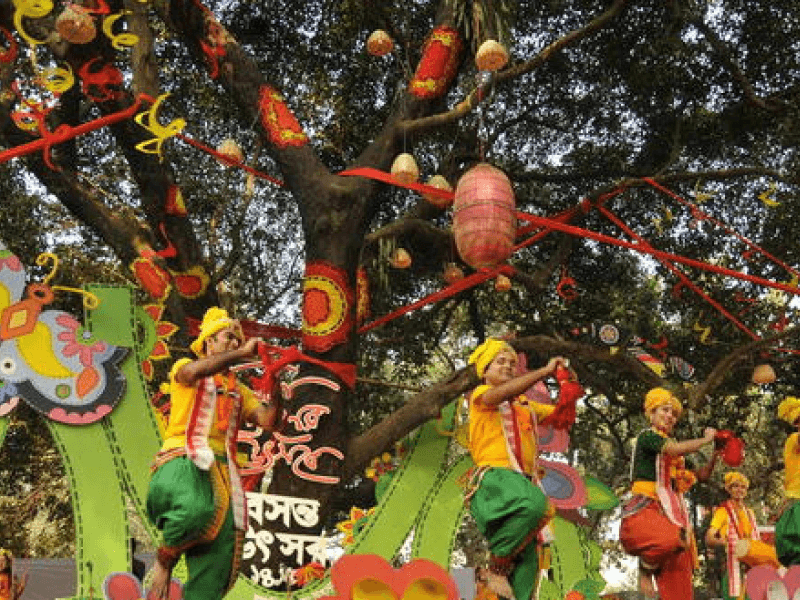
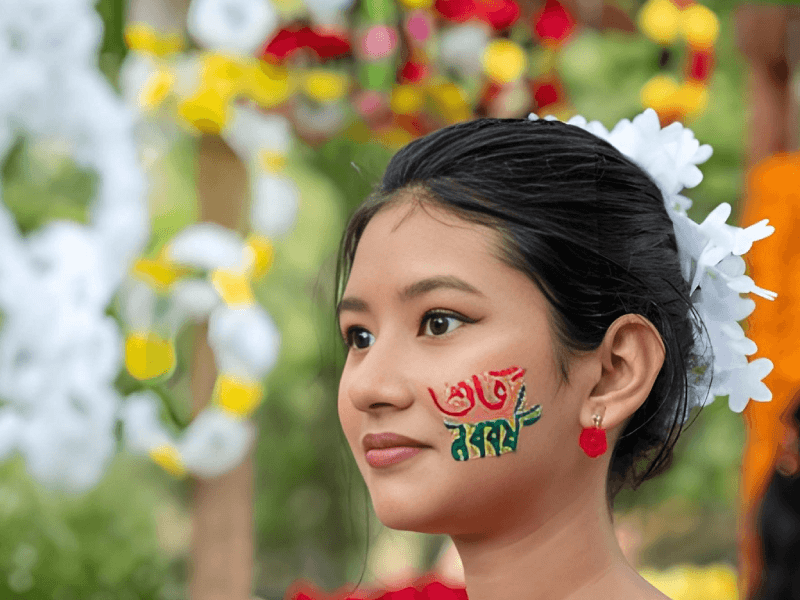
The visual impact of Boshonto Utshob is simply extraordinary. On this day, the entire country seems to be submerged in a radiant sea of Basanti, a brilliant, cheerful shade of marigold yellow and fiery orange. The epicentre of this jubilant celebration is the historic Bakultola at the Faculty of Fine Arts in Dhaka. From the early hours, crowds gather and the university area takes on the colours of a moving spring garden. Women adorn themselves in yellow sarees, their wrists heavy with glass bangles, and wear elaborate, fragrant floral crowns made of fresh marigolds and roses. The sheer explosion of colour provides a dreamlike, highly photogenic atmosphere that leaves foreign visitors completely spellbound.
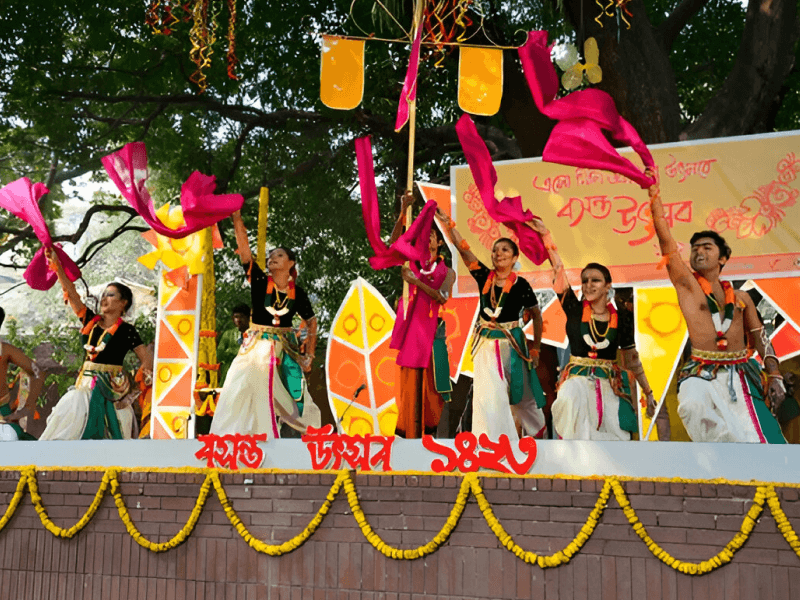
Beyond its stunning visual appeal, Boshonto Utshob is fundamentally a celebration of the arts. The air is heavily perfumed with the scent of spring blossoms and filled with continuous, enchanting melodies. Open-air stages host mesmerizing performances where artists recite passionate poetry, and dancers move gracefully to the timeless spring melodies composed by Rabindranath Tagore and Kazi Nazrul Islam. The rhythmic jingle of anklets (ghungroos) and the soft beats of the tabla echo through the crowds, creating a deeply immersive, almost hypnotic cultural experience.
A traveller can treat the day as a compact cultural walk: begin with the announced morning programme near Bakultala, move through the university quarter and pause for performances rather than chasing every stage. The exact Gregorian date and venue schedule should be checked each year because organisers and the Bengali calendar determine the programme. Ask before photographing close portraits or applying floral face paint, and do not block students or performers. A yellow scarf or simple local dress is enough to join the mood without turning the celebration into costume tourism.
Immersive Experience
No 360° Videos available
Destination Gallery
Pohela Boishakh
Welcome the Bengali New Year with dawn songs, street art and a UNESCO-recognised procession
Explore More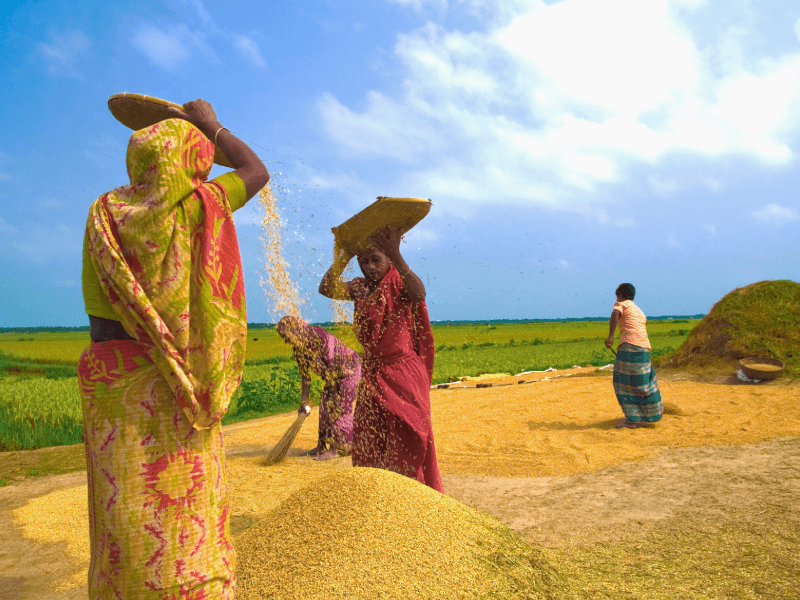
Nobanno Utshob
Follow the new rice harvest from golden fields to pitha, folk song and village fairs
Explore More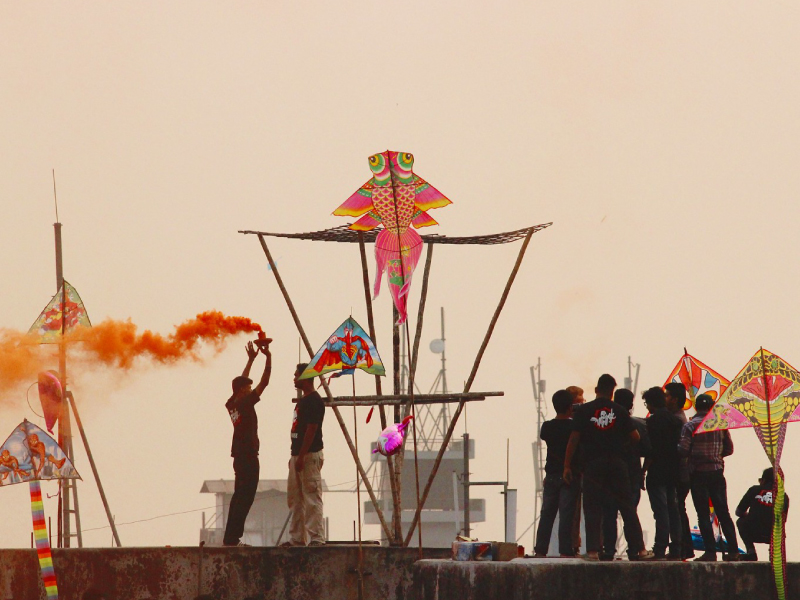
Shakrain
Watch Old Dhaka’s mid-January sky erupt with kites above its tight historic lanes
Explore More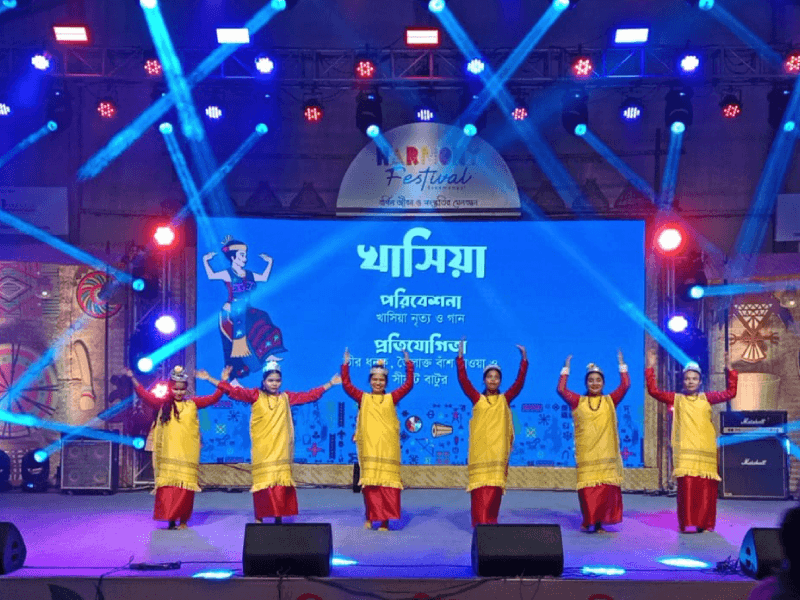
Harmony Festival
Enter Sreemangal’s tea landscape for a celebration of community, craft and cultural coexistence
Explore More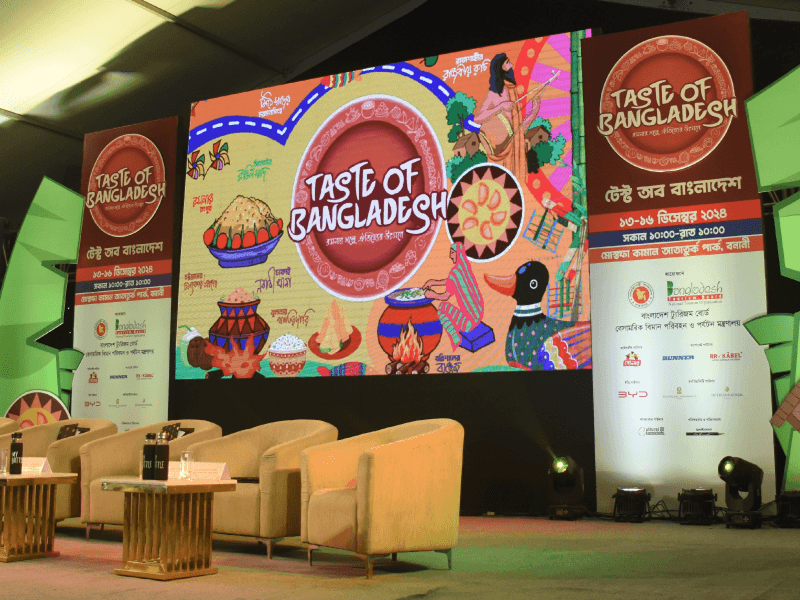
Taste of Bangladesh
Cross Bangladesh by plate, from mezban and shatkora to hilsa, pitha and street snacks
Explore More