

Nobanno Utshob
Follow the new rice harvest from golden fields to pitha, folk song and village fairs
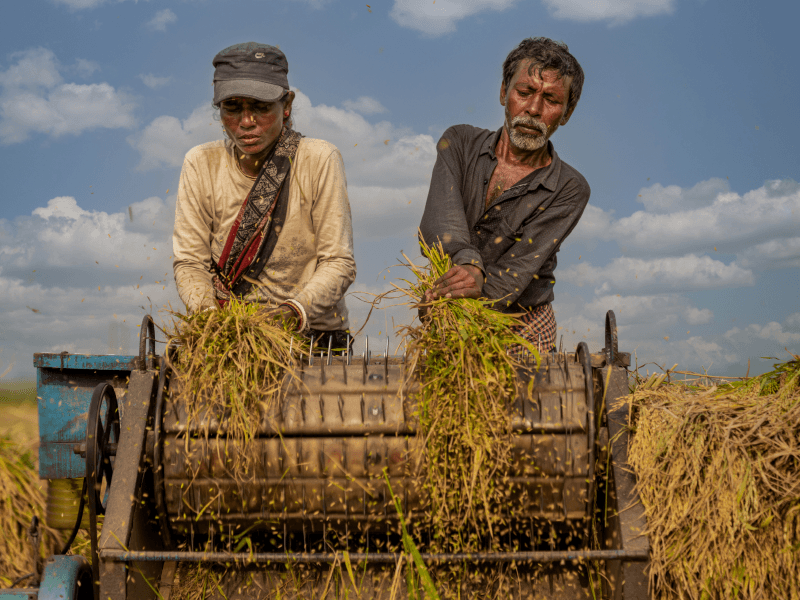
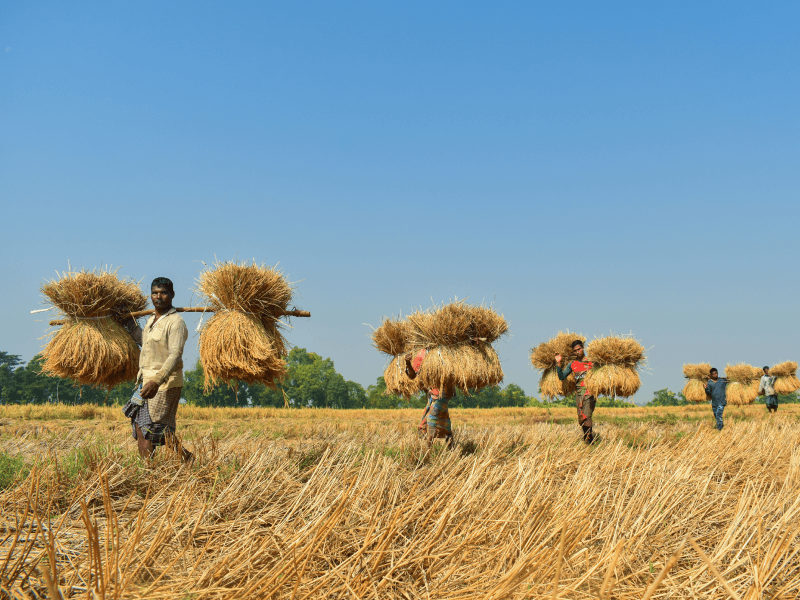
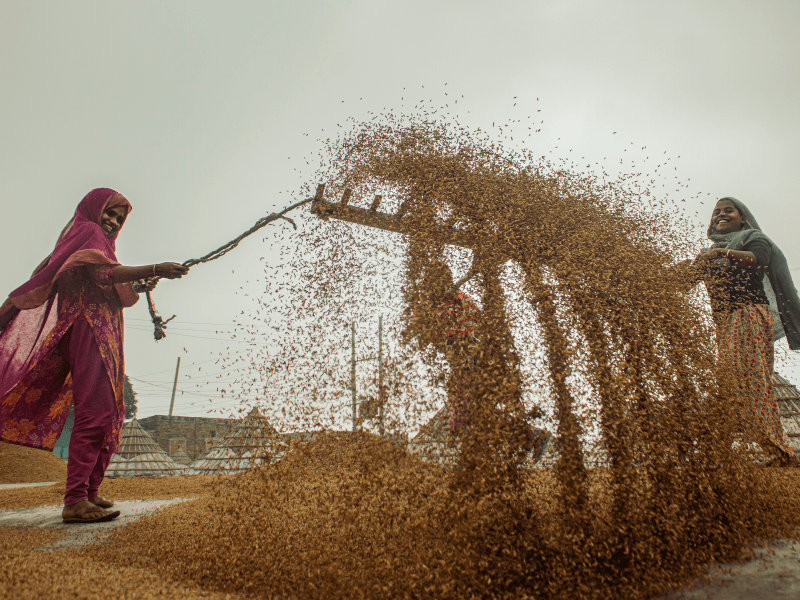
Far from the bustling, neon-lit streets of the capital, the true, ancient heart of Bangladesh beats in its sweeping, emerald-green villages. When the Bengali month of Agrahayan arrives in late autumn, the endless paddy fields turn into shimmering oceans of gold, signaling the time for Nobanno Utshob—the Festival of the New Harvest. Deeply rooted in the country's agrarian history, this festival is a profound, sensory-rich homage to the fertile soil and the tireless hands of the farmers. For the cultural traveler, Nobanno offers a rare, authentic journey into the rustic, untouched beauty and legendary hospitality of rural Bengal.
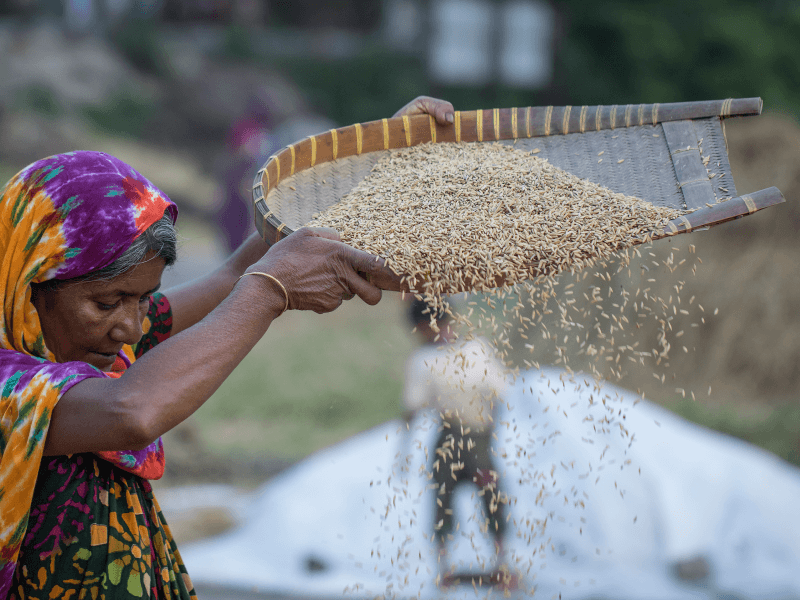
The essence of Nobanno is first experienced through its irresistible aromas. As the newly harvested rice is brought home, the courtyards of village households come alive with the rhythmic, hypnotic thumping of the Dheki (a traditional wooden rice husker). The cool autumn air is soon heavily scented with the fragrance of freshly husked rice, boiling date palm jaggery (khejur gur), and warm coconut. This marks the beginning of the great communal feast, centred around the intricate art of making Pitha—traditional Bengali rice cakes. Women sit together in circular courtyards, sharing stories and laughter as they craft dozens of varieties of sweet and savory pithas, offering a culinary experience that is simply unavailable in any high-end restaurant.
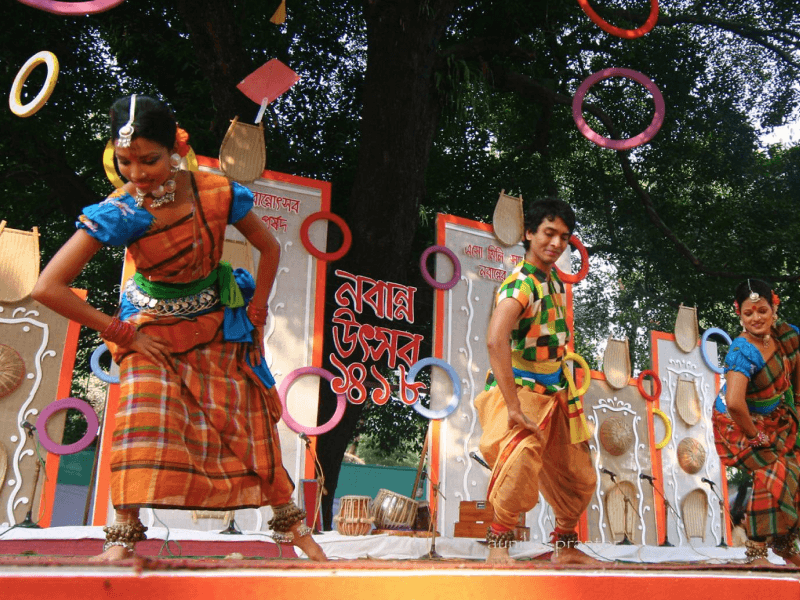
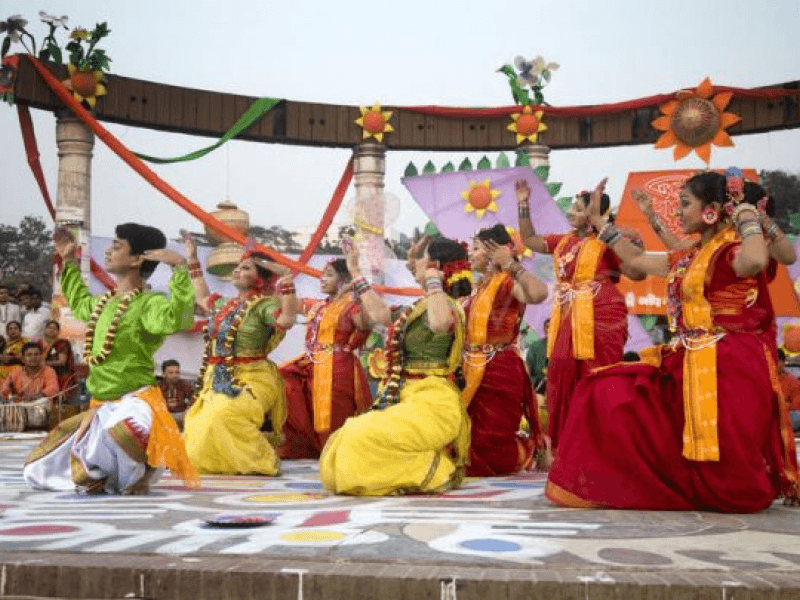
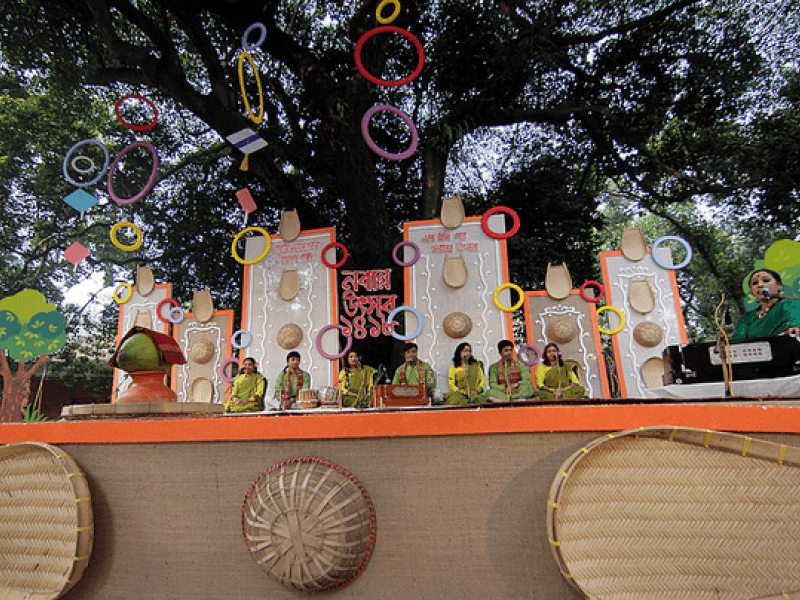
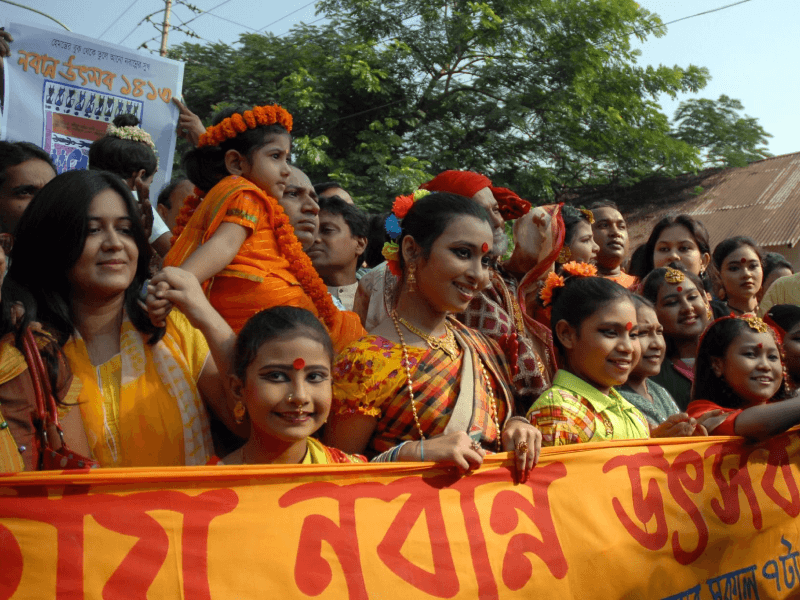
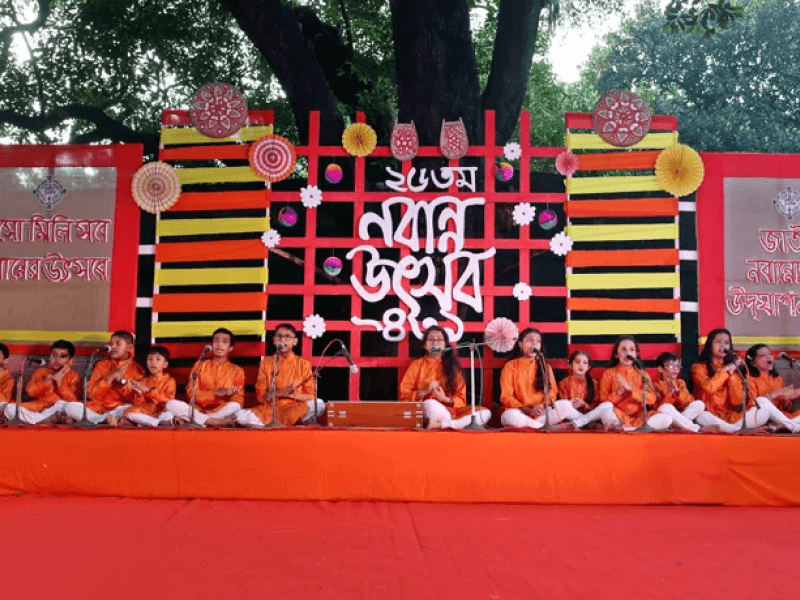
The festival brings a massive surge of life and energy to the rural landscapes. Vibrant village fairs, known as Nobanno Melas, pop up in open fields. As the evening approaches, the haunting, soulful melodies of wandering Baul singers float through the village, singing mystical songs that praise the earth, the rivers, and the eternal cycle of life and harvest.
There is no single national Nobanno venue. The most rewarding journey begins by choosing a publicly announced fair or accepting an invitation arranged through a trusted community contact. Harvest timing changes with crop, district and weather, so a field is not an open tourist site and a family courtyard is not public space. In Dhaka, cultural organisations may stage accessible programmes; in villages, ask before entering, photographing or tasting food. Buy directly from makers, avoid disrupting farm work and let hosts explain which dishes genuinely use the season’s new rice.
Immersive Experience
No 360° Videos available
Destination Gallery
Pohela Boishakh
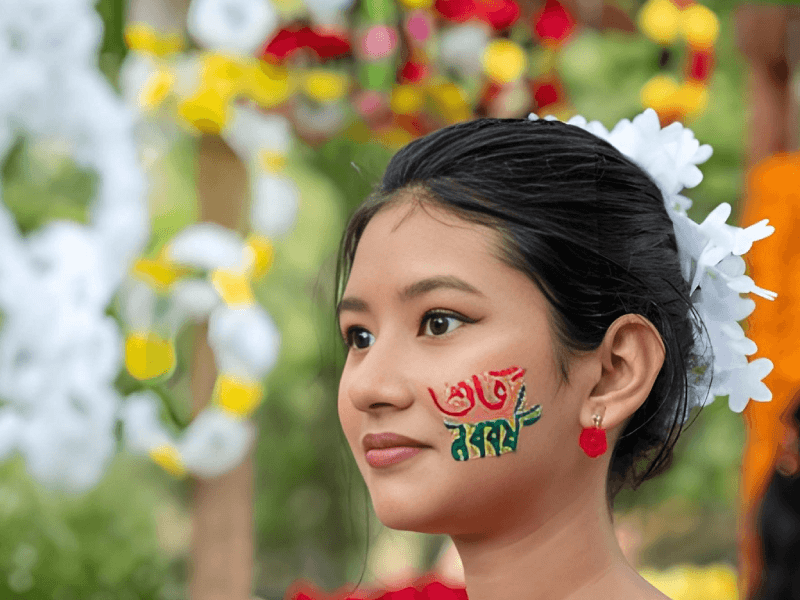
Welcome the Bengali New Year with dawn songs, street art and a UNESCO-recognised procession
Explore More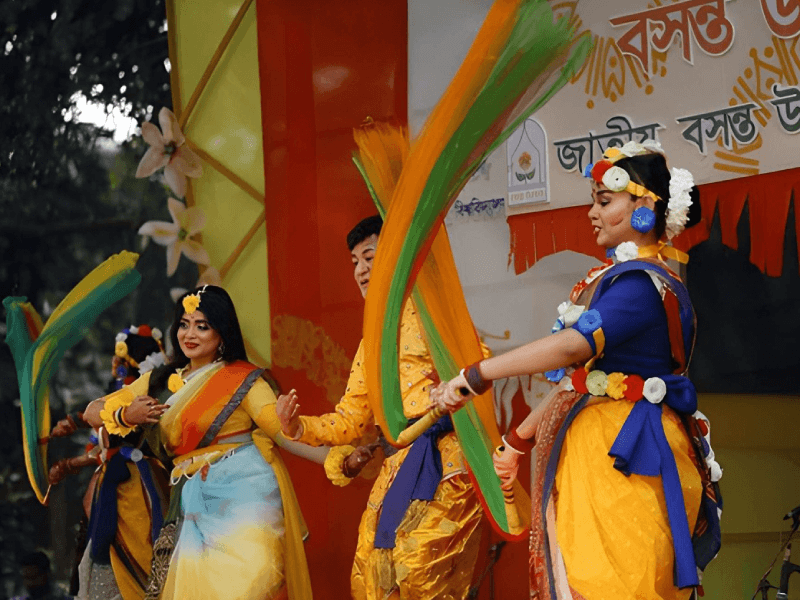
Boshonto Utshob
Meet the first day of Falgun in a blaze of yellow dress, poetry and open-air song
Explore More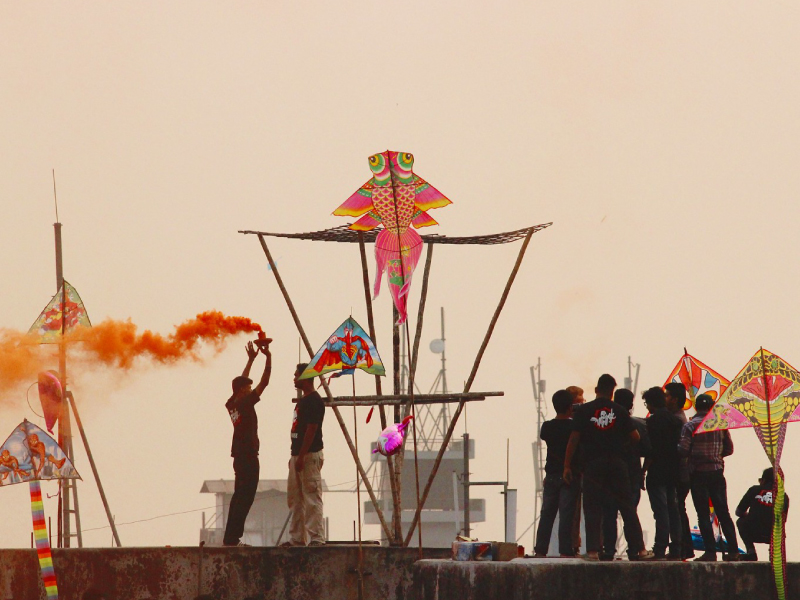
Shakrain
Watch Old Dhaka’s mid-January sky erupt with kites above its tight historic lanes
Explore More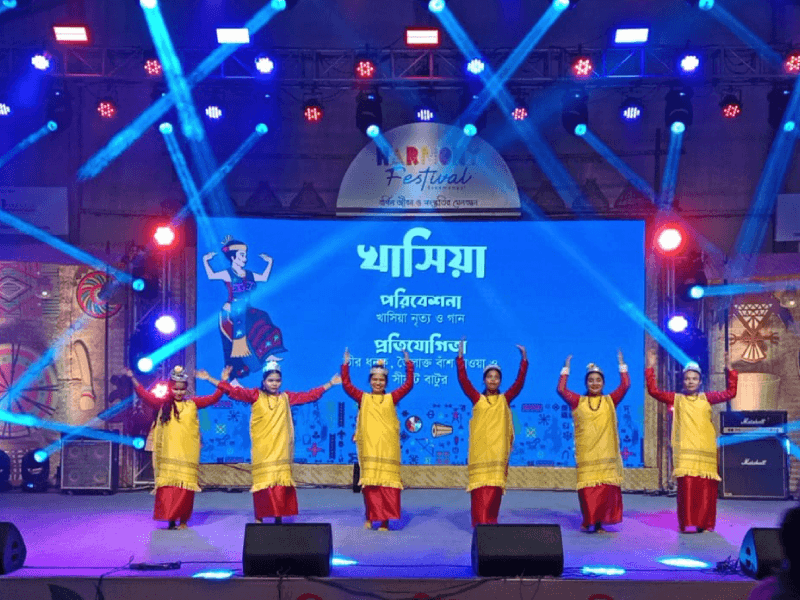
Harmony Festival
Enter Sreemangal’s tea landscape for a celebration of community, craft and cultural coexistence
Explore More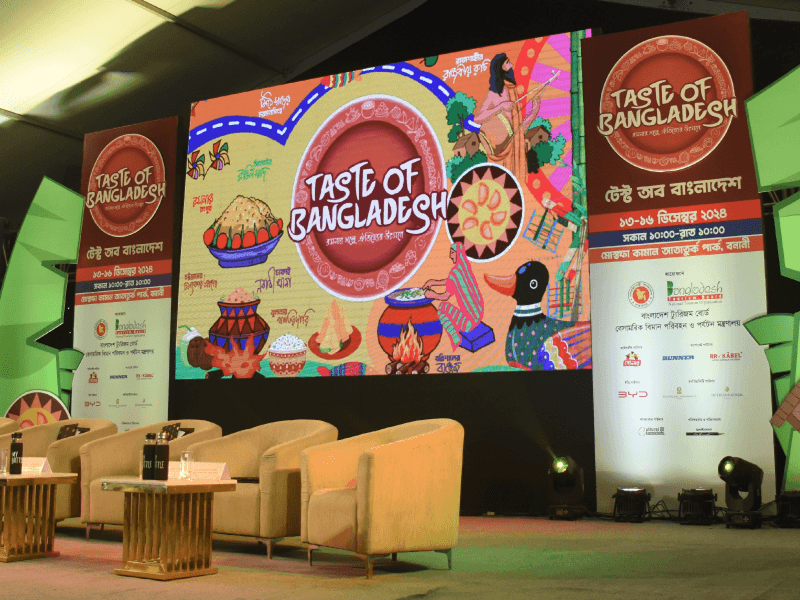
Taste of Bangladesh
Cross Bangladesh by plate, from mezban and shatkora to hilsa, pitha and street snacks
Explore More