

Sirajganj Lungi
Handmade heritage, patient skill and a living design tradition from Sirajganj.
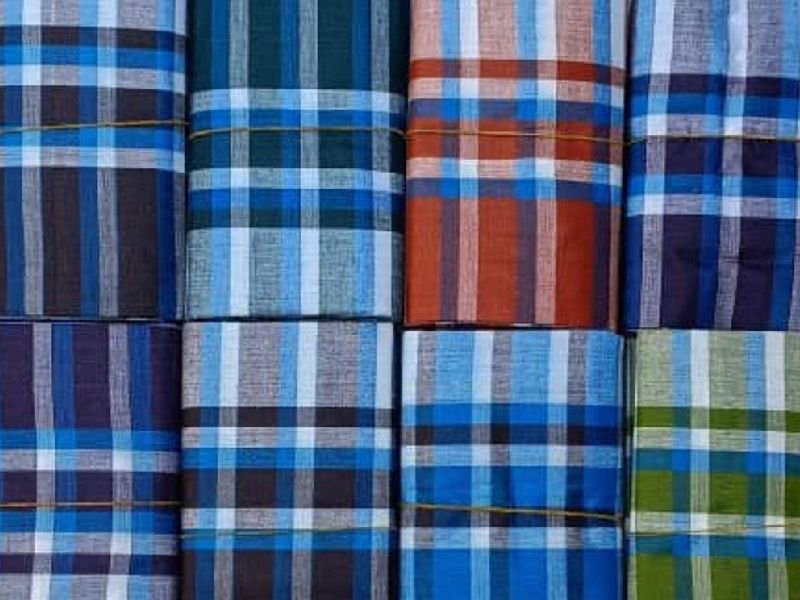
Follow the hands behind Sirajganj Lungi and meet a craft that still moves to the rhythm of the loom.
The hum of the wooden loom is a familiar heartbeat in the rural landscapes of northern Bangladesh. While modern factories dominate much of the nation's apparel sector, a steadfast community of artisans in areas like Belkuchi, Shahzadpur, and the weaving village of Tamai preserves a much older, highly tactile craft. They are the creators of the Sirajganj Lungi, an everyday garment that has transcended its simple utility to become a celebrated emblem of Bengali comfort, identity, and enduring heritage. A traditional Sirajganj Lungi is woven purely from fine, high-count cotton yarn. Unlike synthetic garments that trap body heat, the locally spun cotton creates a highly breathable, moisture-absorbing fabric tailored perfectly to the region's humid, tropical climate.
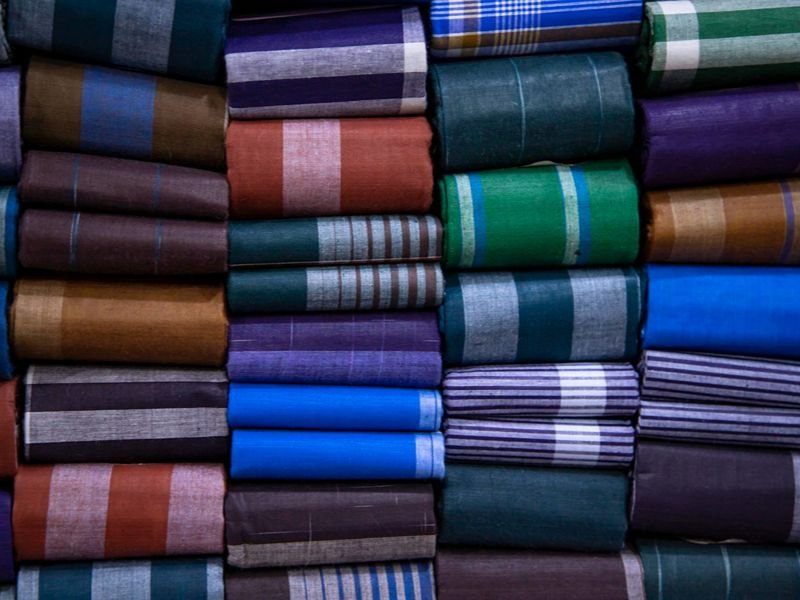
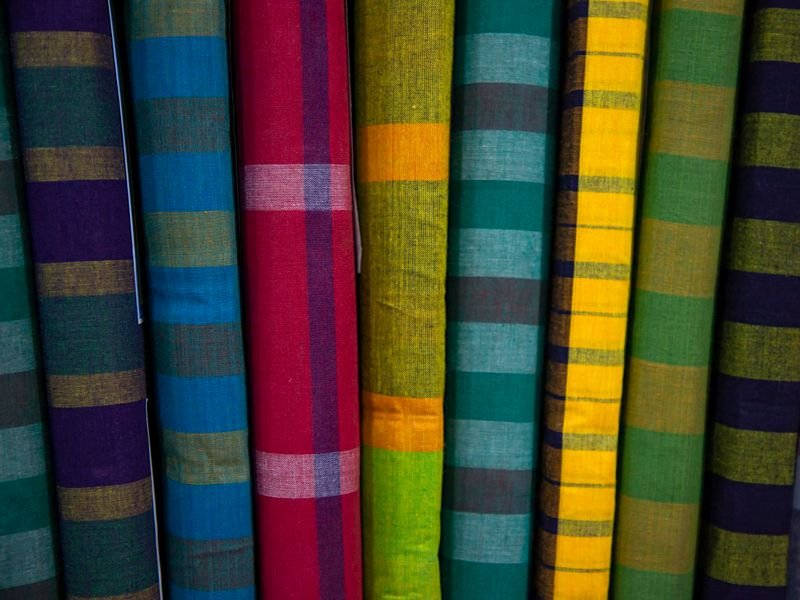
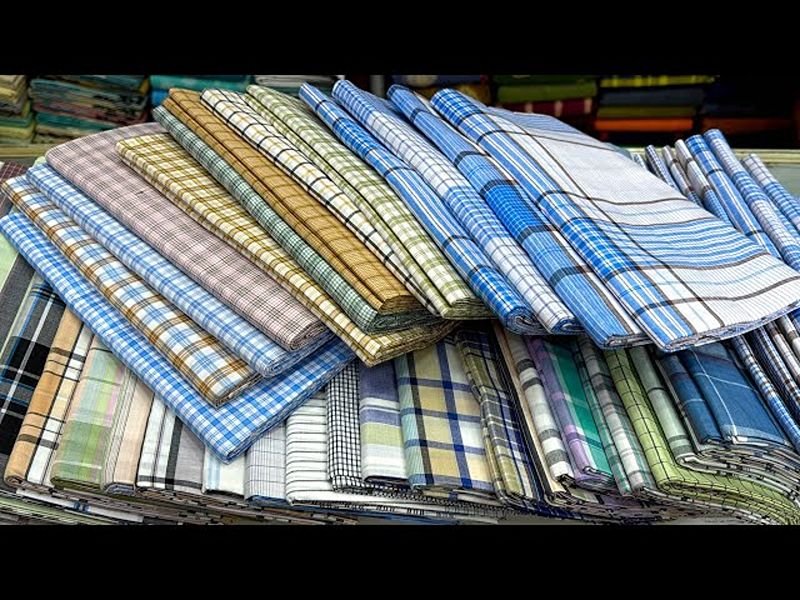
Visually, these pieces are striking. Artisans skillfully intertwine vibrant threads to form classic checks, deep stripes, and intricate, solid border patterns. The dyes are carefully chosen for their resilience, ensuring the rich blues, deep greens, and bold reds remain fast and vibrant even after countless washes in river water. The creation process is an intimate, generational trade. Long before dawn breaks, the weaving families of Enayetpur and Belkuchi begin warping the threads. The rhythmic clack of the shuttle moving back and forth is the sound of an entire local economy at work. Historically, this was exclusively a handloom enterprise, though many families have slowly adapted to semi-mechanized power looms to meet the sheer national demand.
Despite this mechanical modernization, the meticulous attention to thread tension, dye quality, and pattern design remains deeply rooted in traditional, inherited knowledge. The true economic engine of this craft is most visible at the bustling wholesale textile markets of Sohagpur and Shahzadpur. Twice a week, traders from every corner of the country descend upon these hubs to purchase massive bundles directly from the rural weavers. A high-quality Sirajganj weave is prized for its exceptional softness, which only improves and becomes gentler against the skin with age, making it the preferred leisure wear for millions. Wearing a Sirajganj Lungi is about embracing the authentic history of Bengal's textile mastery.
Immersive Experience
No 360° Videos available
Destination Gallery
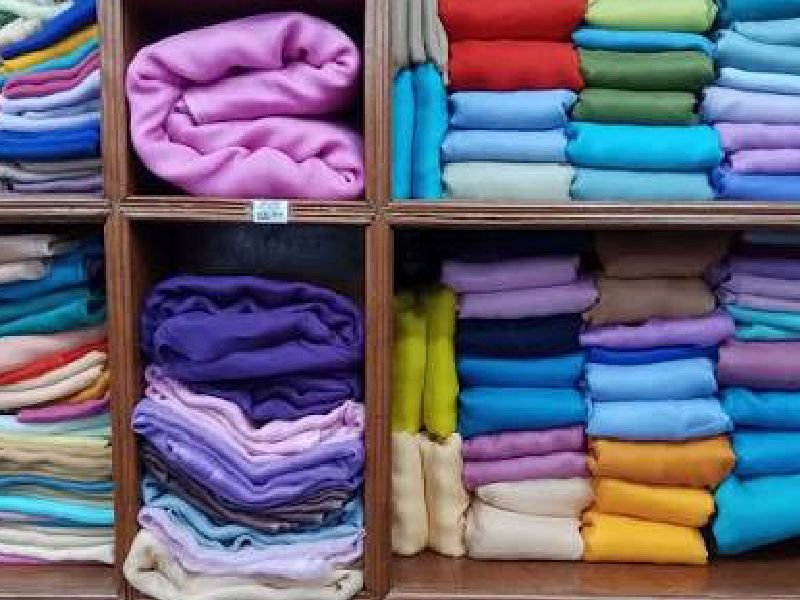
Rajshahi Silk
Handmade heritage, patient skill and a living design tradition from Rajshahi.
Explore More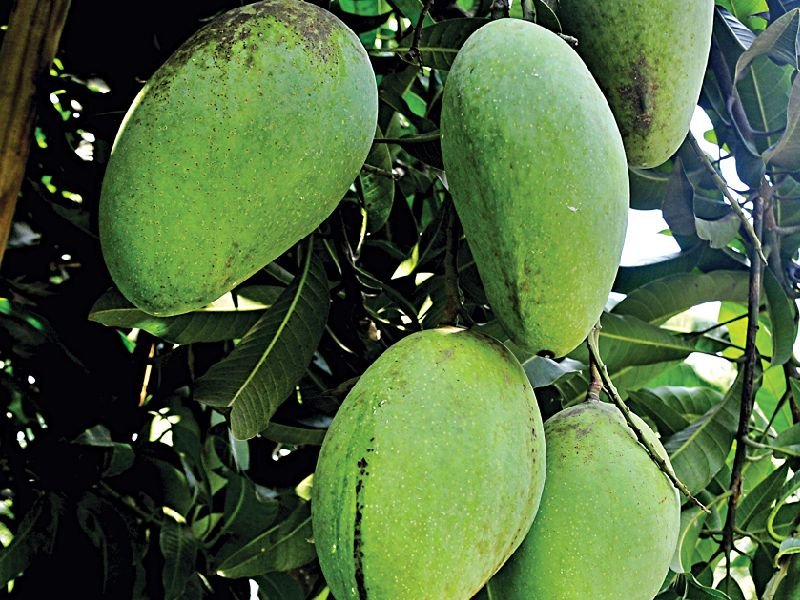
Rajshahi Fazli Mango
A peak-season harvest that turns Rajshahi and Chapainawabganj into a trail of colour, fragrance and flavour.
Explore More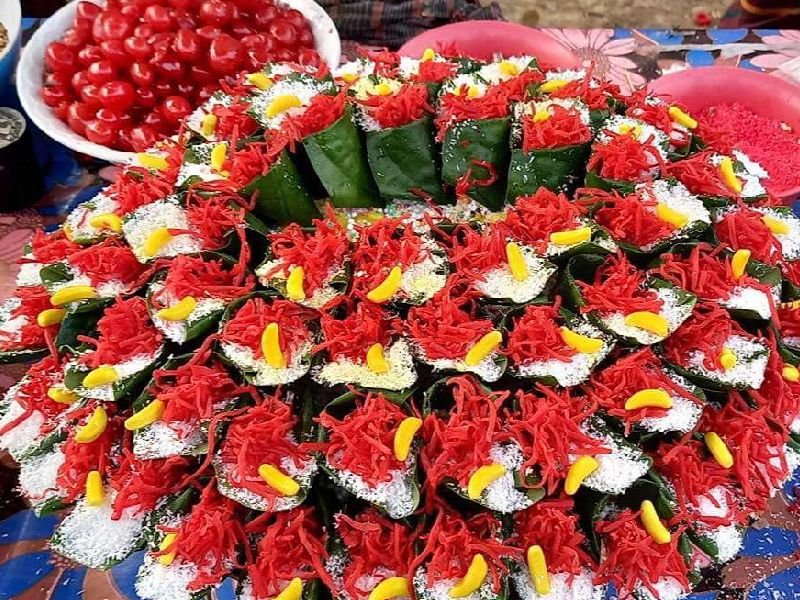
Rajshahi Sweet Betel Leaf
A distinctive crop shaped by local soil, farming knowledge and the seasons of Rajshahi.
Explore More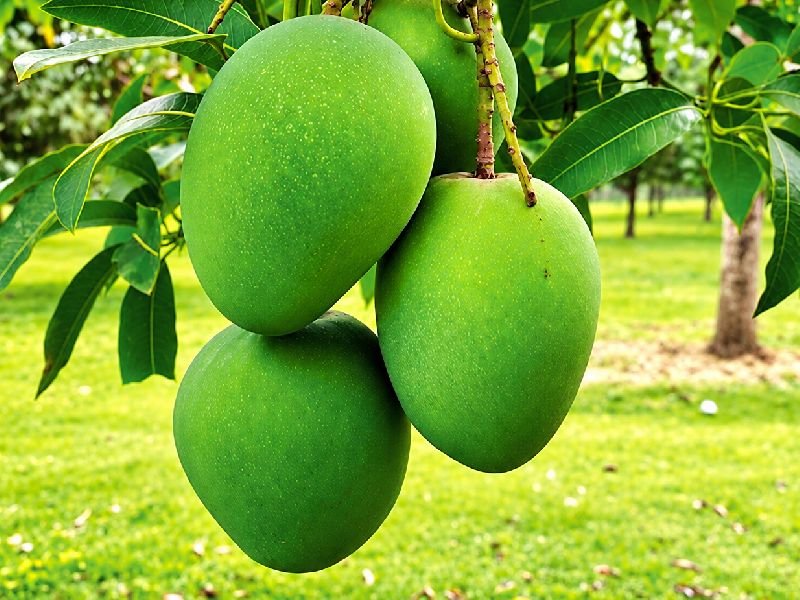
Chapainawabganj Khirsapat Mango
A peak-season harvest that turns Chapainawabganj into a trail of colour, fragrance and flavour.
Explore More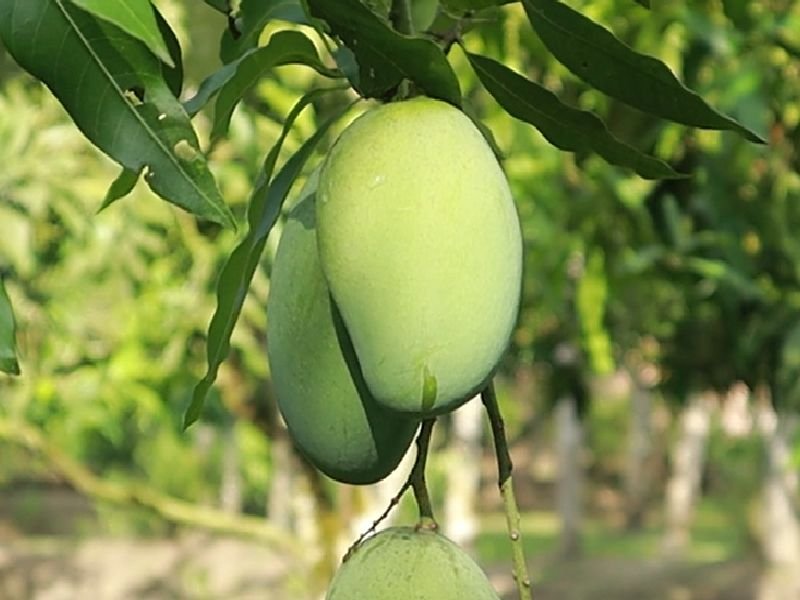
Chapainawabganj Langra Mango
A peak-season harvest that turns Chapainawabganj into a trail of colour, fragrance and flavour.
Explore More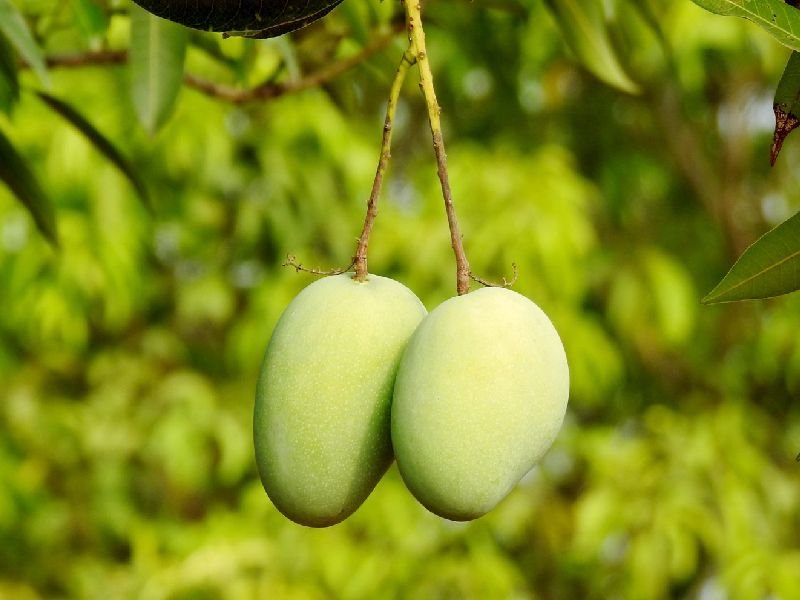
Chapainawabganj Ashwina Mango
A peak-season harvest that turns Chapainawabganj into a trail of colour, fragrance and flavour
Explore More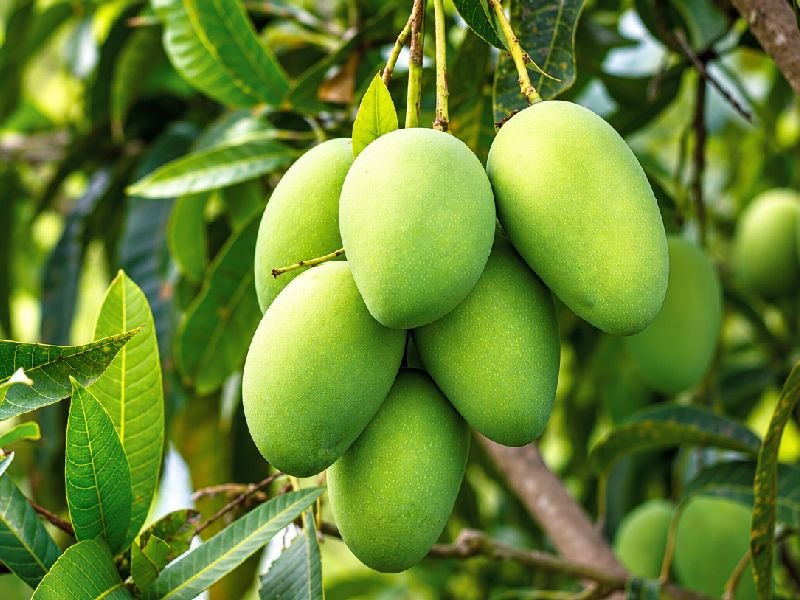
Rajshahi-Chapainawabganj Fazli Mango
A peak-season harvest that turns Rajshahi and Chapainawabganj into a trail of colour, fragrance and flavour.
Explore More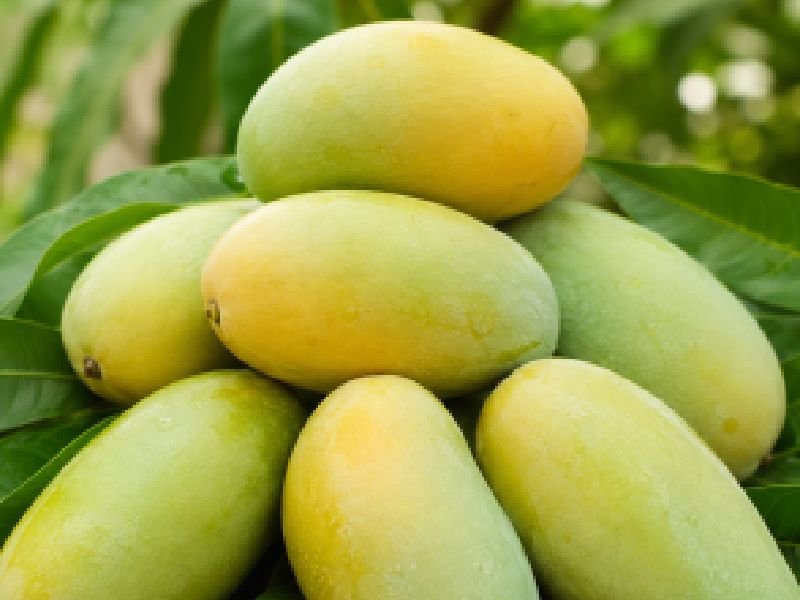
Naogaon Nak Fazli Mango
A peak-season harvest that turns Naogaon into a trail of colour, fragrance and flavour.
Explore More