

Rajshahi Sweet Betel Leaf
A distinctive crop shaped by local soil, farming knowledge and the seasons of Rajshahi.
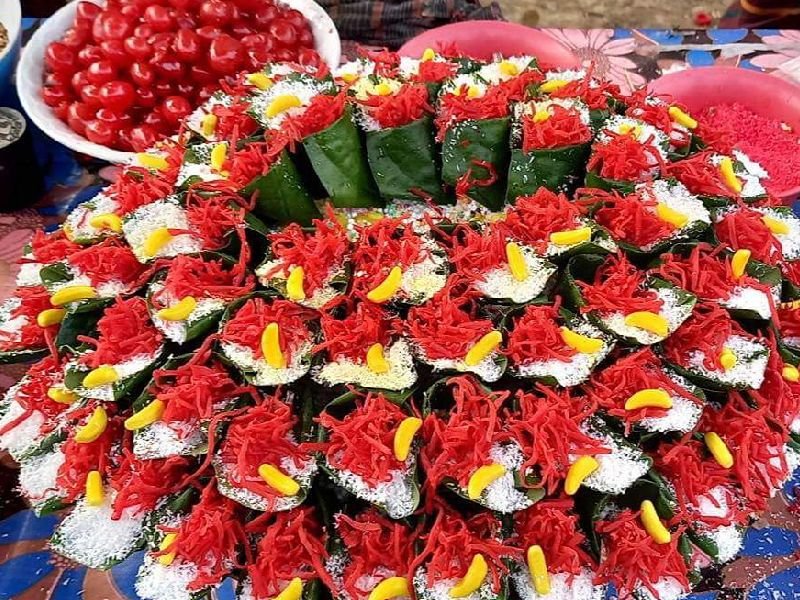
Leave the city behind and follow Rajshahi Sweet Betel Leaf into its working landscape.
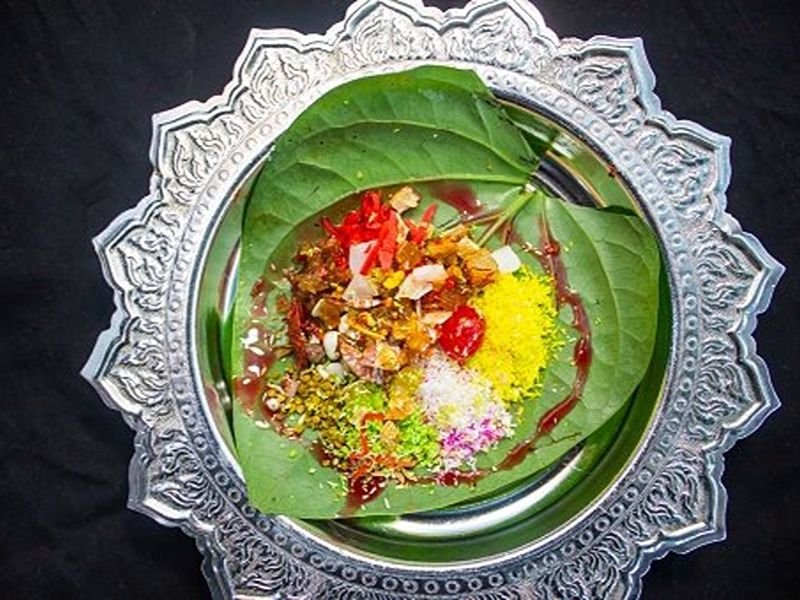
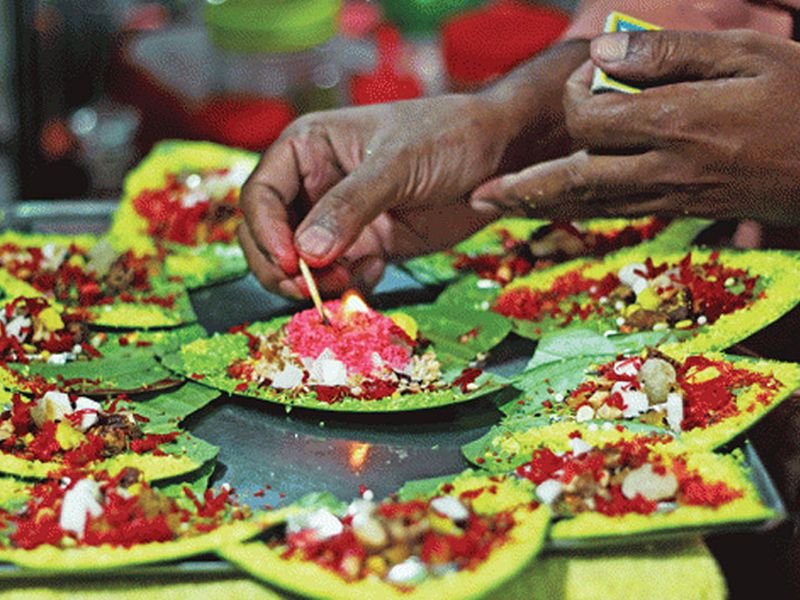
While Rajshahi is globally celebrated for its colossal mangoes, the true economic and cultural lifeblood of the district's rural agrarian communities is often folded neatly into a small, heart-shaped leaf. The Rajshahi Sweet Betel Leaf, locally revered as misti paan, is far more than a mere post-meal palate cleanser. It is an enduring symbol of Bengali hospitality, a complex sensory experience, and a remarkably lucrative cash crop that has sustained local farmers for generations. The cultivation of this delicate foliage is a labor-intensive art form that demands an almost monastic level of dedication. Unlike sturdy orchards or open-field crops, the sweet betel vine requires a meticulously controlled microclimate. Farmers construct elaborate conservatories known as Baroj, using bamboo poles, jute stalks, and tightly woven straw.
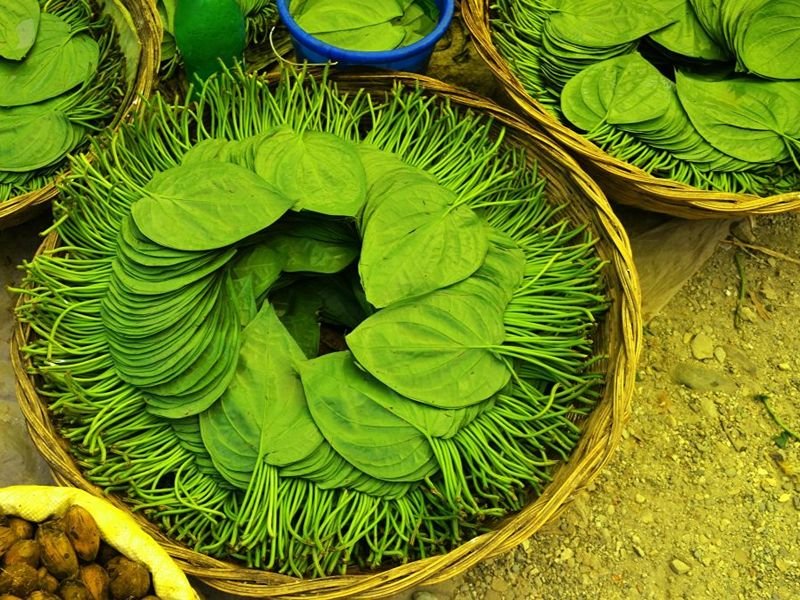
These traditional structures act as indigenous greenhouses, shielding the sensitive vines from the scorching summer heat, heavy monsoon downpours, and biting winter chills. Inside the Baroj, the atmosphere is cool, damp, and perfectly filtered. The local cultivators, drawing upon centuries of inherited agrarian wisdom, tend to the creepers with extreme gentleness, hand-tying the growing stems to bamboo stakes and ensuring the loamy, well-drained alluvial soil remains perfectly balanced. It is this precise marriage of human ingenuity and Rajshahi’s specific topography that allows the vines to thrive. What fundamentally distinguishes the Rajshahi misti paan from its widely available counterparts, such as the pungent sanchi or the sharp bangla varieties, is its exceptionally refined flavor profile.
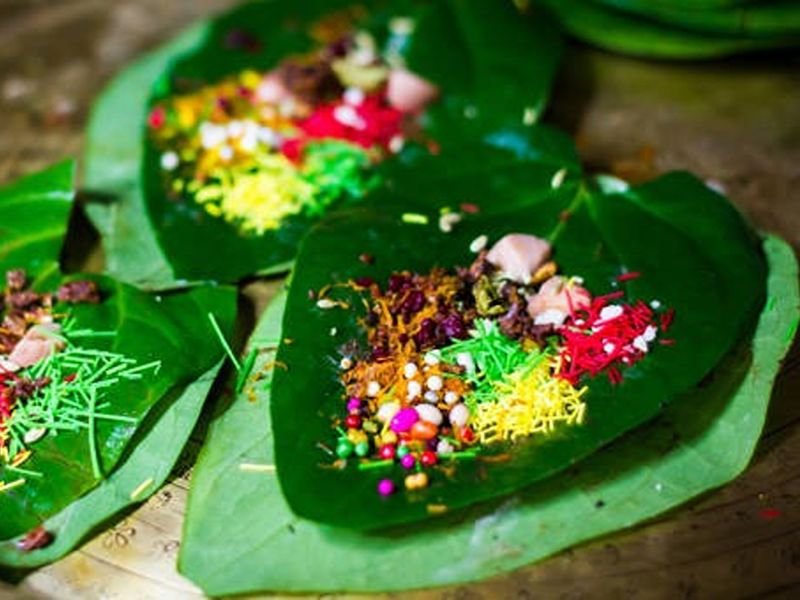
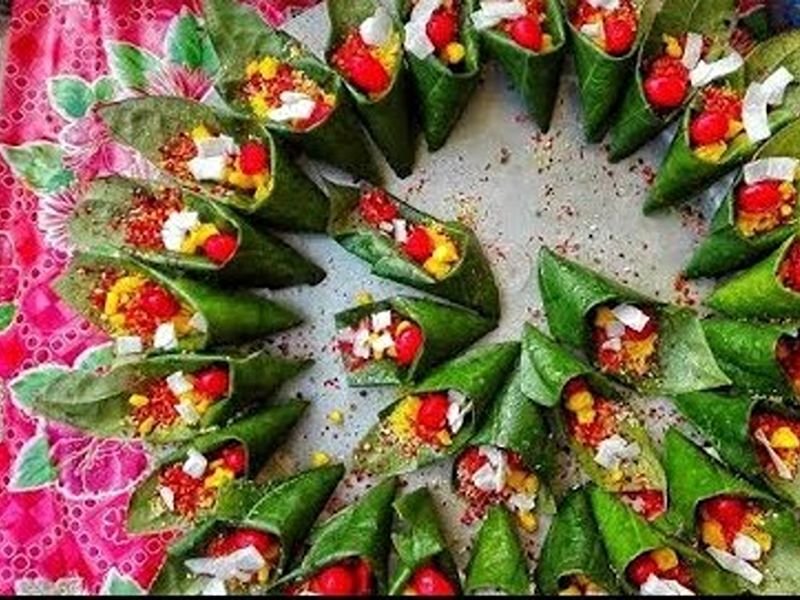
Visually, the leaf is thicker, boasting a beautiful, pale yellowish-green luminescence. When chewed, the texture is an absolute revelation. Rather than being overly fibrous or tough, the leaf structure is tender and practically melts in the mouth. It releases a naturally sweet, aromatic sap that completely lacks the harsh, peppery bite associated with standard commercial leaves. This inherent mildness allows it to carry the traditional accompaniments; sliced areca nut, slaked lime, and aromatic spices, with a sophisticated grace, leaving a deeply refreshing, fragrant aftertaste rather than a burning sensation on the tongue.
Immersive Experience
No 360° Videos available
Destination Gallery
Rajshahi Silk
Handmade heritage, patient skill and a living design tradition from Rajshahi.
Explore More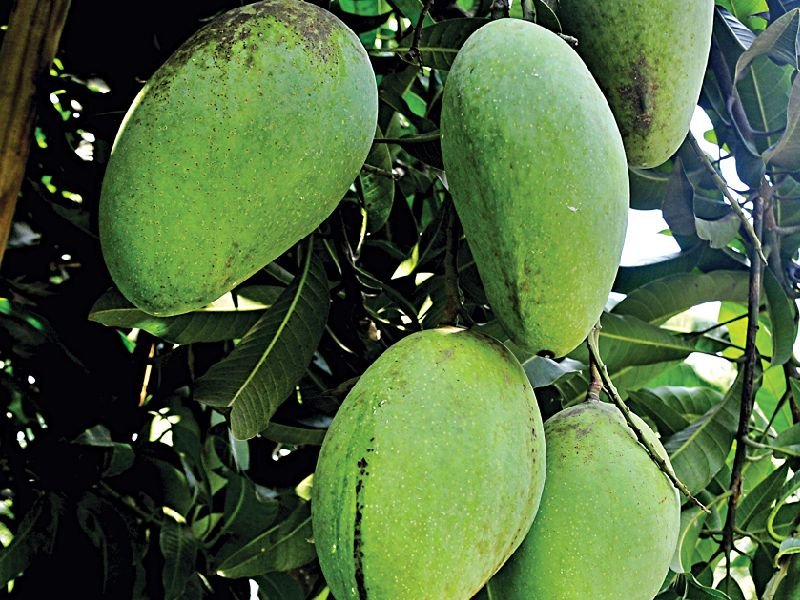
Rajshahi Fazli Mango
A peak-season harvest that turns Rajshahi and Chapainawabganj into a trail of colour, fragrance and flavour.
Explore More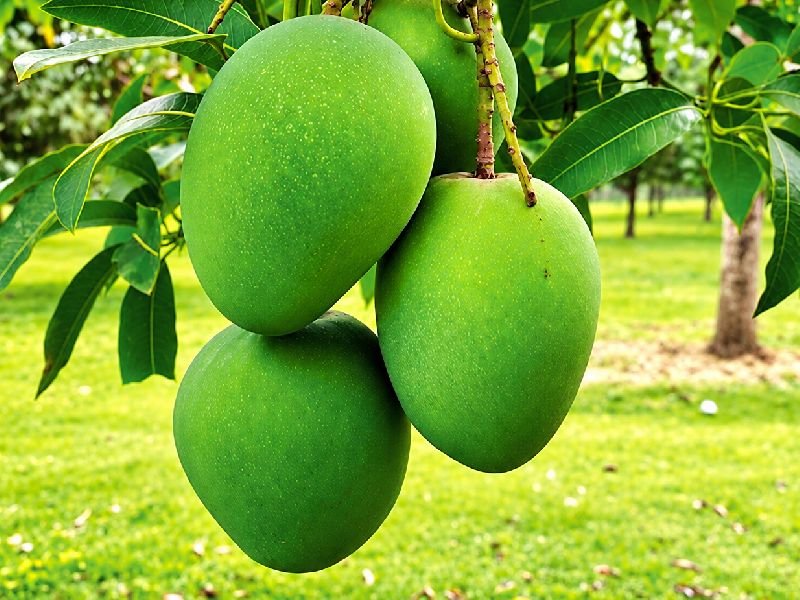
Chapainawabganj Khirsapat Mango
A peak-season harvest that turns Chapainawabganj into a trail of colour, fragrance and flavour.
Explore More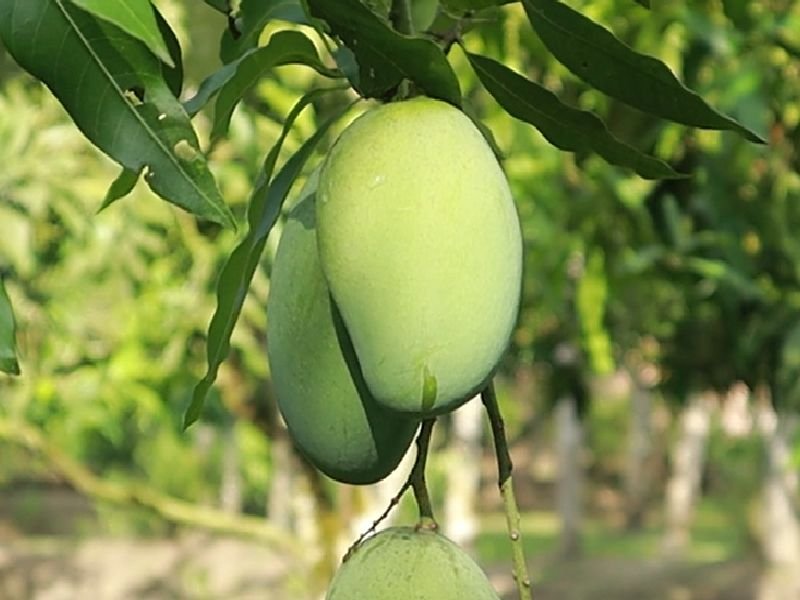
Chapainawabganj Langra Mango
A peak-season harvest that turns Chapainawabganj into a trail of colour, fragrance and flavour.
Explore More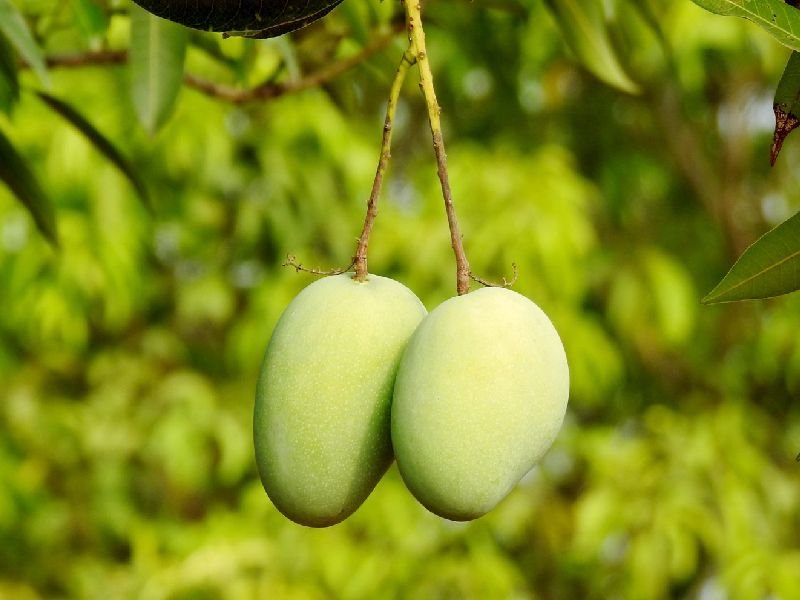
Chapainawabganj Ashwina Mango
A peak-season harvest that turns Chapainawabganj into a trail of colour, fragrance and flavour
Explore More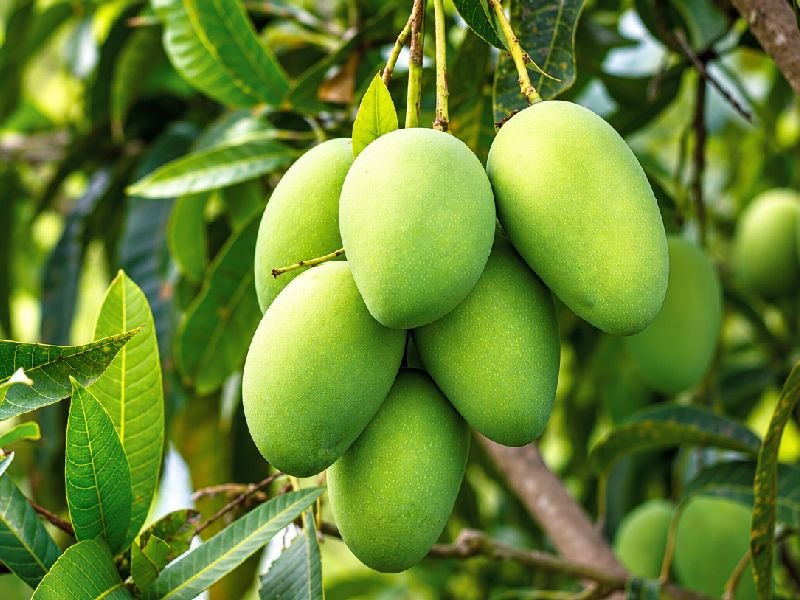
Rajshahi-Chapainawabganj Fazli Mango
A peak-season harvest that turns Rajshahi and Chapainawabganj into a trail of colour, fragrance and flavour.
Explore More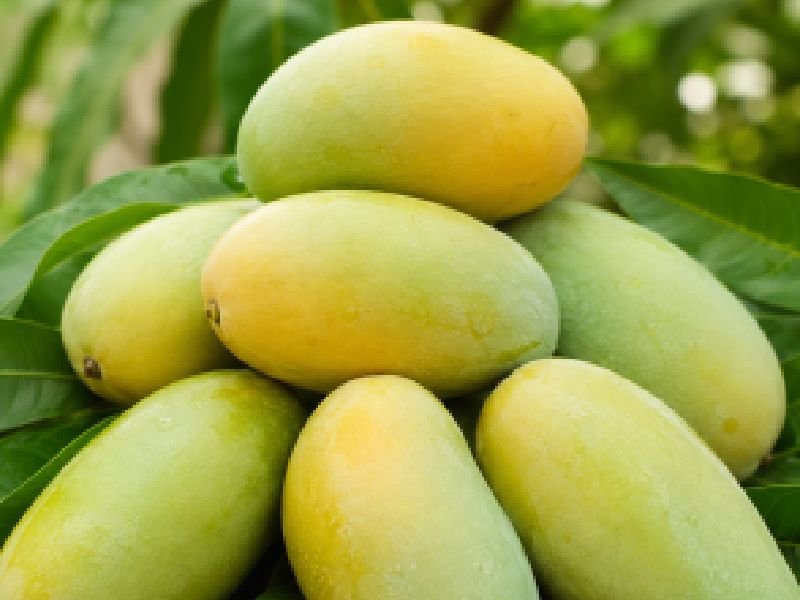
Naogaon Nak Fazli Mango
A peak-season harvest that turns Naogaon into a trail of colour, fragrance and flavour.
Explore More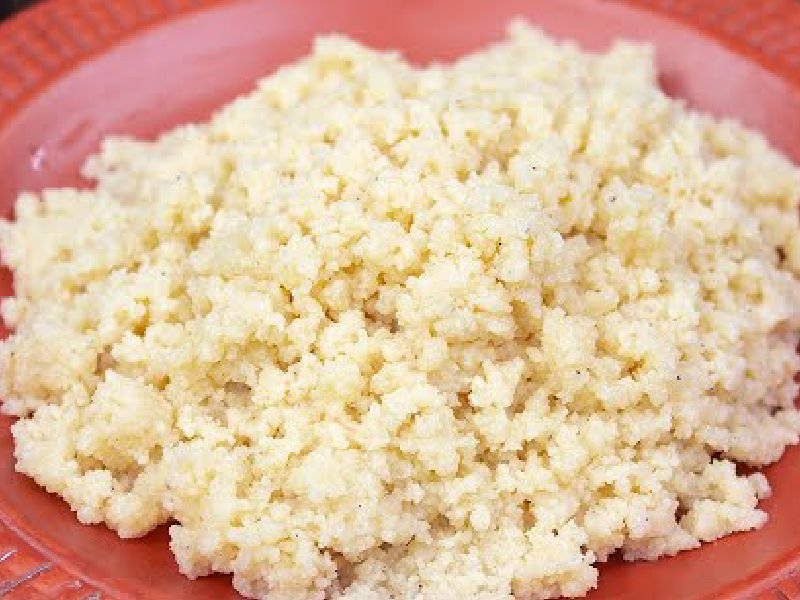
Natore Kachagolla
A celebrated local taste shaped by skilled makers and the food culture of Natore.
Explore More