

Chapainawabganj Khirsapat Mango
A peak-season harvest that turns Chapainawabganj into a trail of colour, fragrance and flavour.
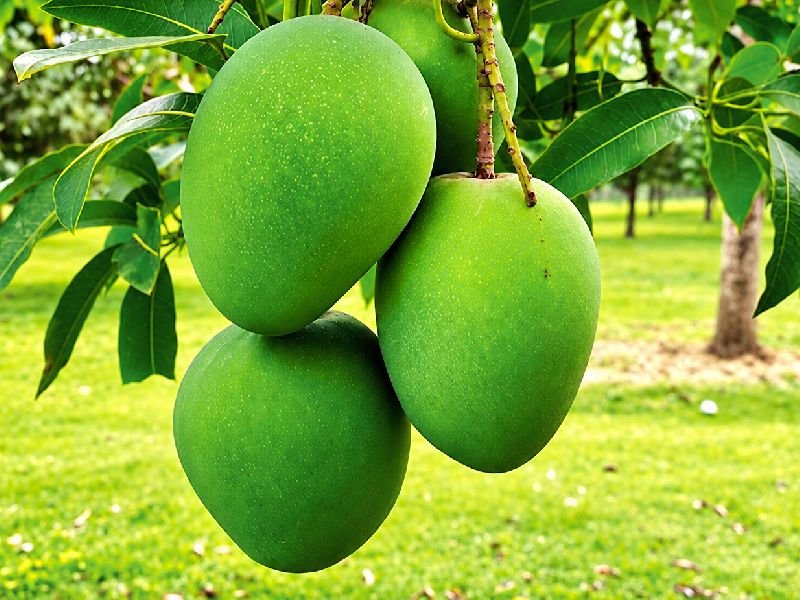
Chase the harvest to Chapainawabganj and taste Chapainawabganj Khirsapat Mango where it grows.
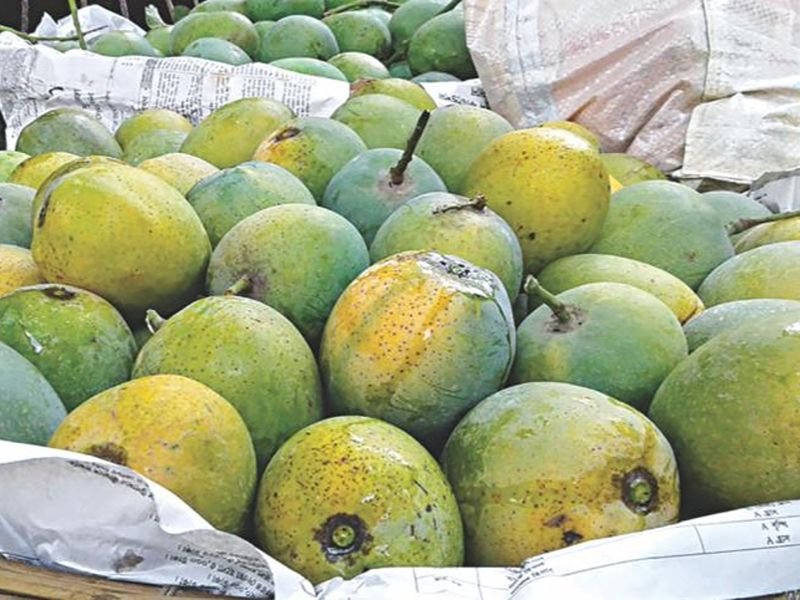
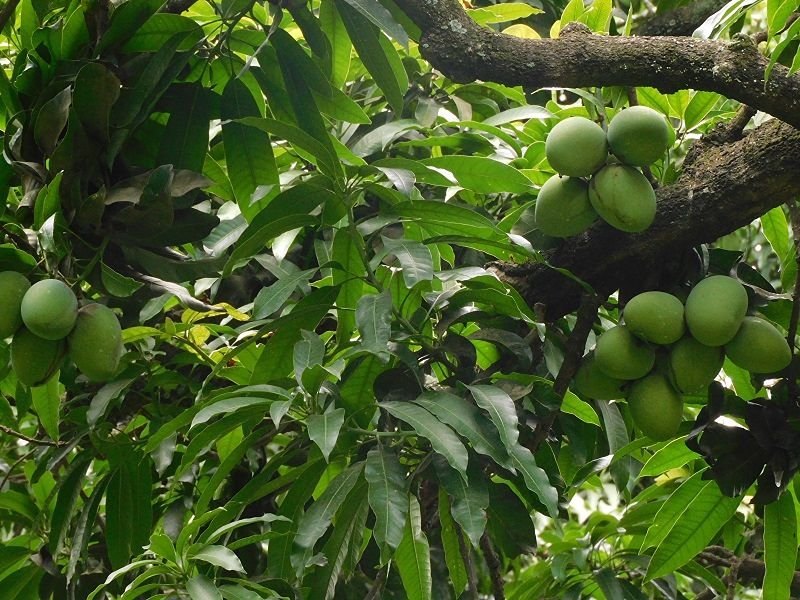
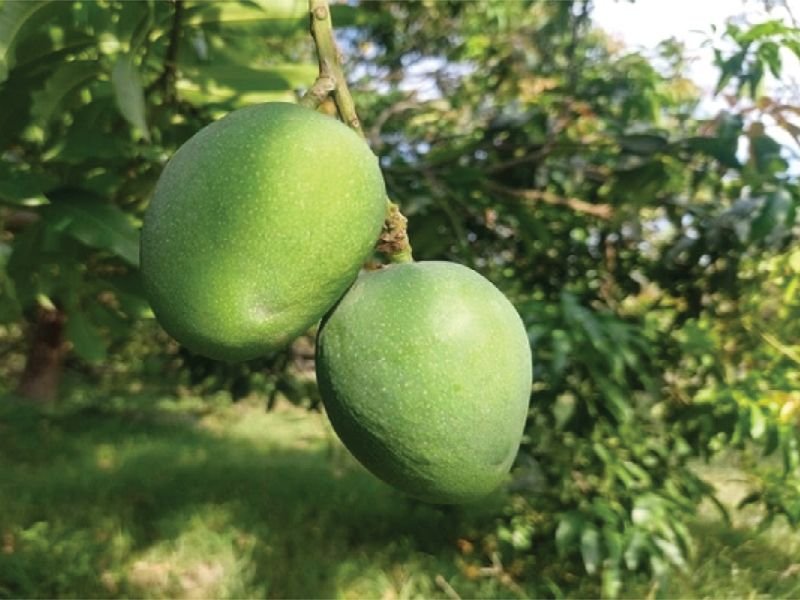
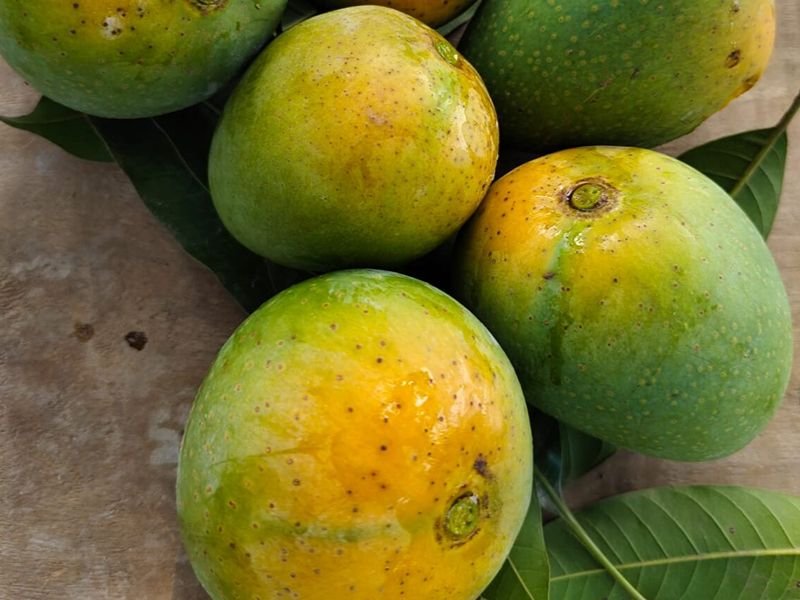
When the scorching heat of late May and early June begins to bake the northwestern borderlands of Bangladesh, an undeniable anticipation takes hold of the local markets. This is the season of the Khirsapat, a mango variety so fiercely loved that its brief, fleeting harvest dictates the rhythm of the entire region. The name itself is a linguistic nod to its extraordinary texture; khir refers to thickened, sweetened milk, perfectly describing the dense, creamy, and custard-like consistency of the fruit’s pulp. While the mango kingdom boasts countless cultivars, the Chapainawabganj Khirsapat stands entirely in a league of its own. To visually identify a genuine Khirsapat is to look for a medium-sized fruit, typically weighing around a quarter of a kilogram, presenting an elegant, slightly rounded oval silhouette.
Unlike varieties that turn completely golden upon ripening, this mango retains a beautifully stubborn patch of light green across its lower half, while only the broad "shoulders" near its notably thick, sturdy stalk take on a vibrant yellowish hue. However, the true magic lies beneath its smooth, thin exocarp. Slicing into the mango reveals a brilliantly yellow, wildly juicy interior that is famously devoid of fibrous threads. The lack of these stubborn fibers means the flesh does not pull apart in chewy strands; instead, it yields effortlessly, dissolving cleanly on the tongue and leaving behind an intensely sweet, honey-like finish with an incredibly high concentration of natural sugars. The cultivation of this specific variety is deeply etched into the historical soil of the region, carrying a legacy that spans over two centuries.
Historical records trace the organized orcharding of the Khirsapat back to the era of local aristocrats. It is widely documented that Maharaja Sutasansu Kumar Acharya Bahadur of Mymensingh was so captivated by the region's agricultural potential that he established sprawling, dedicated mango orchards in the Kansat area of Chapainawabganj. Over the decades, the cultivation spread seamlessly throughout the neighboring upazilas, transforming the local agrarian economy. The fruit became so deeply ingrained in the rural identity that by the mid-twentieth century, it began appearing as a celebrated motif in traditional Bengali folk music, notably the rhythmic Alkap songs of the 1950s, cementing its status not just as a crop, but as a cultural icon.
Immersive Experience
No 360° Videos available
Destination Gallery
Rajshahi Silk
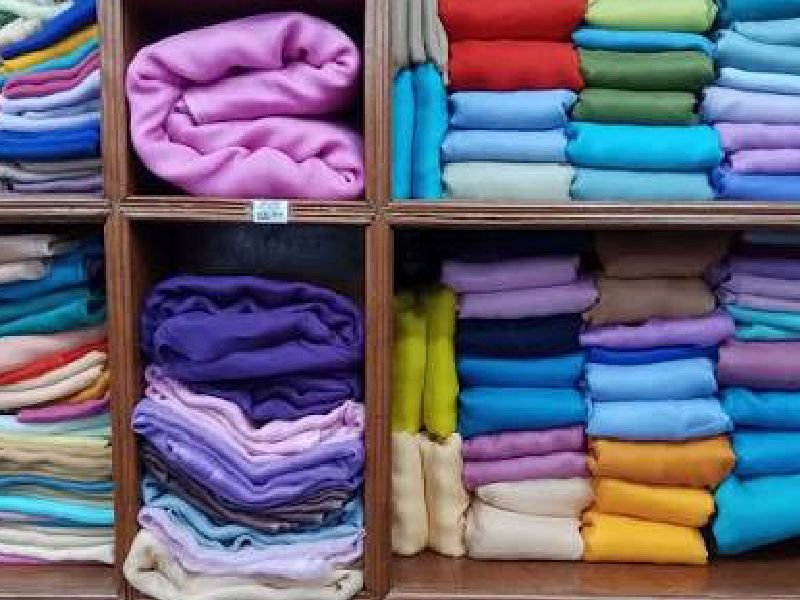
Handmade heritage, patient skill and a living design tradition from Rajshahi.
Explore More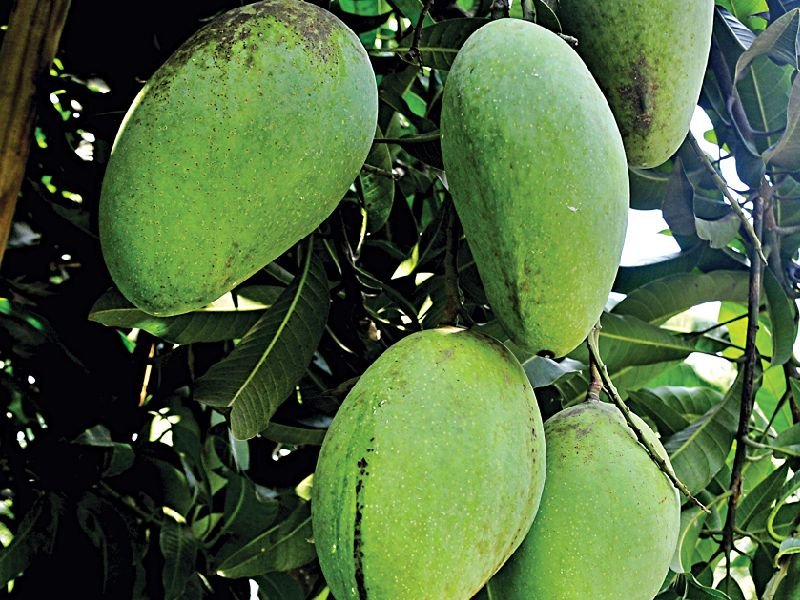
Rajshahi Fazli Mango
A peak-season harvest that turns Rajshahi and Chapainawabganj into a trail of colour, fragrance and flavour.
Explore More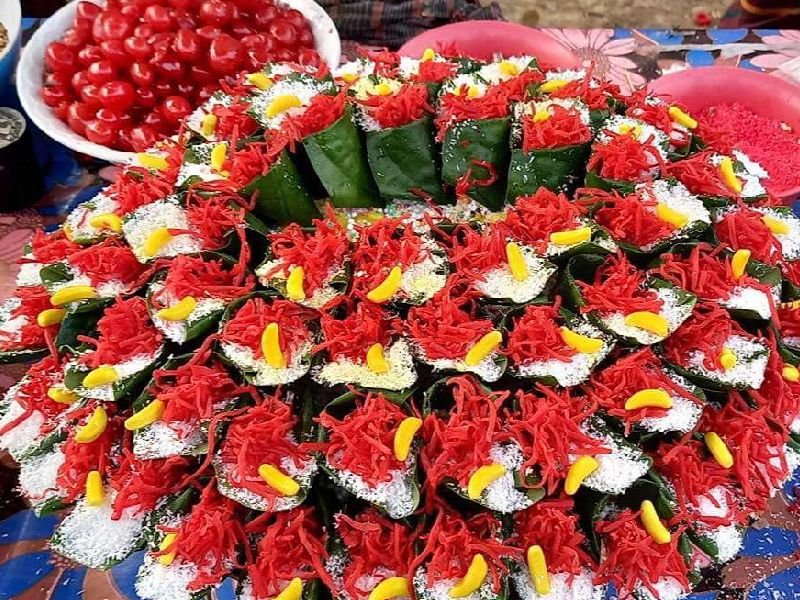
Rajshahi Sweet Betel Leaf
A distinctive crop shaped by local soil, farming knowledge and the seasons of Rajshahi.
Explore More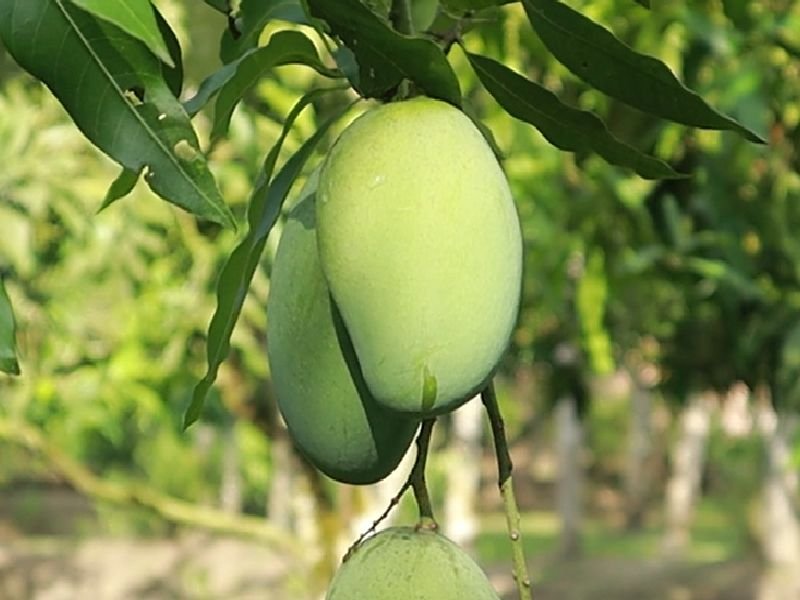
Chapainawabganj Langra Mango
A peak-season harvest that turns Chapainawabganj into a trail of colour, fragrance and flavour.
Explore More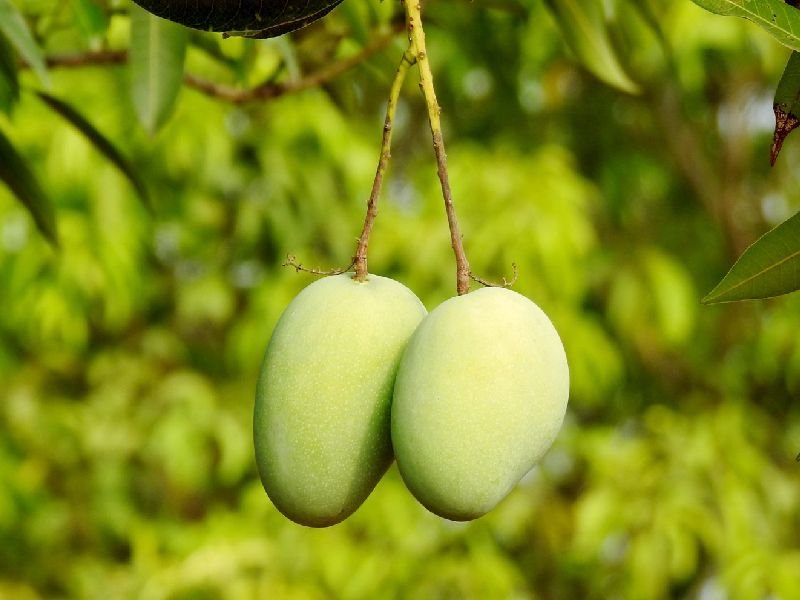
Chapainawabganj Ashwina Mango
A peak-season harvest that turns Chapainawabganj into a trail of colour, fragrance and flavour
Explore More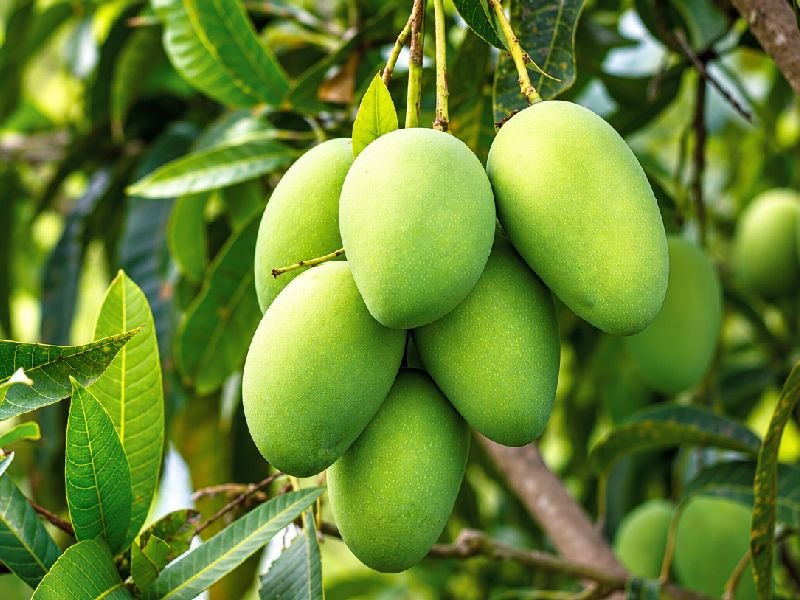
Rajshahi-Chapainawabganj Fazli Mango
A peak-season harvest that turns Rajshahi and Chapainawabganj into a trail of colour, fragrance and flavour.
Explore More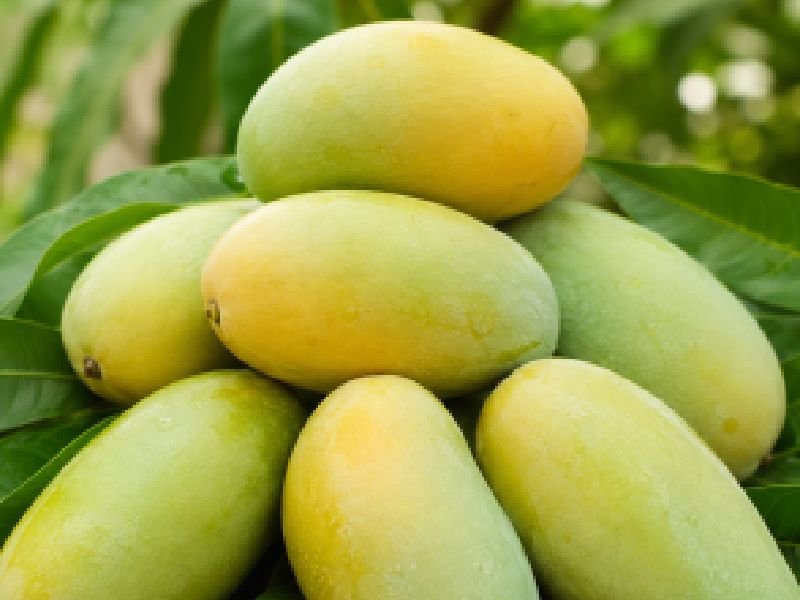
Naogaon Nak Fazli Mango
A peak-season harvest that turns Naogaon into a trail of colour, fragrance and flavour.
Explore More
Natore Kachagolla
A celebrated local taste shaped by skilled makers and the food culture of Natore.
Explore More