

Chapainawabganj Langra Mango
A peak-season harvest that turns Chapainawabganj into a trail of colour, fragrance and flavour.
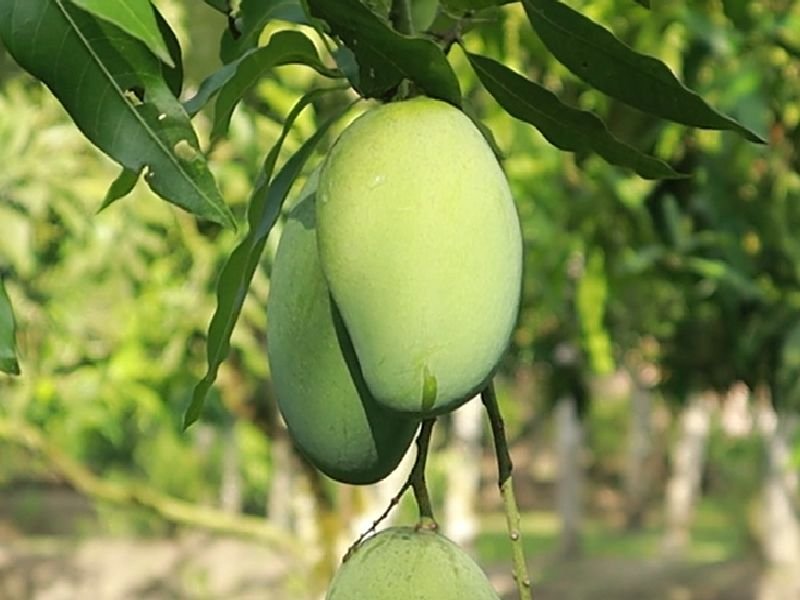
Chase the harvest to Chapainawabganj and taste Chapainawabganj Langra Mango where it grows.
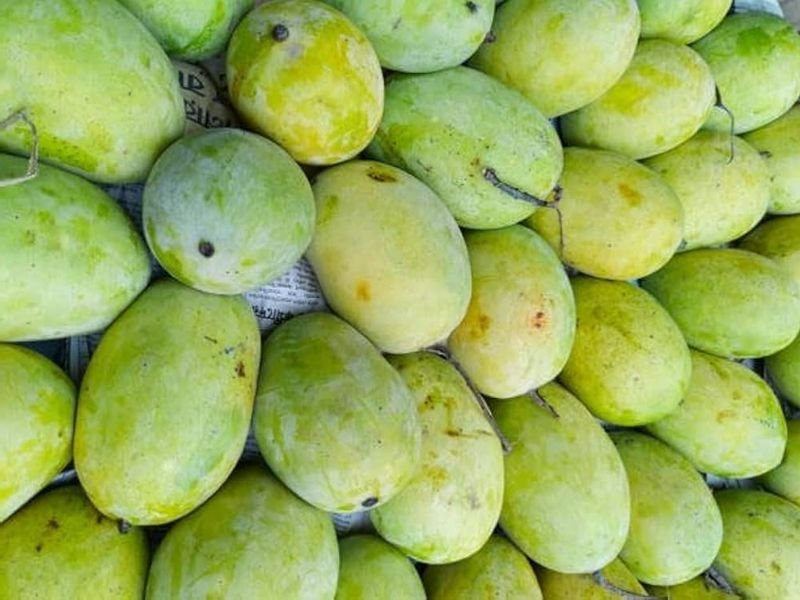
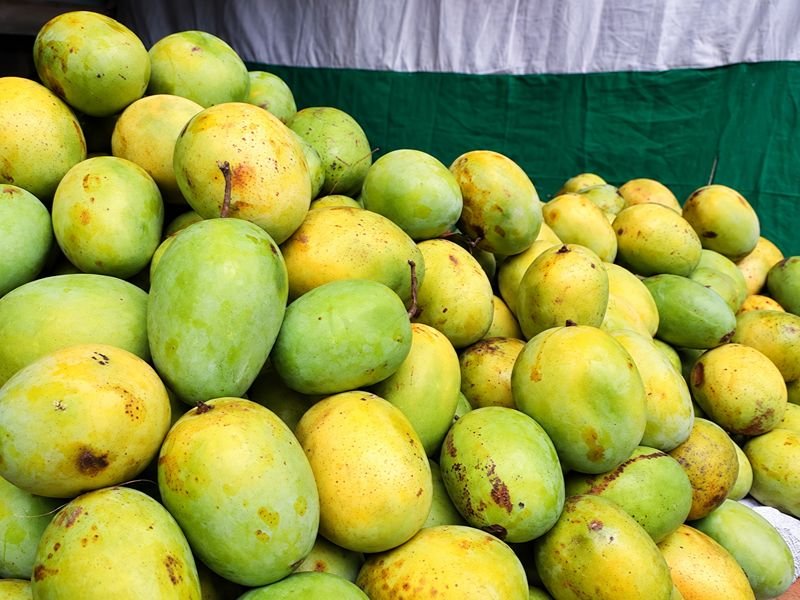
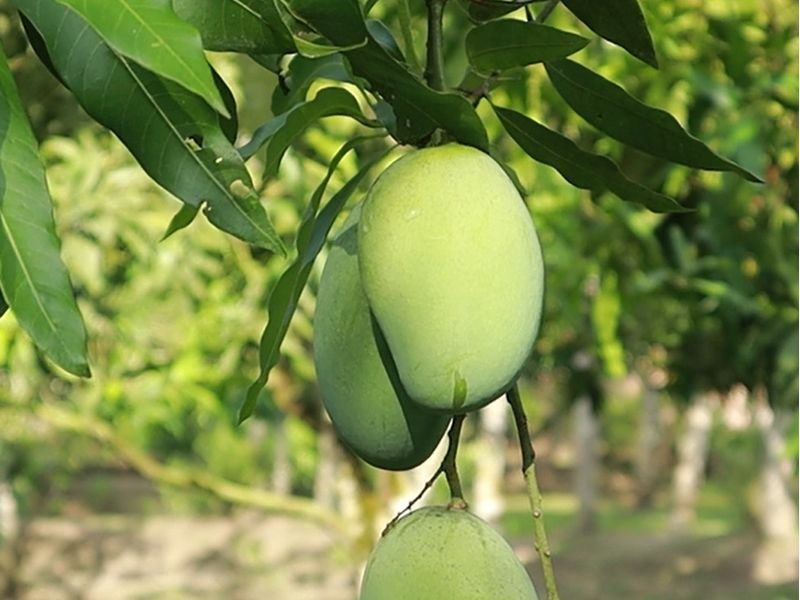
As the mango season sweeps across the orchards of northwestern Bangladesh, a curious phenomenon occurs in the local markets. Amidst the vibrant displays of golden, yellow, and red-blushed fruits, one particular variety stands out for its stubborn refusal to change its coat. The Langra mango, predominantly cultivated in the fertile soils of Chapainawabganj, maintains a distinctly green exterior even when it reaches the absolute peak of ripeness. To the uninitiated observer, it might appear unripe, yet this modest, emerald-skinned fruit conceals one of the most intensely sweet and aromatic experiences the botanical world has to offer. It is a masterpiece of natural contradiction, offering a masterclass in why true quality is never defined merely by outward appearances.
The physical profile of the Chapainawabganj Langra is characterized by its refined elegance. It is a medium-sized fruit, possessing a gently rounded, oval silhouette with a characteristically thin and delicate peel. When one cuts through this deceptive green exocarp, the interior reveals a stunning contrast: a vibrant, luscious, and deeply yellowish-orange pulp. The texture is an absolute triumph of horticulture. It is extraordinarily soft and practically devoid of any coarse fibers, allowing the flesh to yield effortlessly on the palate. Biting into a ripe Langra unleashes a torrent of juice that carries a perfectly balanced, tangy-sweet flavor profile. However, its most defining attribute is perhaps its intoxicating fragrance; a rich, complex, and lingering floral aroma that instantly fills the room and announces the fruit's presence long before it is tasted.
The nomenclature of this beloved fruit carries a deeply emotional and historical narrative that traces its origins back a few centuries to the Indian city of Banaras (modern-day Varanasi). According to enduring agricultural lore, the first notable tree of this cultivar was grown in the courtyard of a devoted farmer or, in some versions of the tale, a temple priest. This caretaker was renowned for his profound generosity and his remarkable green thumb, despite suffering from a physical disability that left him with a noticeable limp.
Immersive Experience
No 360° Videos available
Destination Gallery
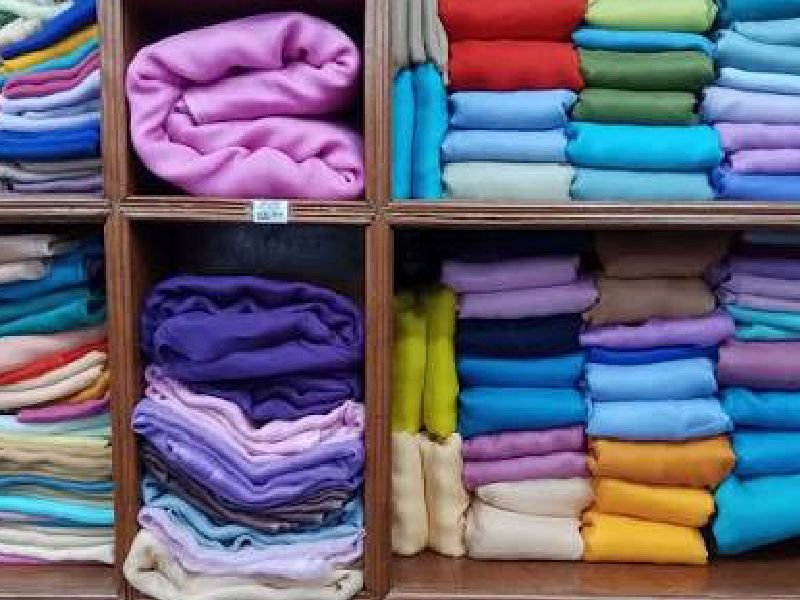
Rajshahi Silk
Handmade heritage, patient skill and a living design tradition from Rajshahi.
Explore More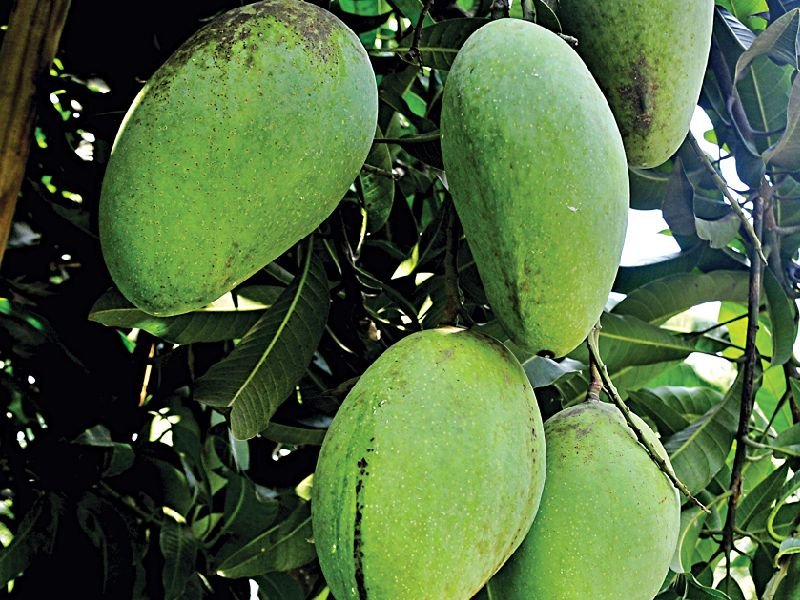
Rajshahi Fazli Mango
A peak-season harvest that turns Rajshahi and Chapainawabganj into a trail of colour, fragrance and flavour.
Explore More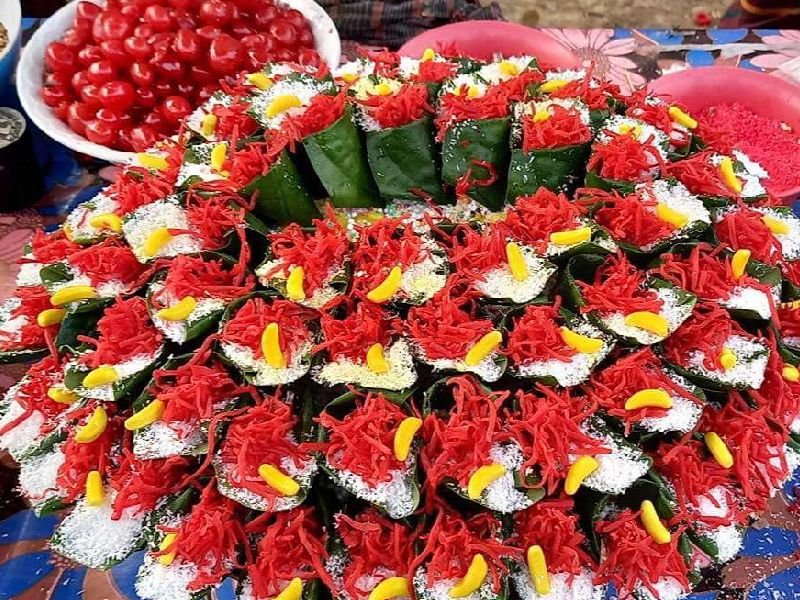
Rajshahi Sweet Betel Leaf
A distinctive crop shaped by local soil, farming knowledge and the seasons of Rajshahi.
Explore More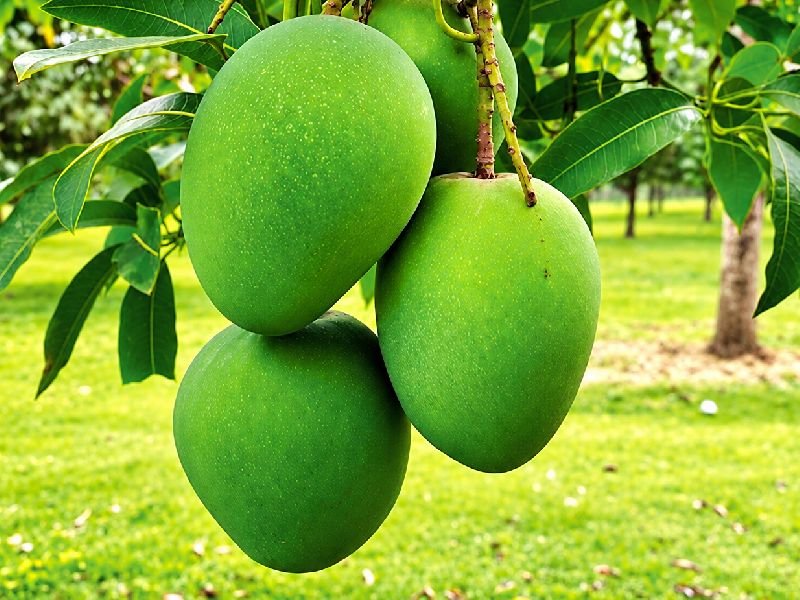
Chapainawabganj Khirsapat Mango
A peak-season harvest that turns Chapainawabganj into a trail of colour, fragrance and flavour.
Explore More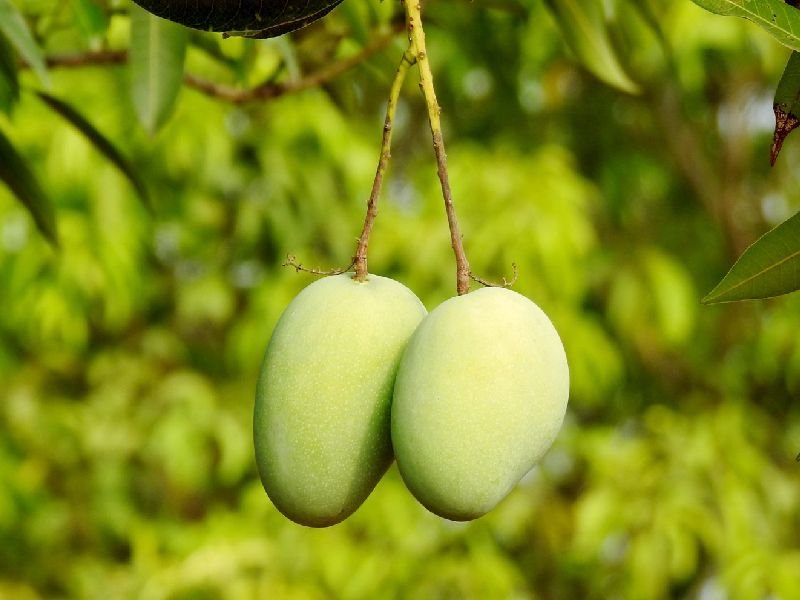
Chapainawabganj Ashwina Mango
A peak-season harvest that turns Chapainawabganj into a trail of colour, fragrance and flavour
Explore More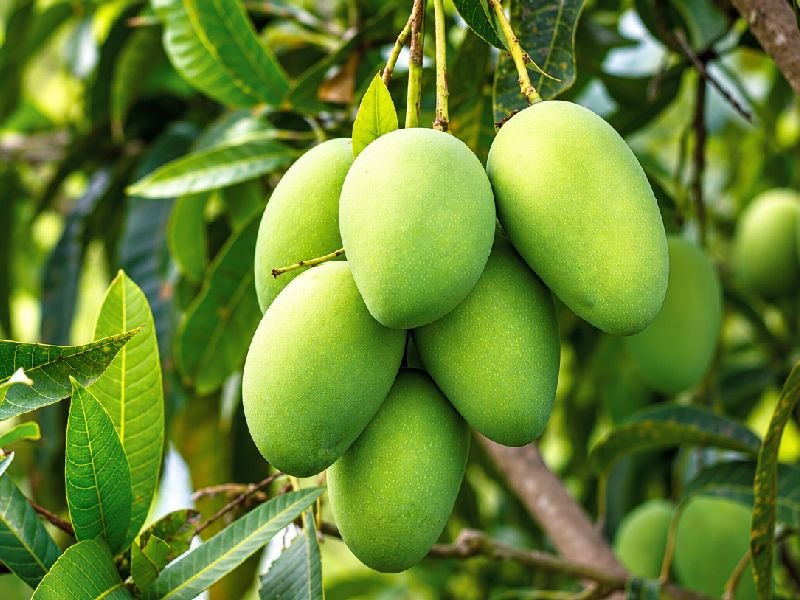
Rajshahi-Chapainawabganj Fazli Mango
A peak-season harvest that turns Rajshahi and Chapainawabganj into a trail of colour, fragrance and flavour.
Explore More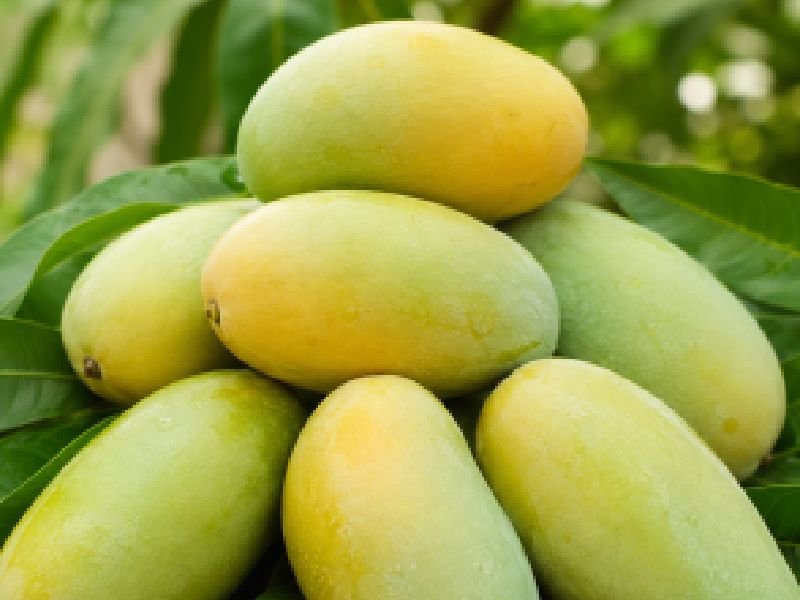
Naogaon Nak Fazli Mango
A peak-season harvest that turns Naogaon into a trail of colour, fragrance and flavour.
Explore More
Natore Kachagolla
A celebrated local taste shaped by skilled makers and the food culture of Natore.
Explore More