

Sirajganj Gamcha
Handmade heritage, patient skill and a living design tradition from Sirajganj.
Follow the hands behind Sirajganj Gamcha and meet a craft that still moves to the rhythm of the loom.
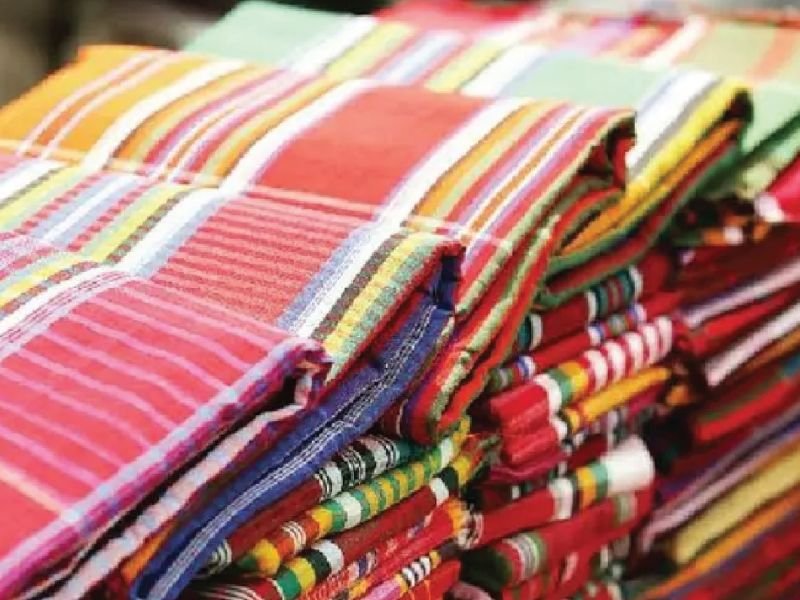
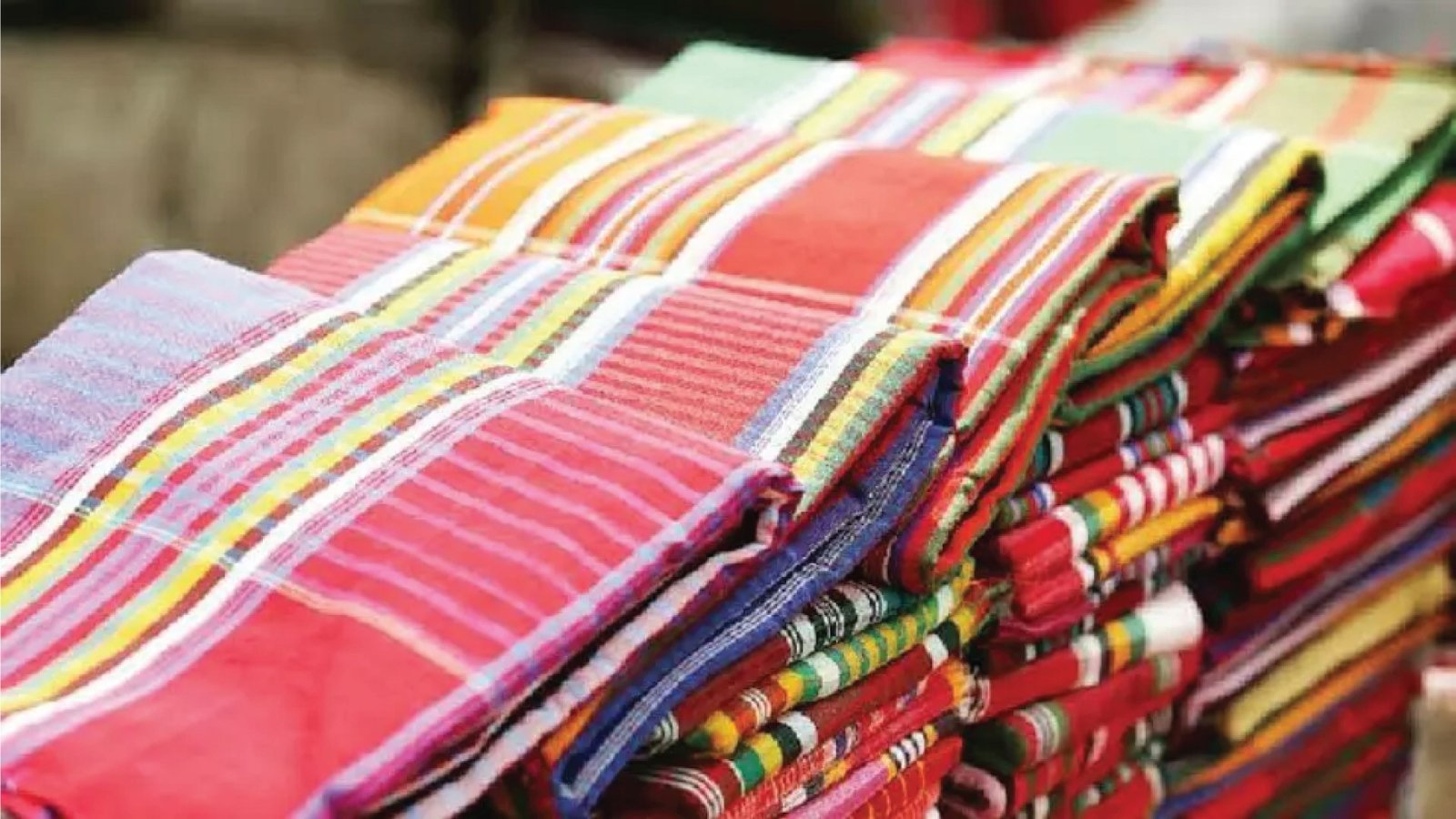
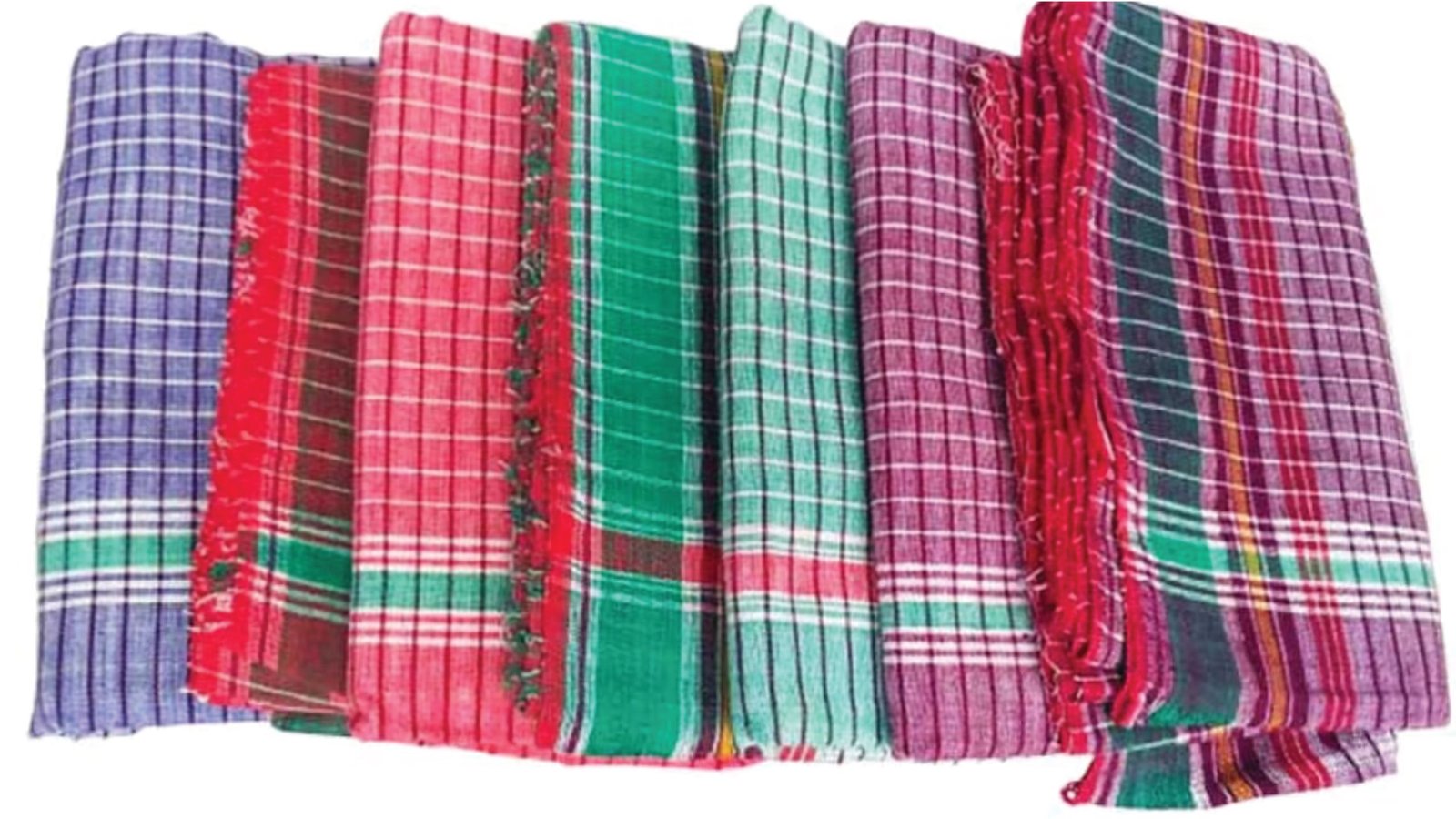
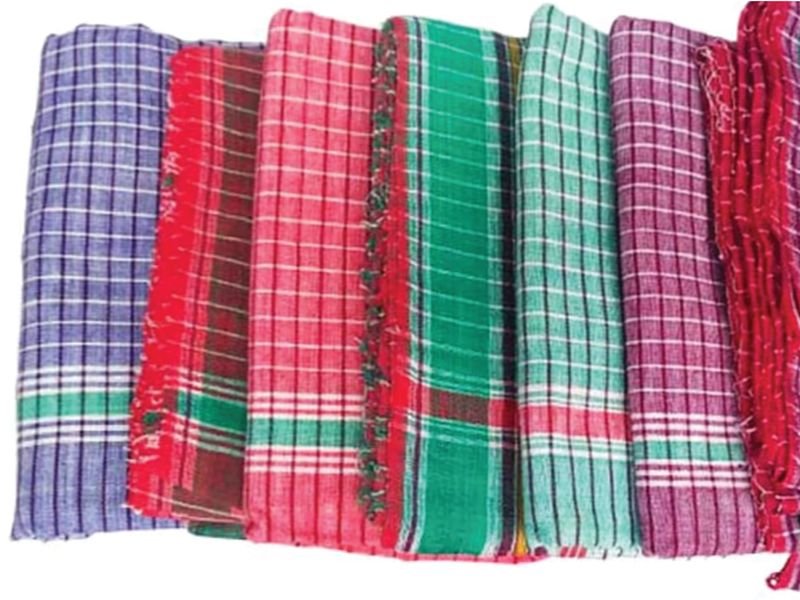
Long before modern textile machinery began churning out synthetic fabrics, the rhythmic clatter of wooden handlooms echoed across the villages of the Sirajganj district. For over a century, this riverine region has been the undisputed epicenter of Bangladesh’s traditional cotton weaving. At the very heart of this artisanal heritage lies the Sirajganj Gamcha. Far more than a mere household towel, this humble piece of cloth is an indispensable part of everyday Bengali life, serving as an emblem of rural resilience and inherited craftsmanship. The visual signature of a Sirajganj Gamcha is its vibrant, unapologetic use of color. Woven primarily from fine-count cotton yarn, these fabrics typically feature large, distinct geometric checks in bold shades of red, green, blue, and yellow.
But the true mastery of the local artisans lies in the fabric’s structural integrity. The traditional weavers, known locally as karigors, utilize specialized handloom techniques that create a slightly porous yet incredibly durable weave. This specific structure gives the fabric its extraordinary moisture-absorbing qualities. Unlike synthetic towels that simply push water around, the pure cotton threads of the Sirajganj weave soak up moisture instantly and dry remarkably fast under the tropical sun, making it an essential companion for farmers, laborers, and regular households alike. The economic and cultural pulse of this craft can be witnessed firsthand at the historic Panchlia Gamcha Haat. Established over a hundred years ago, this unique wholesale market operates strictly during the early hours of the morning, twice a week.
Long before dawn breaks, thousands of weavers from surrounding areas like Belkuchi, Ullapara, and Shahzadpur converge on the market, carrying heavy bundles known as Thans balanced on their heads. The air fills with the rapid, rhythmic negotiations of wholesale buyers who travel from every corner of the country to secure these authentic pieces. It is a stunning, fast-paced display of traditional commerce that sustains the livelihoods of countless local families. Today, while the influx of cheap, machine-made alternatives poses a constant challenge, the demand for the genuine Sirajganj Gamcha remains unshaken among purists.
Immersive Experience
No 360° Videos available
Destination Gallery
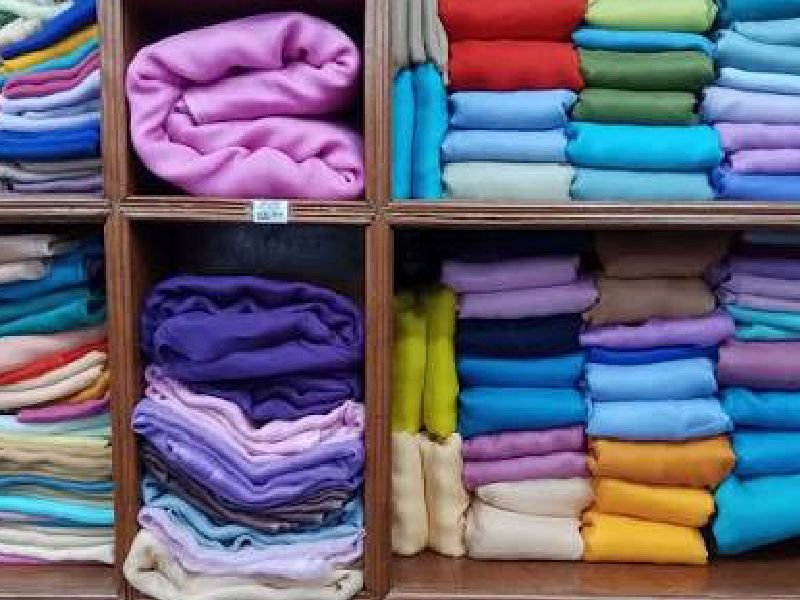
Rajshahi Silk
Handmade heritage, patient skill and a living design tradition from Rajshahi.
Explore More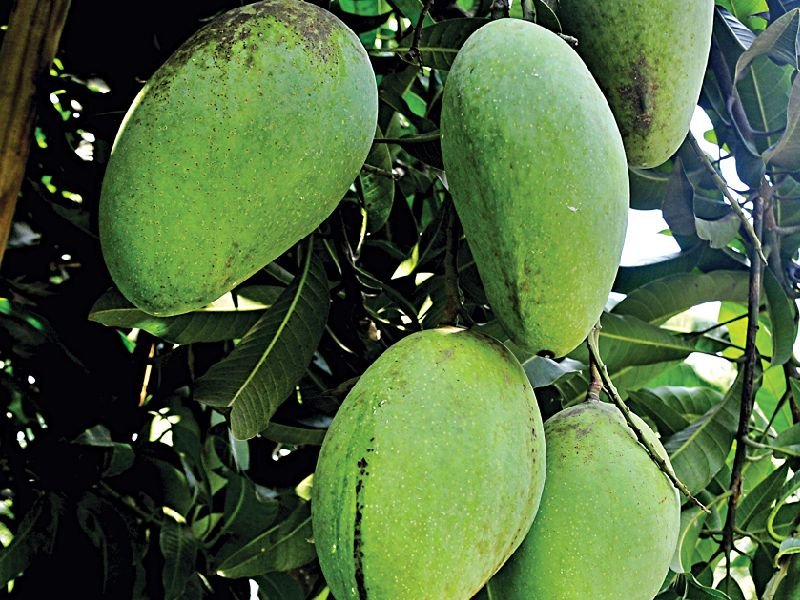
Rajshahi Fazli Mango
A peak-season harvest that turns Rajshahi and Chapainawabganj into a trail of colour, fragrance and flavour.
Explore More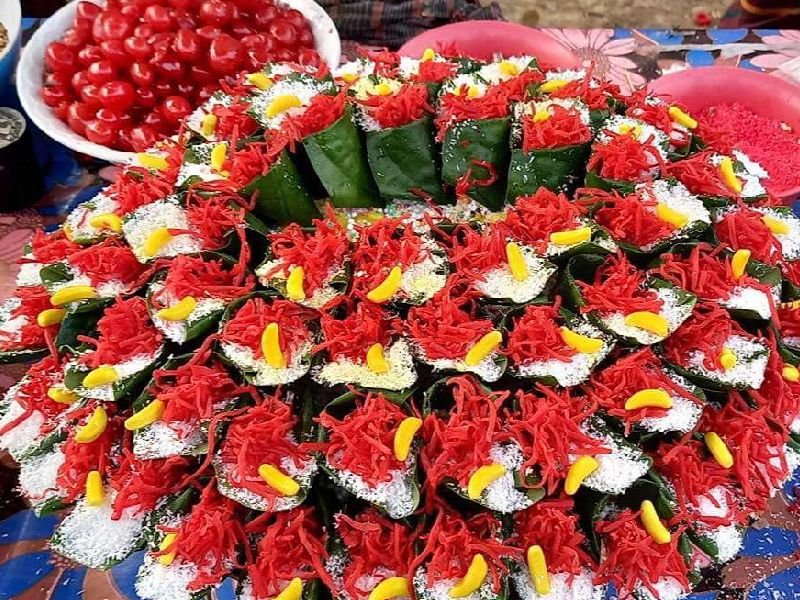
Rajshahi Sweet Betel Leaf
A distinctive crop shaped by local soil, farming knowledge and the seasons of Rajshahi.
Explore More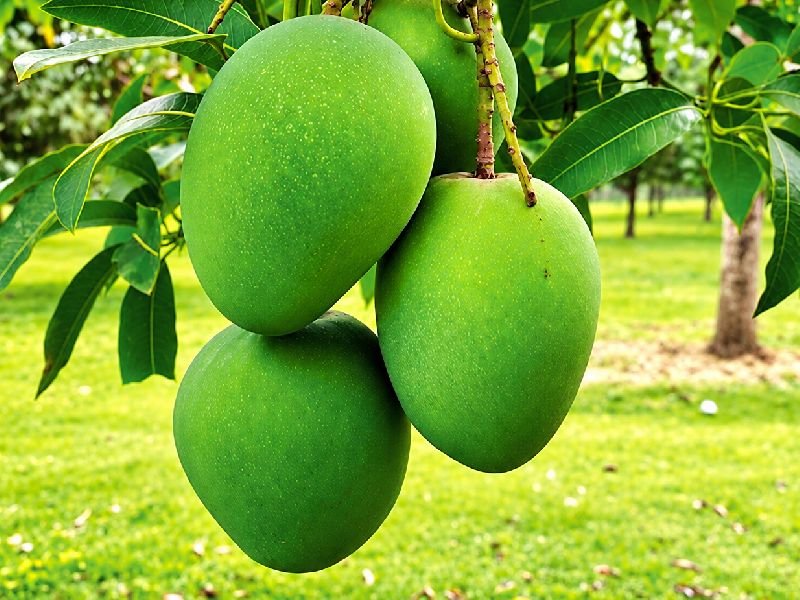
Chapainawabganj Khirsapat Mango
A peak-season harvest that turns Chapainawabganj into a trail of colour, fragrance and flavour.
Explore More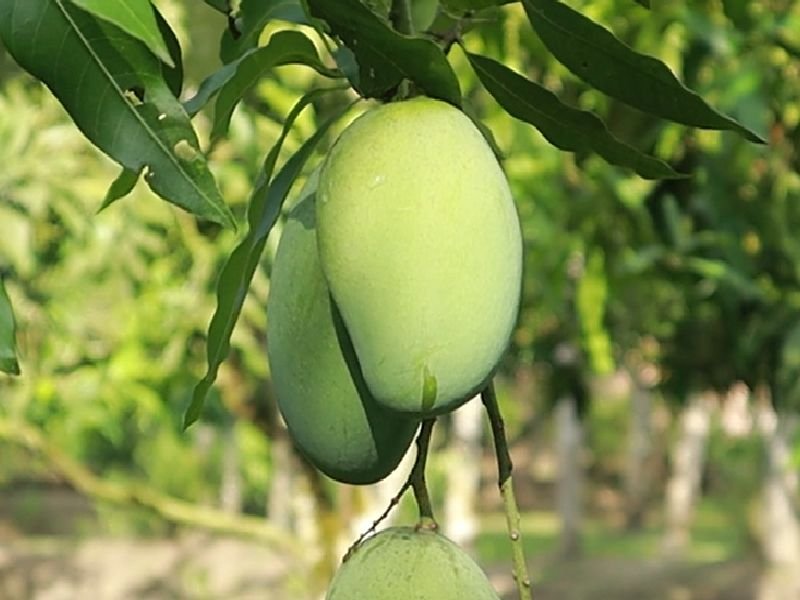
Chapainawabganj Langra Mango
A peak-season harvest that turns Chapainawabganj into a trail of colour, fragrance and flavour.
Explore More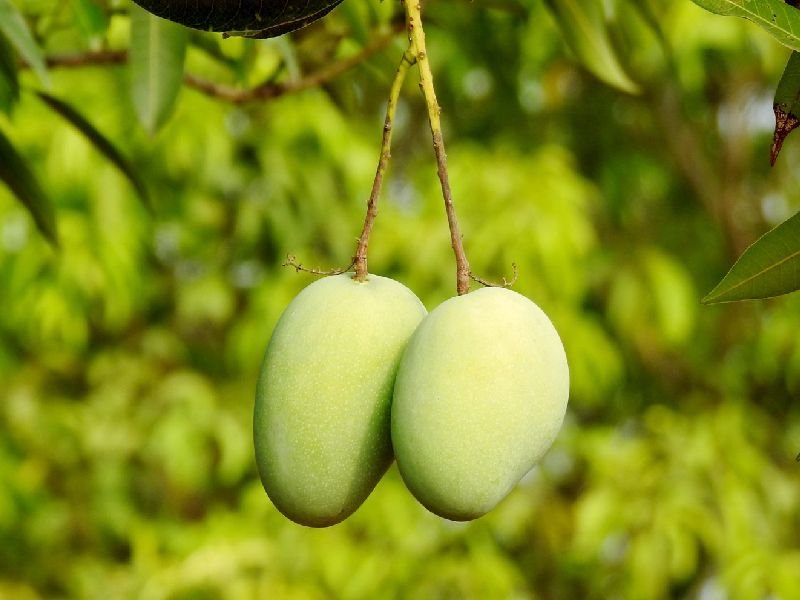
Chapainawabganj Ashwina Mango
A peak-season harvest that turns Chapainawabganj into a trail of colour, fragrance and flavour
Explore More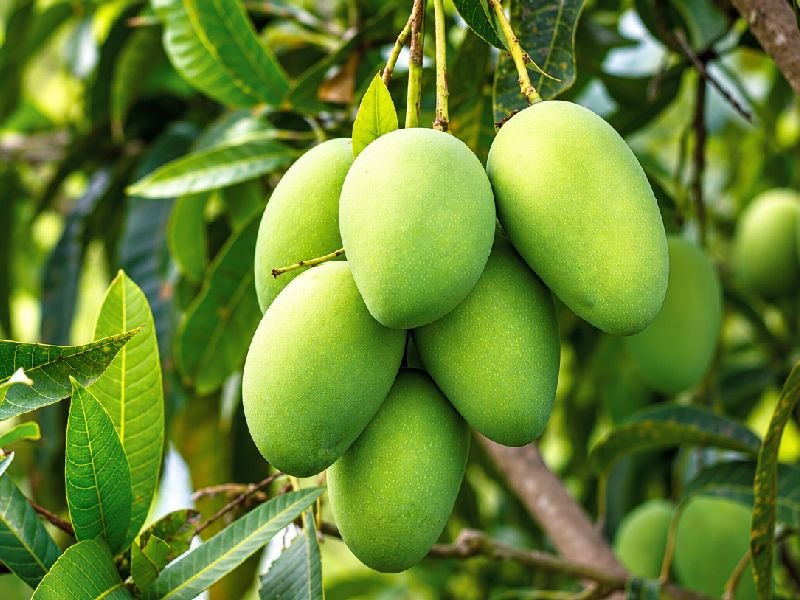
Rajshahi-Chapainawabganj Fazli Mango
A peak-season harvest that turns Rajshahi and Chapainawabganj into a trail of colour, fragrance and flavour.
Explore More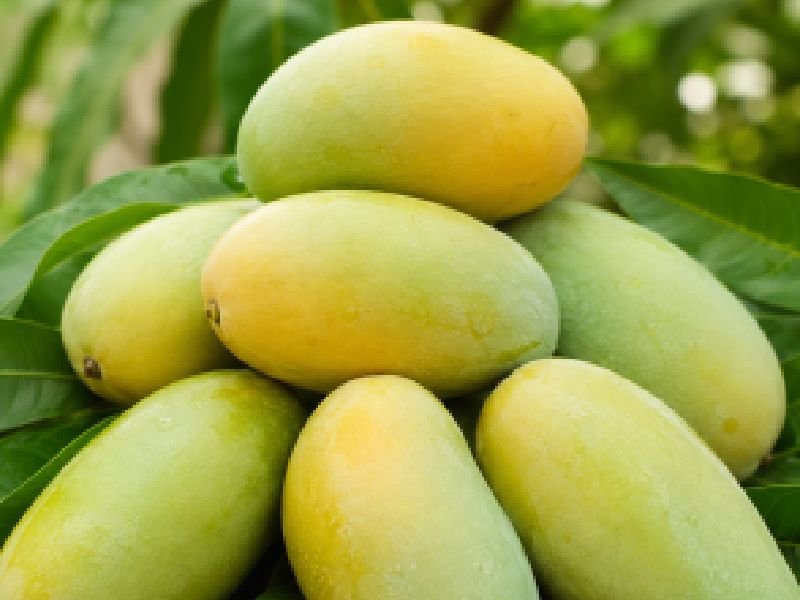
Naogaon Nak Fazli Mango
A peak-season harvest that turns Naogaon into a trail of colour, fragrance and flavour.
Explore More