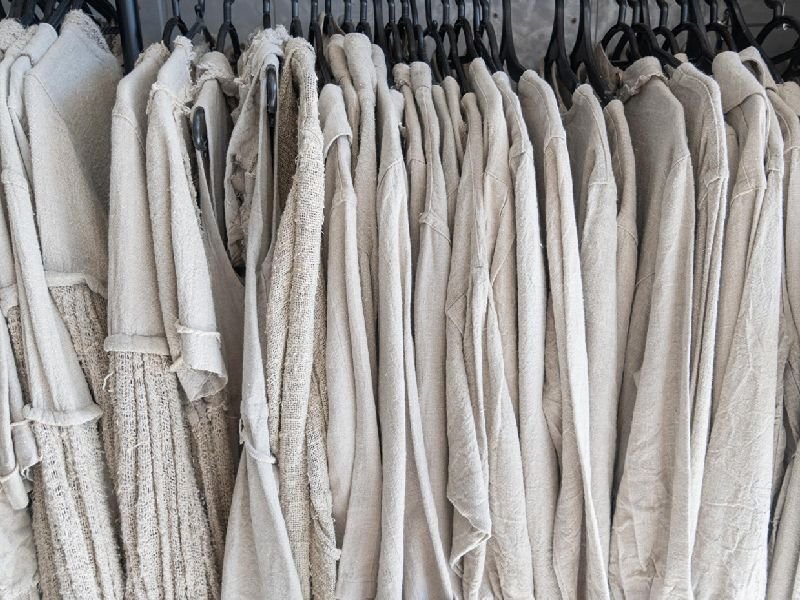
Rajshahi Silk and Handloom Fabrics
The Silk City, fighting to reclaim its name
A craft that dates to the 13th century Now producing a fraction of what it once did
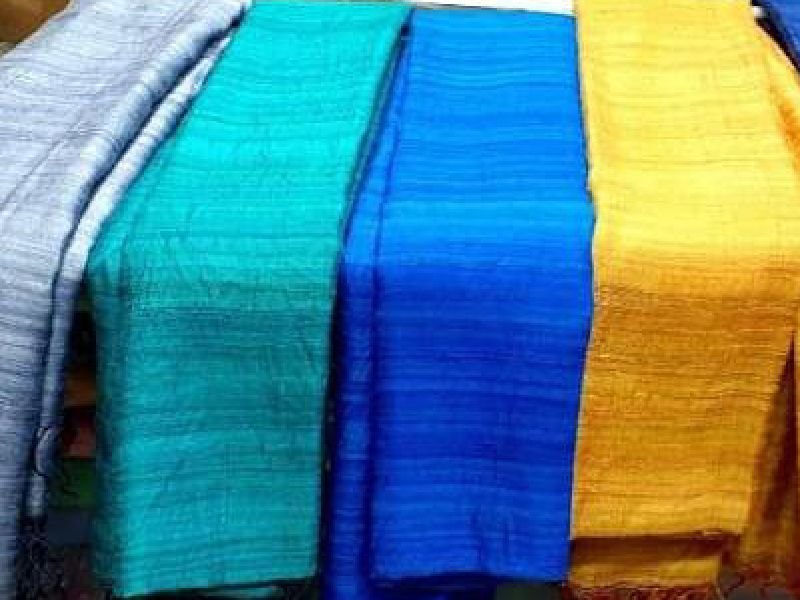
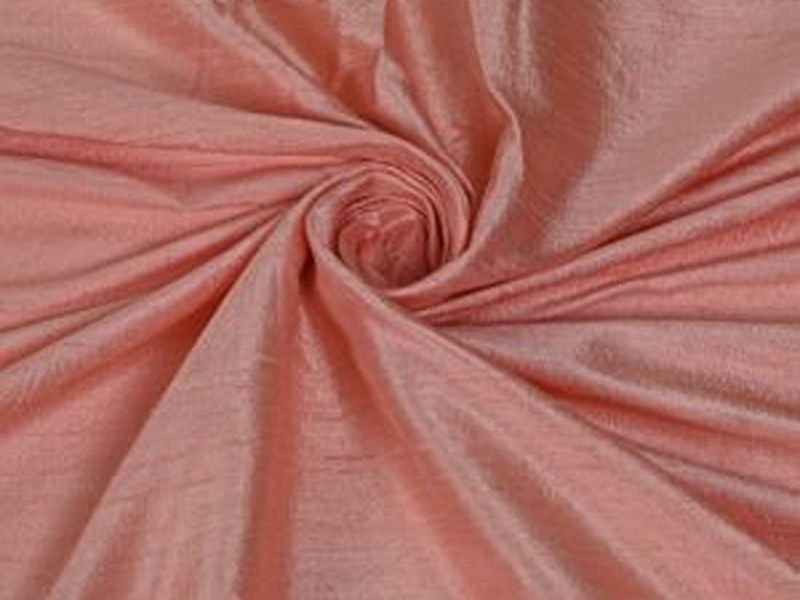
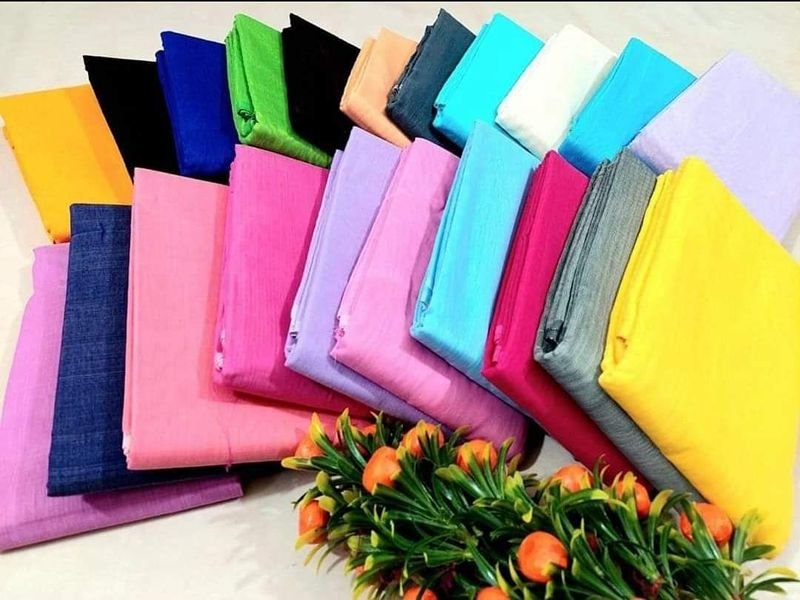
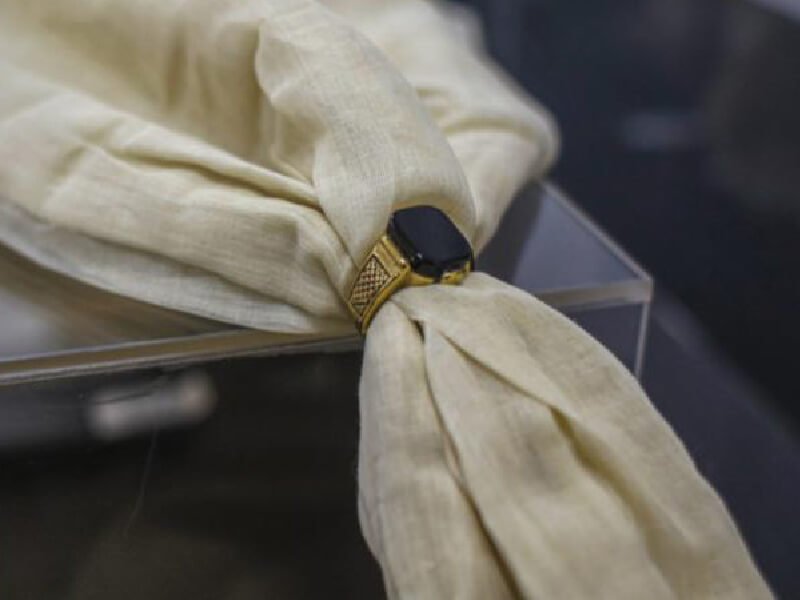
Rajshahi's silk tradition, historically known as Bengal or Ganges silk, dates back to at least the 13th century, when it was already prized as far away as Italy. British colonial administrators selected the Rajshahi region specifically for mulberry cultivation given its ideal soil and climate, and by the 1980s Rajshahi's Sapura industrial area bustled with 76 silk factories alongside government showrooms and workshops—genuinely earning the city its nickname, the "Silk City." The Bangladesh Sericulture Board, established here in 1978, still oversees the industry today.
It would be misleading to describe Rajshahi silk purely in its historic glory, however: the 1947 Partition split the Bengal silk zone, sending key production areas to India, and the state-owned Rajshahi Silk Factory—which produced 300 tonnes of silk thread before 2002—was down to 50 tonnes by 2011 and closed entirely that same November. According to the Rajshahi Sericulture Development Board, domestic silk thread production now meets barely 10% of national demand, worsened by a flood of counterfeit "silk" sold under the Rajshahi name. Authentic handwoven Rajshahi silk—sarees, fabric by the yard, and increasingly, silk sold to designers—can still genuinely only be verified by buying from Rajshahi itself, where roughly 100,000 people remain directly or indirectly employed in what survives of the sector.
Immersive Experience
No 360° Videos available
Destination Gallery
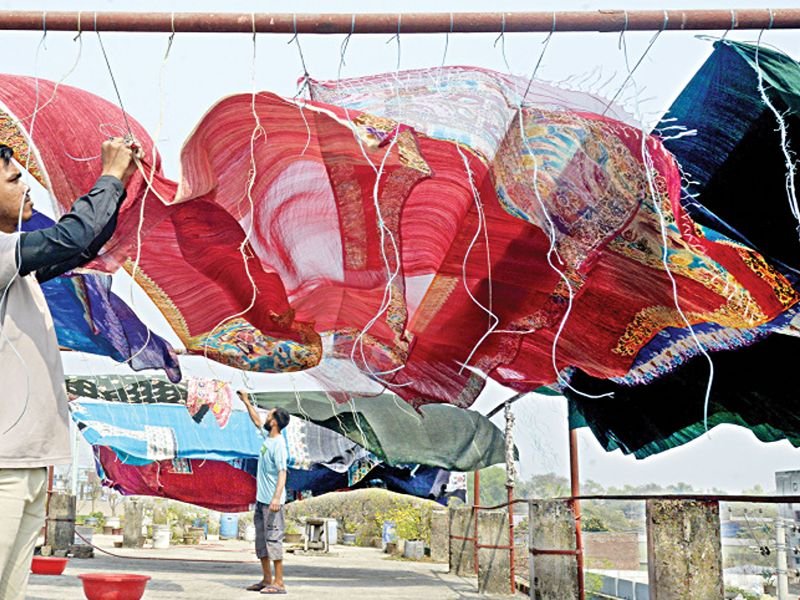
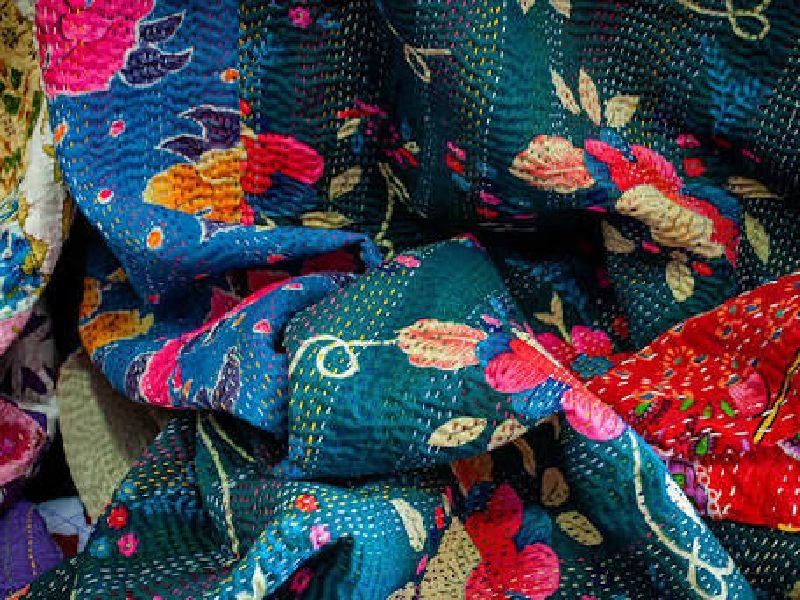
Nakshi Kantha Hand-Embroidered Textiles
Five centuries of women stitching their stories into cloth
Explore More