Nakshi Kantha Hand-Embroidered Textiles
Five centuries of women stitching their stories into cloth
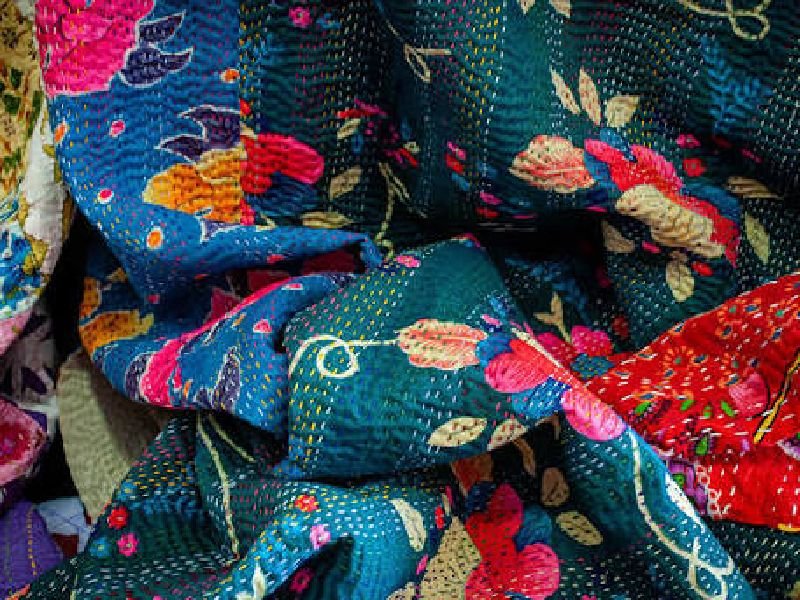
"Her secret pain, embroidered all night" Bengal's quilted art of memory and survival
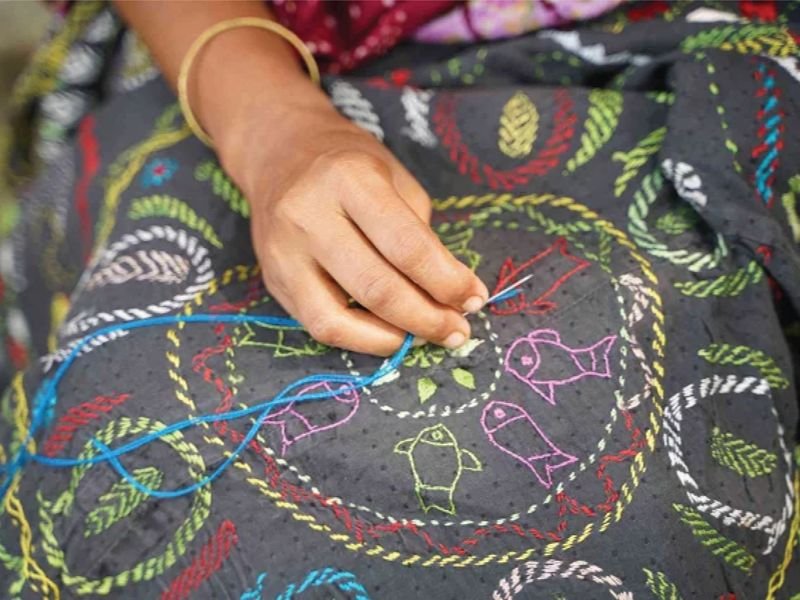
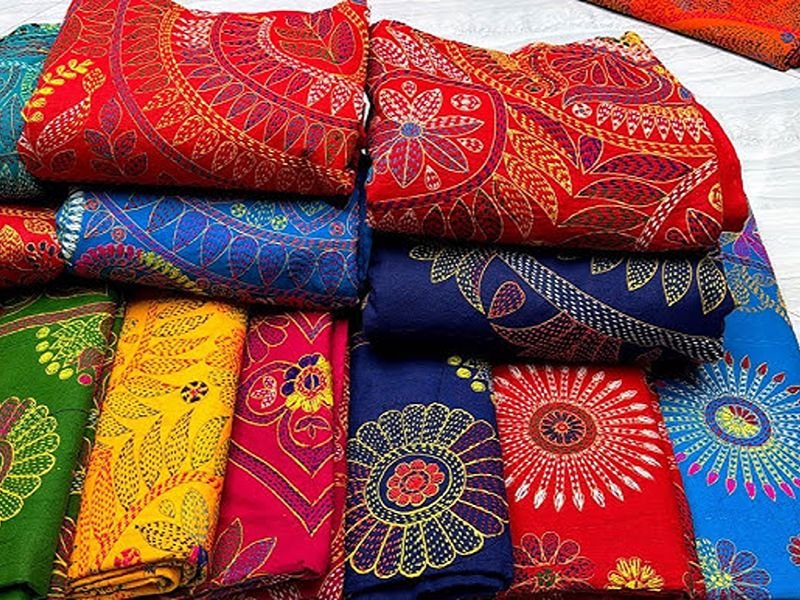
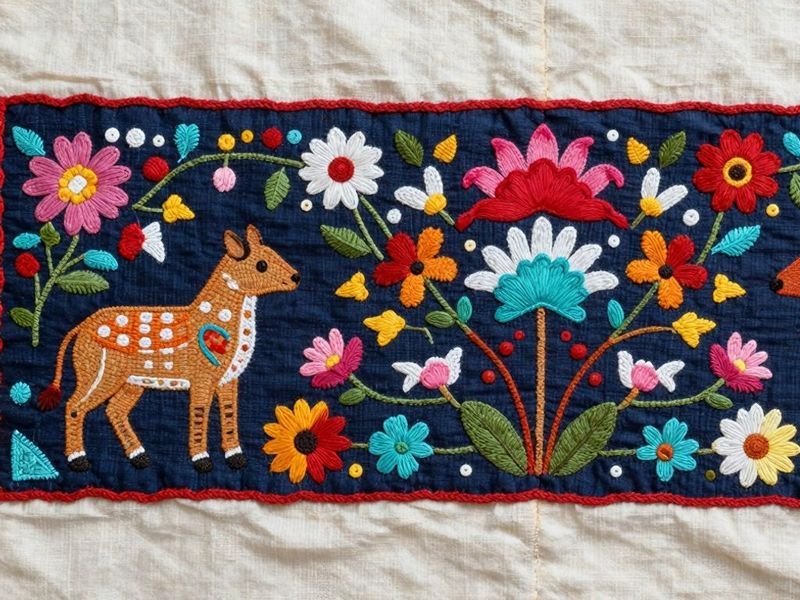
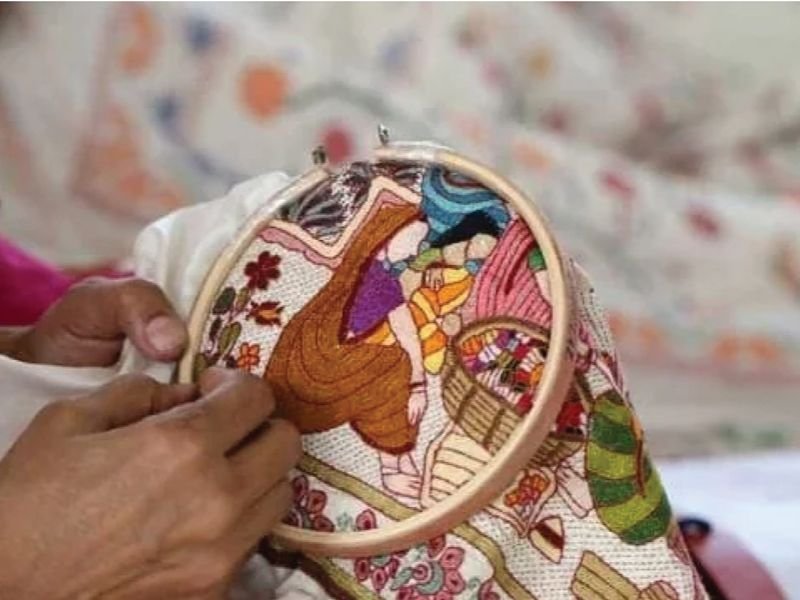
For roughly 500 years, women across rural Bengal—particularly along riverbanks and chars, the shifting river islands—have gathered to stitch layers of old saris and dhotis into nakshi kantha, turning worn cloth into embroidered quilts dense with meaning. The tradition entered the national imagination through poet Jasimuddin's 1929 poem "Nakshi Kanthar Math" (The Field of the Embroidered Quilt), which described a woman spreading her kantha and stitching all night, "as if it was the poet of her secret pain"—a phrase still quoted nearly a century later to describe the emotional weight these textiles carry, portraying everything from daily village life to, in more recent decades, scenes from Bangladesh's 1971 Liberation War.
Today the craft is strongest in Jamalpur, Jashore, Mymensingh, and Rajshahi, and its revival owes much to BRAC's Ayesha Abed Foundation, which works with women across 84 sub-centres in Jamalpur alone, producing roughly 3,600 nakshi kantha a year for Aarong. But climate change poses a genuine new threat: riverbank erosion is destroying homes—and with them, heirloom kanthas—faster than families can preserve them, adding urgency to a craft that has always been about turning loss into something beautiful.
Immersive Experience
No 360° Videos available
Destination Gallery