Eco-Friendly Jute Fashion and Home Decor
The Golden Fiber, reborn as fashion
From rope and sacking to runway-ready textiles Bangladesh's original export crop, remade sustainable
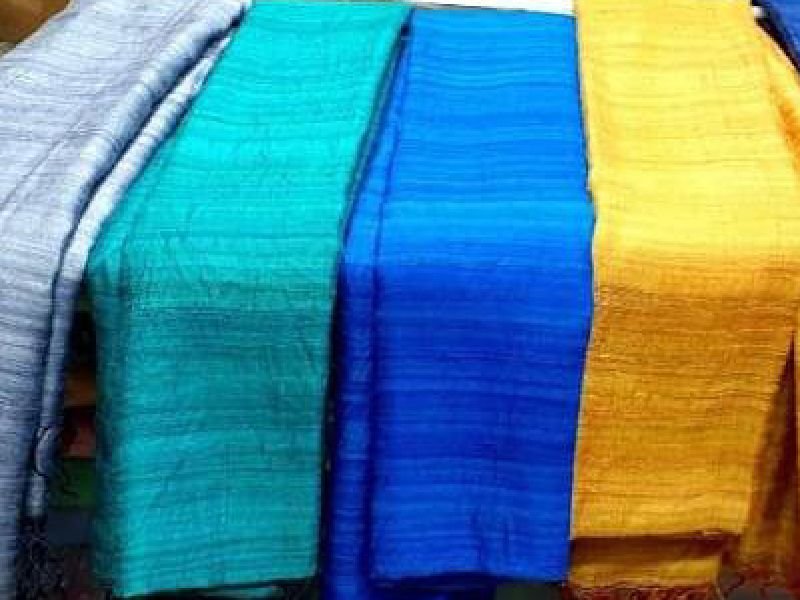
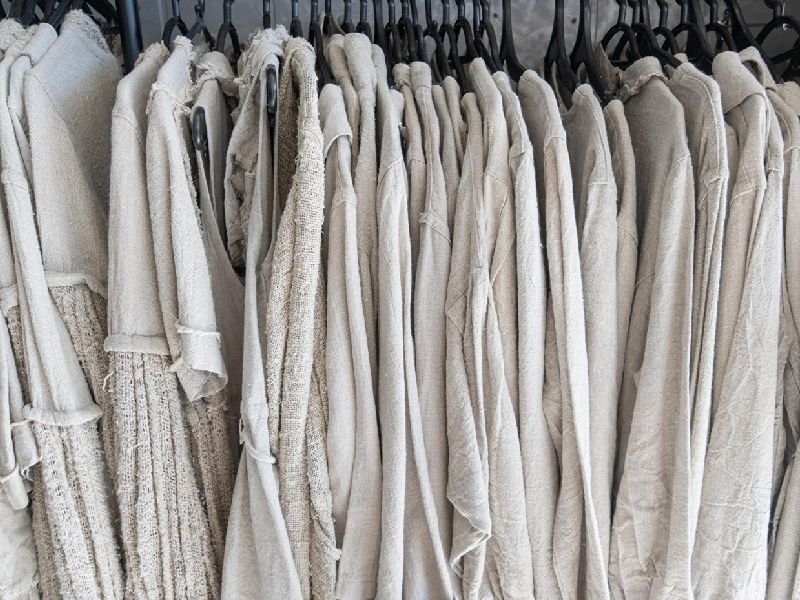
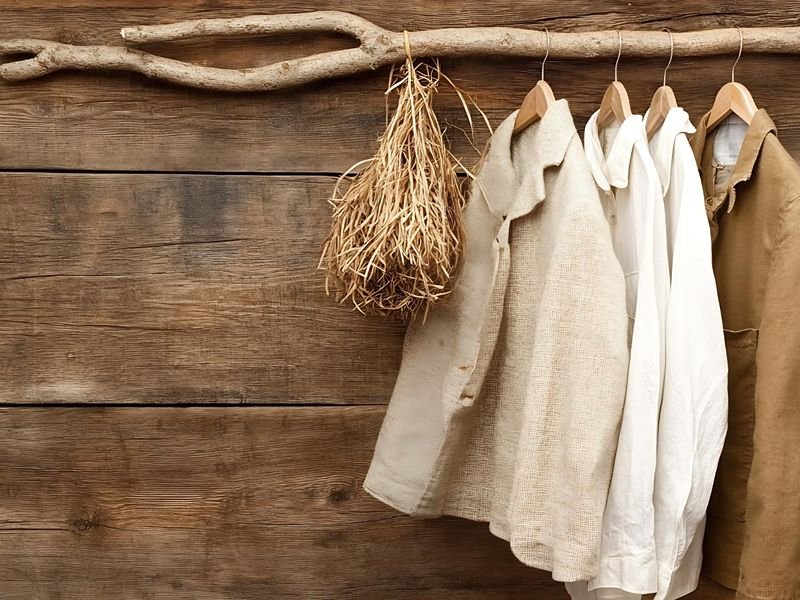
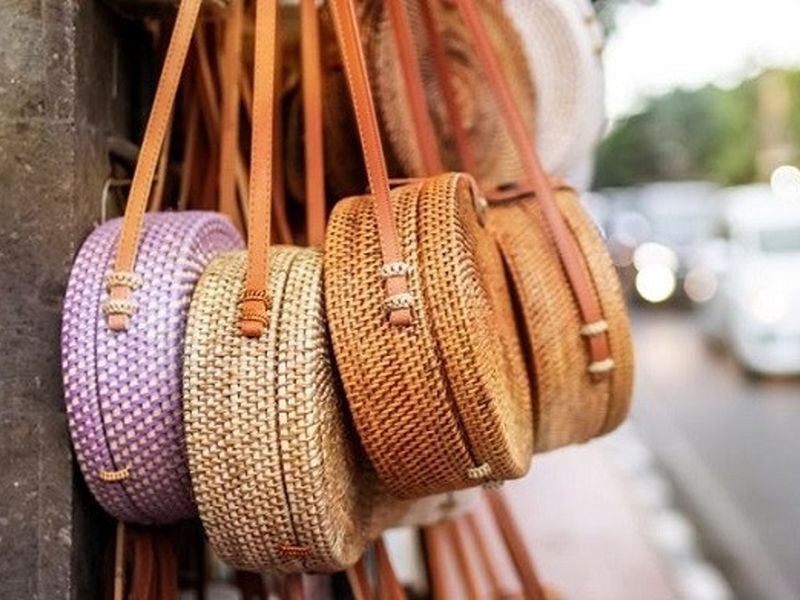
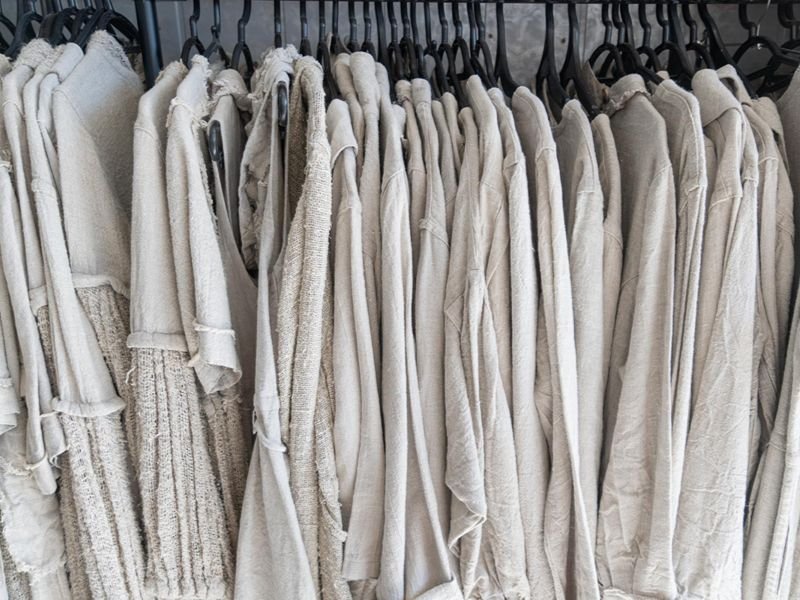
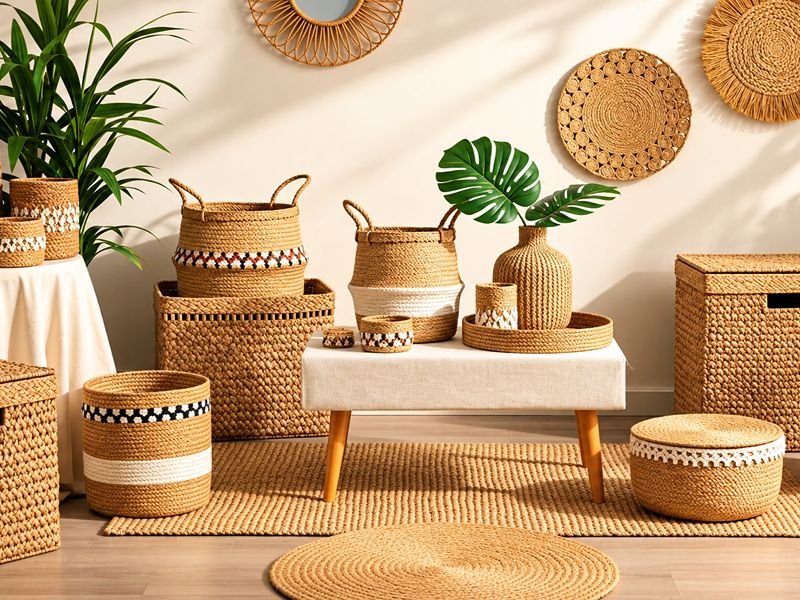
Jute earned its nickname, the "Golden Fiber," from its natural sheen and warm hue, and Bengal has been the world's dominant jute-growing region since British trading interest took off around 1791. Today, as global demand shifts toward sustainable materials, Bangladesh's jute sector has diversified well beyond sacking and rope into fashion textiles, rugs, bags, wall hangings, baskets, and home decor—all biodegradable, renewable, and requiring far less water and pesticide than cotton to grow.
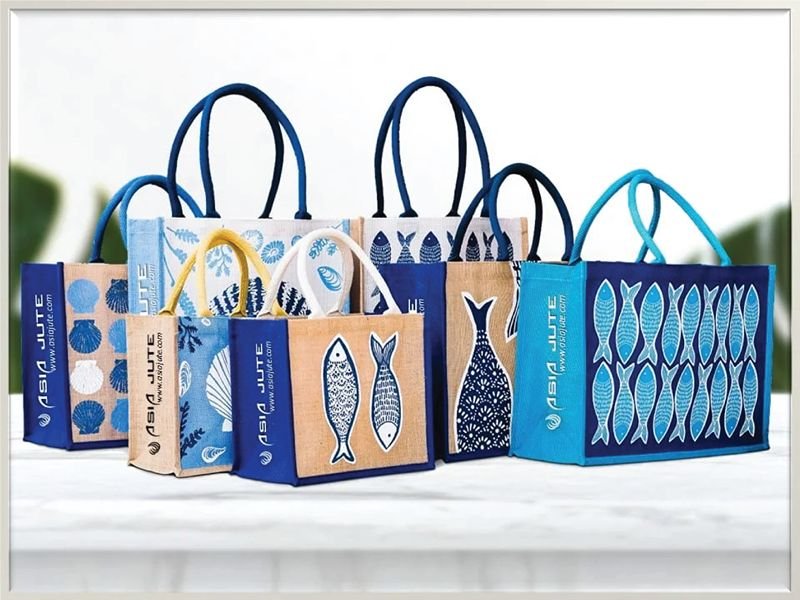
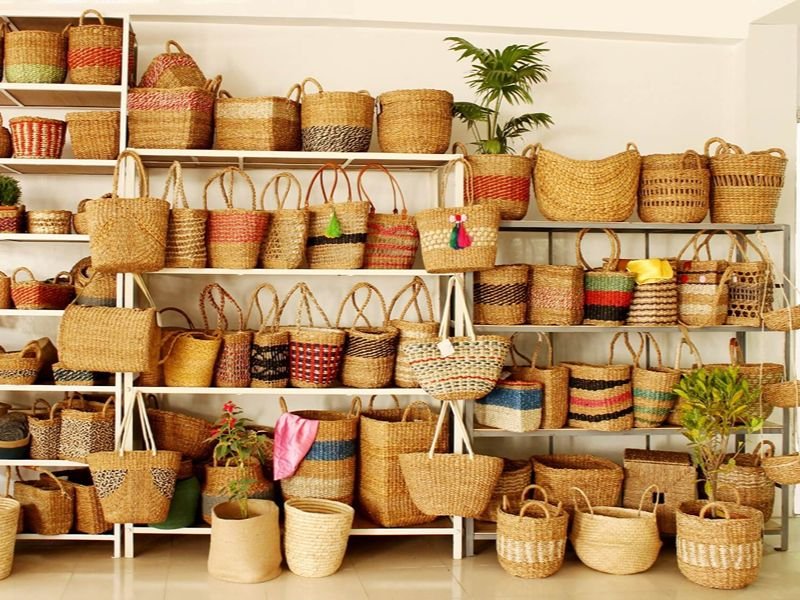
Much of this diversification has a genuinely important social history behind it: CORR–The Jute Works, founded in 1973 by Caritas Bangladesh to support women widowed or displaced by the 1971 Liberation War, remains one of the pioneers of Bangladesh's fair-trade jute sector, today working with over 6,000 artisans across 33 districts. Aarong, BaSE, and Prokritee have since built on that foundation, producing jute totes, macramé decor, and woven baskets sold both domestically and internationally, while newer innovations like "Jutton" (a cotton-jute blend) are pushing jute into premium fashion applications for the first time.
Immersive Experience
No 360° Videos available
Destination Gallery
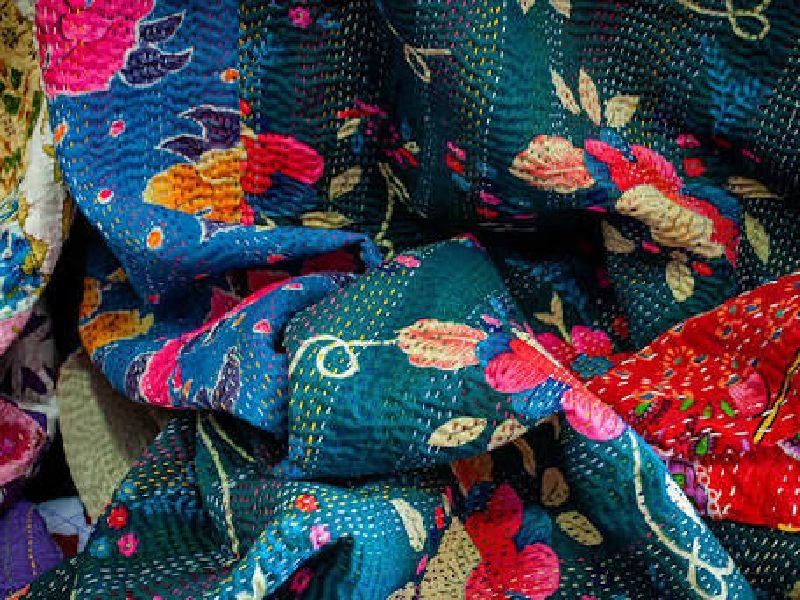
Nakshi Kantha Hand-Embroidered Textiles
Five centuries of women stitching their stories into cloth
Explore More