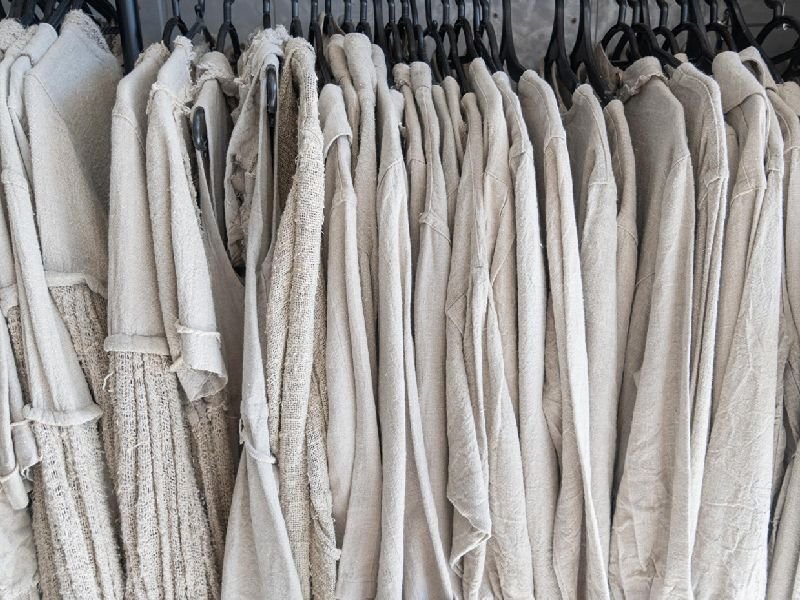
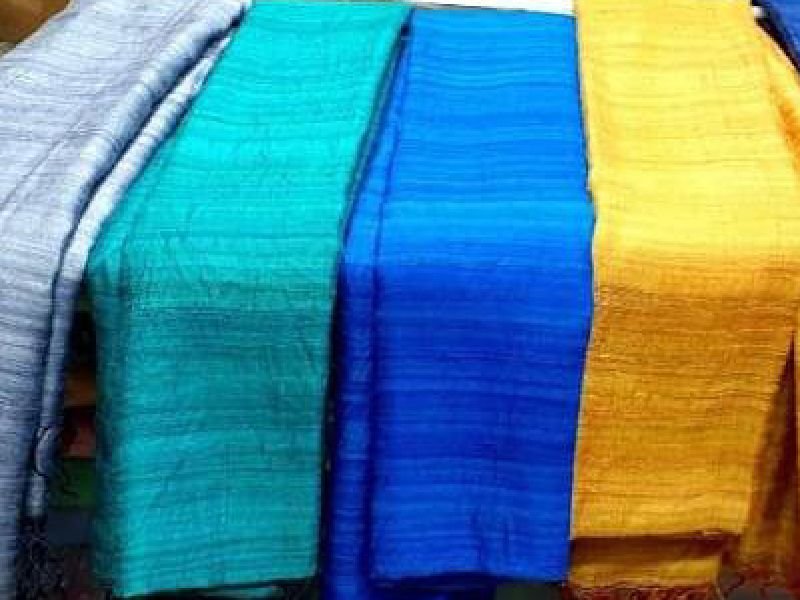
Heritage Jamdani and Muslin Sarees
Woven air, still handwoven after 2,000 years
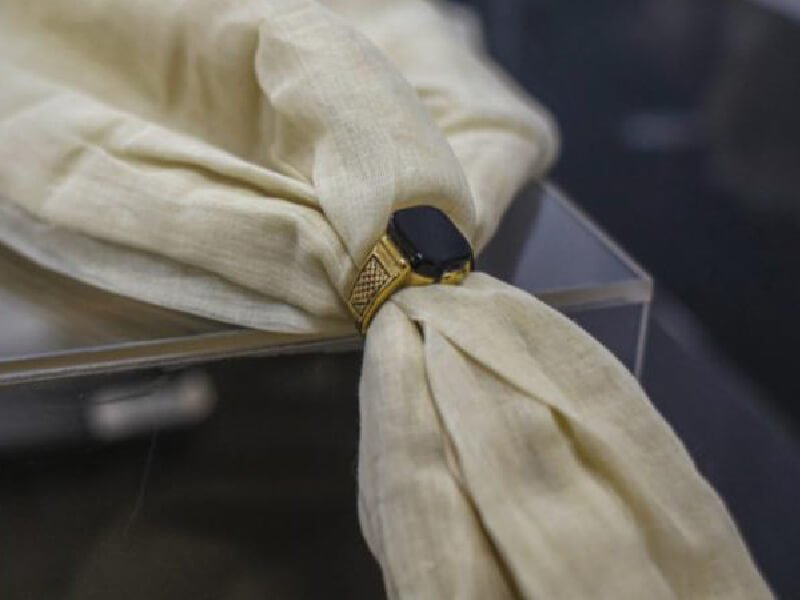
Bangladesh's first Geographical Indication product UNESCO-recognized craft, born on the Shitalakshya.
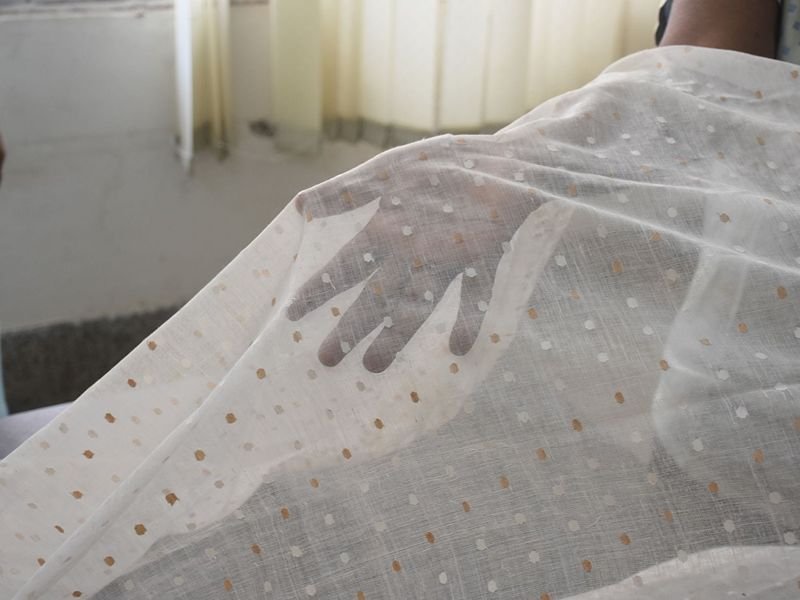
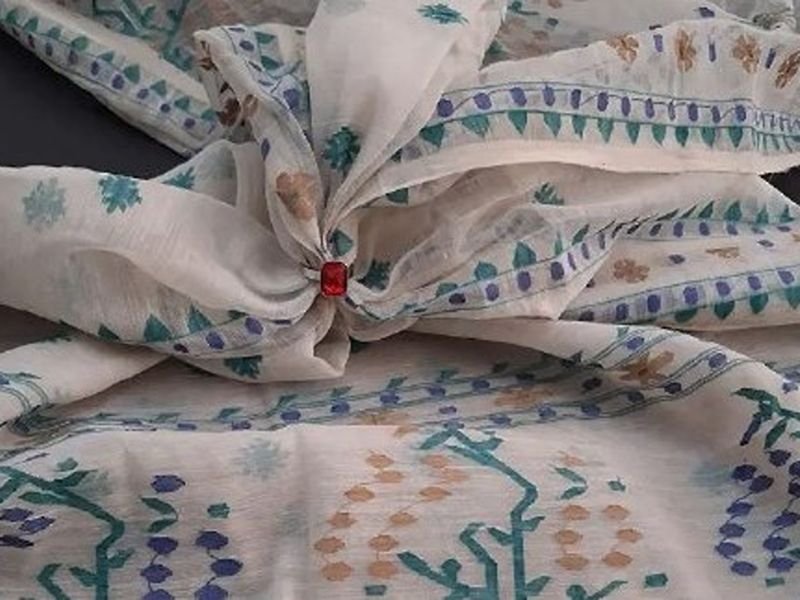
Jamdani is the last surviving descendant of Dhaka muslin, once called "woven air" for its impossible lightness, and its home has always been the villages along the Shitalakshya River—Rupganj, Sonargaon, and Siddhirganj in Narayanganj district, still known collectively as Jamdani Palli. The craft reached its peak under Mughal patronage; Emperor Jahangir himself was known to wear jamdani muslin, and the name derives from Persian—"jam" (flower) and "dani" (vase)—describing the floral motifs woven directly onto the loom using a discontinuous weft technique, with no sketch or outline ever drawn on the fabric itself.
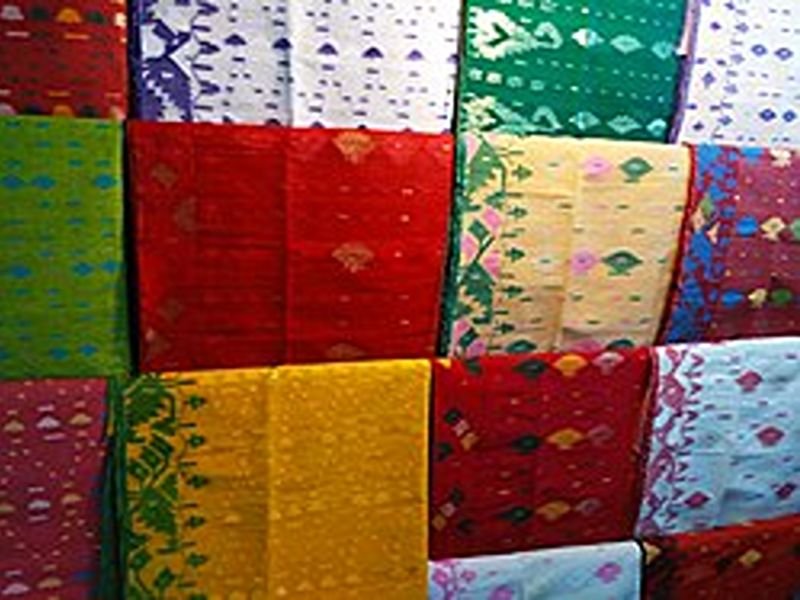
In 2013, UNESCO recognized jamdani weaving as an Intangible Cultural Heritage of Humanity, and in 2016 Bangladesh named it the country's first Geographical Indication (GI) product. A single high-quality jamdani saree can take anywhere from a week to ten months to weave, depending on complexity, and today the craft survives in roughly 155 villages around Rupganj, Sonargaon, and Siddhirganj. For buyers, the most authentic route is the Jamdani Haat—riverside wholesale markets where weaving families sell directly each morning—though heritage retailers like Aarong, Aranya, and Kumudini also stock genuine, artisan-sourced jamdani for those who want a curated, guaranteed-authentic selection.
Immersive Experience
No 360° Videos available
Destination Gallery
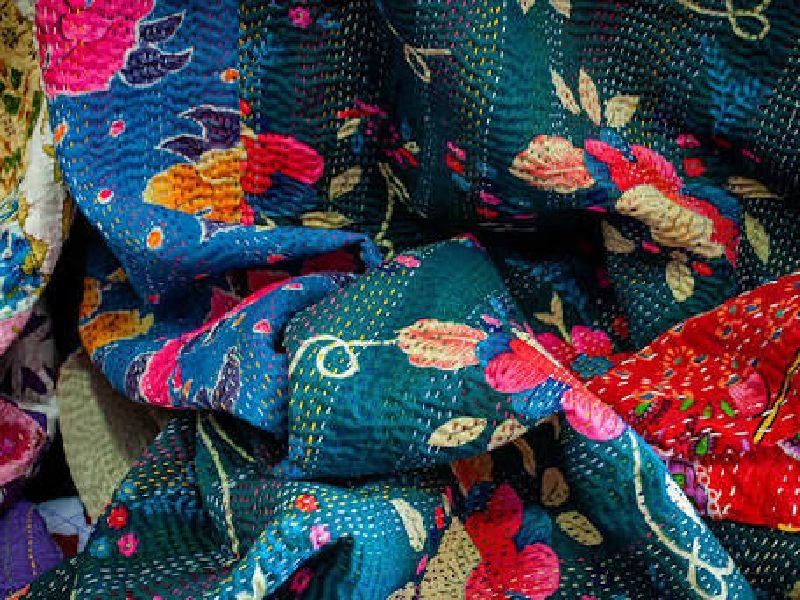
Nakshi Kantha Hand-Embroidered Textiles
Five centuries of women stitching their stories into cloth
Explore More