

Organic Vegetable Farm Homestays
Biodiversity, local seeds, and slower ways of experiencing rural agriculture
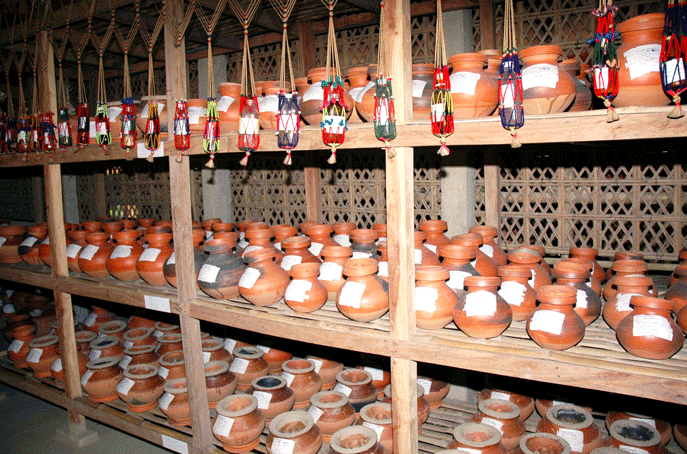
Earth, Seed, and Community. Learn from Bangladesh's Agroecological Farmers
Bangladesh has several established agroecological farming movements and rural learning centers, even though it does not yet have one standardized national network of commercial "organic farm homestays."
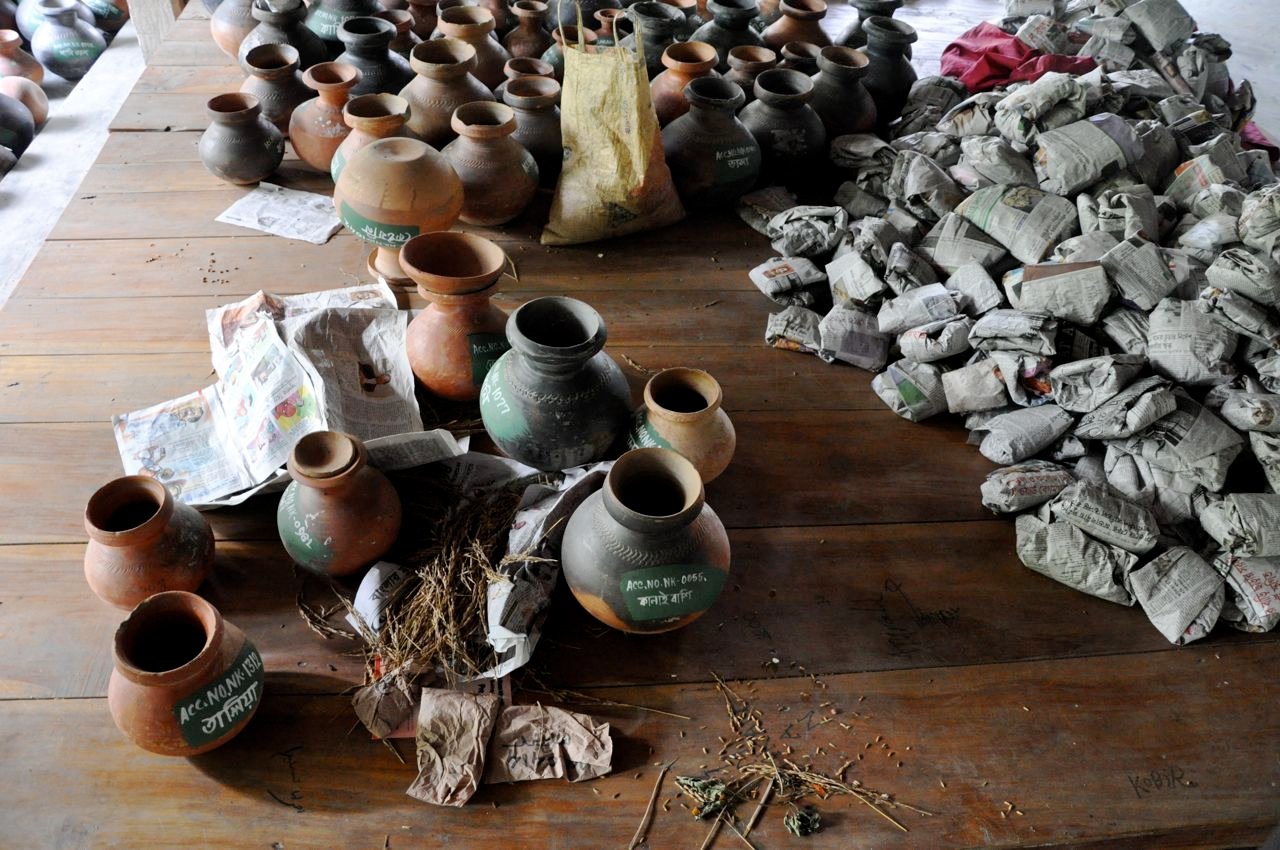
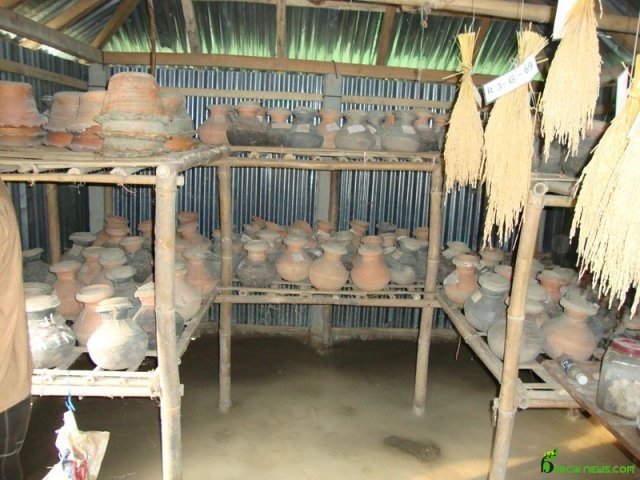
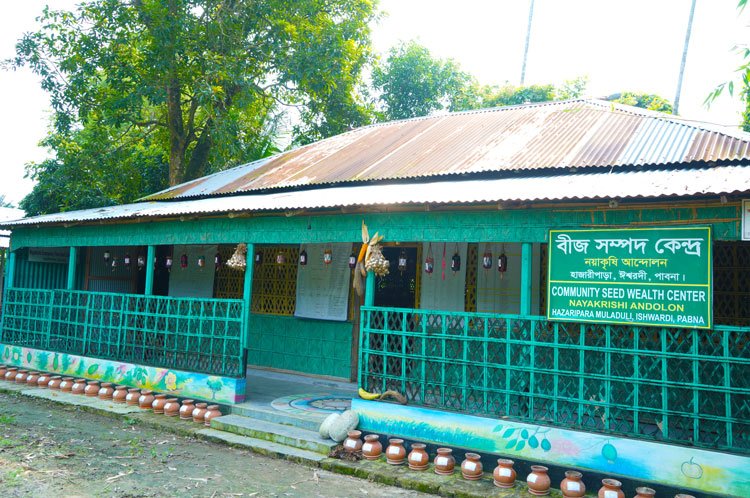
One of the country's best documented examples is the Nayakrishi Andolon, or New Agriculture Movement. The movement promotes biodiversity-based farming and builds on farmer knowledge, ecological processes, local seeds, and reduced dependence on industrial agricultural inputs.
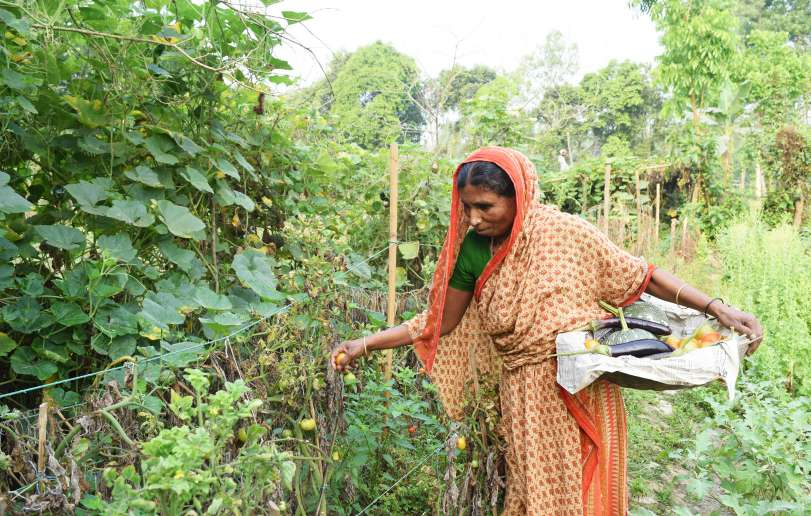
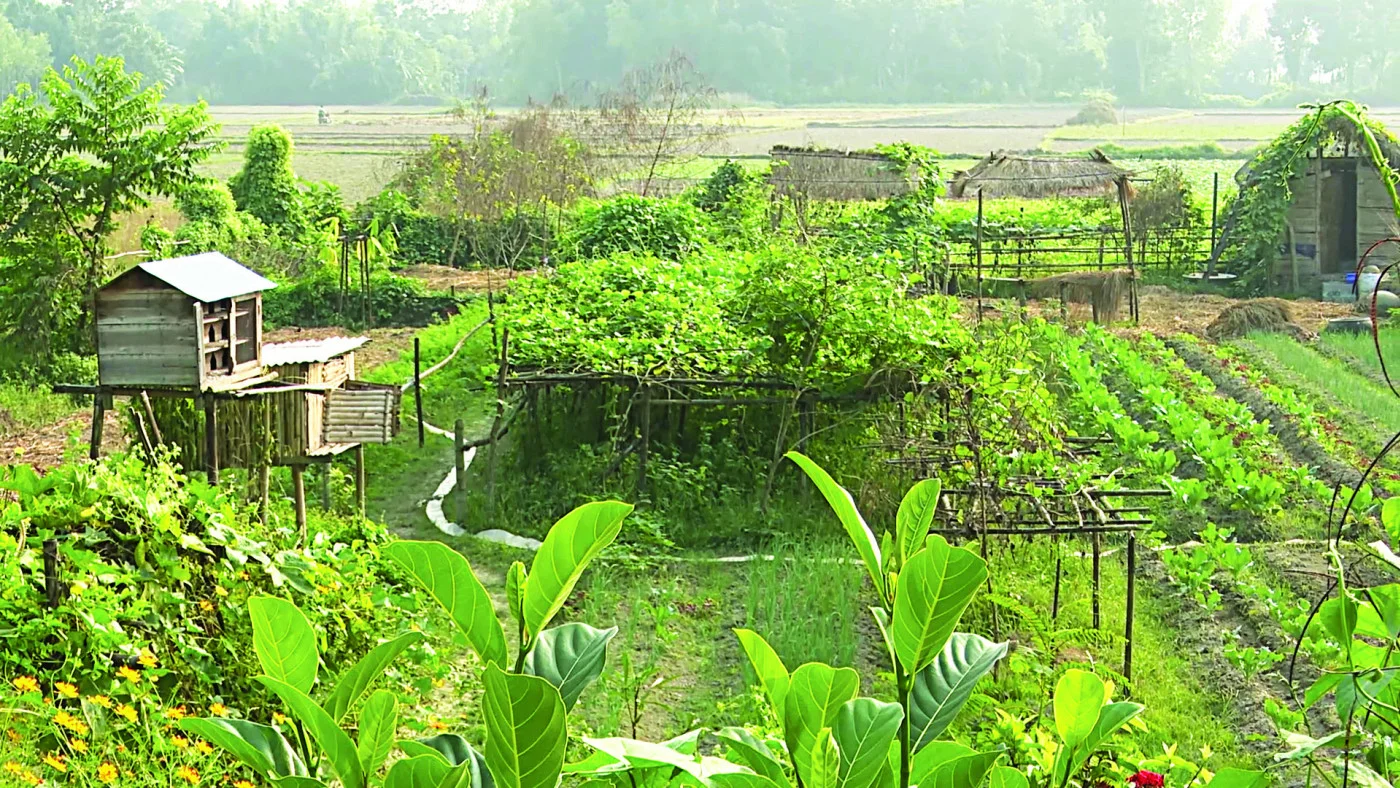
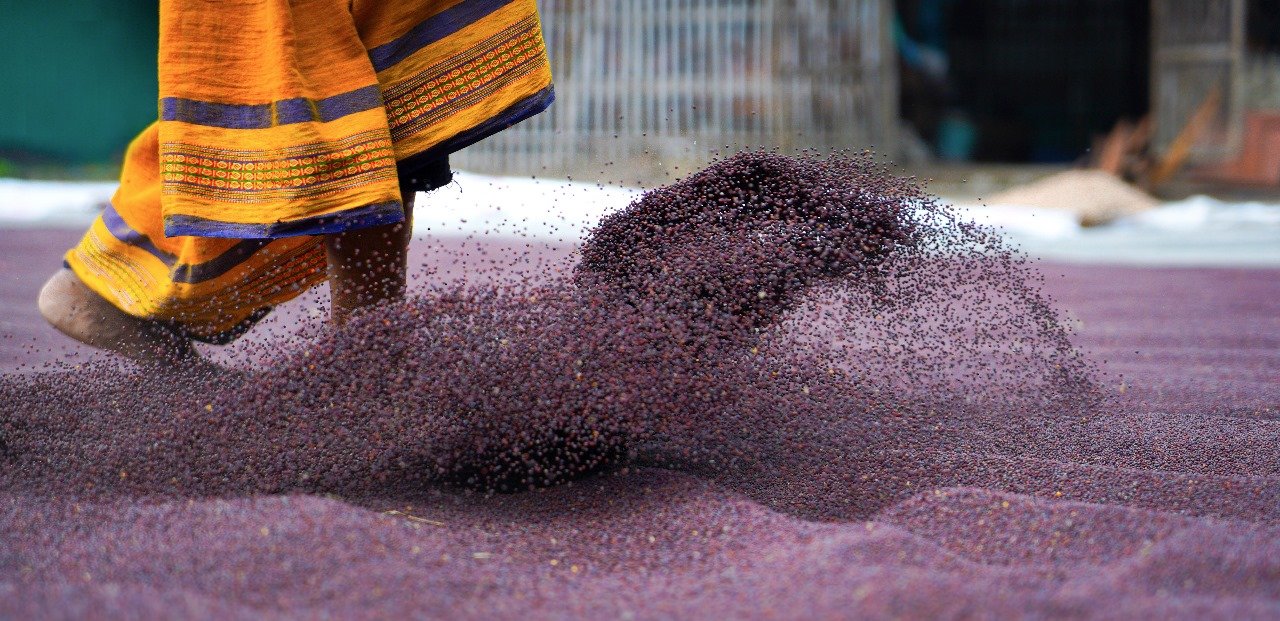
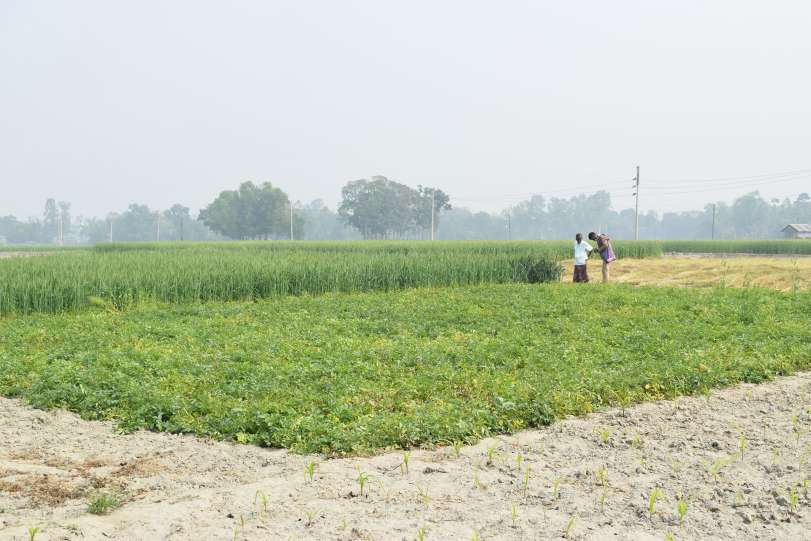
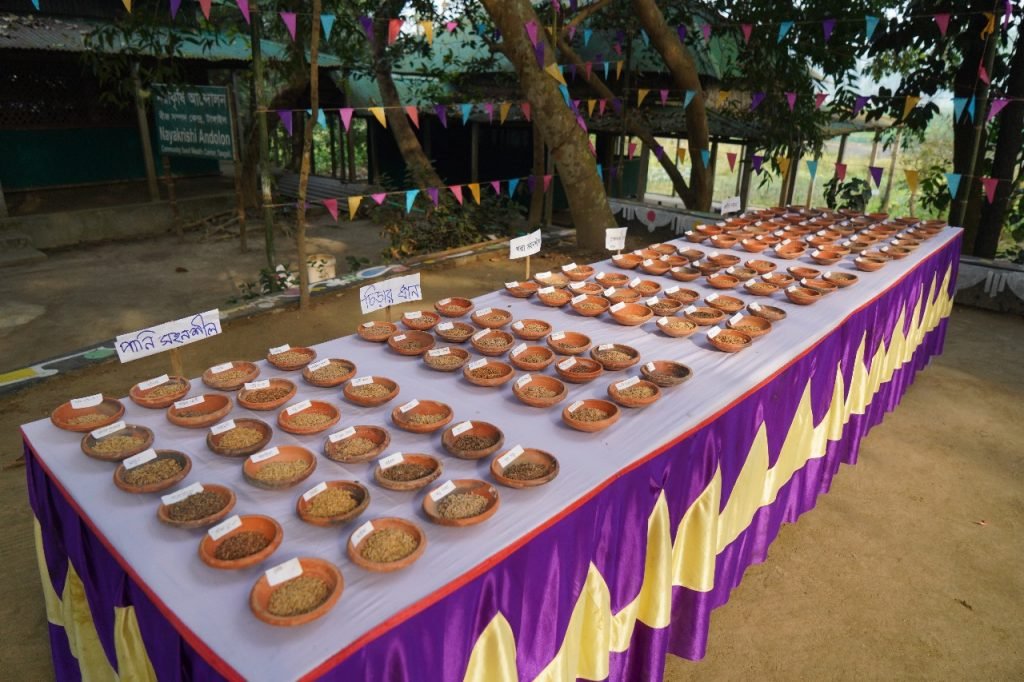
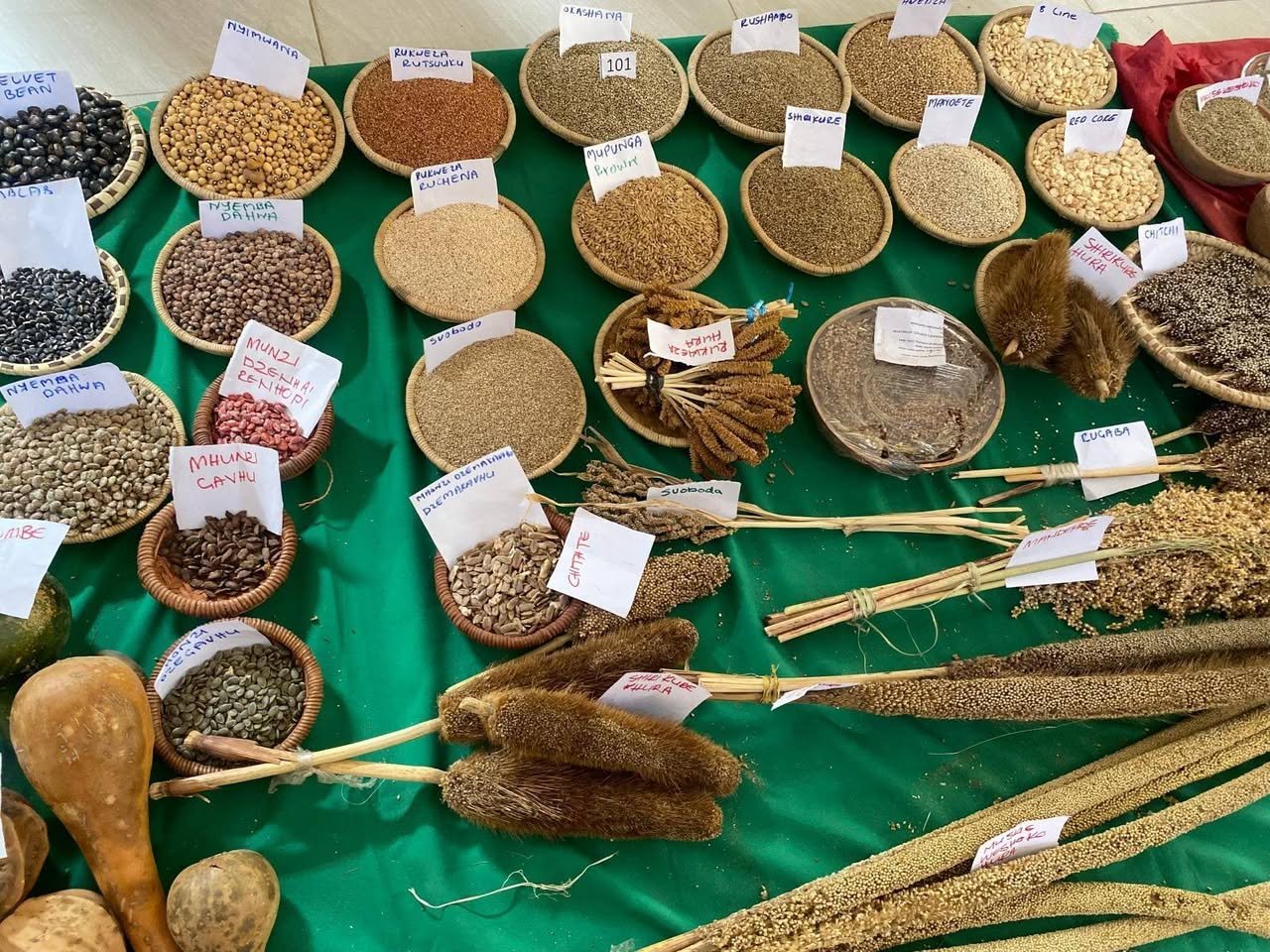
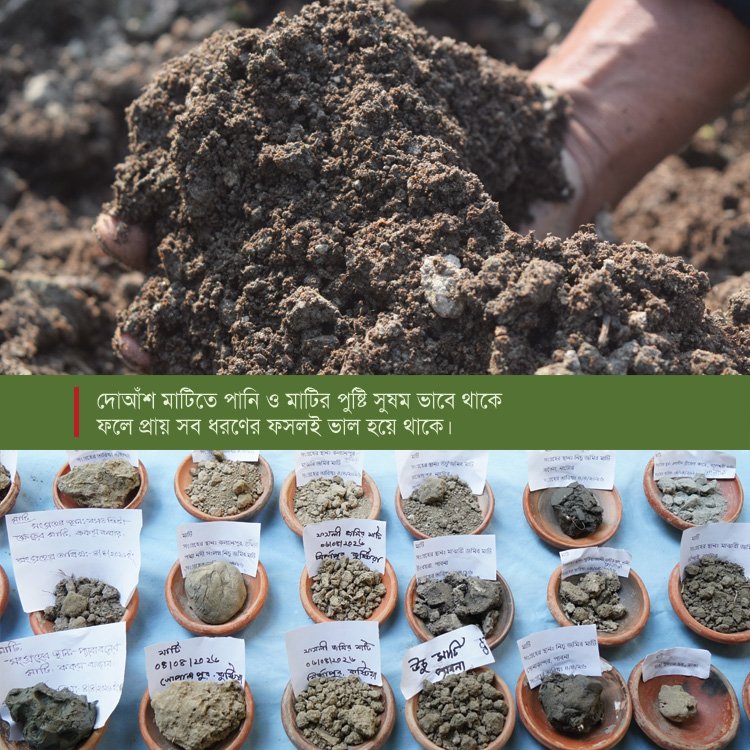
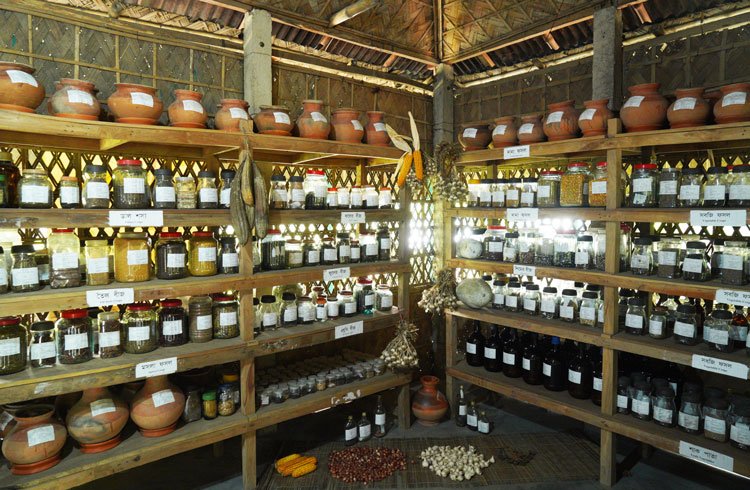
Nayakrishi farmers combine different crops rather than relying entirely on monoculture. They use compost, crop diversity, locally adapted seeds, livestock, and ecological relationships within the farm. FAO has documented Nayakrishi as an important Bangladeshi example of organic and ecological agriculture.
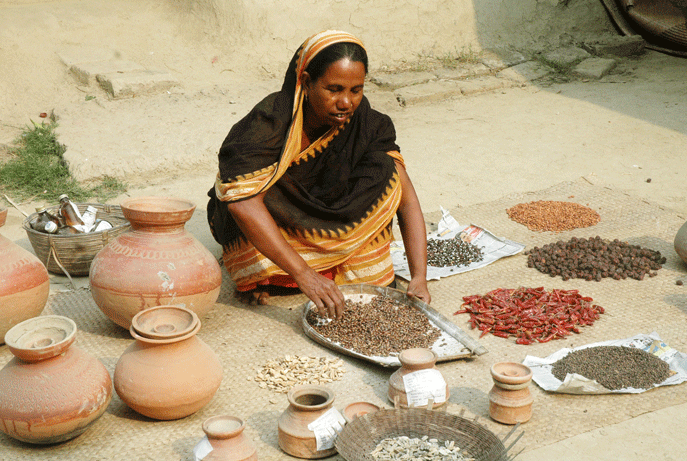
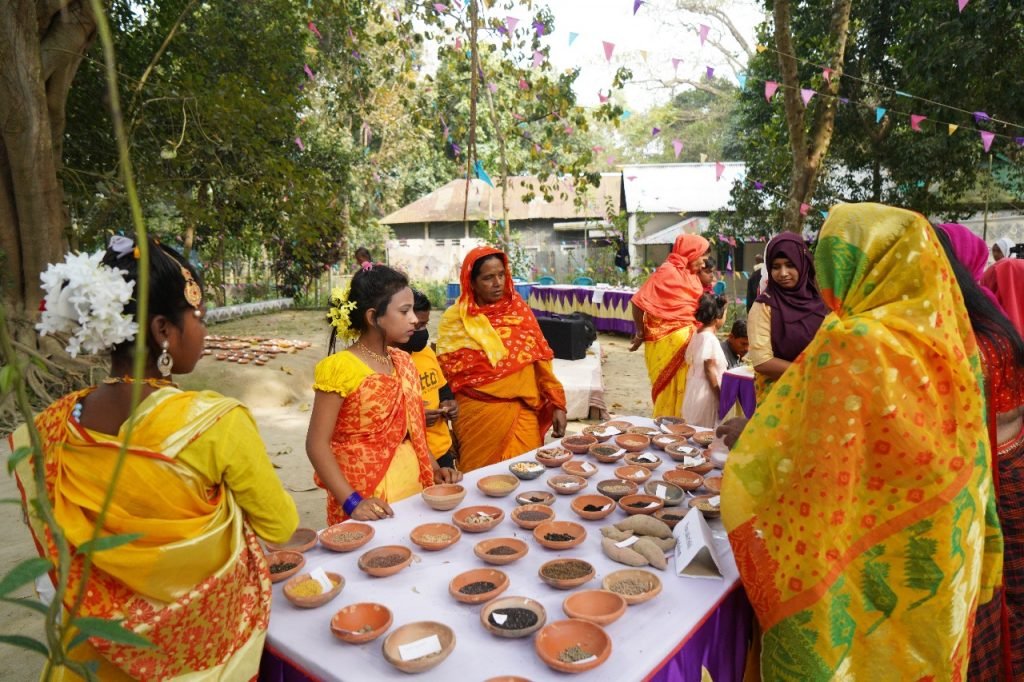
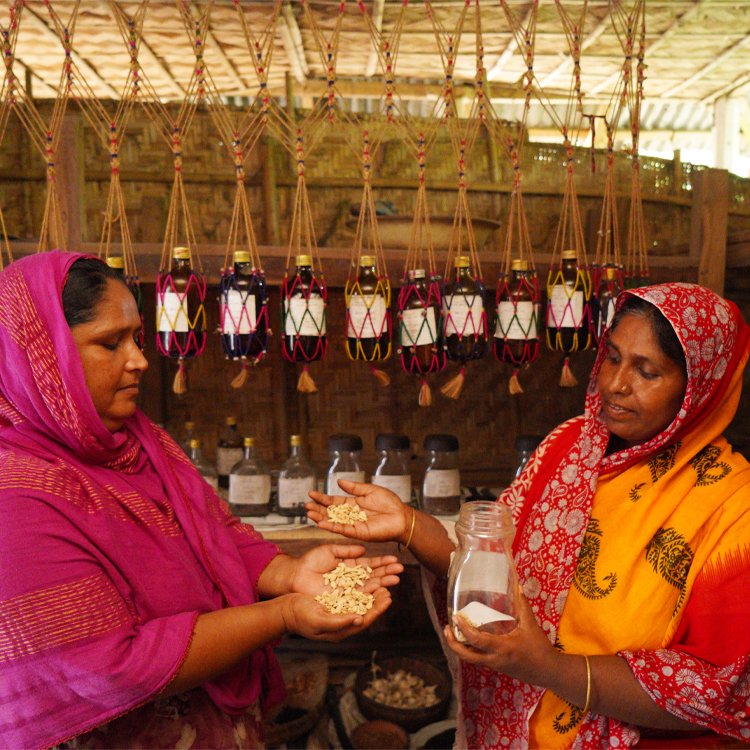
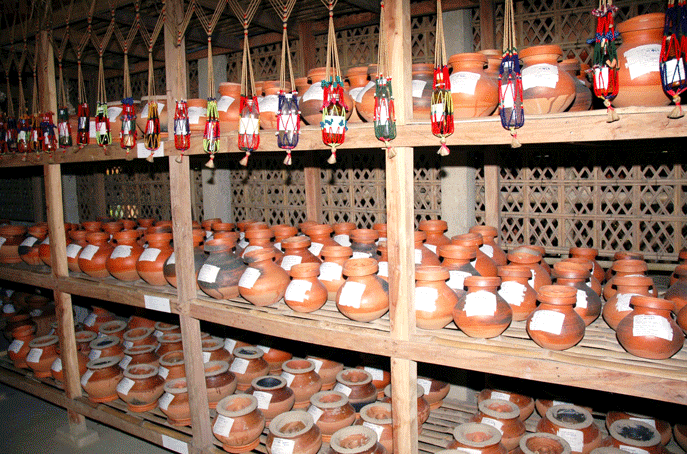
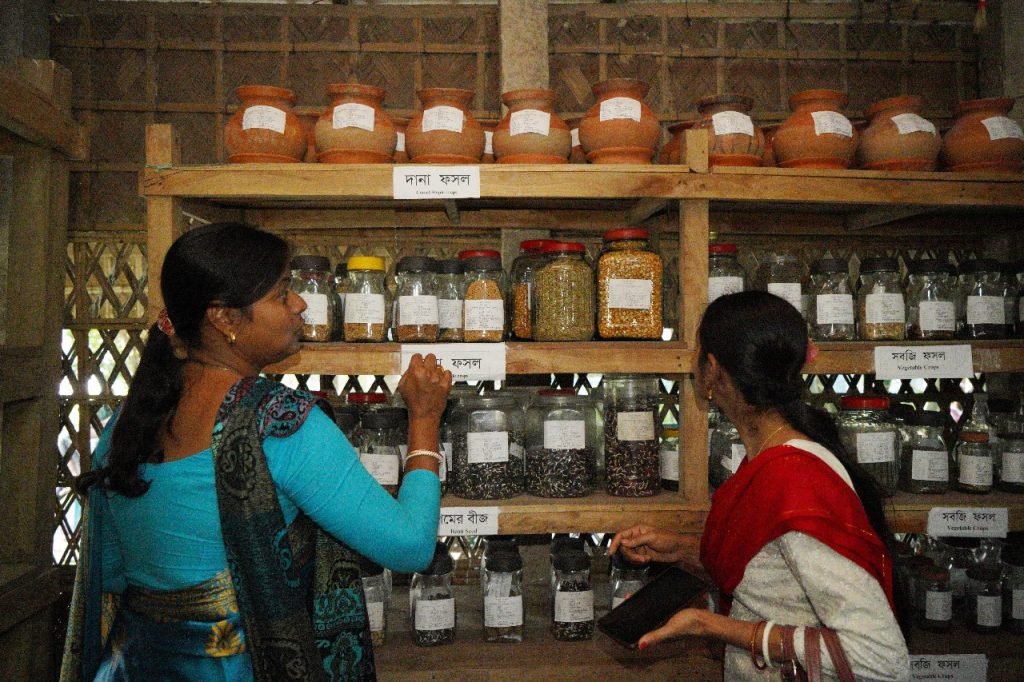
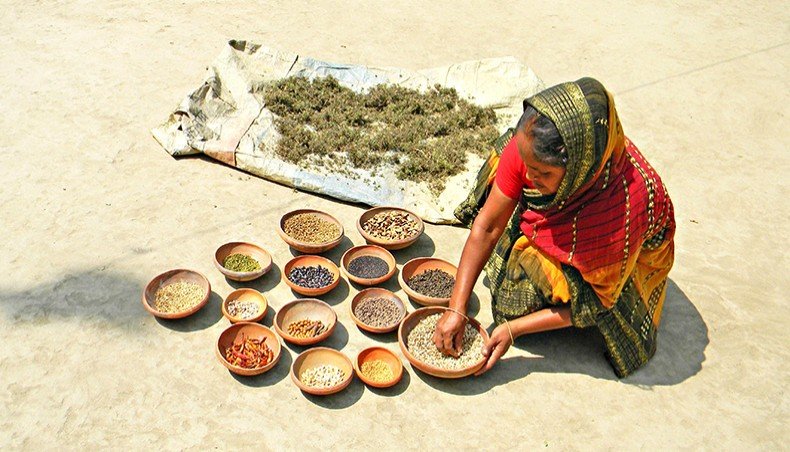
Women play a particularly important role in seed preservation and household-based agricultural knowledge. UBINIG, the organization closely associated with Nayakrishi, reports that women form a large share of the farming families involved in its seed-preservation activities.
A learning visit can therefore focus on much more than vegetable harvesting. Depending on the host and season, visitors may learn about mixed cropping, seed conservation, compost, livestock integration, crop rotation, biodiversity, and the relationship between household food needs and agricultural production.
UBINIG operates rural learning spaces called Biddaghors. The organization describes them as community learning places with meeting areas, farmland for experimentation, and, at several centers, residential facilities. They support exchanges between farmers, researchers, visitors, and community members.
UBINIG reports working with more than 80,000 small farming families in Tangail and Pabna, within a broader network of approximately 300,000 farming households around Bangladesh. These are organizational figures rather than official national agricultural statistics, so the attribution matters.
For visitors, the strongest experience comes from treating these places as learning environments rather than staged rural attractions.
Immersive Experience
No 360° Videos available
Destination Gallery
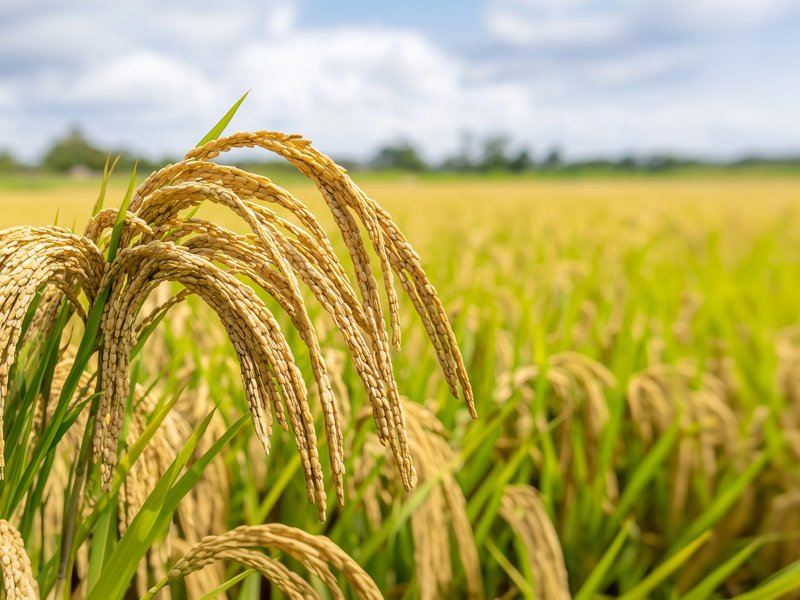
Traditional Rice Harvesting and Planting
The seasonal rhythm behind Bangladesh's staple grain
Explore More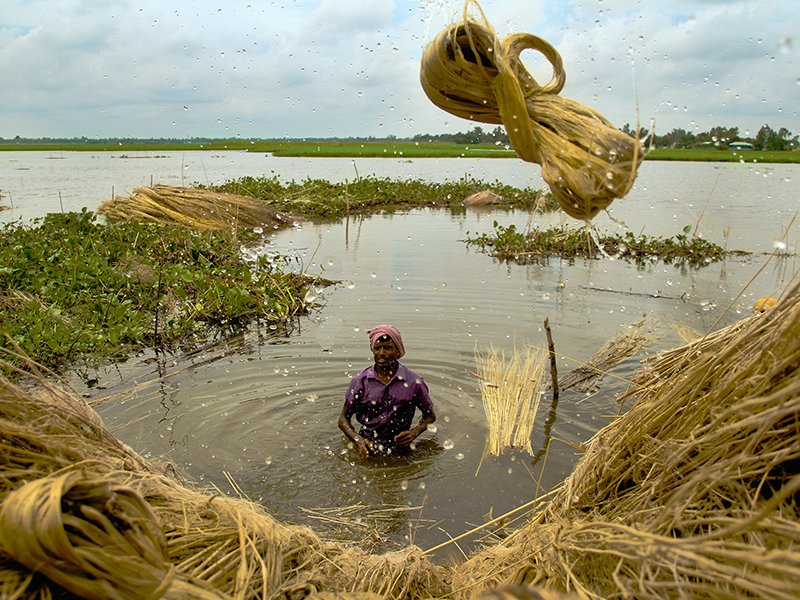
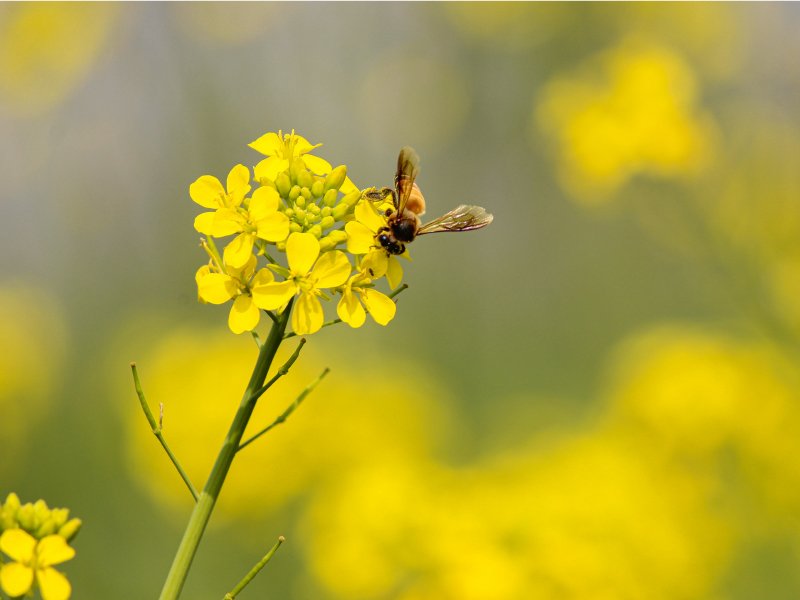
Blooming Mustard Fields Exploration
Bangladesh's golden winter fields and the beekeepers who follow the flowers
Explore More