

Blooming Mustard Fields Exploration
Bangladesh's golden winter fields and the beekeepers who follow the flowers
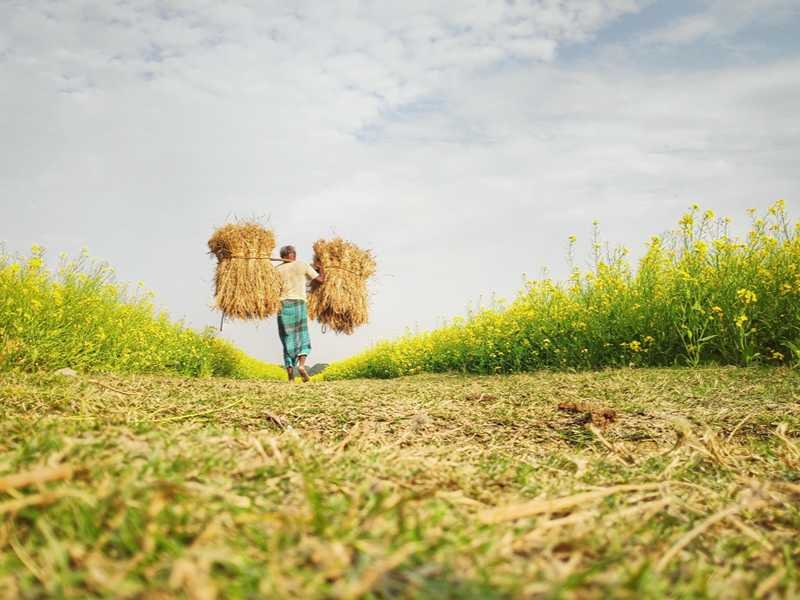
Fields of Gold. Walk Through the Brightest Season of Rural Bangladesh.
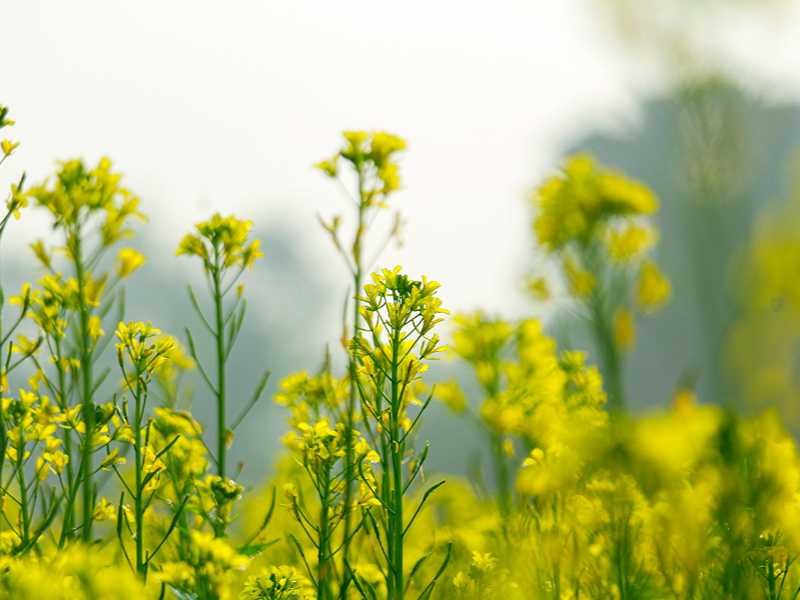
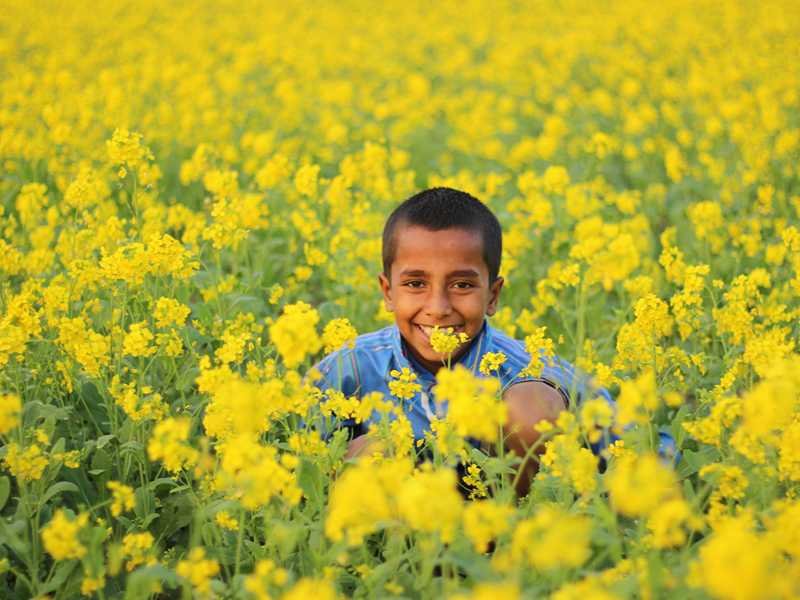
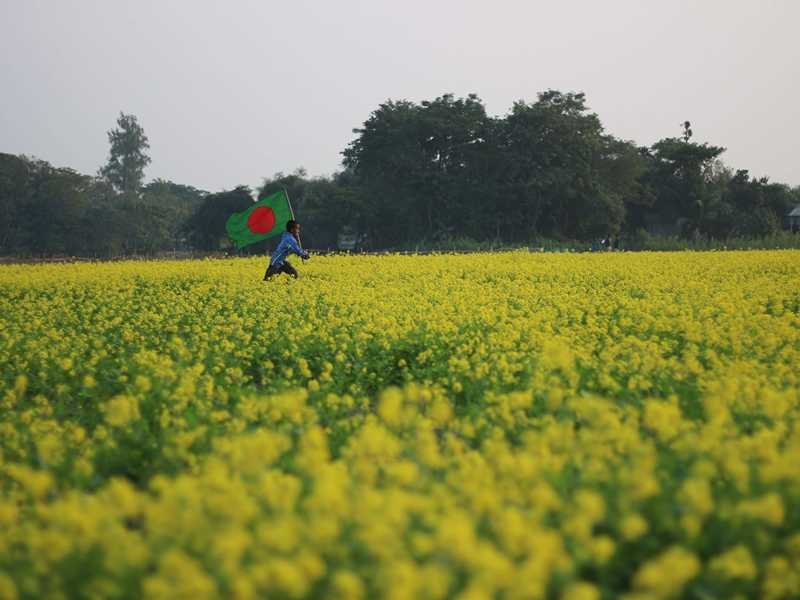
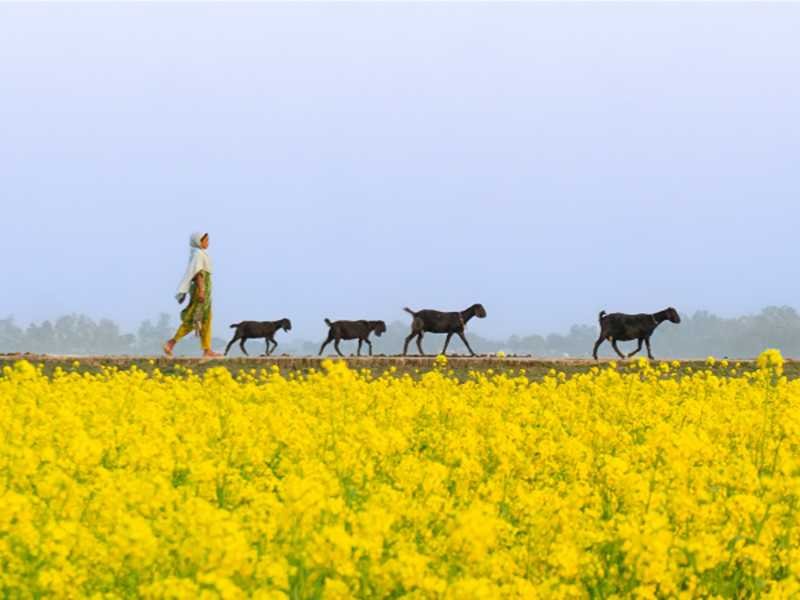
Winter gives rural Bangladesh one of its most vivid seasonal transformations. Across districts such as Sirajganj, Tangail, Pabna, Manikganj, and many others, mustard plants cover large areas of farmland with dense clusters of yellow flowers.
Mustard belongs to the winter, or Rabi, cropping season. It remains one of Bangladesh's most important oilseed crops, and farmers have expanded cultivation as the country works to increase domestic edible-oil production.
The flowering period changes with variety, planting date, location, and weather. In many districts, December and January provide the strongest displays, while some fields and beekeeping operations remain active into February.
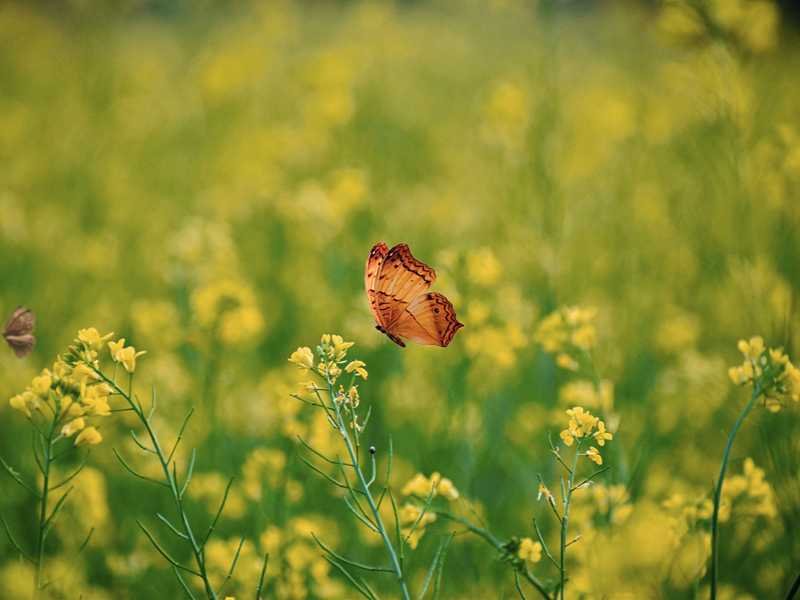
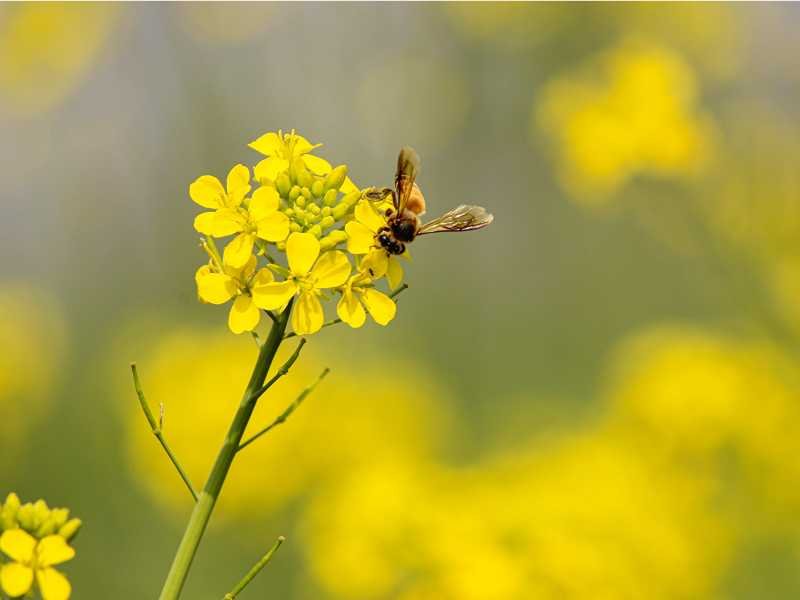
The flowers support another important rural activity. Migratory beekeepers transport wooden hive boxes from one flowering crop to another and place colonies beside mustard fields. Bees collect nectar while also pollinating the crop.
For FY2024-25, Department of Agricultural Extension figures cited by The Daily Star put the national mustard cultivation target at 1,164,576 hectares. Beekeepers installed 93,478 bee boxes during the season, with mustard fields forming one of the major sources for managed honey production.
A visit can therefore reveal two connected livelihoods. Farmers manage the oilseed crop, while beekeepers inspect colonies, harvest honey, maintain boxes, and move their bees as flowering shifts from one district or crop to another.
After the crop matures, farmers harvest the mustard seed for oil and other uses. Traditional mills known as ghani once relied heavily on animal power, while electric mills now handle much of the commercial oil extraction. Mustard oil and mustard paste remain important ingredients in many Bengali dishes, although cooking traditions vary by region and household.
The yellow fields may look like open countryside, but every plant belongs to a working farm. Visitors should admire the landscape from paths and field boundaries unless the farmer gives permission to enter.
Immersive Experience
No 360° Videos available
Destination Gallery

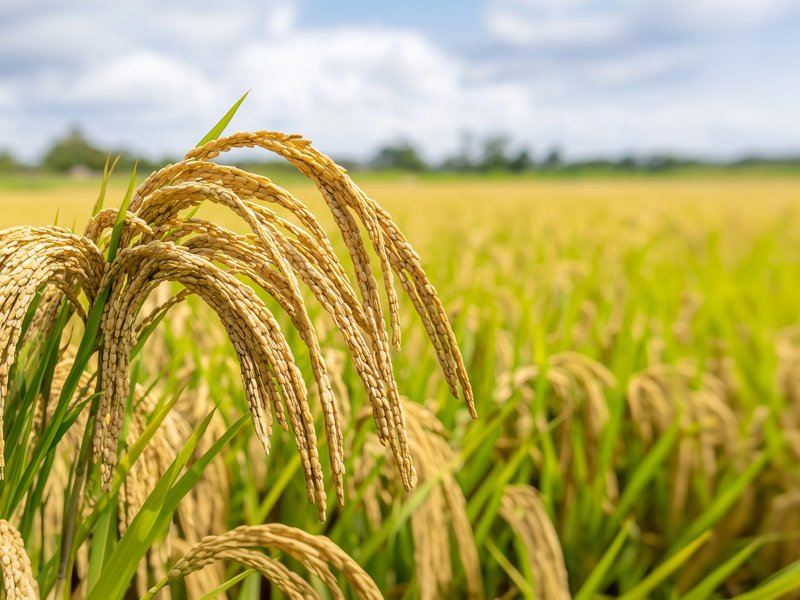
Traditional Rice Harvesting and Planting
The seasonal rhythm behind Bangladesh's staple grain
Explore More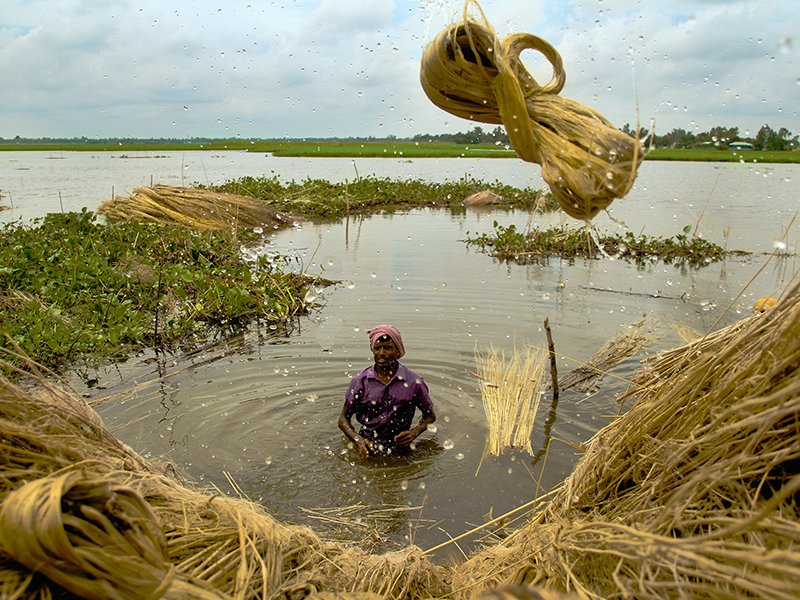
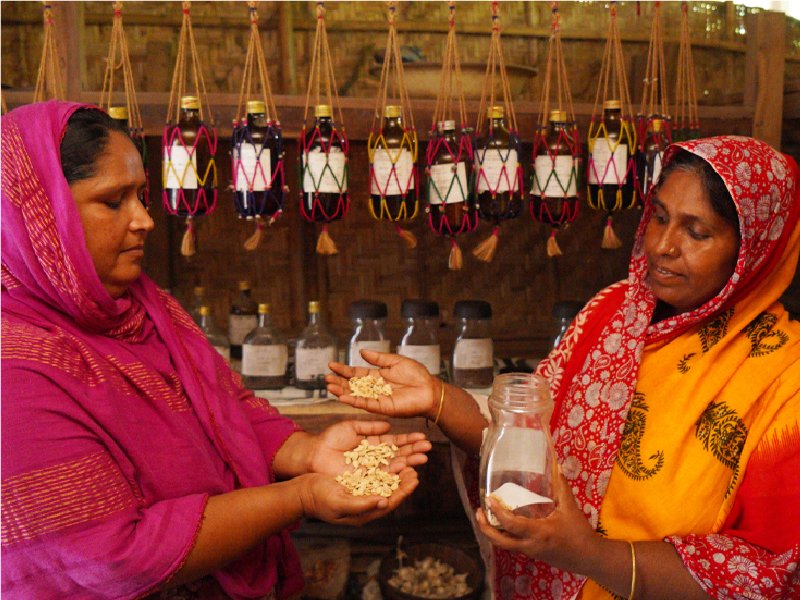
Organic Vegetable Farm Homestays
Biodiversity, local seeds, and slower ways of experiencing rural agriculture
Explore More