

Joypurhat Lotiraj Kochu
A recognised regional treasure shaped by the people and landscape of Joypurhat.
Go to Joypurhat and experience Joypurhat Lotiraj Kochu close to its source.
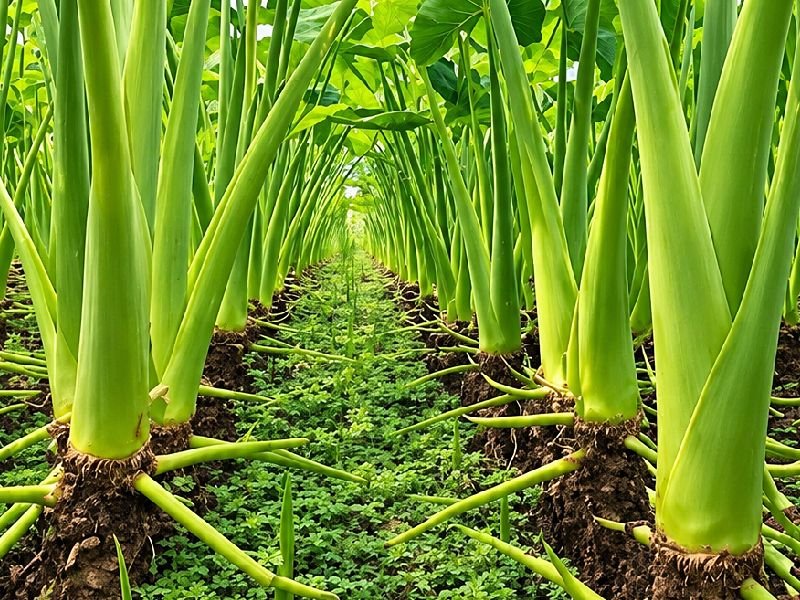
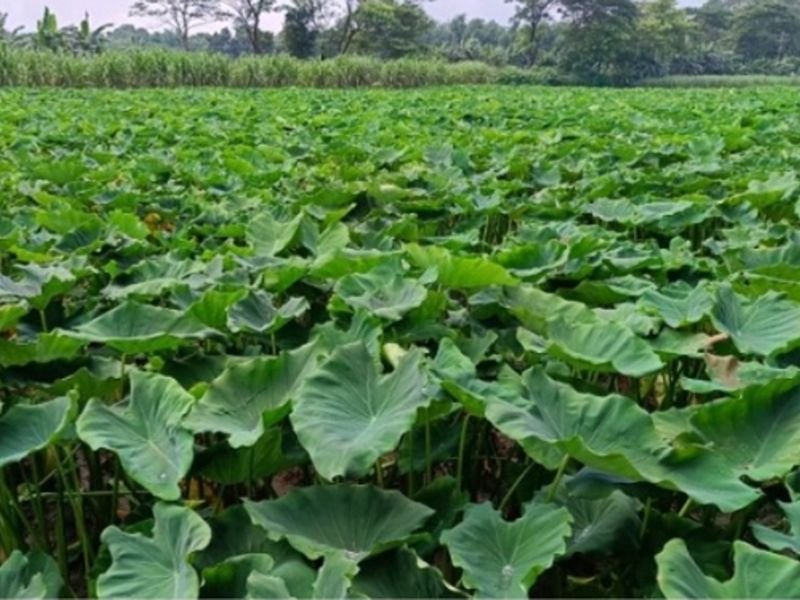
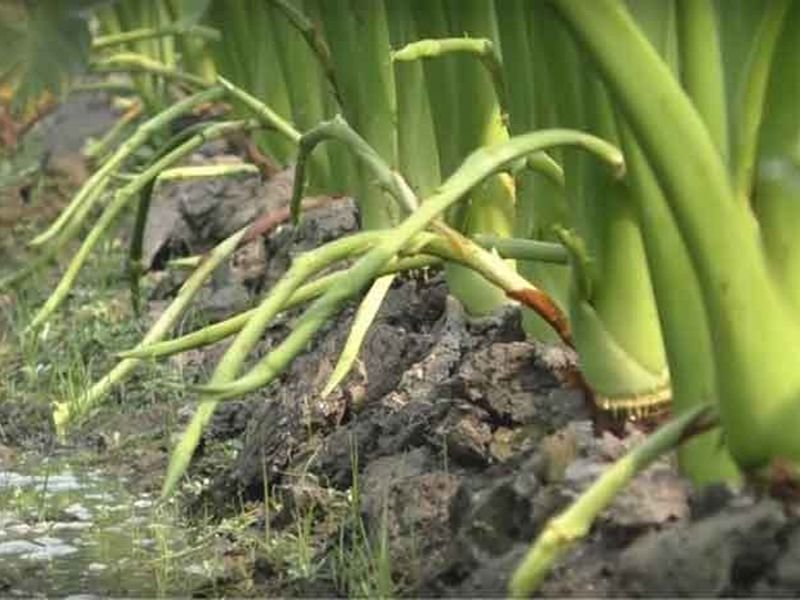
Across the fertile northern plains of the Rajshahi division, the district of Joypurhat has nurtured an agricultural triumph that thrives in the wet, muddy soils of the monsoon. While taro is a common staple across South Asia, the Joypurhat Lotiraj Kochu represents a botanical breakthrough. This specific cultivar is not primarily grown for its large underground corms, but rather for its prolific production of stolons, locally known as loti. These creeping stems have elevated a humble aquatic plant into a highly lucrative, export-quality vegetable that sustains entire farming communities. The visual and textural profile of the Lotiraj stolon is remarkably distinct. Compared to ordinary varieties that are often thin and fibrous, the stems harvested in Joypurhat are notably thick, elongated, and fleshy.
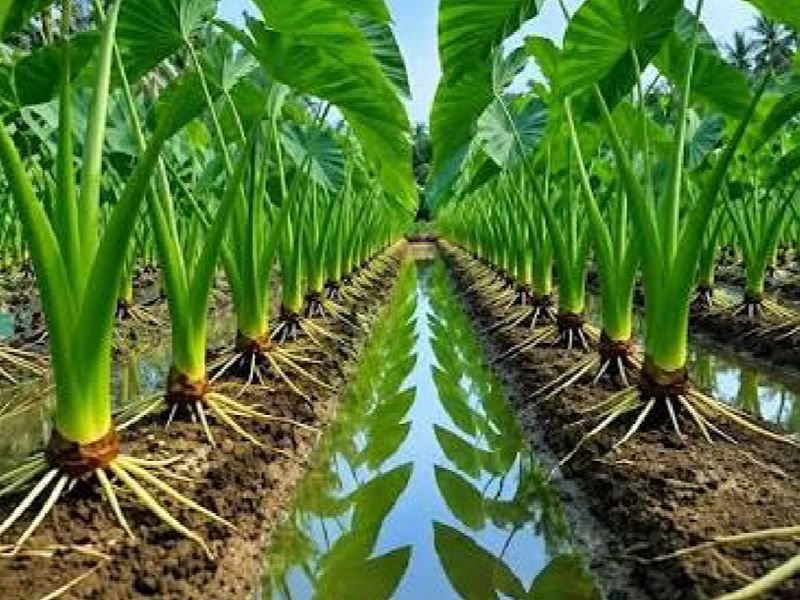
They boast a vibrant, pale green exterior that peels away effortlessly. When cooked, the texture is an absolute marvel. It becomes incredibly tender, practically melting on the palate, and most importantly, it is entirely free of the harsh calcium oxalate crystals that often cause an unpleasant, itchy sensation in the throat. Its mild, earthy flavor acts as a perfect canvas for rich spices, making it an indispensable ingredient in traditional curries. The secret behind this superior yield lies directly beneath the water surface. The clay-heavy, loamy soils of Joypurhat are exceptional at retaining moisture, providing the perfect, swamp-like environment that this aquatic plant demands. Local farmers have mastered the precise water management required to push the plants to their absolute limits.
By maintaining a highly controlled, shallow layer of water around the base of the thick stems, they coax the plants into producing a continuous, year-round harvest of premium stolons. Beyond the financial benefits, the cultivation of this crop has deeply influenced the local social fabric. Entire villages in areas like Panchbibi synchronize their daily routines around the harvest. From the early morning collection in the knee-deep mud to the meticulous sorting, cleaning, and bundling at the bustling wholesale markets, it is a communal effort. This shared dedication ensures that the rigorous standards required for international shipping are consistently met.
Immersive Experience
No 360° Videos available
Destination Gallery
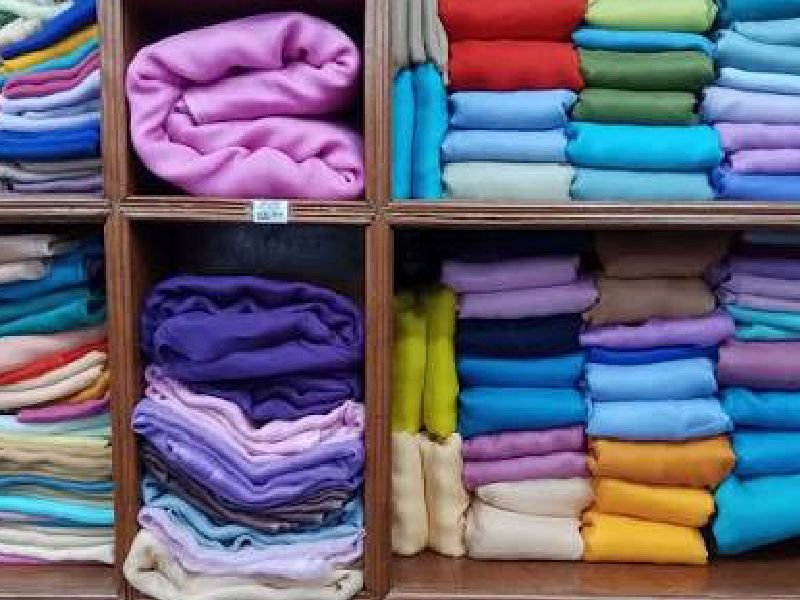
Rajshahi Silk
Handmade heritage, patient skill and a living design tradition from Rajshahi.
Explore More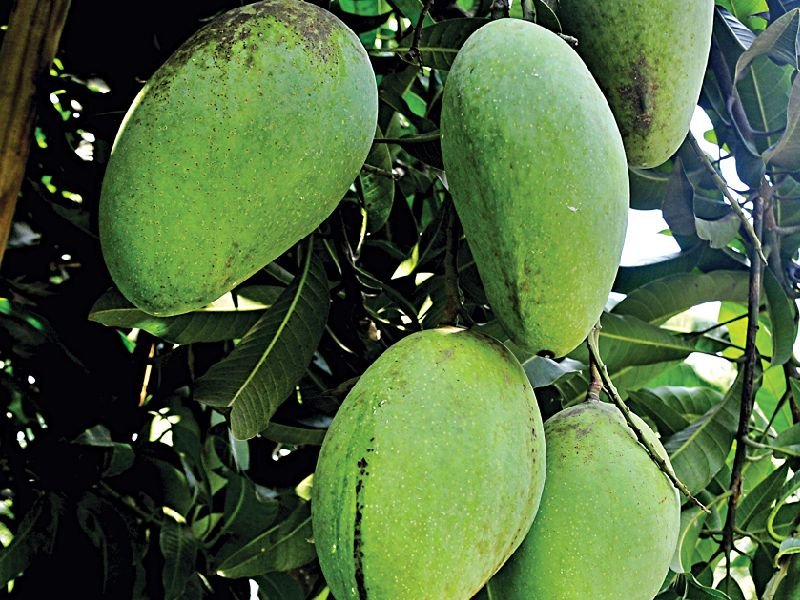
Rajshahi Fazli Mango
A peak-season harvest that turns Rajshahi and Chapainawabganj into a trail of colour, fragrance and flavour.
Explore More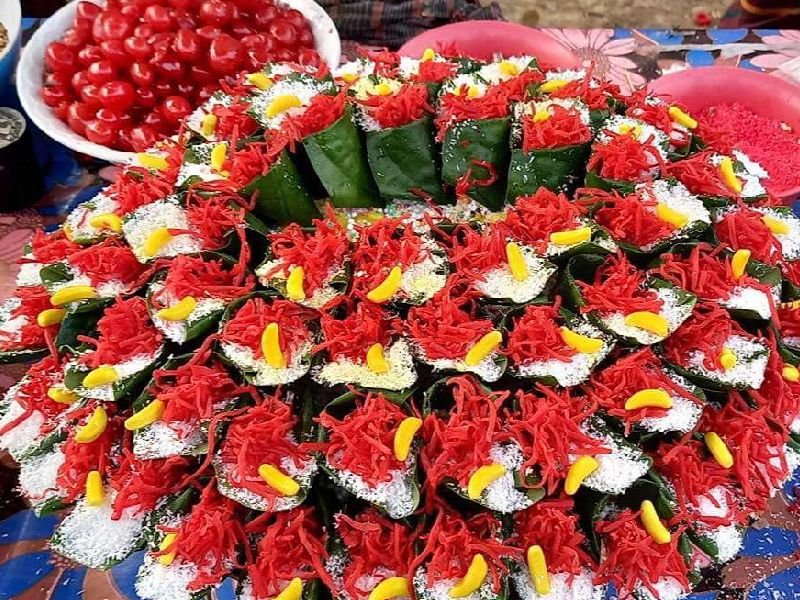
Rajshahi Sweet Betel Leaf
A distinctive crop shaped by local soil, farming knowledge and the seasons of Rajshahi.
Explore More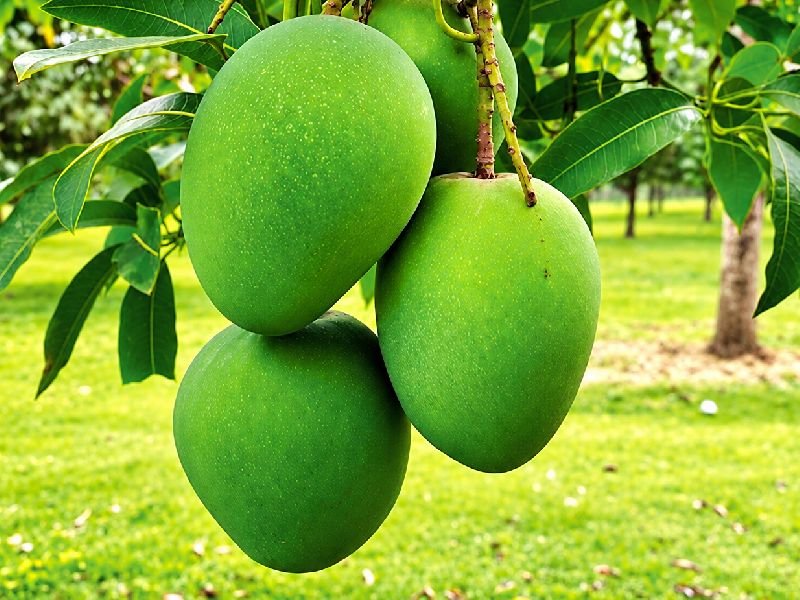
Chapainawabganj Khirsapat Mango
A peak-season harvest that turns Chapainawabganj into a trail of colour, fragrance and flavour.
Explore More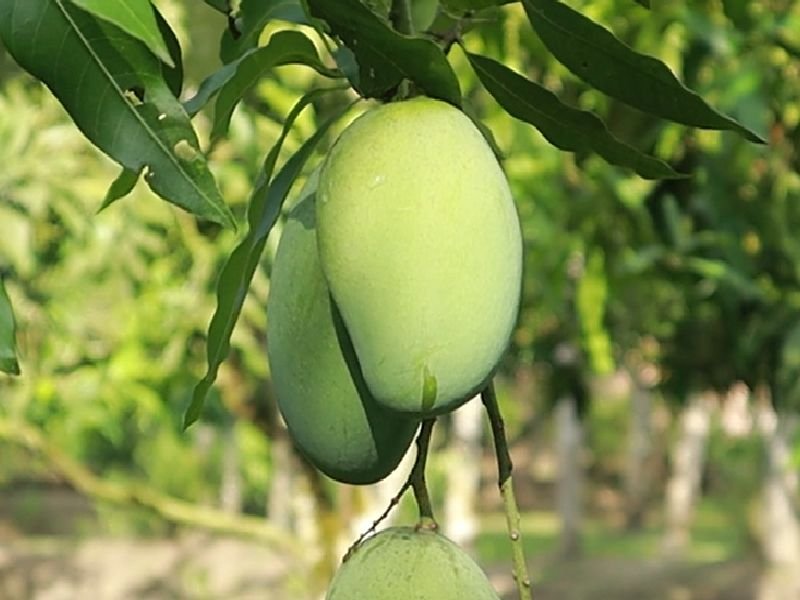
Chapainawabganj Langra Mango
A peak-season harvest that turns Chapainawabganj into a trail of colour, fragrance and flavour.
Explore More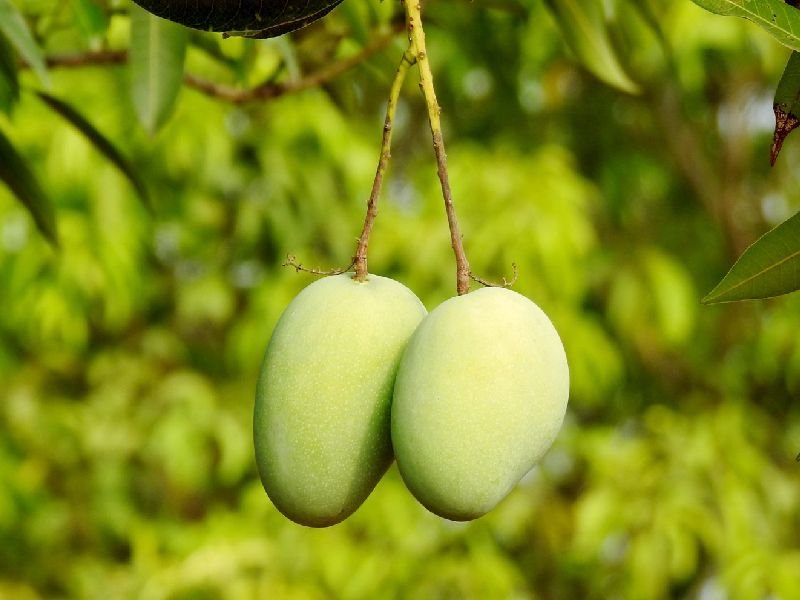
Chapainawabganj Ashwina Mango
A peak-season harvest that turns Chapainawabganj into a trail of colour, fragrance and flavour
Explore More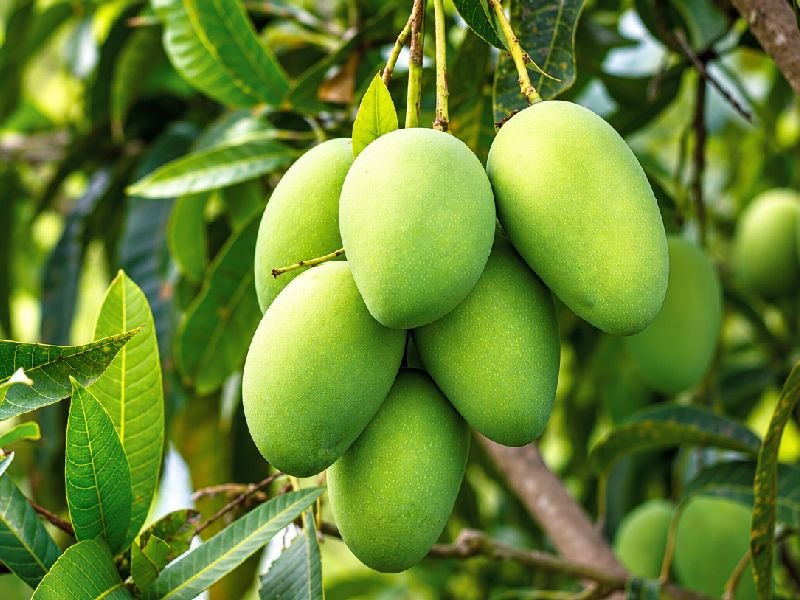
Rajshahi-Chapainawabganj Fazli Mango
A peak-season harvest that turns Rajshahi and Chapainawabganj into a trail of colour, fragrance and flavour.
Explore More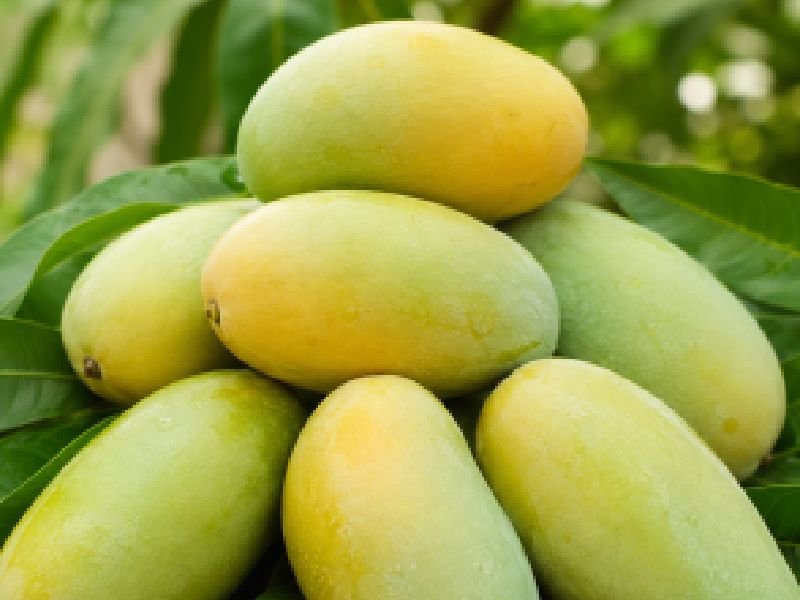
Naogaon Nak Fazli Mango
A peak-season harvest that turns Naogaon into a trail of colour, fragrance and flavour.
Explore More