

Dinajpur Kataribhog Rice
A distinctive crop shaped by local soil, farming knowledge and the seasons of Dinajpur.
Leave the city behind and follow Dinajpur Kataribhog Rice into its working landscape.
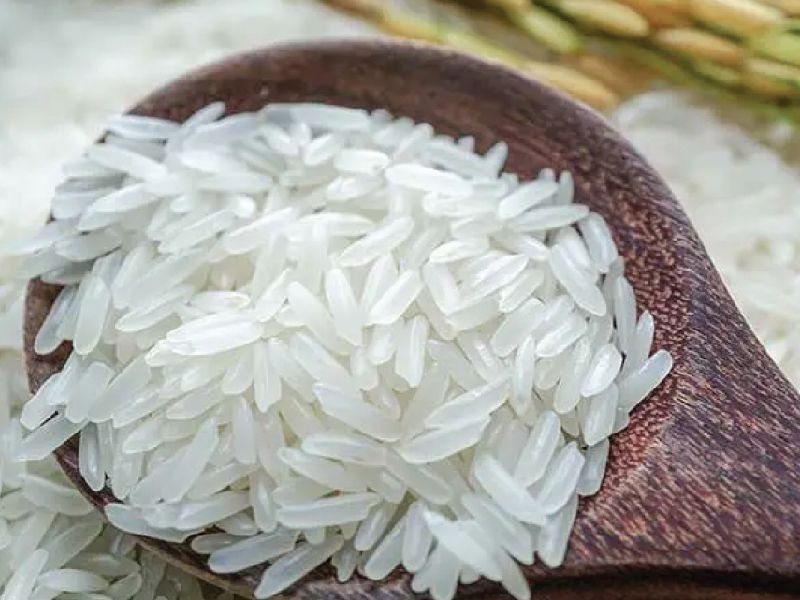
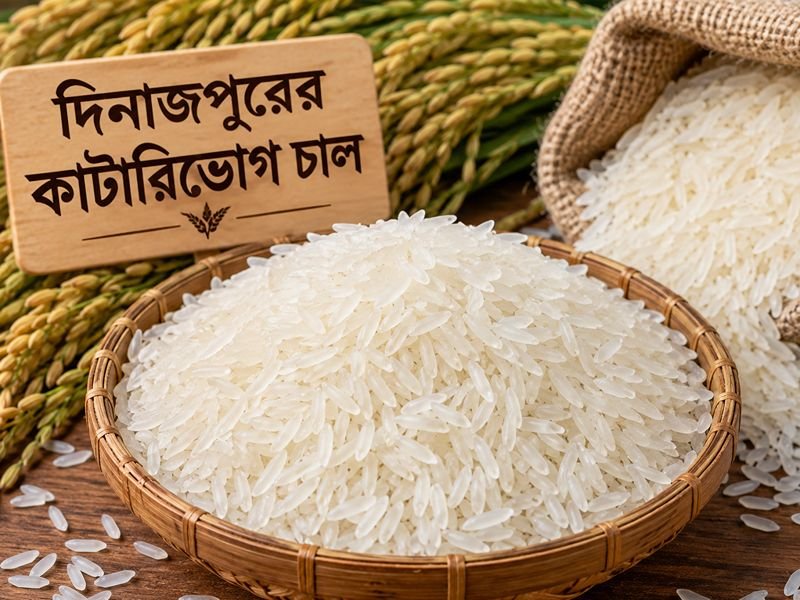
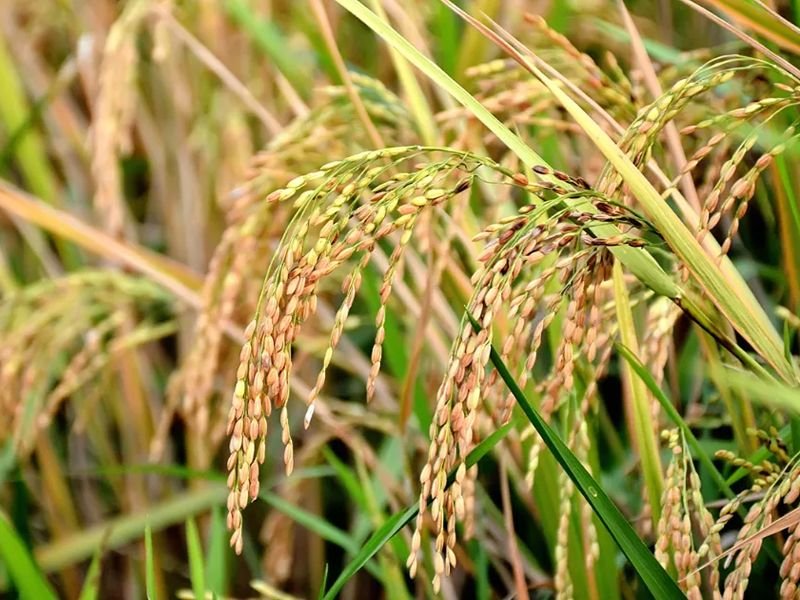
When the festive season arrives in Bangladesh, the air inside traditional kitchens transforms, filled with a rich, nutty fragrance that instantly signals a special occasion. This captivating aroma almost always traces back to a single, highly prized grain cultivated exclusively in the northwestern district of Dinajpur. For generations, Kataribhog rice has served as the ultimate culinary centerpiece for weddings, religious ceremonies, and grand family gatherings. It is an elite aromatic variety that elevates everyday cooking into a luxurious cultural celebration. The name itself paints a vivid picture of the grain's distinct physical identity. In the local dialect, a "katar" refers to a small, curved knife. A close inspection of the uncooked grain reveals a slightly bent, sharply pointed tip that perfectly mimics this traditional blade.
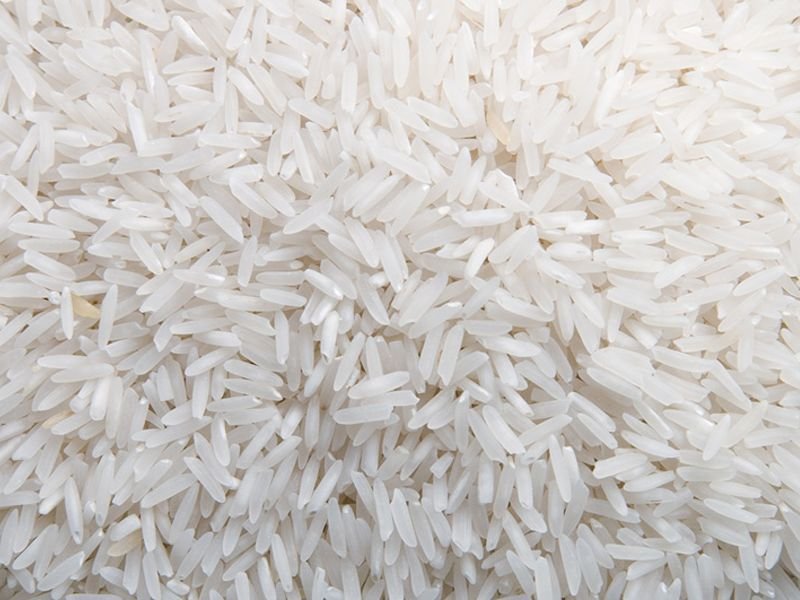
The word "bhog" translates to a sacred offering made to the divine, reflecting the deep historical reverence communities hold for this harvest. Visually, the raw grains are notably slender, short, and possess a brilliant, pearl-like whiteness. Because it is traditionally milled as atop rice, it retains its delicate structural integrity and intense natural fragrance. In the hands of a seasoned cook, Kataribhog performs beautifully. When slowly simmered to prepare traditional fragrant pulao or rich, spiced biryani, the grains expand gracefully without ever becoming sticky or clumping together. They remain entirely distinct, fluffy, and remarkably soft, seamlessly absorbing complex spices while projecting their own buttery aroma. Beyond savory main courses, it remains the absolute preferred choice for crafting payesh; a thick, traditional rice pudding where the grain naturally thickens the sweet milk, offering a luxurious, melt-in-the-mouth dessert experience.
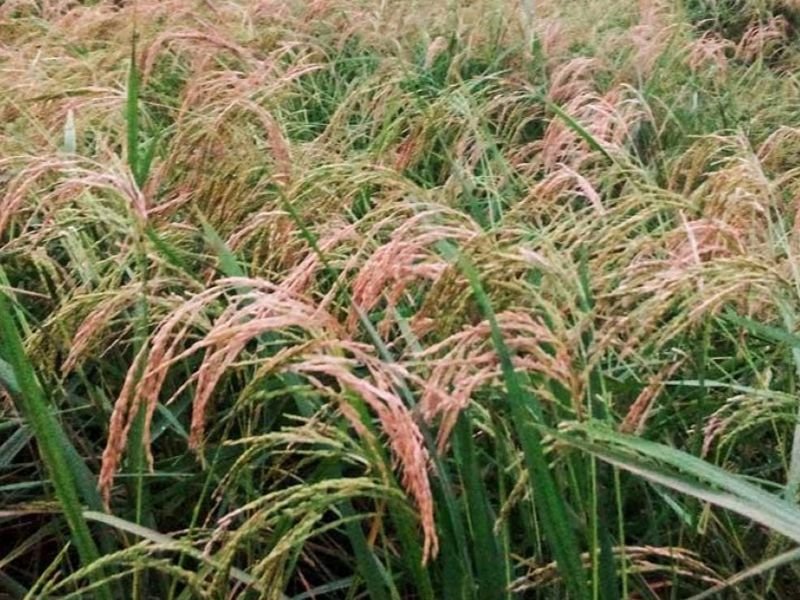
The secret to this exceptional quality lies buried deep in the northern soil. Dinajpur is uniquely blessed with a specific blend of sandy loam earth and a noticeably cooler climate during the rain-fed Aman growing season. This precise environmental harmony naturally concentrates the essential oils within the stalk, locking the intense aromatic properties directly into the grain. While farmers in other districts have frequently attempted to cultivate these seeds, the resulting harvests simply never capture the original, intoxicating scent.
Immersive Experience
No 360° Videos available
Destination Gallery
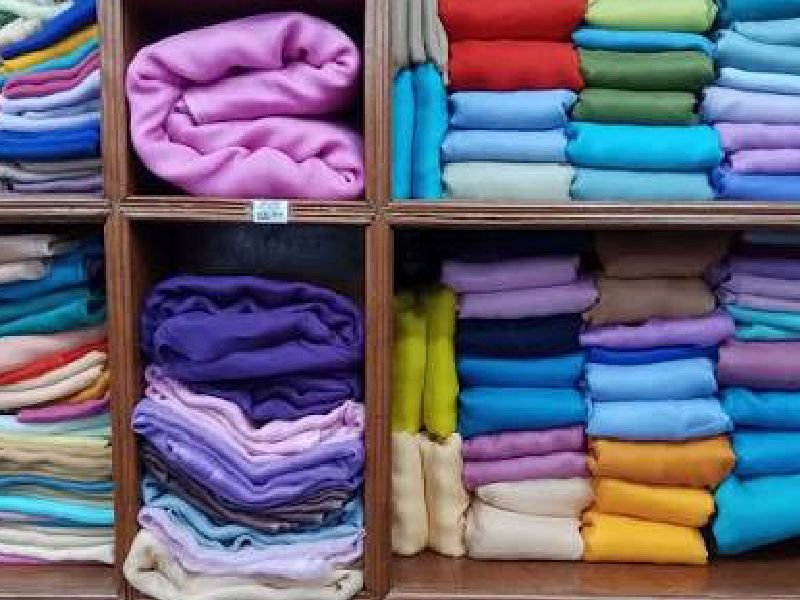
Rajshahi Silk
Handmade heritage, patient skill and a living design tradition from Rajshahi.
Explore More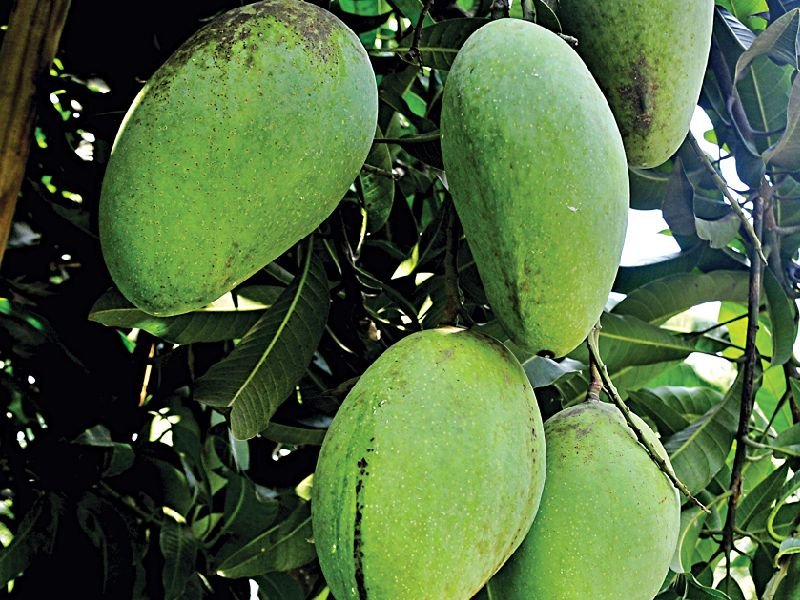
Rajshahi Fazli Mango
A peak-season harvest that turns Rajshahi and Chapainawabganj into a trail of colour, fragrance and flavour.
Explore More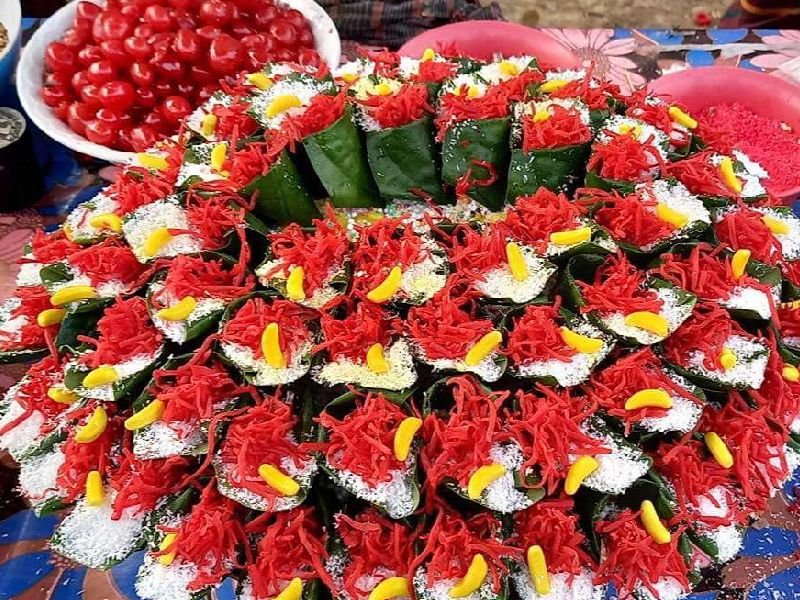
Rajshahi Sweet Betel Leaf
A distinctive crop shaped by local soil, farming knowledge and the seasons of Rajshahi.
Explore More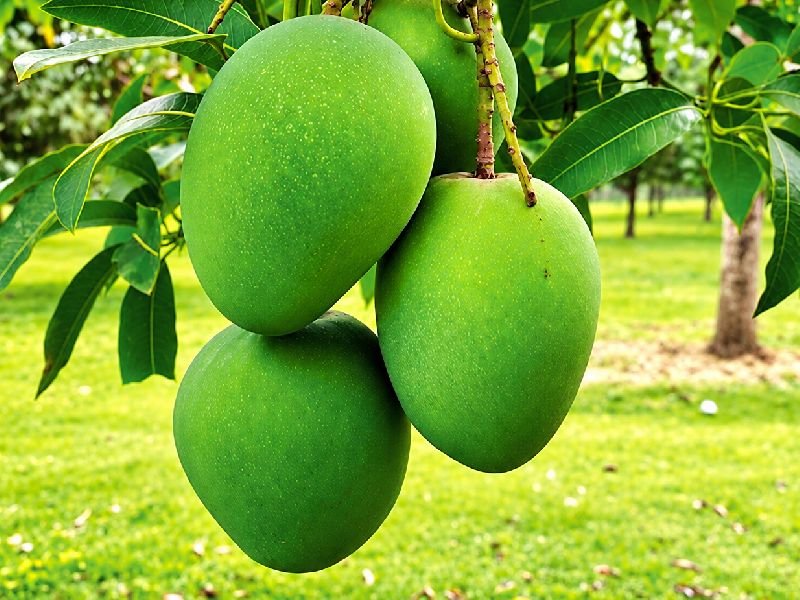
Chapainawabganj Khirsapat Mango
A peak-season harvest that turns Chapainawabganj into a trail of colour, fragrance and flavour.
Explore More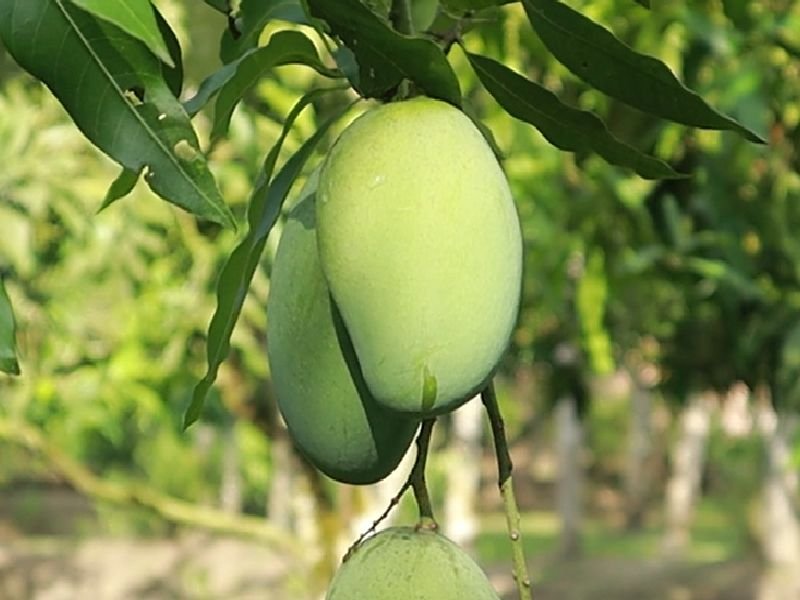
Chapainawabganj Langra Mango
A peak-season harvest that turns Chapainawabganj into a trail of colour, fragrance and flavour.
Explore More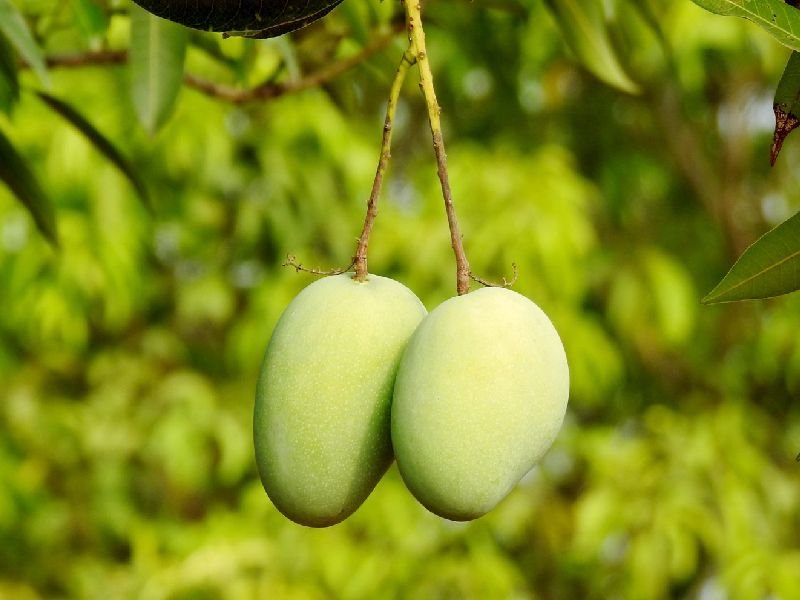
Chapainawabganj Ashwina Mango
A peak-season harvest that turns Chapainawabganj into a trail of colour, fragrance and flavour
Explore More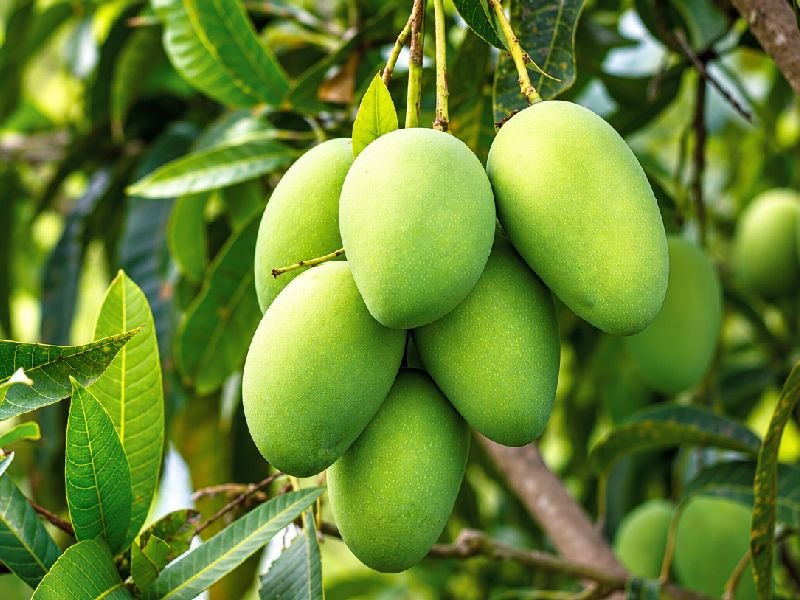
Rajshahi-Chapainawabganj Fazli Mango
A peak-season harvest that turns Rajshahi and Chapainawabganj into a trail of colour, fragrance and flavour.
Explore More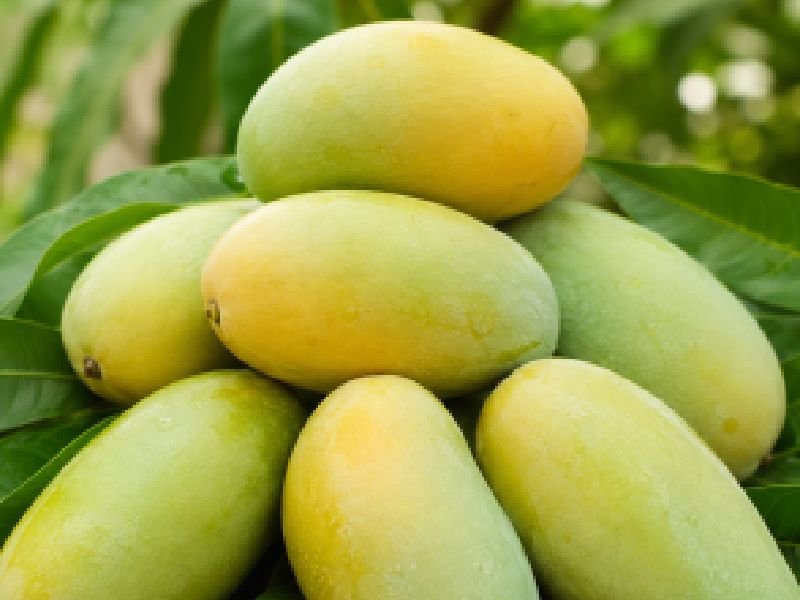
Naogaon Nak Fazli Mango
A peak-season harvest that turns Naogaon into a trail of colour, fragrance and flavour.
Explore More