

Rangpur Shataranji
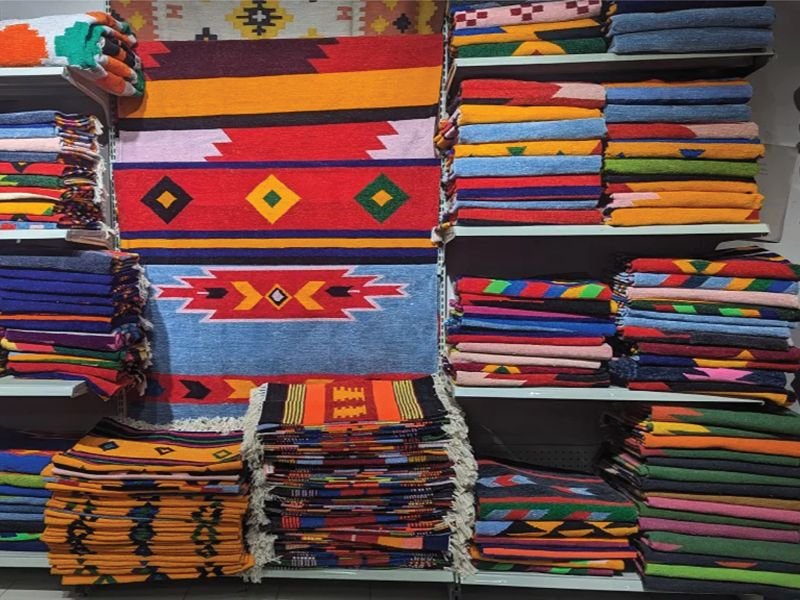
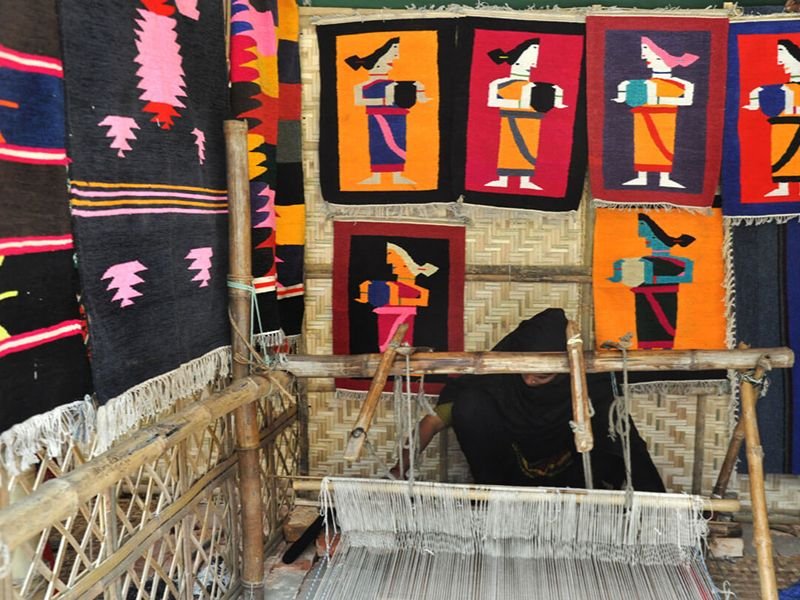
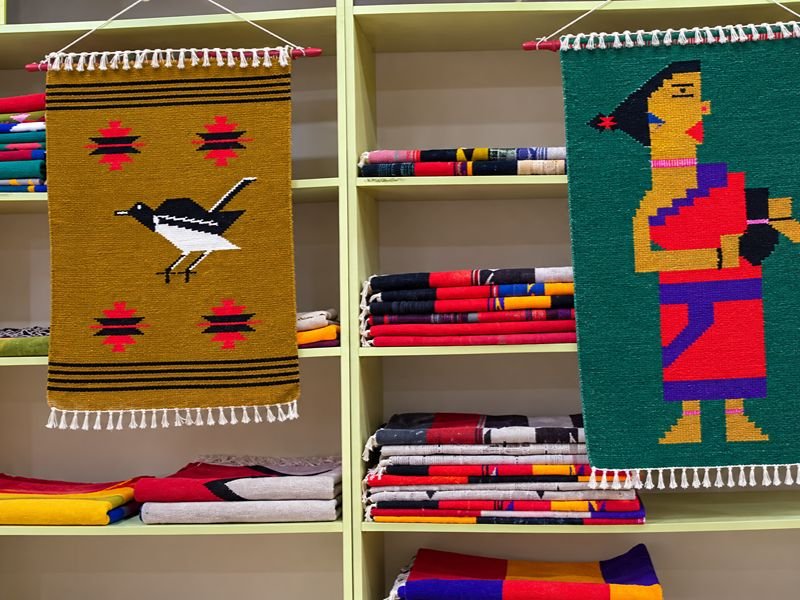
Handmade heritage, patient skill and a living design tradition from Rangpur.
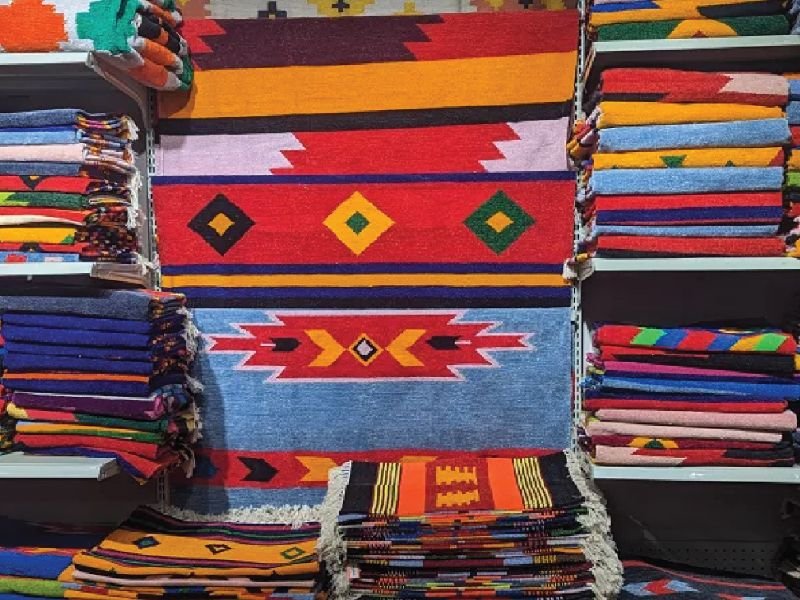
Follow the hands behind Rangpur Shataranji and meet a craft that still moves to the rhythm of the loom.
In the vibrant agricultural tapestries of northwestern Bangladesh, a uniquely shaped fruit has completely reshaped the fortunes of the Rangpur district. While most celebrated mangoes boast elongated or oval silhouettes, the Haribhanga stands out with a distinctly round, stout figure. Its peculiar name, which directly translates to "broken pot," hints at a fascinating agrarian legend that defines its humble beginnings. According to local lore tracing back to the village of Tekani in Mithapukur, the original mother tree sprouted decades ago in an extraordinarily unconventional setting. A discarded mango seed took root directly inside a shattered earthen pot, or hari. As the tree grew and bore remarkably delicious fruit, villagers began referring to it simply by its birthplace, the broken pot.
Today, this single serendipitous seedling has sparked an agricultural revolution, transforming thousands of hectares across Mithapukur, Badarganj, and Pirganj into sprawling, highly profitable orchards. Beneath its characteristically thin, smooth skin, the Haribhanga hides a botanical triumph. The flesh is astonishingly firm, deeply sweet, and entirely devoid of any stringy fibers, offering a clean, fleshy bite. Furthermore, the seed nestled inside is remarkably small, meaning the consumer gets a significantly higher ratio of edible, juicy pulp compared to other commercial varieties. Typically weighing between 200 and 400 grams, these sturdy fruits maintain a slightly green exterior even when they reach absolute maturity, making their intensely sweet interior a delightful surprise. The arrival of the Haribhanga mango perfectly bridges the mid-summer gap.
Usually harvested from mid-June through July, it enters the market just as early varieties fade, dominating the bustling wholesale hubs of Podaganj and Paiker Hat. During this peak window, the harvest provides a vital economic lifeline for tens of thousands of rural families, who meticulously hand-pick and package the tender fruits for nationwide distribution. To savor a Rangpur Haribhanga is to enjoy a modern horticultural miracle born from a simple broken clay vessel. It is a testament to the ingenuity of northern farmers who recognized an extraordinary flavor and nurtured it into one of the most beloved seasonal treasures of the subcontinent.
Immersive Experience
No 360° Videos available
Destination Gallery
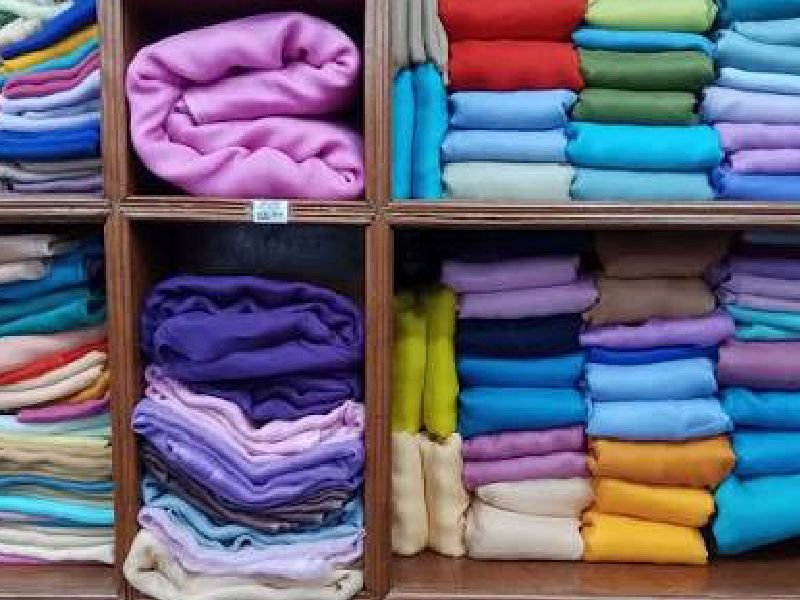
Rajshahi Silk
Handmade heritage, patient skill and a living design tradition from Rajshahi.
Explore More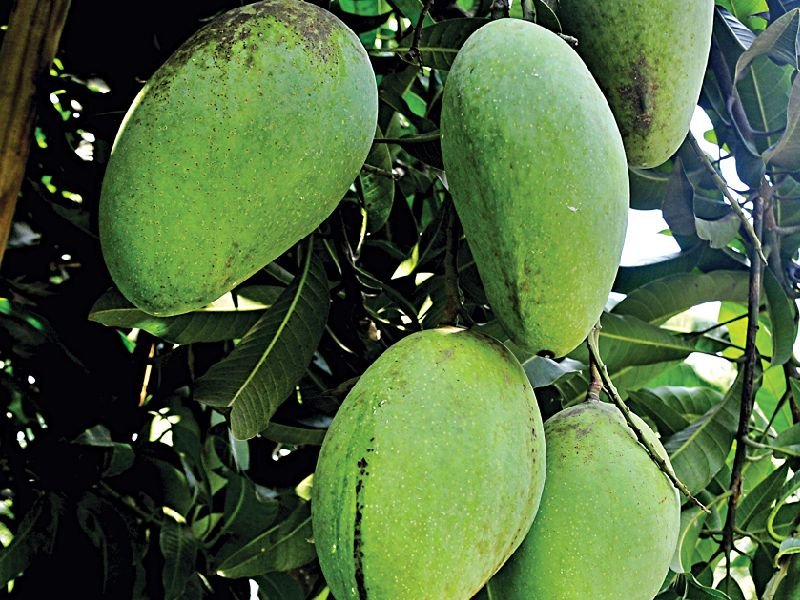
Rajshahi Fazli Mango
A peak-season harvest that turns Rajshahi and Chapainawabganj into a trail of colour, fragrance and flavour.
Explore More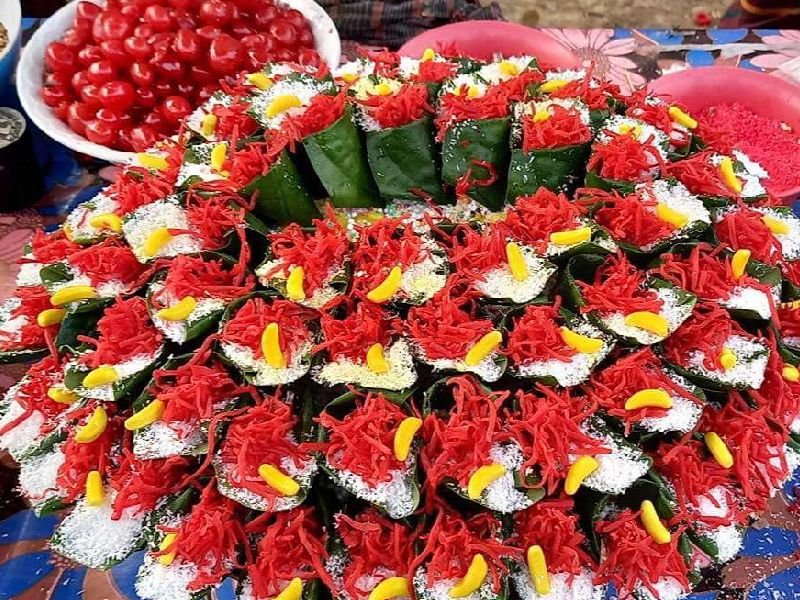
Rajshahi Sweet Betel Leaf
A distinctive crop shaped by local soil, farming knowledge and the seasons of Rajshahi.
Explore More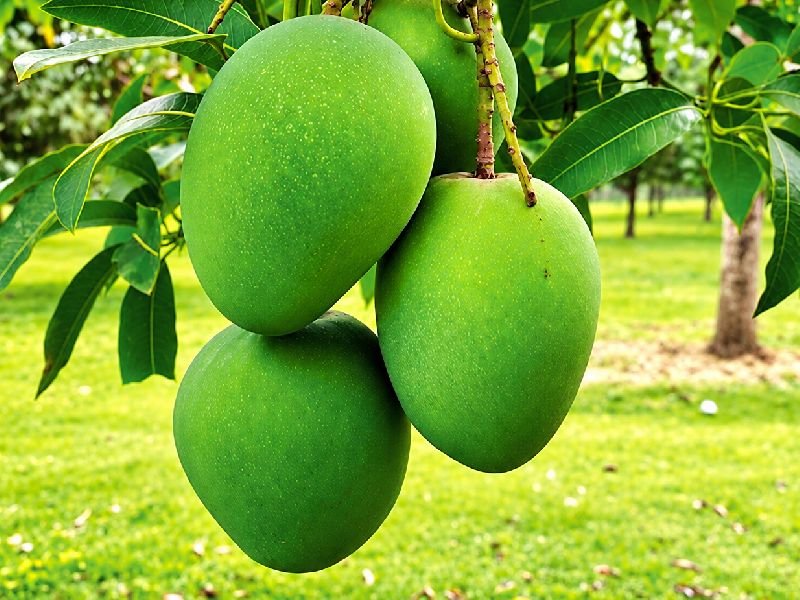
Chapainawabganj Khirsapat Mango
A peak-season harvest that turns Chapainawabganj into a trail of colour, fragrance and flavour.
Explore More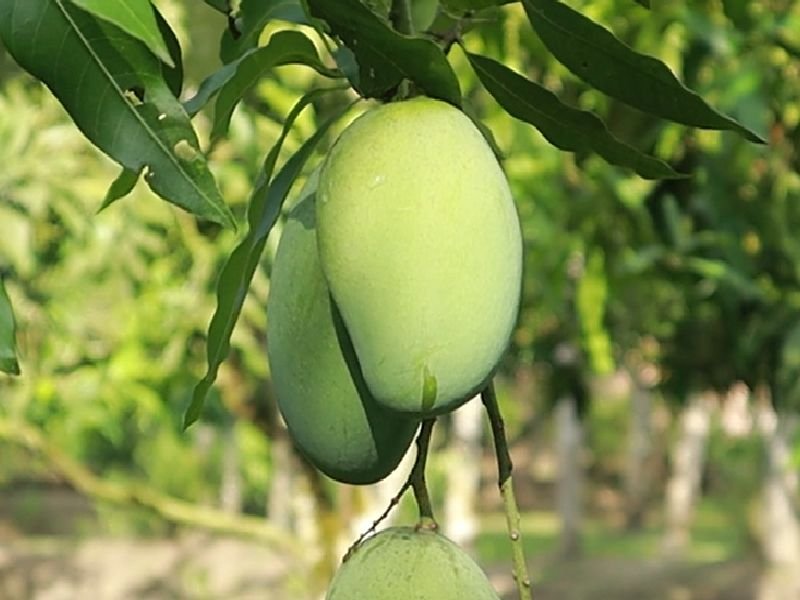
Chapainawabganj Langra Mango
A peak-season harvest that turns Chapainawabganj into a trail of colour, fragrance and flavour.
Explore More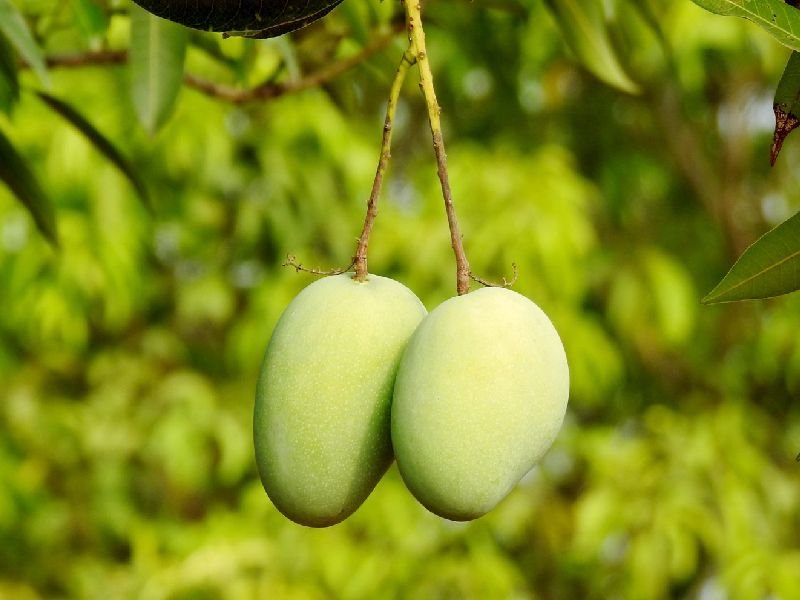
Chapainawabganj Ashwina Mango
A peak-season harvest that turns Chapainawabganj into a trail of colour, fragrance and flavour
Explore More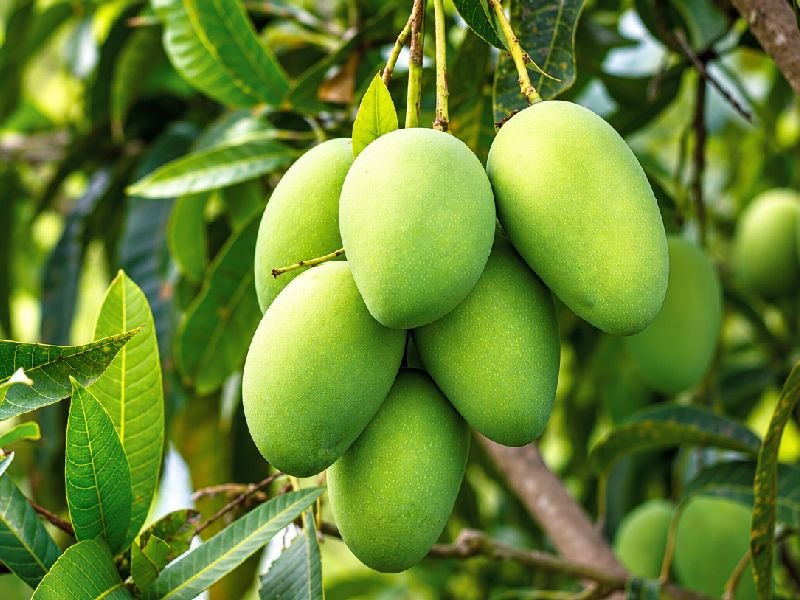
Rajshahi-Chapainawabganj Fazli Mango
A peak-season harvest that turns Rajshahi and Chapainawabganj into a trail of colour, fragrance and flavour.
Explore More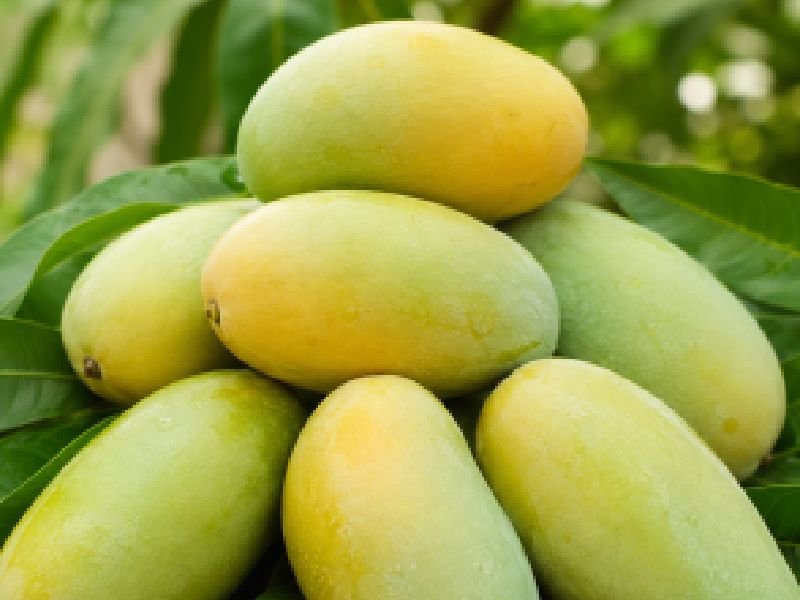
Naogaon Nak Fazli Mango
A peak-season harvest that turns Naogaon into a trail of colour, fragrance and flavour.
Explore More