

Traditional Floating Agriculture and Village Life in Barisal
A UN-recognized farming tradition, centuries in the making
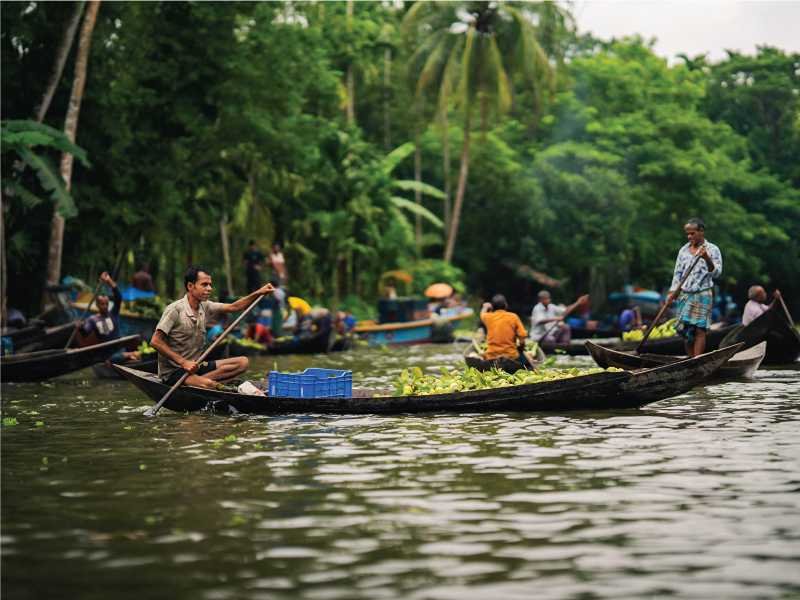
Farming without soil, for over 200 years Barisal's globally recognized floating gardens.
In the flood-prone wetlands of Barisal, Pirojpur, and Gopalganj, farmers have practiced floating agriculture—locally called dhap or baira chash—for more than two centuries, turning a climate challenge into one of Bangladesh's most ingenious food-security solutions. Using layers of water hyacinth, bamboo, and crop residue, communities construct floating platforms on which they grow okra, gourds, spinach, eggplant, and other vegetables entirely without soil, in what is effectively a traditional form of hydroponics. Because the beds float on nutrient-rich water, the system requires almost no fertilizer or pesticide, making it both climate-adaptive and genuinely eco-friendly.
The significance of this tradition earned it recognition as a Globally Important Agricultural Heritage System by the UN's Food and Agriculture Organization in 2015—one of a small number of sites worldwide to hold the designation. Visiting Barisal's floating garden villages means boating through narrow waterways lined with green, buoyant beds, watching farmers—often women, who play a central role in this system—tend crops from small boats, and understanding how a community turned half the year's flooding into a productive growing season rather than a lost one.
Immersive Experience
No 360° Videos available
Destination Gallery
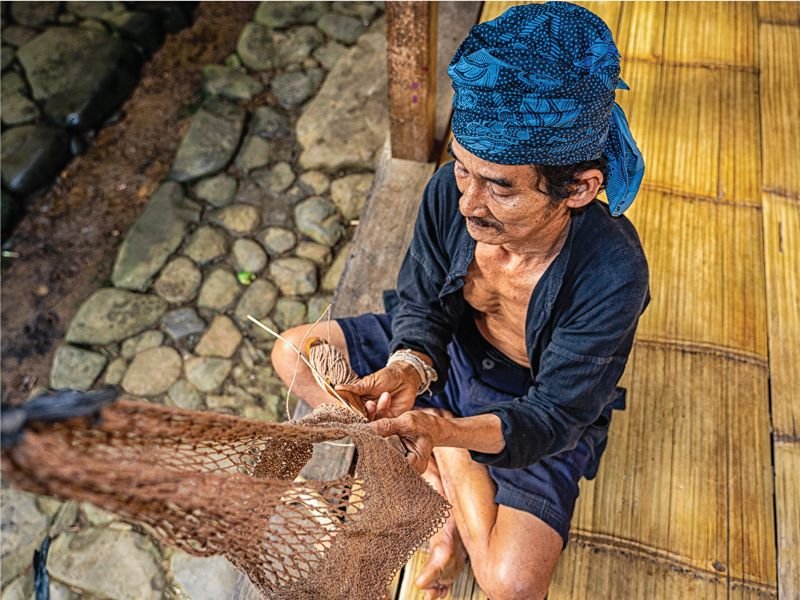
Heritage Pottery Villages: Craft, Art, and Community in Dhamrai
Where clay has been shaped by the same families for generations
Explore More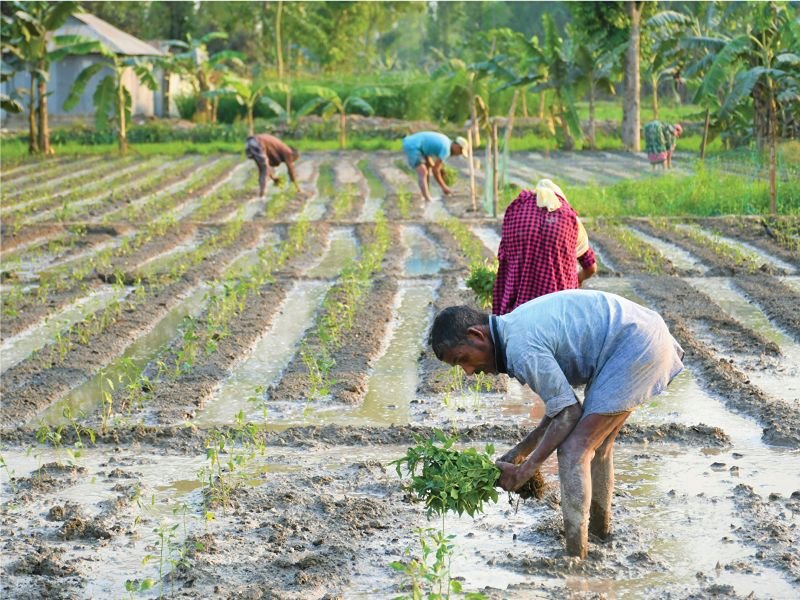
Authentic Rural Life: Homestays and Organic Farming
Becoming, for a few days, part of the family
Explore More