

Authentic Rural Life: Homestays and Organic Farming
Becoming, for a few days, part of the family
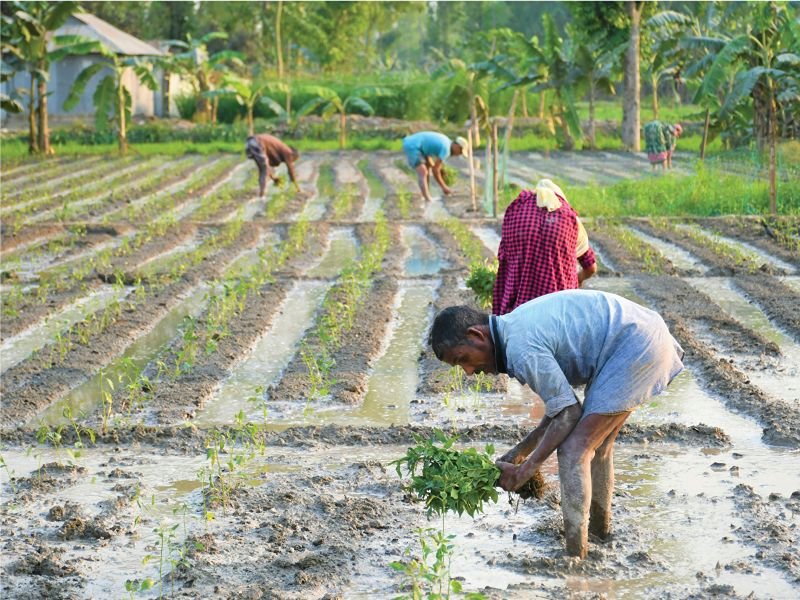
Where over 80% of Bangladesh still lives Village homestays across rural Bengal.
More than eighty percent of Bangladesh's population lives in rural areas, and for travelers who want to understand the country beyond its cities and monuments, village homestays offer the most direct route in. Programs like the rural homestay initiative in Hatiandha, near Natore in northwestern Bangladesh, place travelers directly with local families for several days—joining evening meals, watching after-school cricket games in the fields, and helping with everyday farm and household tasks, rather than observing from a distance. The Bangladesh Tourism Board has since expanded this model with pilot community-based tourism programs in Paharpur, Munshiganj, and beyond, training host families in hospitality and hygiene while keeping the experience genuinely rooted in daily rural life.
Organic and small-scale farming often sits at the center of these visits: travelers can join rice planting or harvest, tend vegetable plots, and eat meals sourced directly from the family's own land. One European visitor, cited in Bangladeshi press coverage, described staying in a Santhal village near Rajshahi as unforgettable precisely because it wasn't staged—it was simply an invitation into someone else's ordinary week. That, more than any single site or monument, is what rural Bengali homestay tourism offers: a slower, more honest picture of the country most Bangladeshis actually live in.
Immersive Experience
No 360° Videos available
Destination Gallery
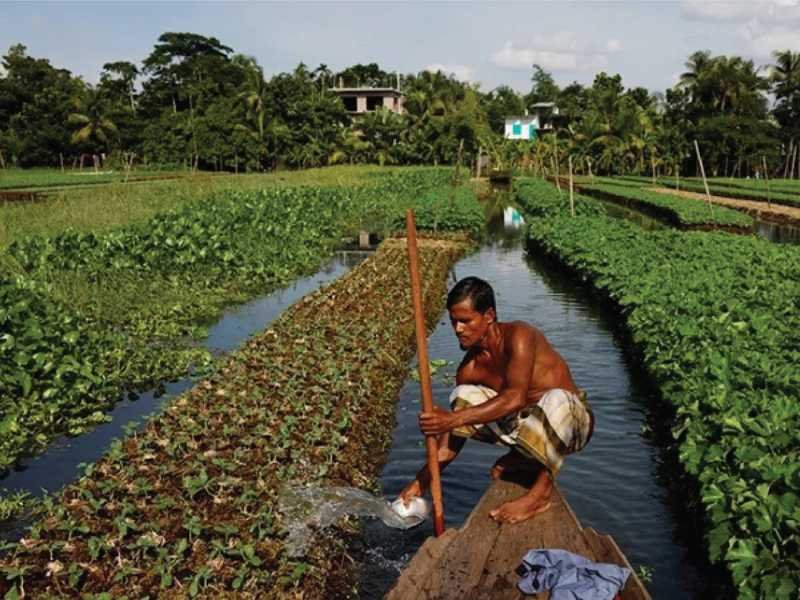
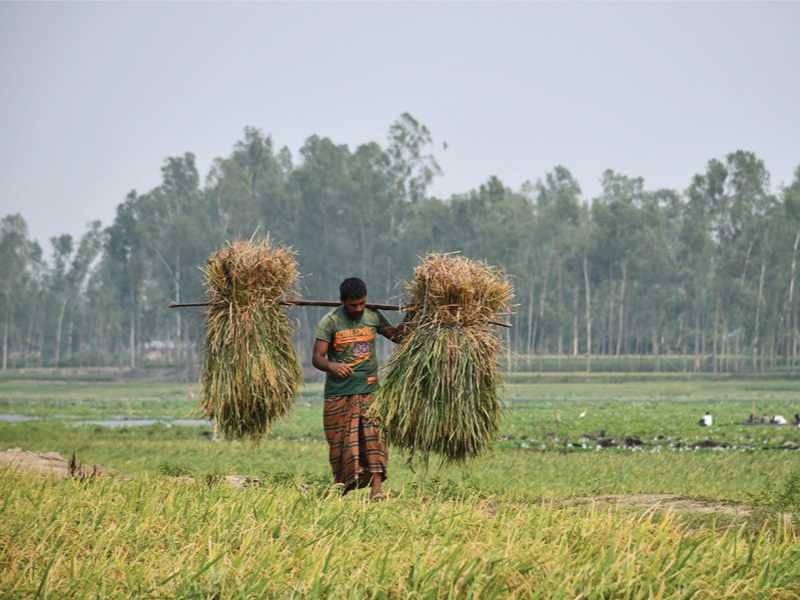
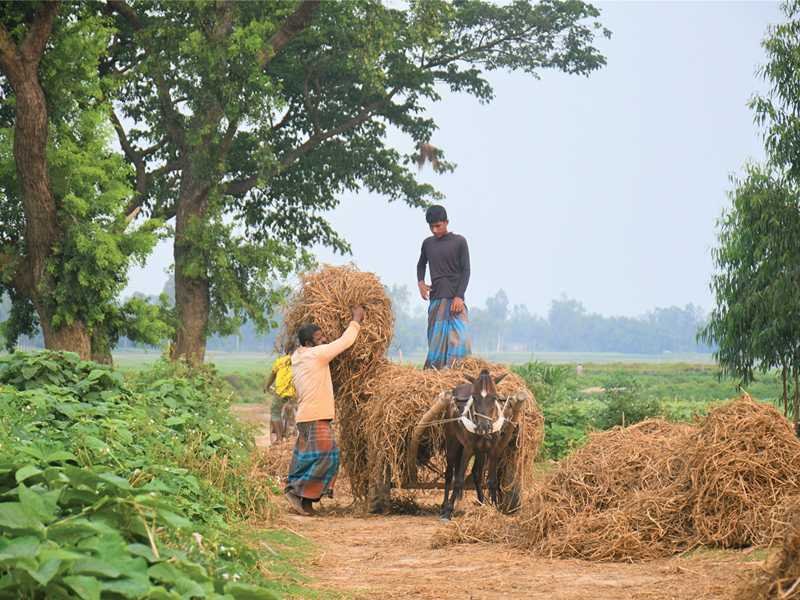
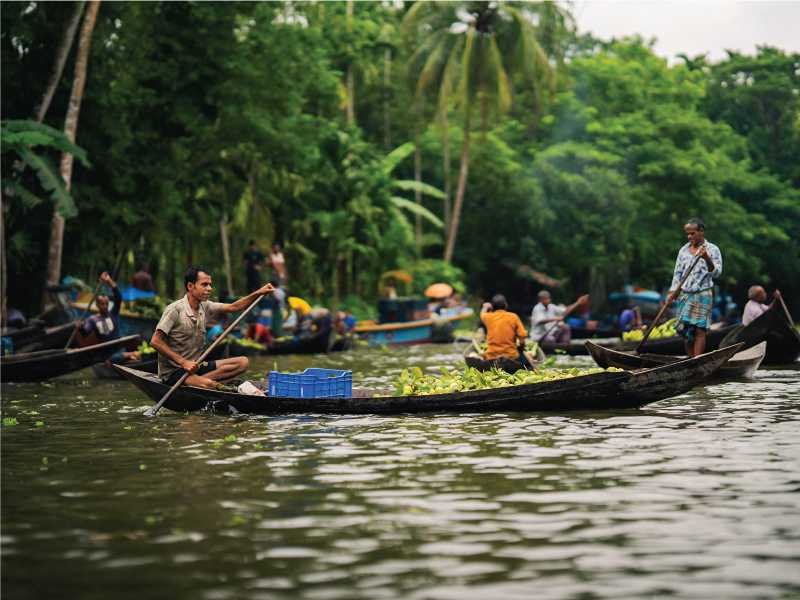
Traditional Floating Agriculture and Village Life in Barisal
A UN-recognized farming tradition, centuries in the making
Explore More
Heritage Pottery Villages: Craft, Art, and Community in Dhamrai
Where clay has been shaped by the same families for generations
Explore More