

The Sundari Tree: Lifeblood of the Delta
Stand beneath the mangrove tree that gave the Sundarbans its enduring identity.
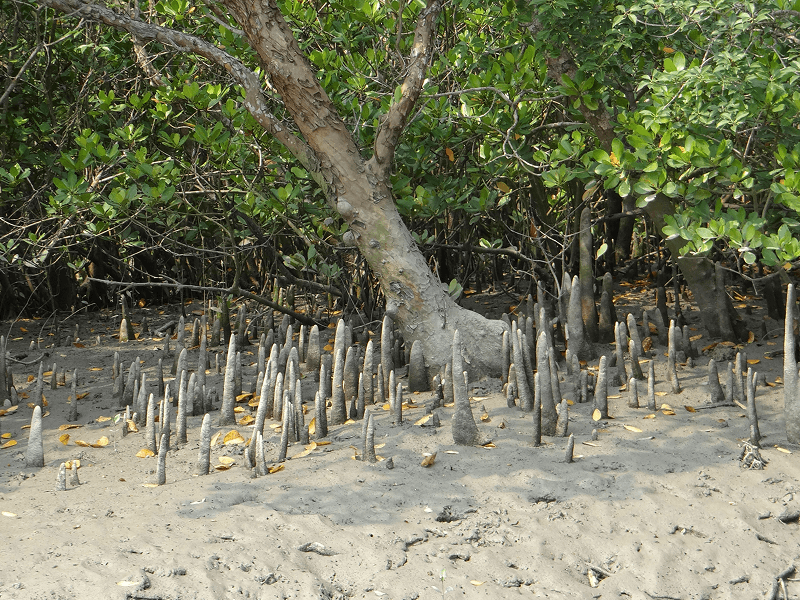
Follow the tide to the forest's namesake tree.
The sundari tree, Heritiera fomes, is one of the characteristic native trees of the Bangladesh Sundarbans and is closely linked with the forest's name and identity. Rising from tidal ground shaped by salinity, sediment and freshwater flow, sundari stands help form the layered mangrove landscape that travellers see from creeks and approved trails. Their roots, leaf litter and shade contribute to habitat used by fish, crabs, birds, deer and countless smaller organisms.
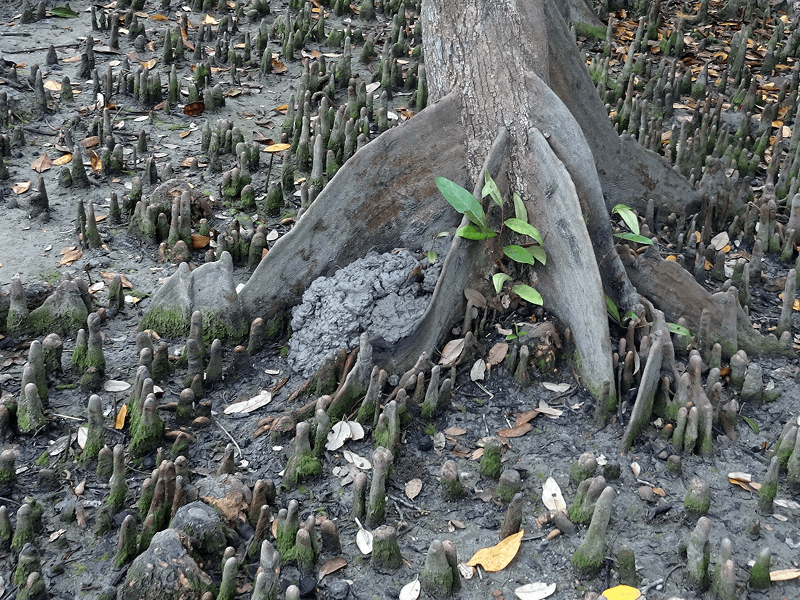
The best way to understand sundari is not to isolate one photogenic trunk, but to read the whole delta. From an authorised vessel, a forest guide can point out changes in vegetation as water and soil conditions shift. At low tide, exposed mud and breathing-root systems reveal how mangroves cope with waterlogged ground. On approved walks, the scale becomes more immediate: dense stems, filtered light and the sound of wind moving through a forest rooted between land and sea.
Sundari also faces ecological stress. Forest Department research has examined widespread top-dying, while salinity, hydrology, disease and climate pressures continue to concern scientists and managers. Visitors should avoid simplifying a complex problem into a single claim. Instead, guides can explain how freshwater flow, cyclones and human pressures interact across the delta.
Never cut bark, collect seedlings or leave an approved path to reach a tree. Keep waste aboard, avoid trampling mudflats and support operators that follow Forest Department rules. The annual June–August closure applies to tourism. A sundari-focused journey turns a famous forest into something more detailed: an expedition through changing plant zones, a lesson in tidal adaptation and a reminder that the Sundarbans survives through the health of its trees as much as through its celebrated wildlife.
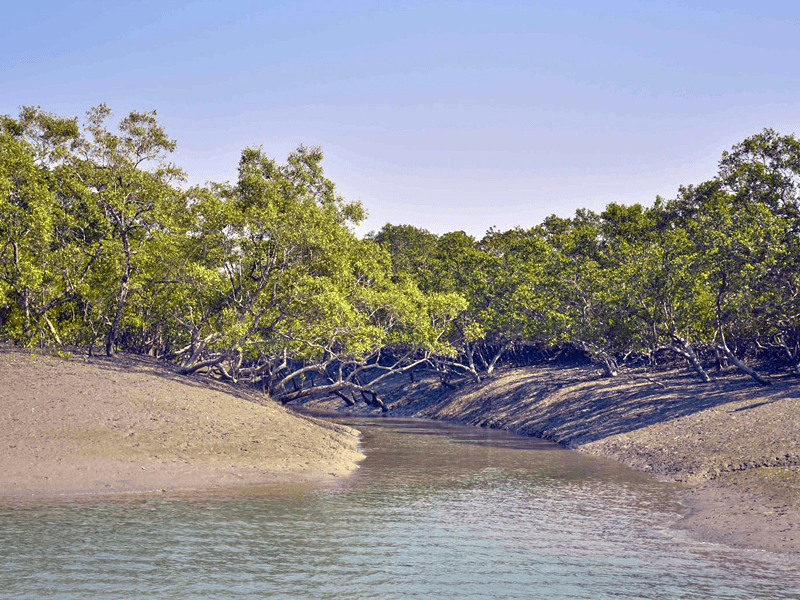
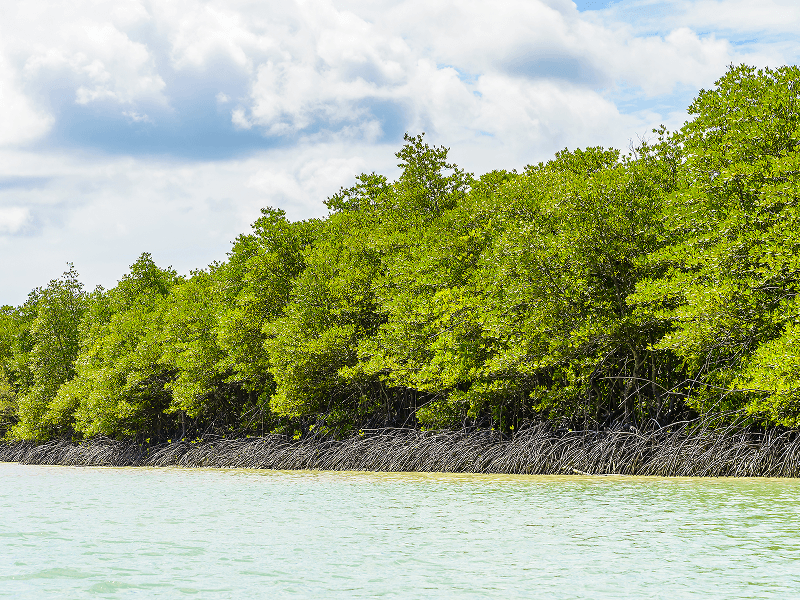
Photograph the forest pattern as well as individual trees. Wide views of creeks, banks and vegetation zones tell a more accurate story of how sundari lives within a connected tidal system.
Immersive Experience
No 360° Videos available
Destination Gallery
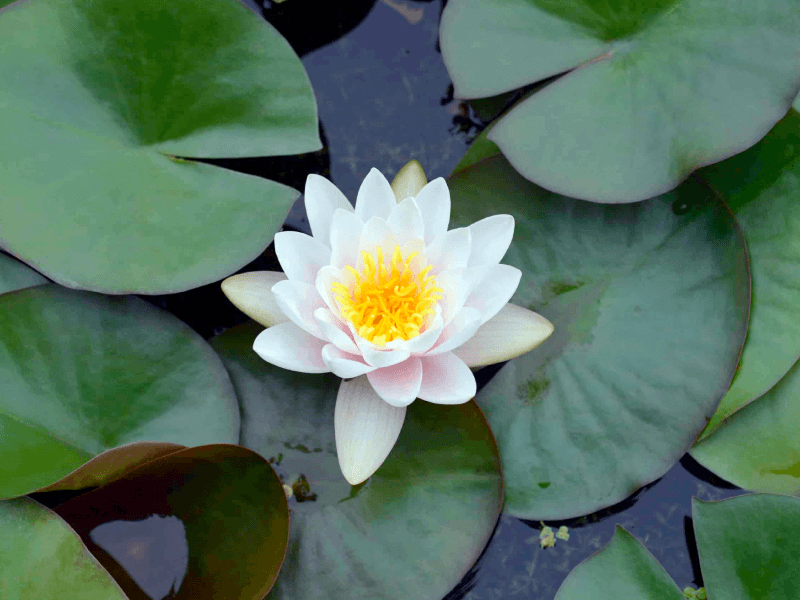
White Water Lily and Wetland Flora
Drift into a dawn landscape where white lilies open across the water.
Explore More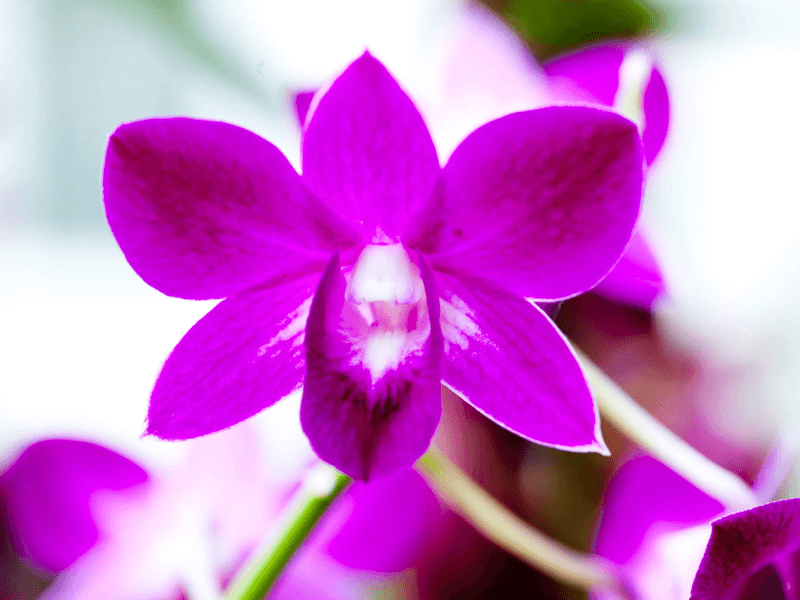
Rare Tropical Orchids of Northeastern Forests
Search the green shadows for delicate orchids growing far above the trail.
Explore More
Medicinal Plants and Herbal Heritage of Bangladesh
Walk with local knowledge through a living library of leaves, roots and stories.
Explore More
Bamboo and Cane Groves of Eastern Hill Forests
Journey through green hill country shaped by resilient plants and living craft traditions.
Explore More