

Rare Tropical Orchids of Northeastern Forests
Search the green shadows for delicate orchids growing far above the trail.
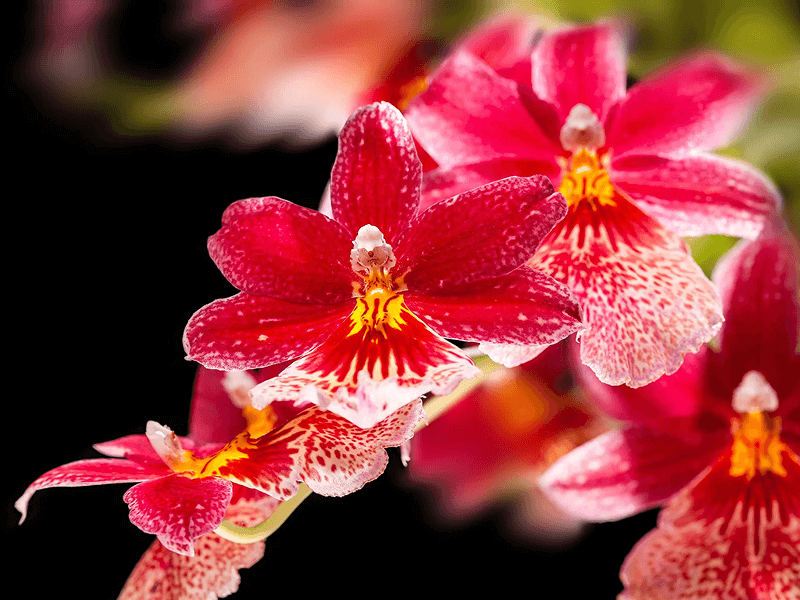
Look closely, photograph gently and leave every flower where it grows.
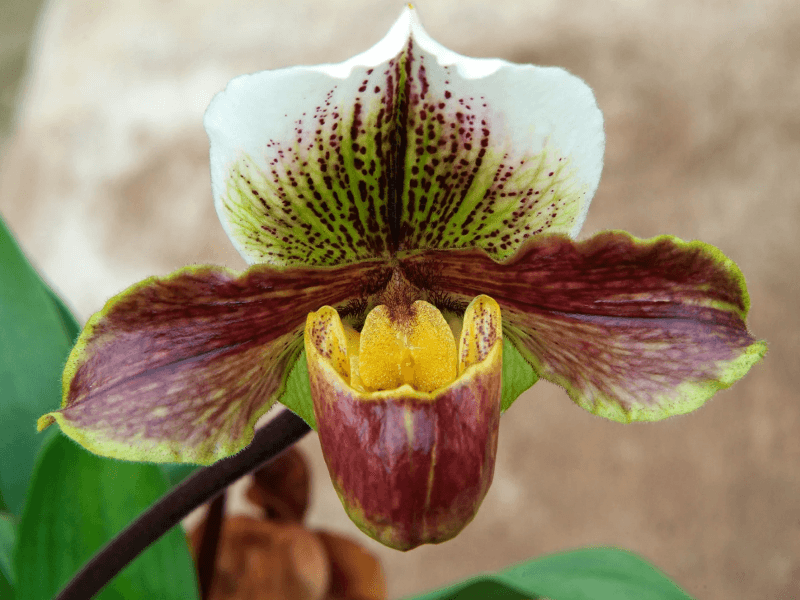
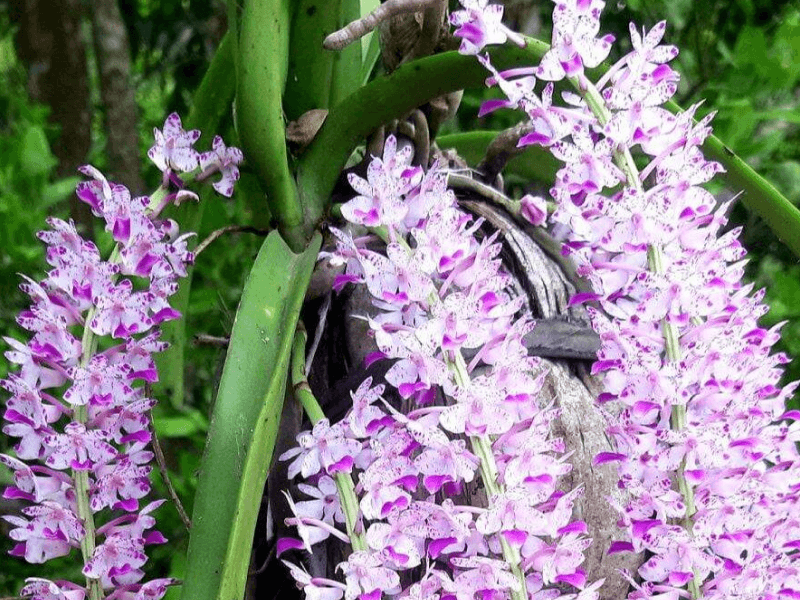
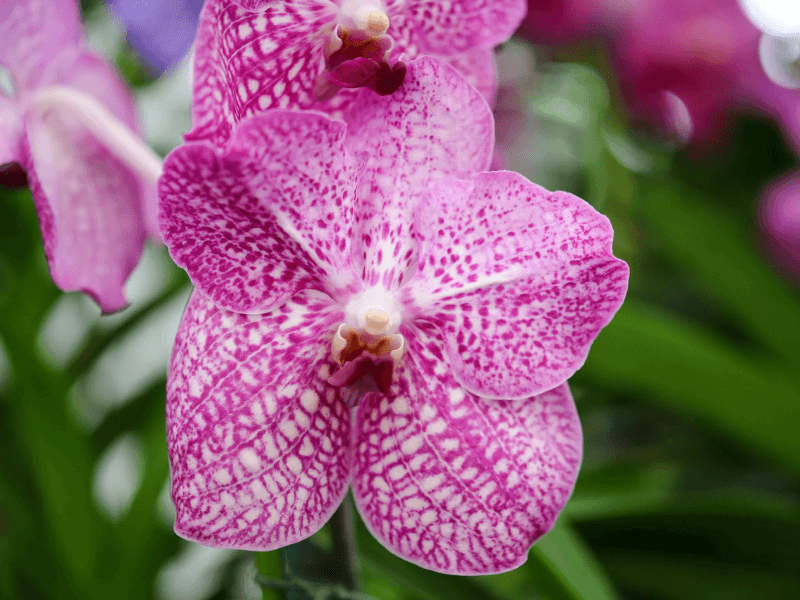
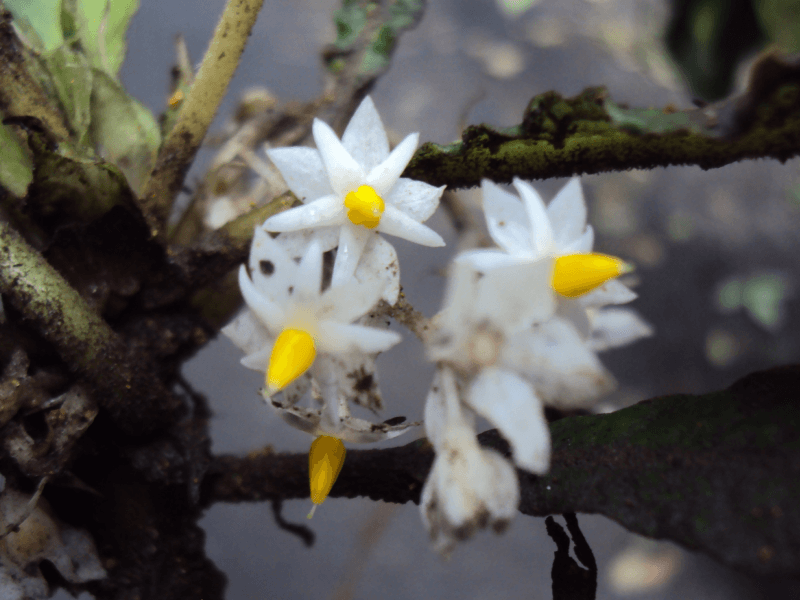
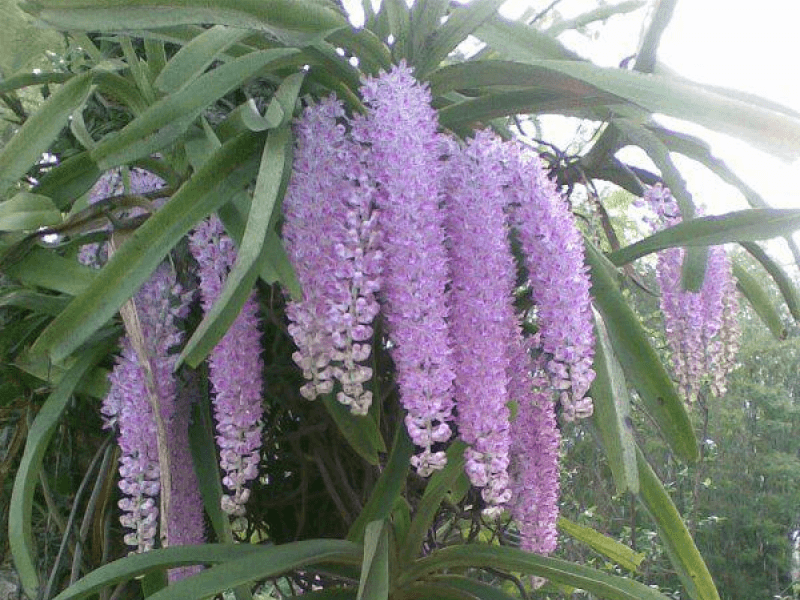
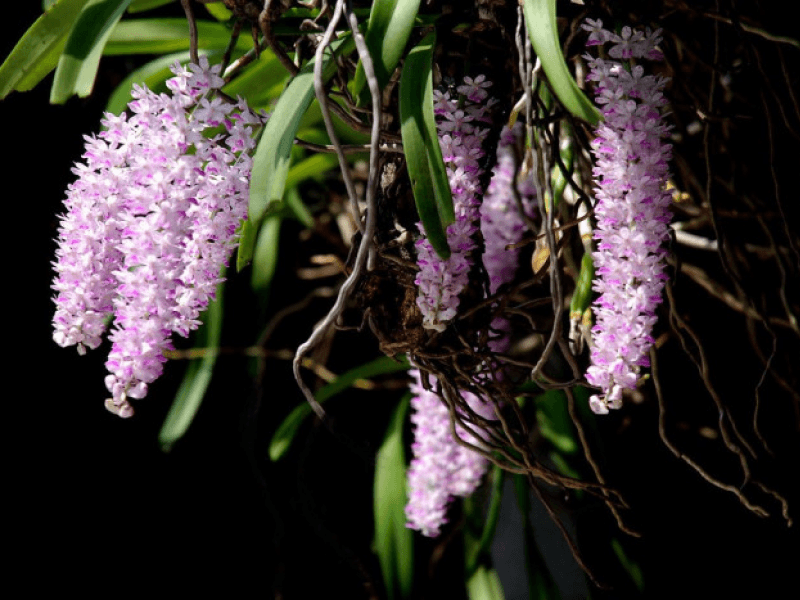
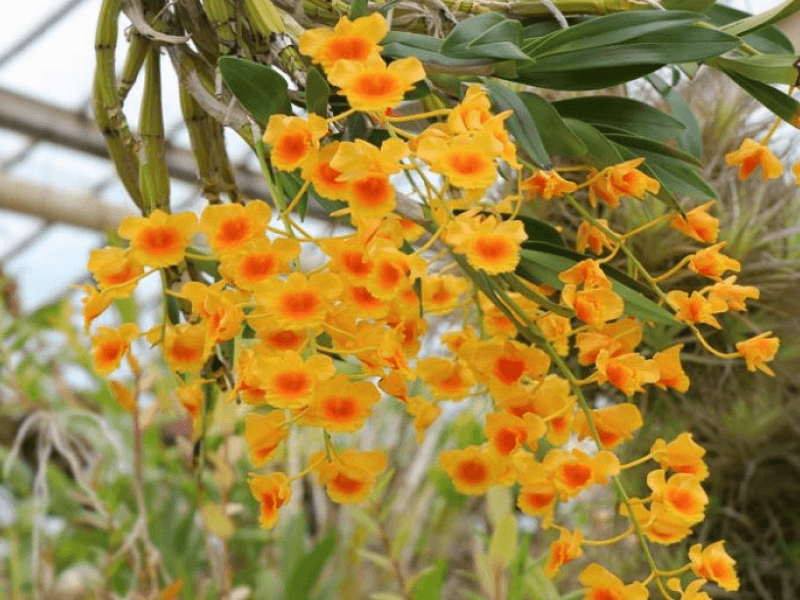
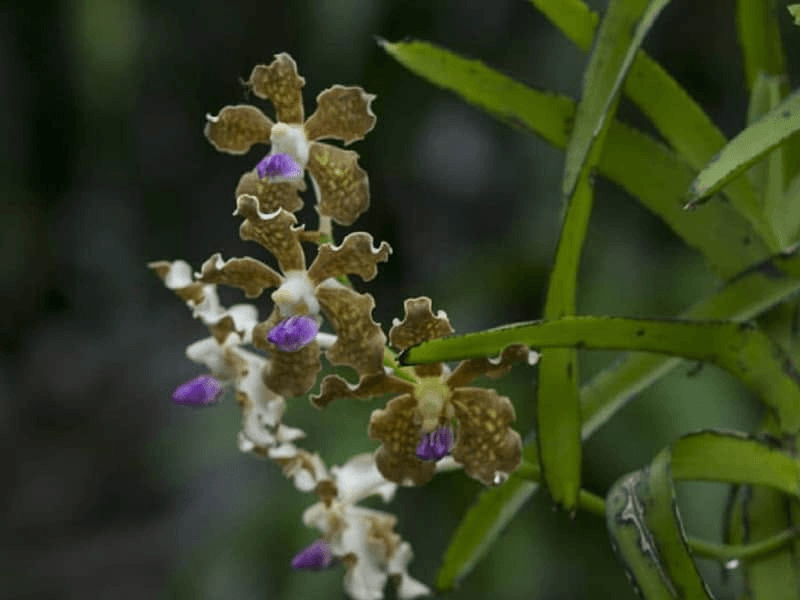
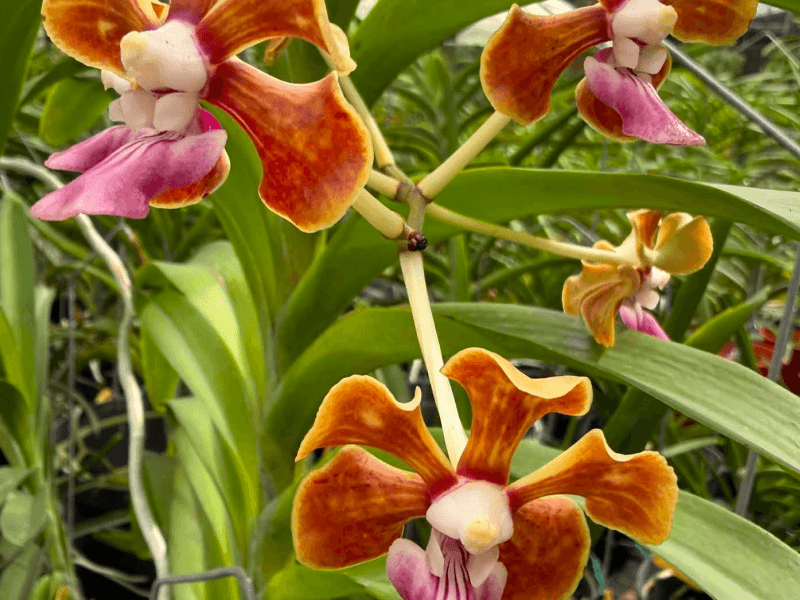
The humid forests of northeastern Bangladesh support a rich variety of plant life, including native orchids that grow on trees, rocks or the forest floor. Lawachara National Park provides a practical traveller setting for learning about this diversity without turning rare plants into collectibles. After rain, mossy trunks, leaf litter and filtered light create the conditions in which small flowers and unusual forms can be discovered by an attentive guide.
Orchid watching is an adventure in detail. Many plants are easy to miss, seasonal in bloom or high in the canopy. Begin early with a trained eco-guide and allow time for slow observation. Binoculars can be useful for epiphytic plants overhead, while a camera with zoom avoids trampling vegetation. Identification should remain cautious; flowering stage and similar forms can challenge even experienced observers, so avoid publishing uncertain names as fact.
Collection is never part of the experience. Do not pick flowers, remove roots, purchase wild-collected plants, break branches or leave trails to reach a specimen. Moving orchids can damage both the plant and the tree or microhabitat supporting it. Geotagging a rare plant's exact location can also invite illegal collection, so share images without precise coordinates. Leave fallen material in the forest and clean footwear between sensitive sites to reduce the spread of invasive organisms.
The monsoon and its shoulders bring intense green and plant activity, but wet trails are slippery and leeches are common. The cooler dry season is easier for walking, although specific blooms cannot be guaranteed. Pair the forest visit with Sreemangal's tea landscape and a locally guided community experience arranged with consent. The reward is not a bouquet; it is the thrill of noticing a living orchid in its own forest, then walking away with nothing but a photograph and deeper respect.
A field notebook can be more useful than a collection bag. Record flower form, height, habitat and date, then ask a specialist to help confirm identification without exposing the exact location.
Immersive Experience
No 360° Videos available
Destination Gallery

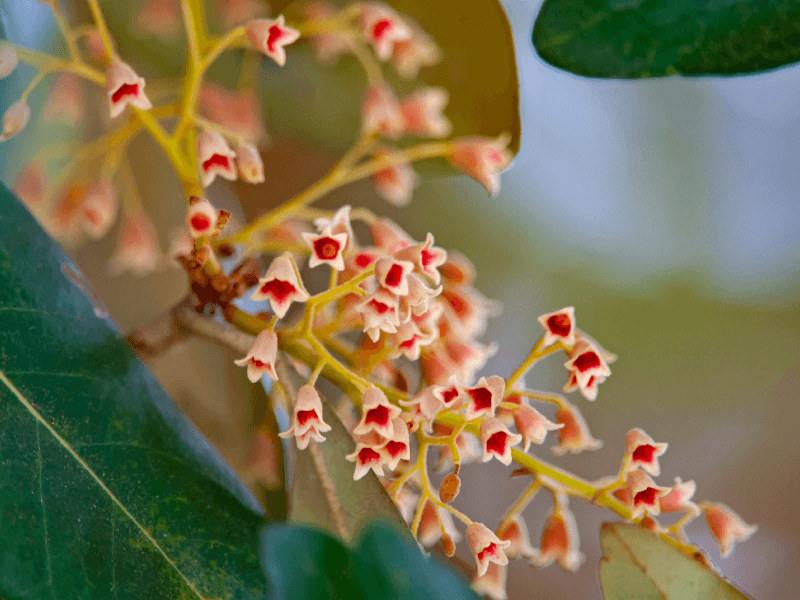
The Sundari Tree: Lifeblood of the Delta
Stand beneath the mangrove tree that gave the Sundarbans its enduring identity.
Explore More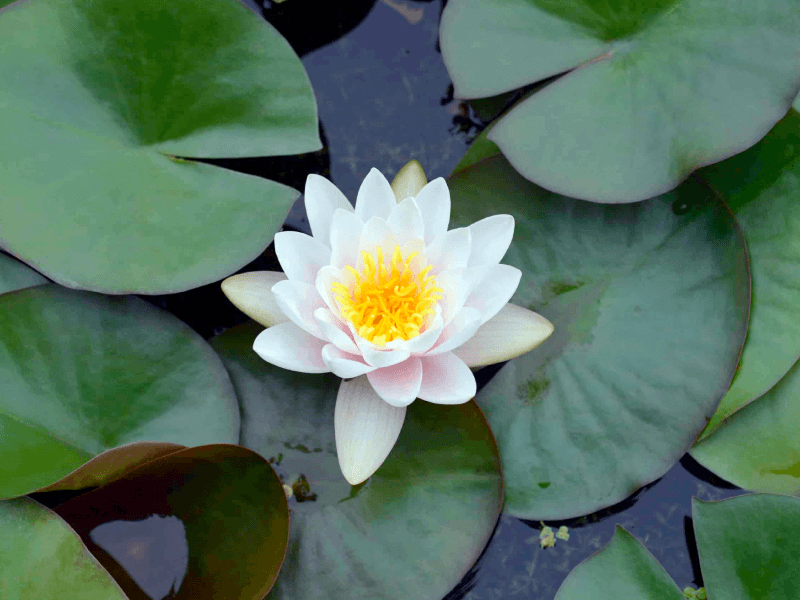
White Water Lily and Wetland Flora
Drift into a dawn landscape where white lilies open across the water.
Explore More
Medicinal Plants and Herbal Heritage of Bangladesh
Walk with local knowledge through a living library of leaves, roots and stories.
Explore More
Bamboo and Cane Groves of Eastern Hill Forests
Journey through green hill country shaped by resilient plants and living craft traditions.
Explore More