

Medicinal Plants and Herbal Heritage of Bangladesh
Walk with local knowledge through a living library of leaves, roots and stories.
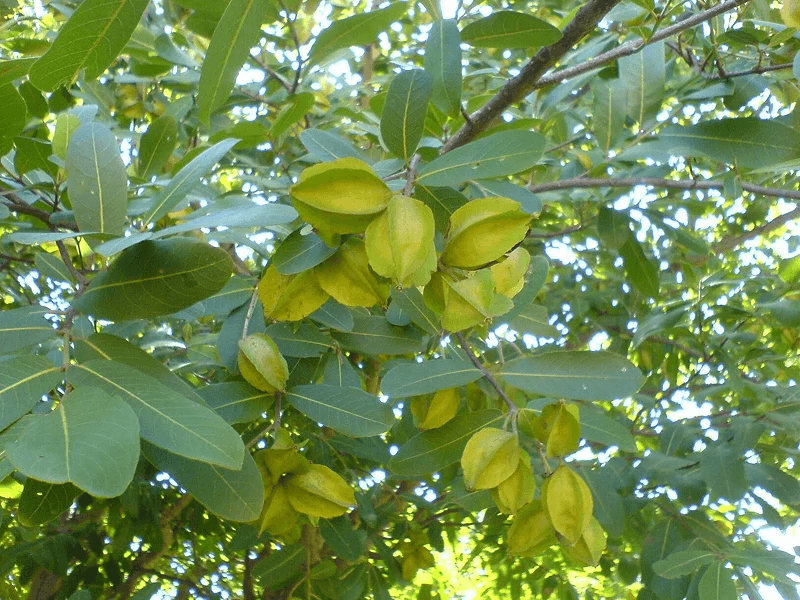
Explore herbal heritage—but do not turn tradition into self-medication.
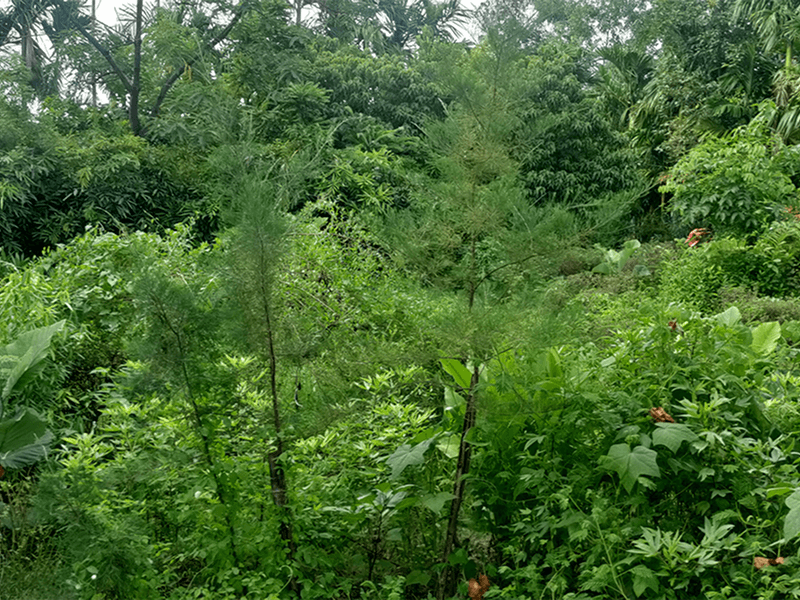
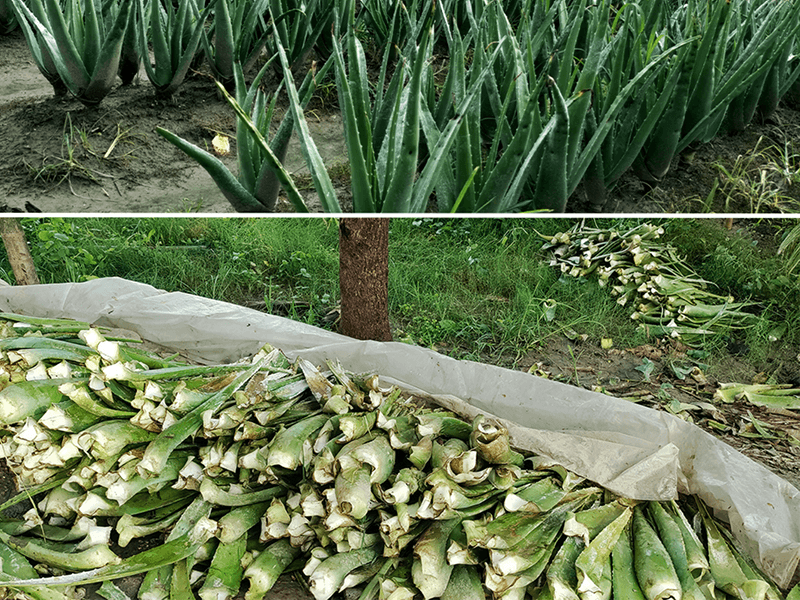
Bangladesh's forests, village gardens and rural landscapes hold long traditions of plant knowledge. Leaves, bark, roots, seeds and oils have been used in household practice and by recognised traditional practitioners, forming a heritage connected to culture, livelihood and biodiversity. A traveller can explore this subject responsibly through guided interpretation in a forest-edge destination such as Sreemangal and Lawachara, where plant diversity and community knowledge meet.
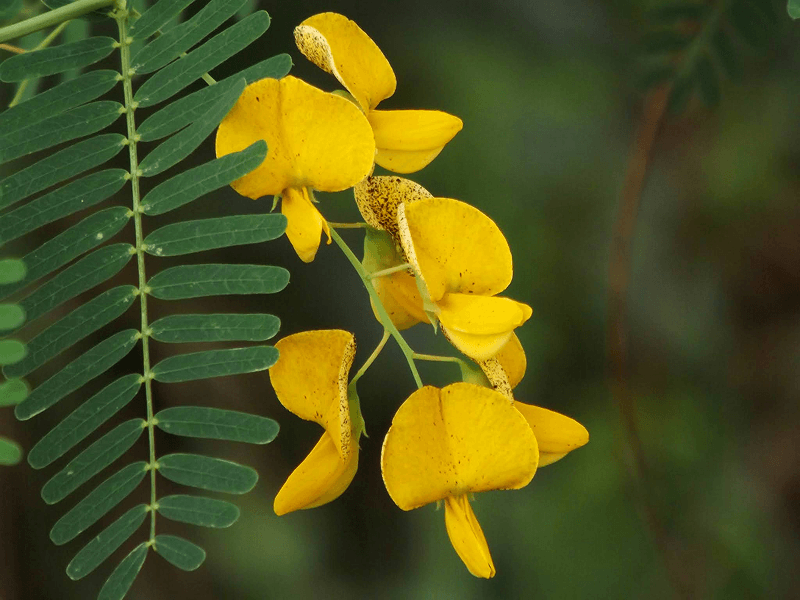
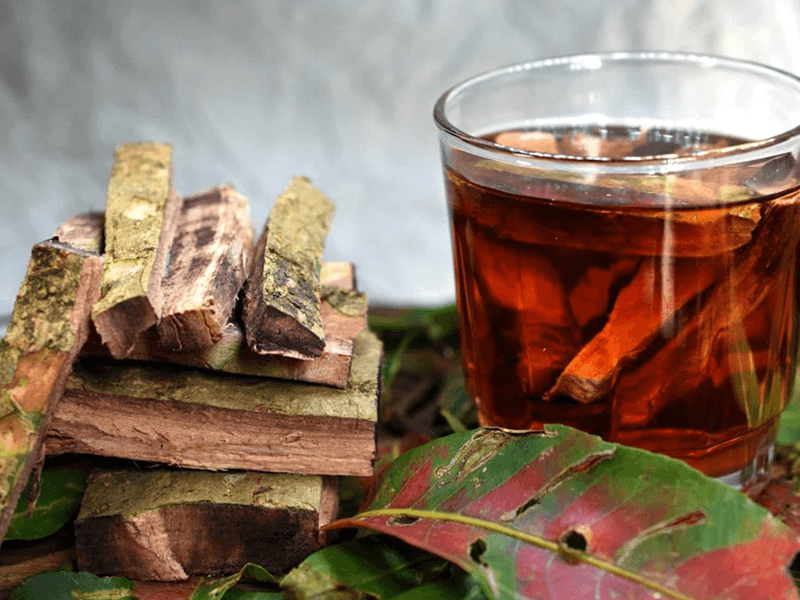
The experience should focus on learning, not harvesting or treatment. A trained guide may explain how plants are recognised, cultivated or discussed in local tradition, while a community host can describe practices in their own words. Such accounts are cultural knowledge, not proof that a remedy is safe or effective. Plant names can vary, species can be confused and dosage or interaction risks can be serious. Visitors should never ingest, apply or purchase an unknown preparation on travel advice alone.
Respect for knowledge is as important as respect for habitat. Ask permission before recording a practitioner, photographing a garden or sharing a preparation. Do not demand protected knowledge, copy commercial formulations or present community claims without attribution and consent. Pay fairly for an arranged demonstration or consultation, and avoid bargaining that undervalues expertise. In a protected forest, never collect bark, roots, leaves or seeds.
Choose an established eco-guide or reputable community programme and verify that any visit is invited. The cooler dry season offers comfortable walking; monsoon brings luxuriant growth but wet trails. A meaningful herbal-heritage journey connects botany, history and ethics. It leaves travellers with better questions—how knowledge is passed on, how useful species are conserved and how tradition can be respected alongside modern medical evidence—rather than a bag of unverified cures.
Museums, botanical gardens and documented educational programmes may provide additional context without pressuring wild plants. Prefer settings that explain evidence, cultivation and conservation rather than making dramatic promises about cures.
Immersive Experience
No 360° Videos available
Destination Gallery
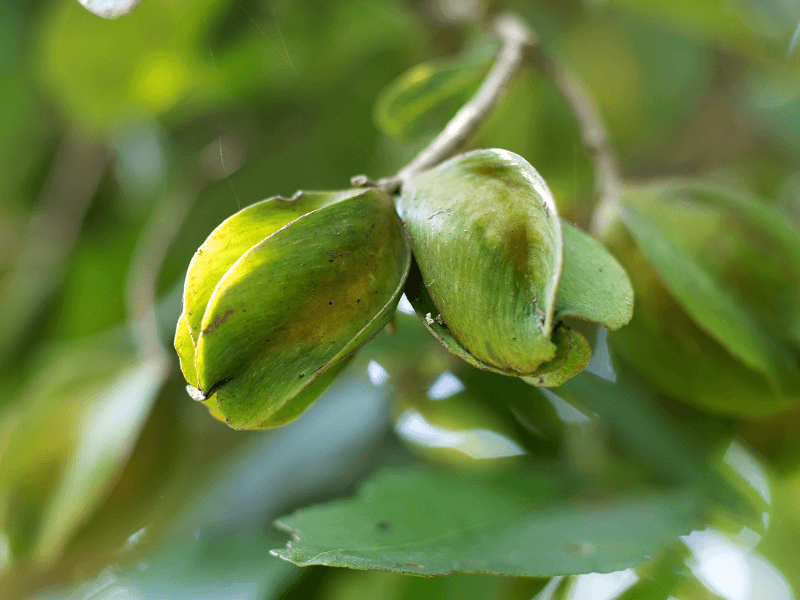
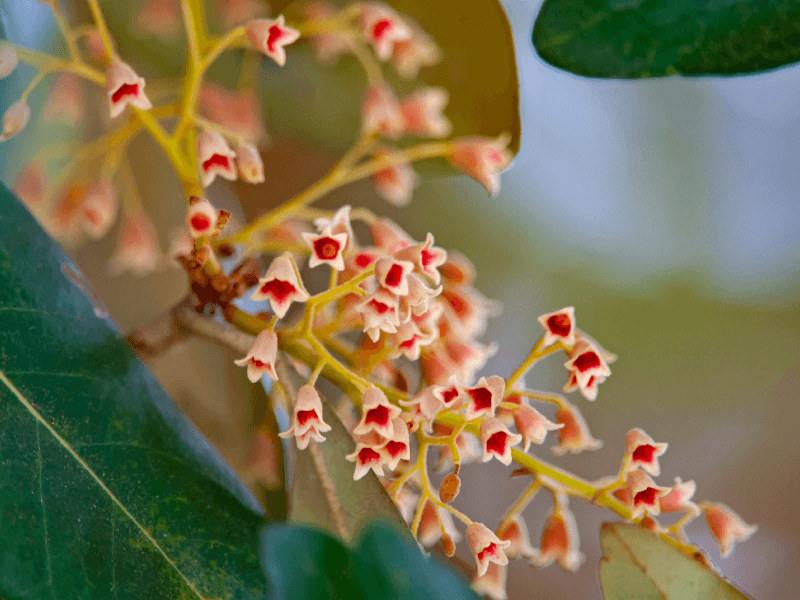
The Sundari Tree: Lifeblood of the Delta
Stand beneath the mangrove tree that gave the Sundarbans its enduring identity.
Explore More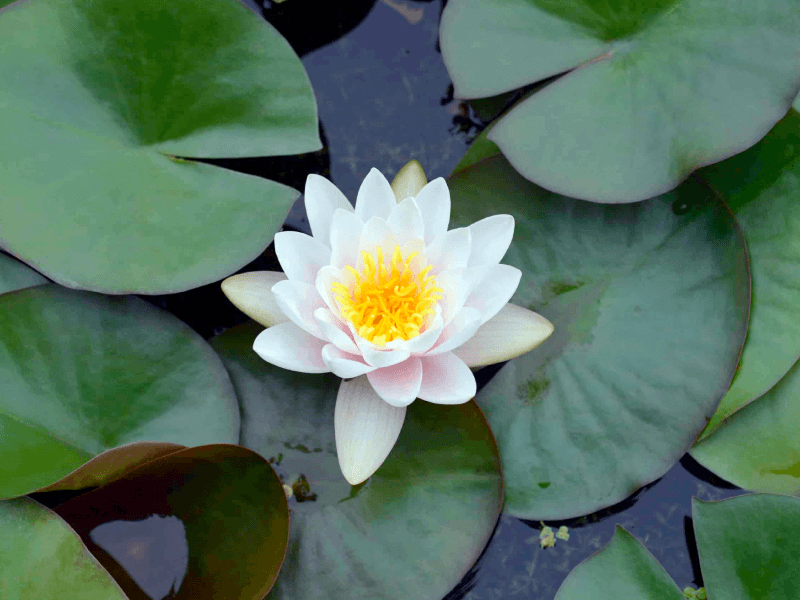
White Water Lily and Wetland Flora
Drift into a dawn landscape where white lilies open across the water.
Explore More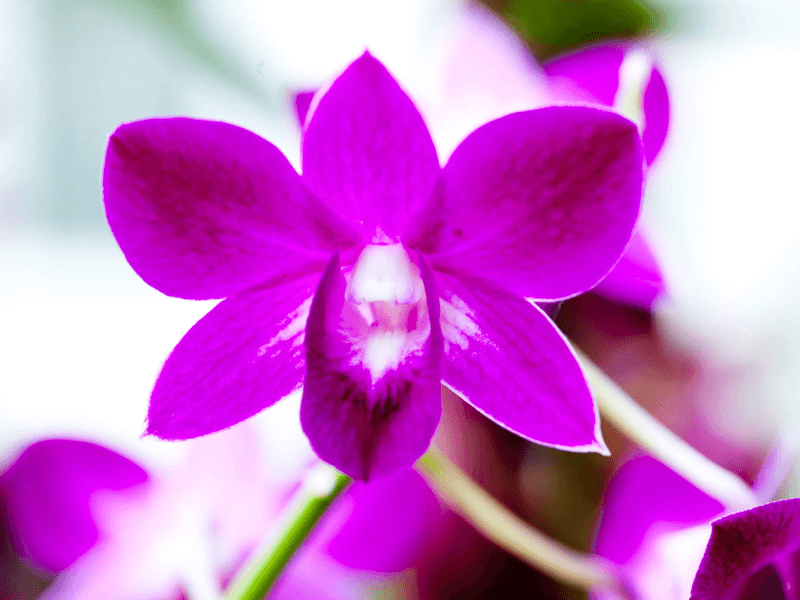
Rare Tropical Orchids of Northeastern Forests
Search the green shadows for delicate orchids growing far above the trail.
Explore More
Bamboo and Cane Groves of Eastern Hill Forests
Journey through green hill country shaped by resilient plants and living craft traditions.
Explore More