

Thakurgaon Tea Estate
A new tea frontier spreads across village fields in northwestern Bangladesh.
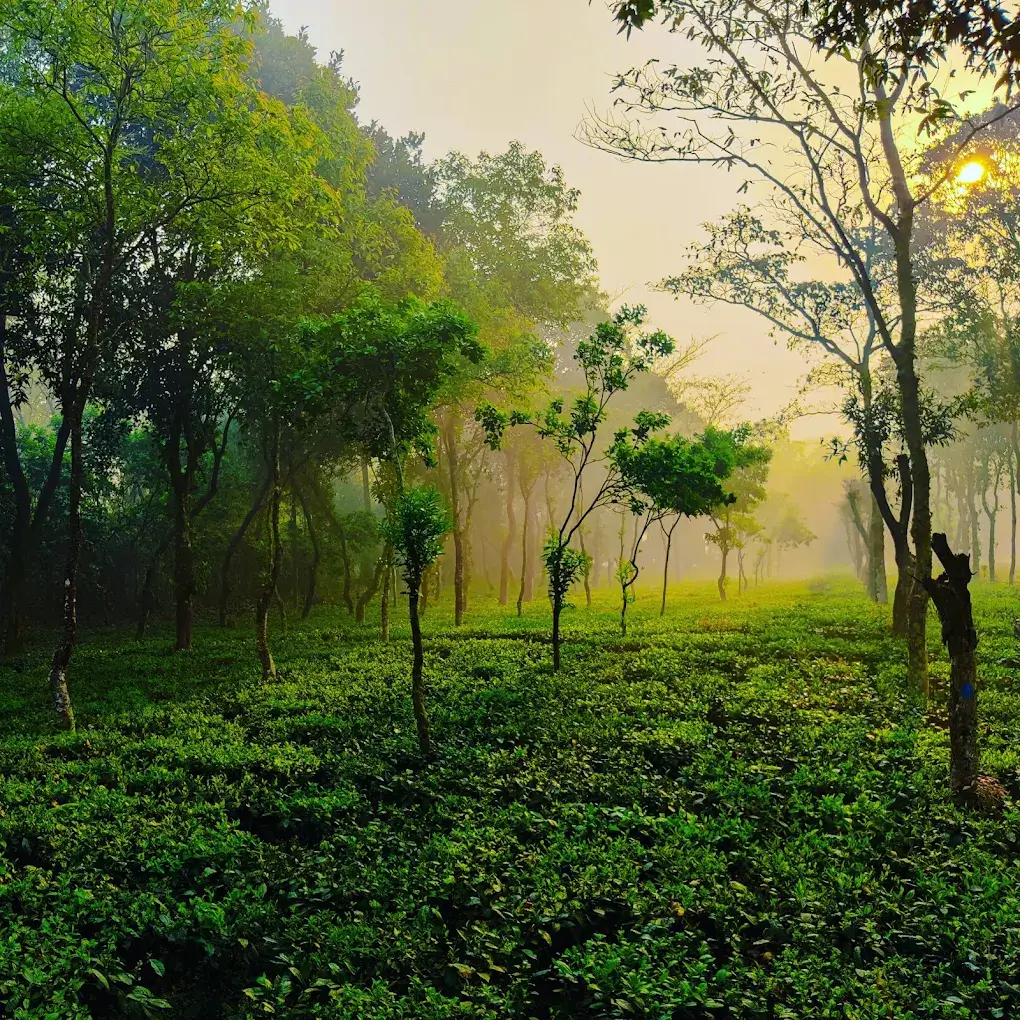
Leave the main road behind and enter the tea country of Thakurgaon district—with permission, curiosity and time to explore.
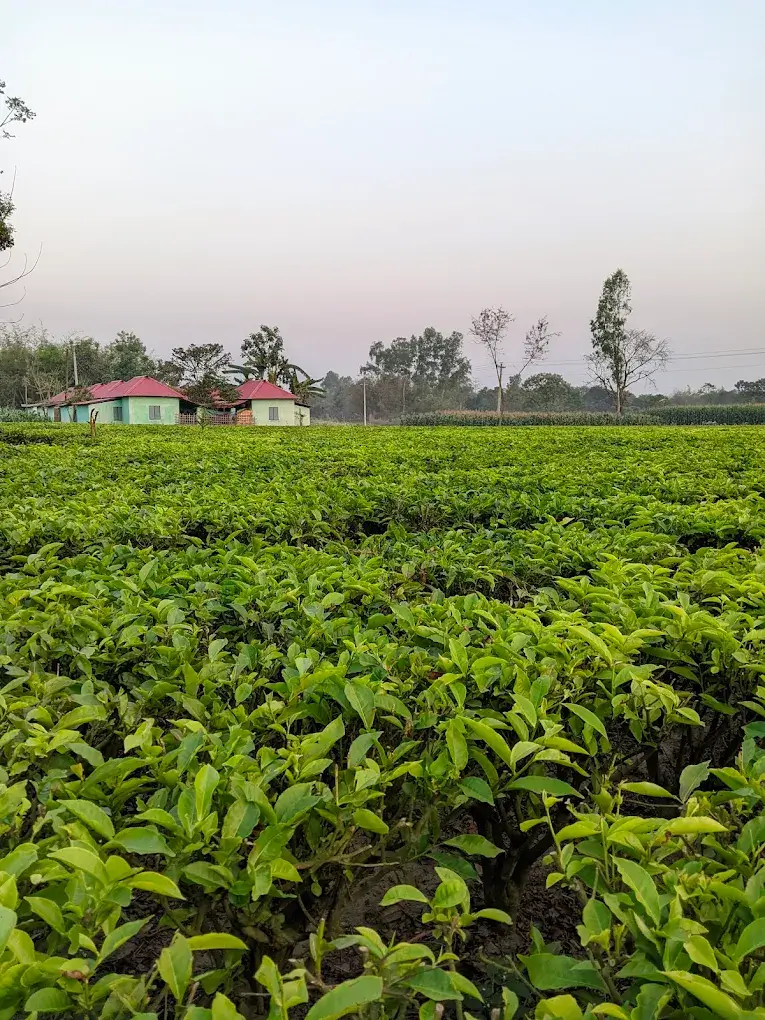
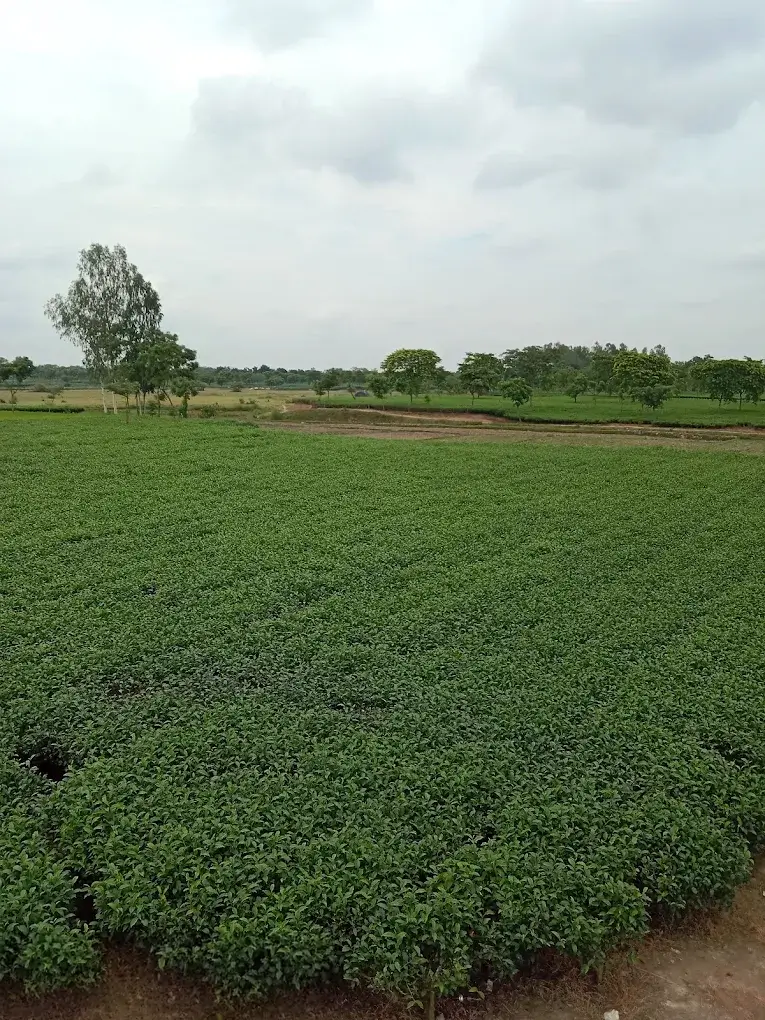
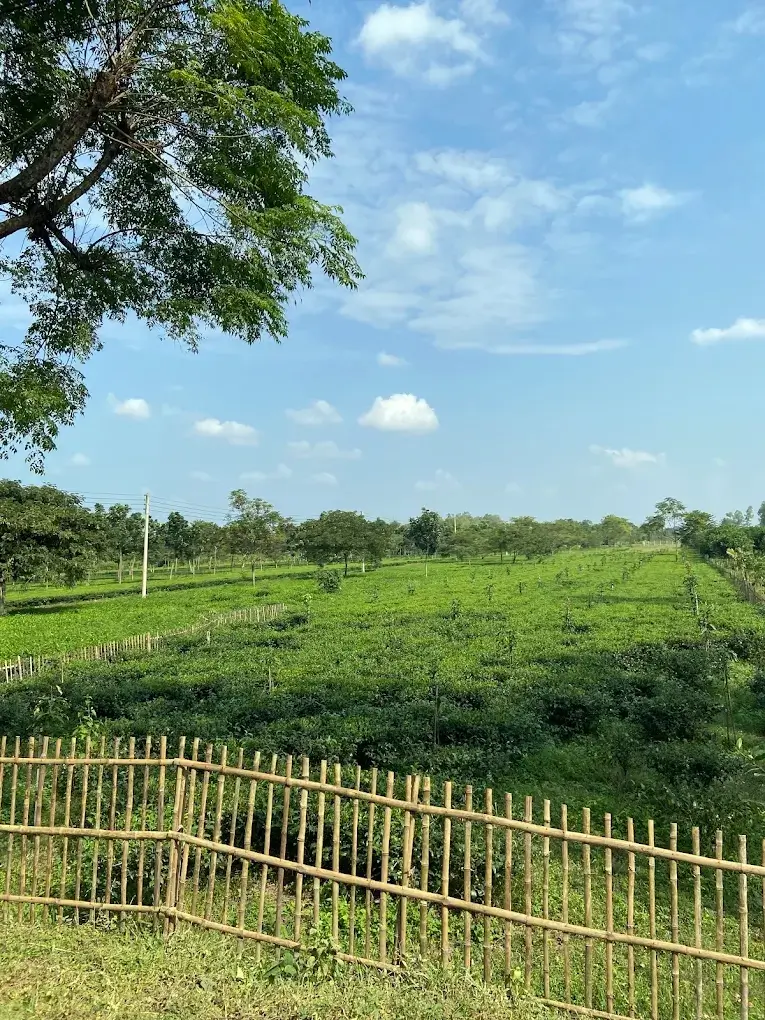
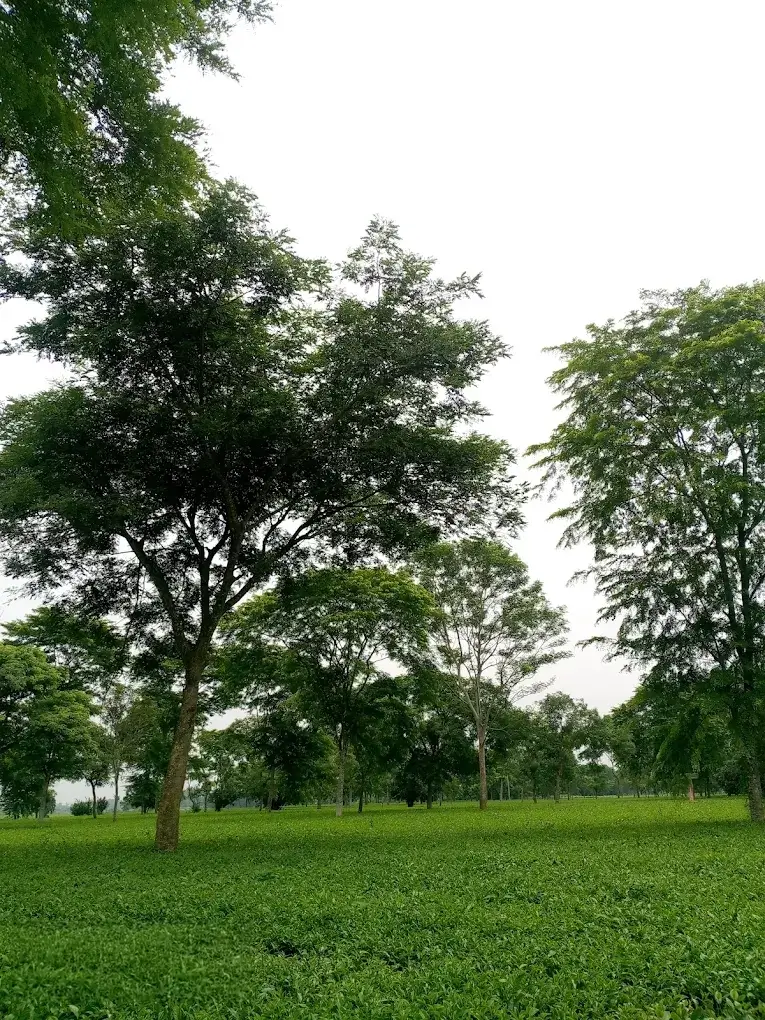
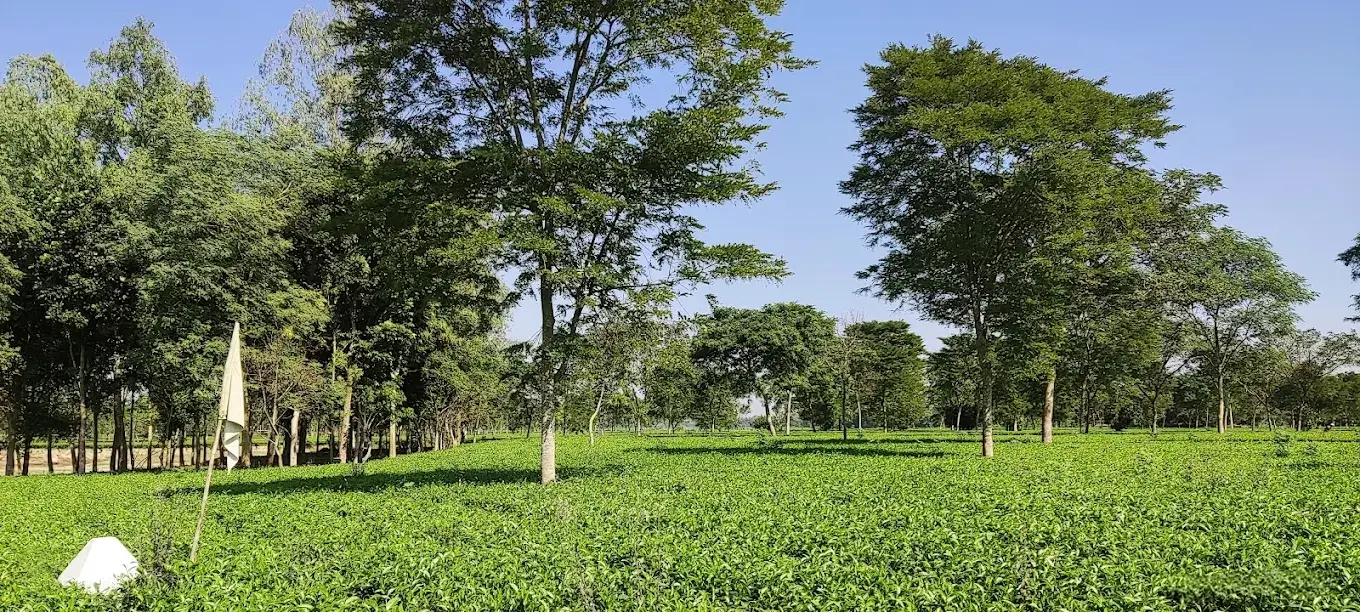
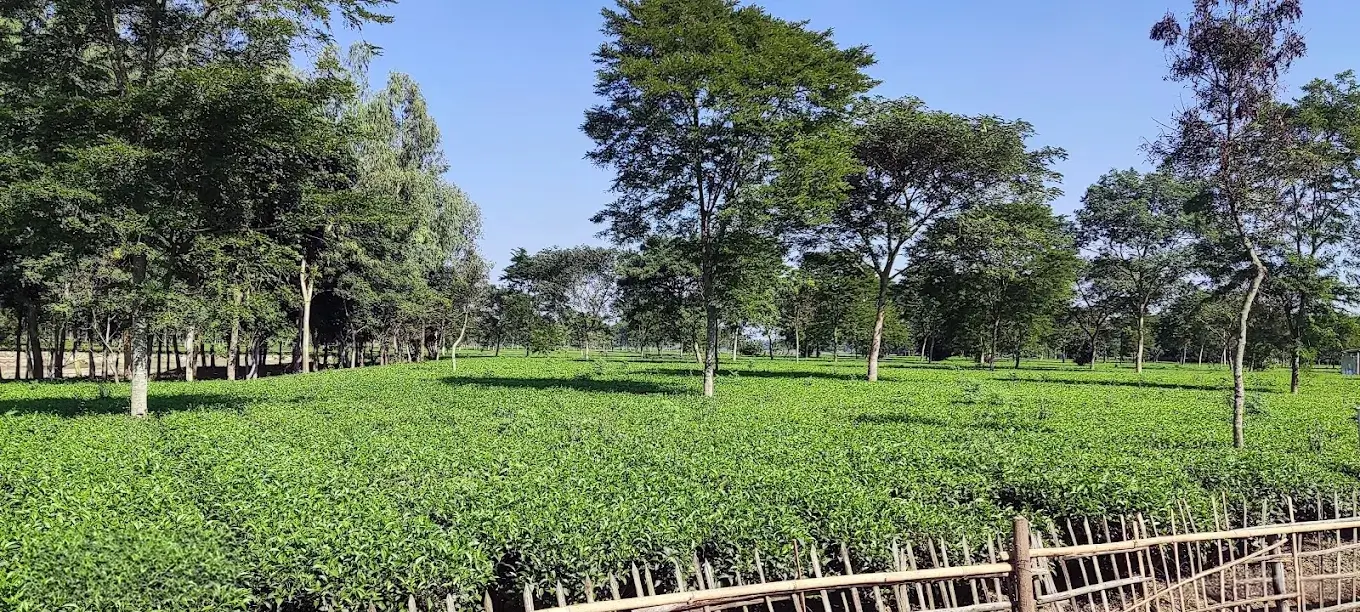
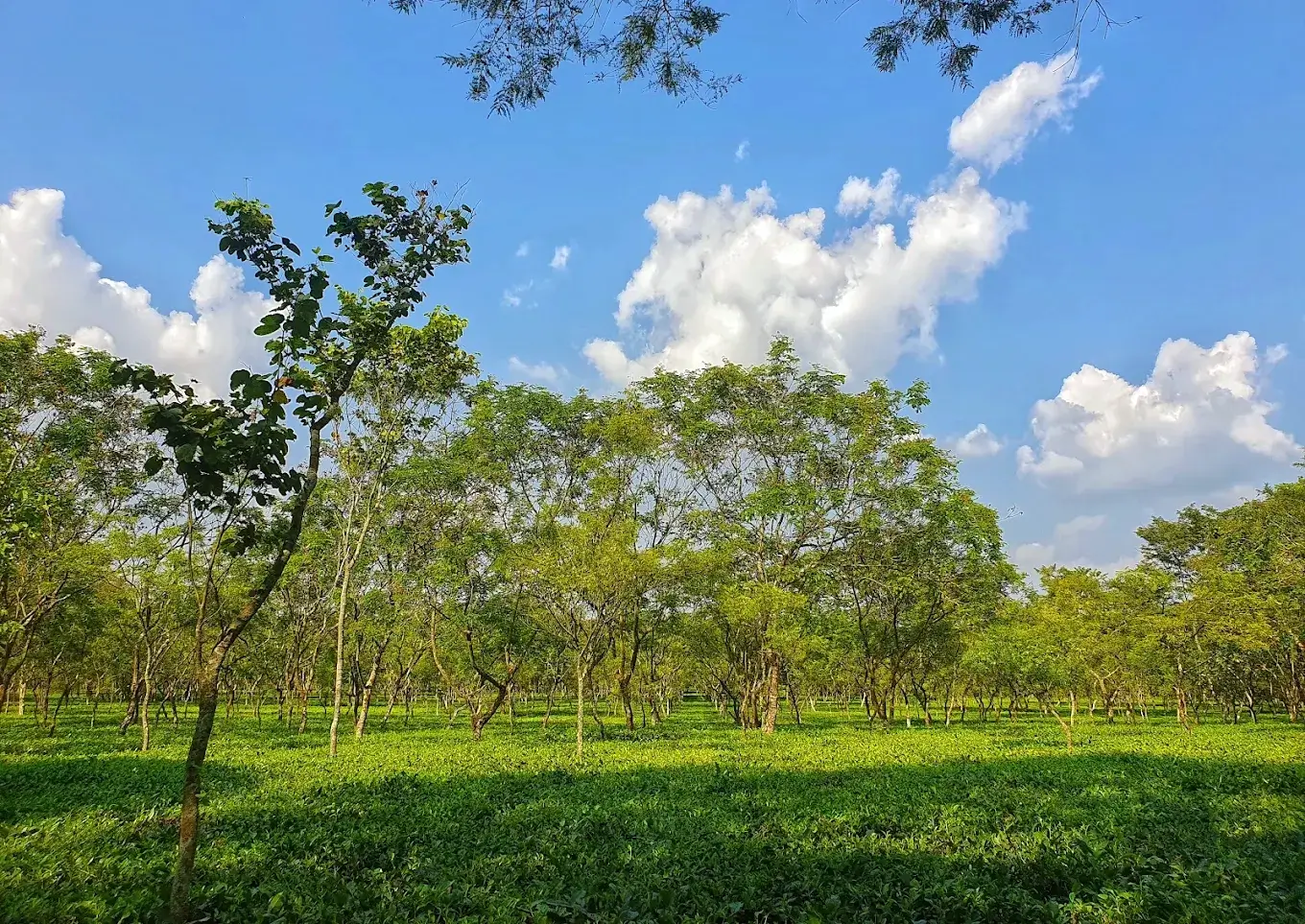
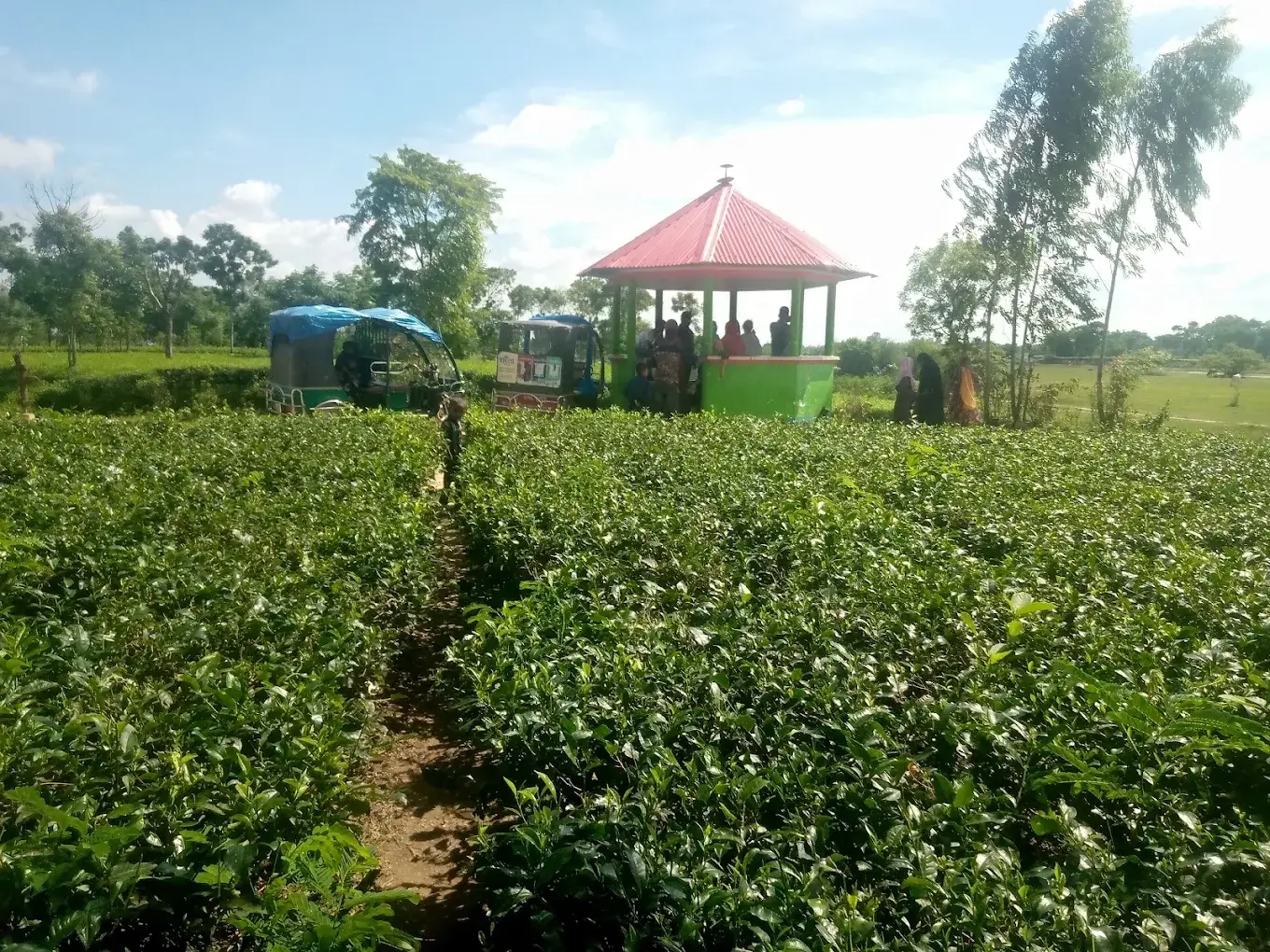
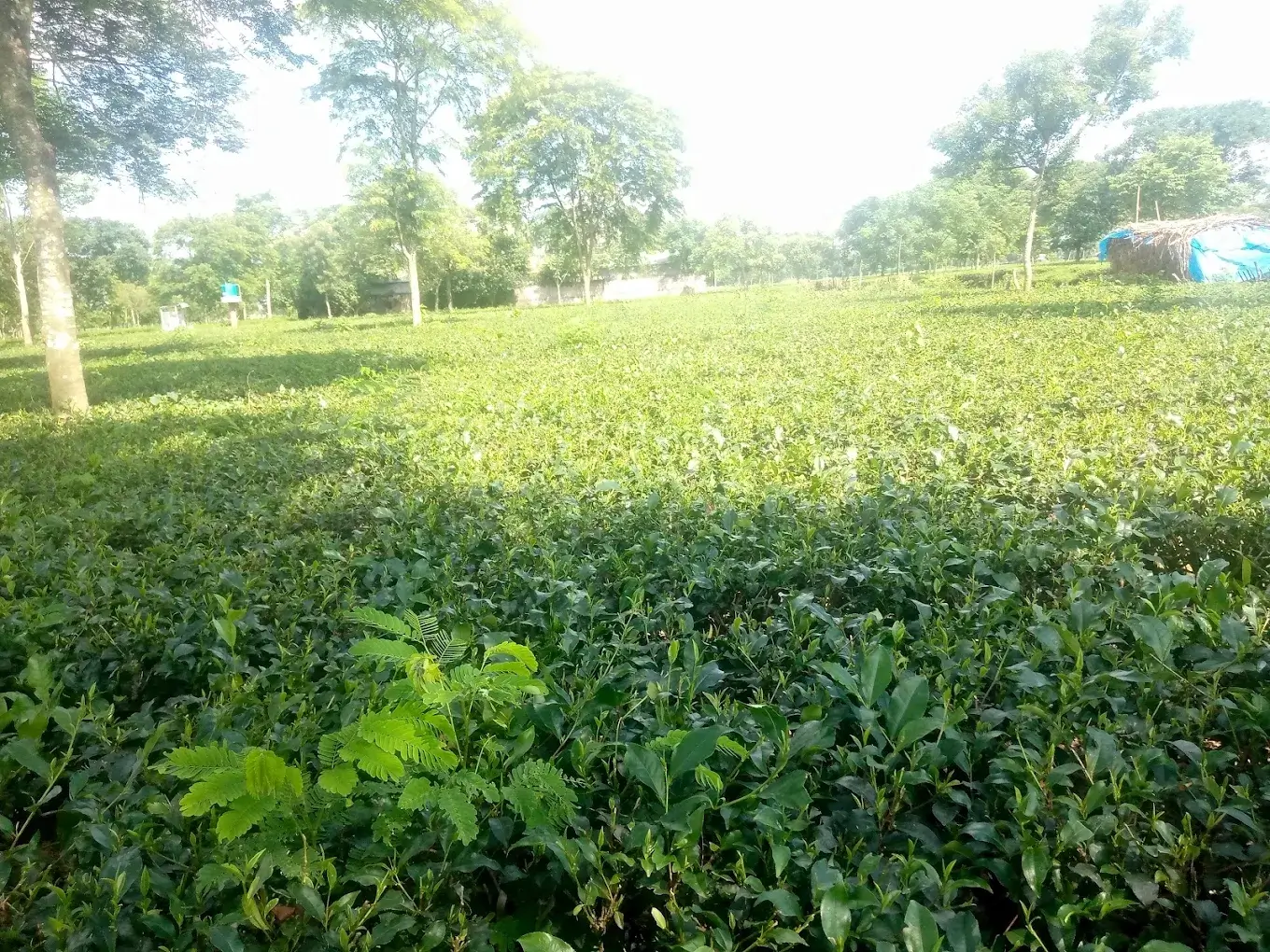
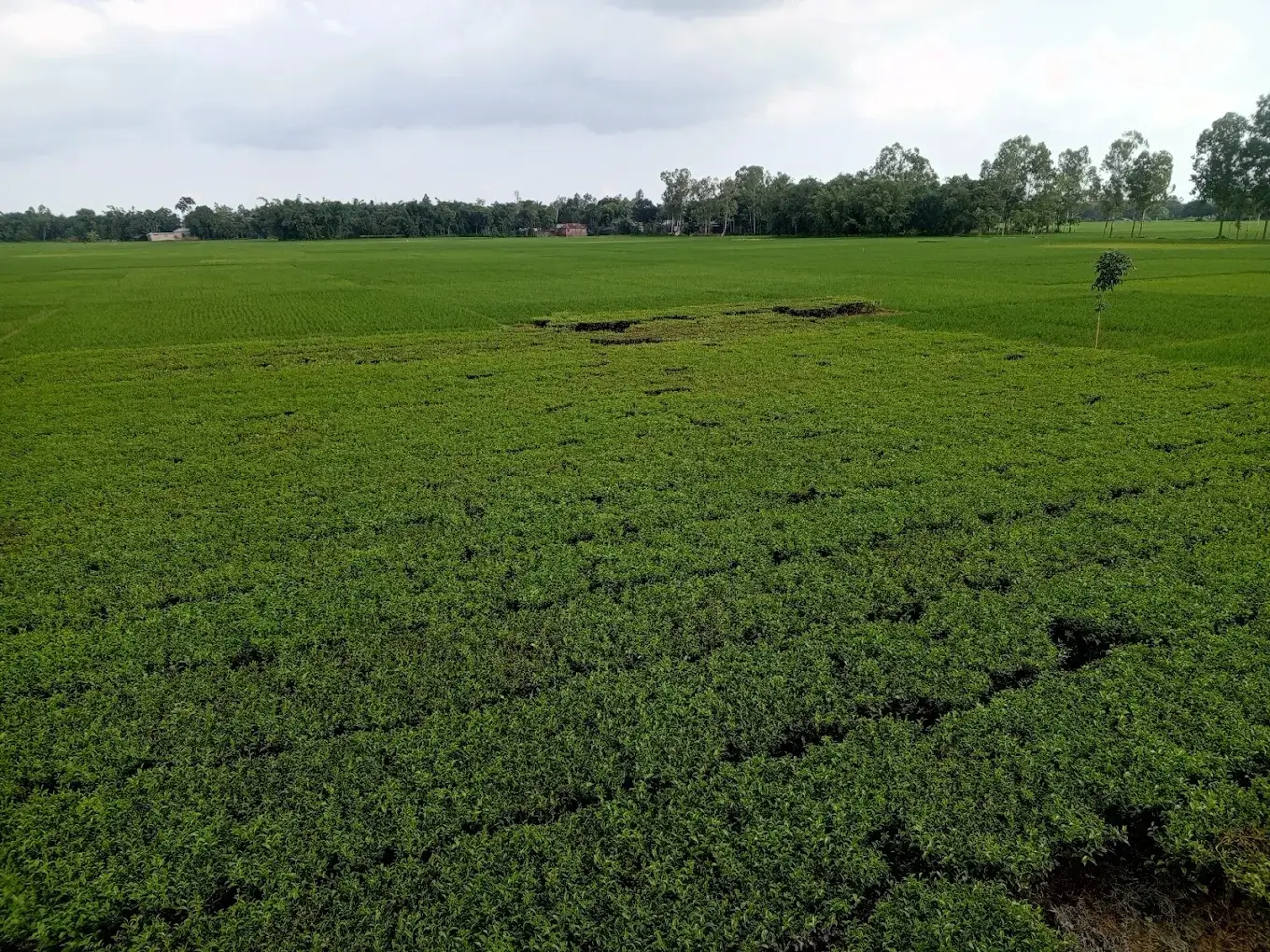
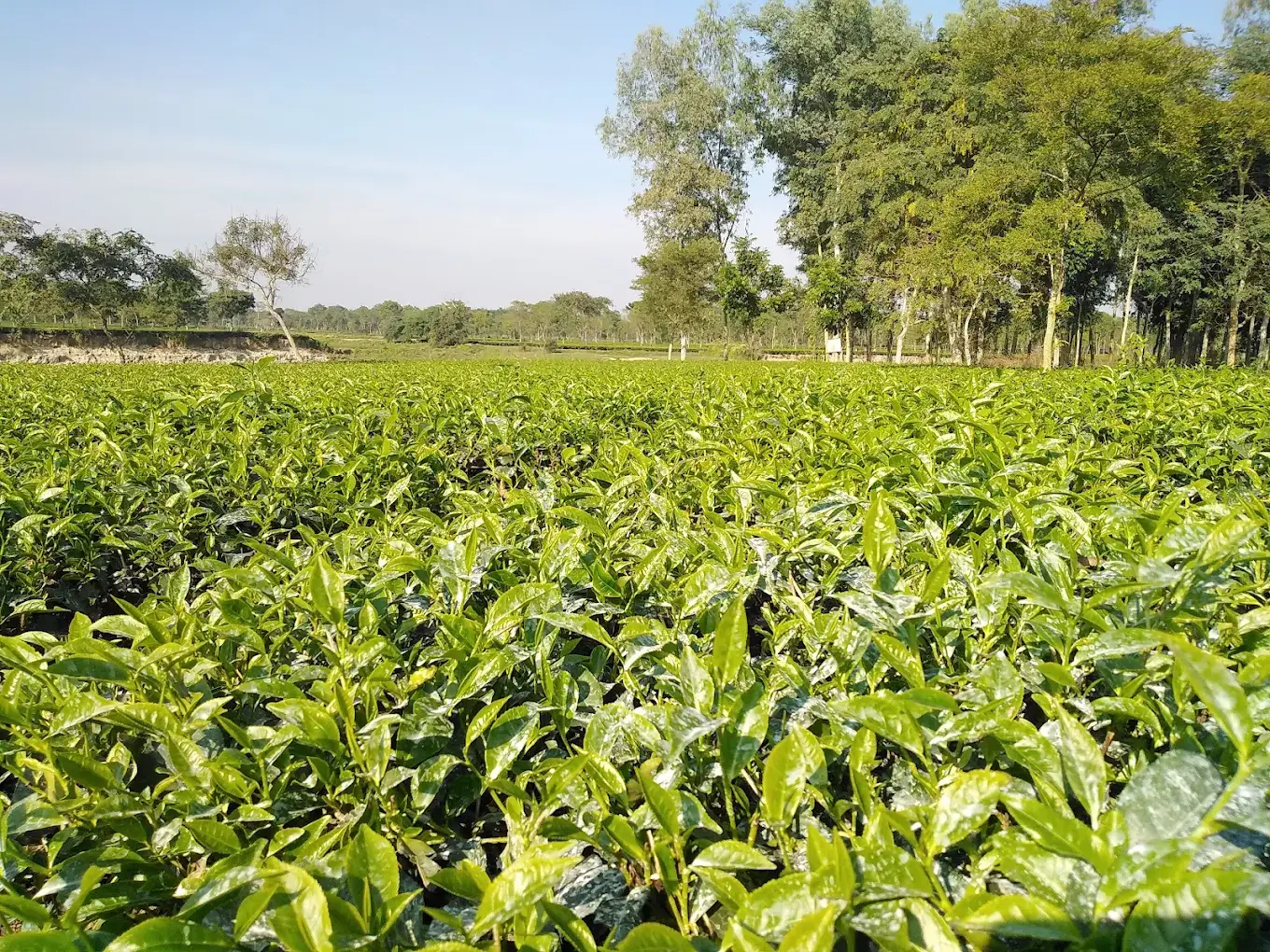
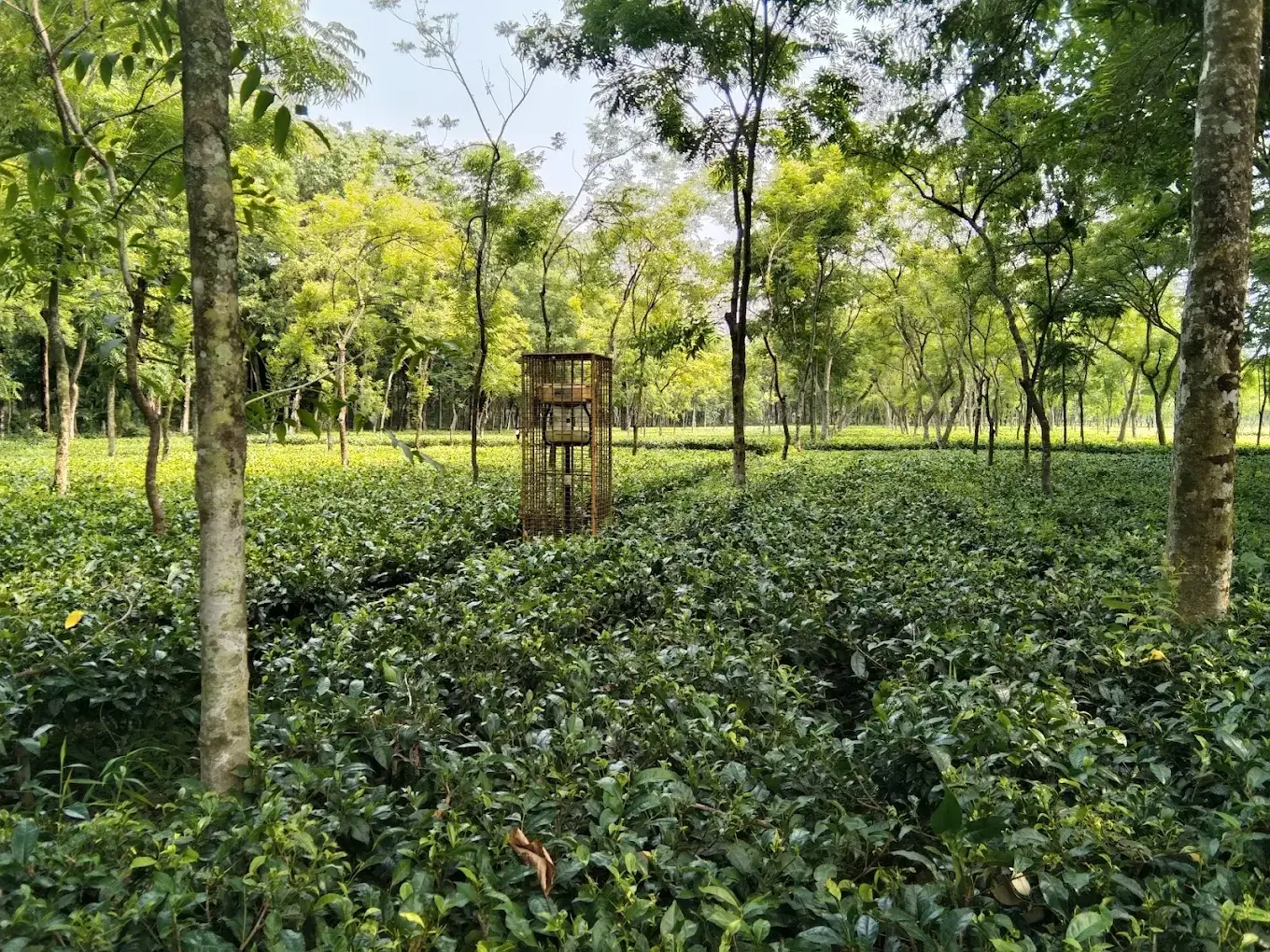
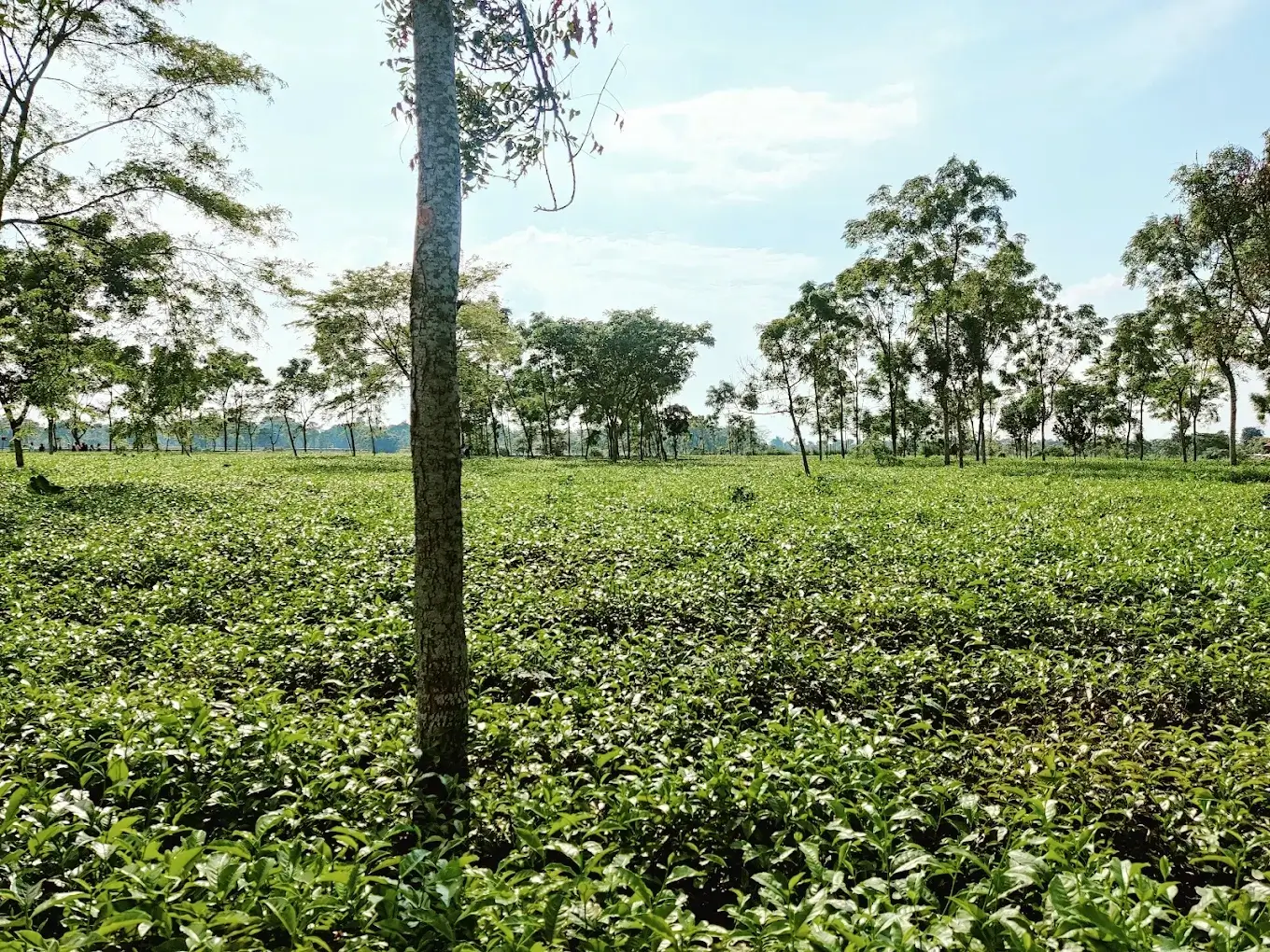
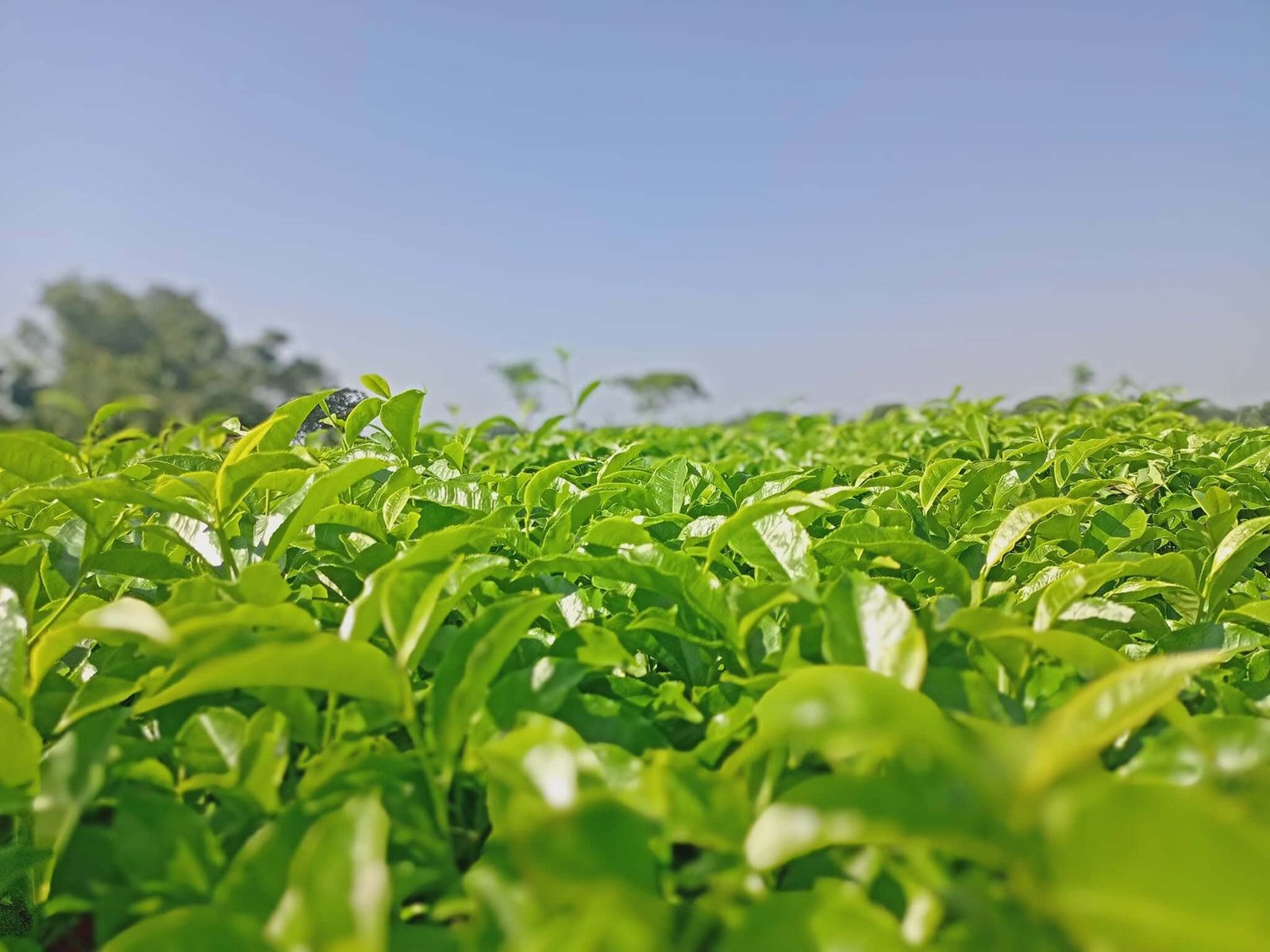
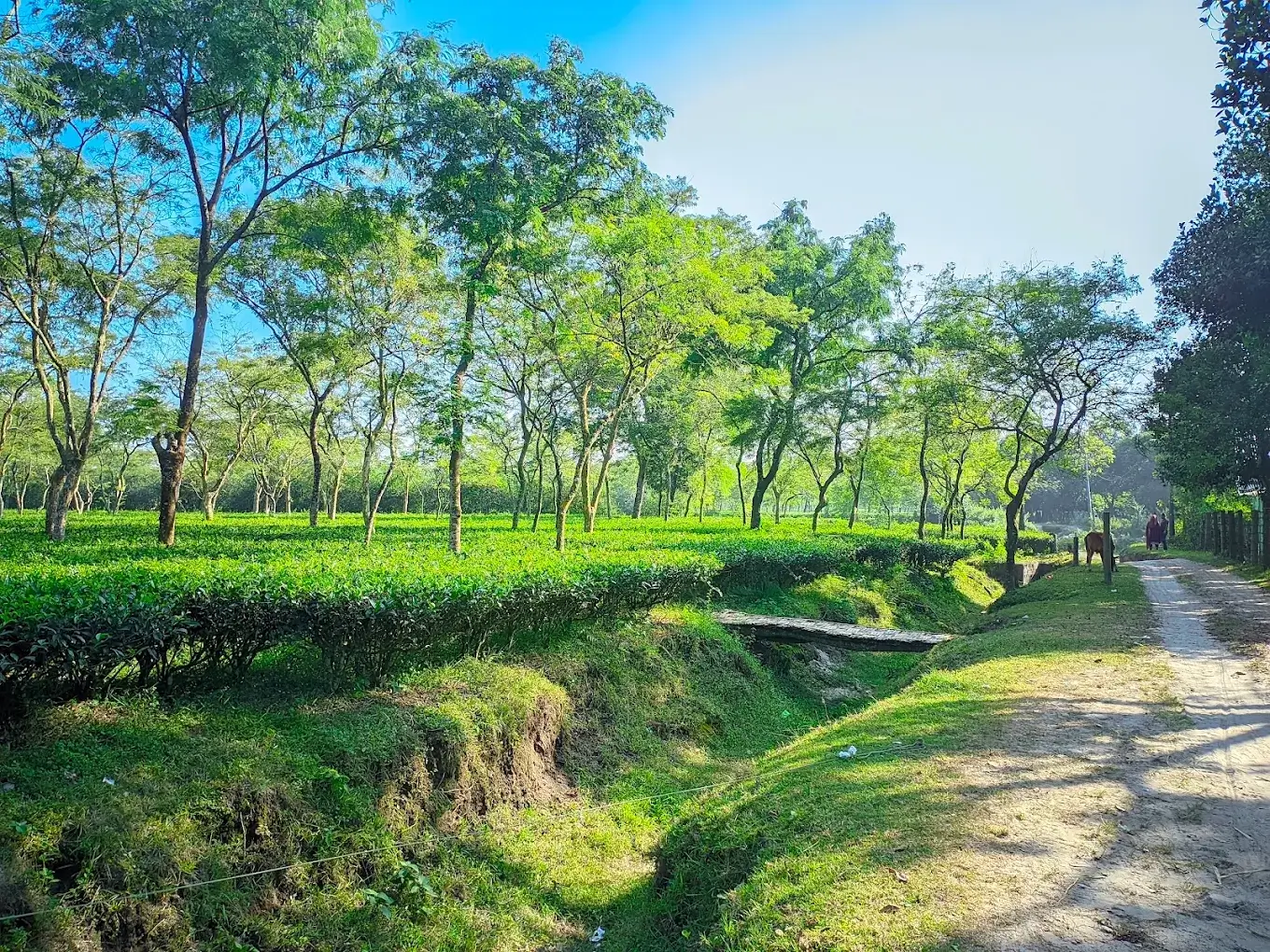
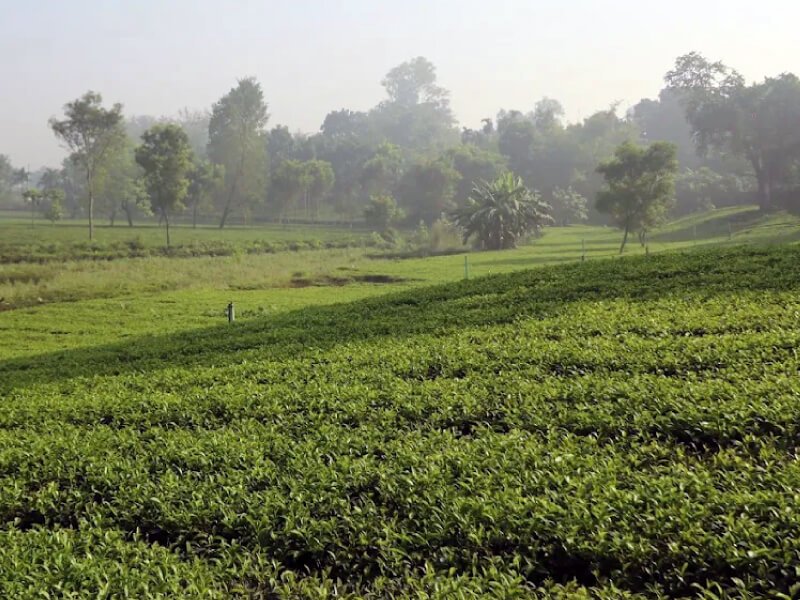
Thakurgaon’s tea story is an emerging district landscape, not a single confirmed public attraction called “Thakurgaon Tea Estate.” Small and developing plots show how northern growers are testing tea beyond the established Panchagarh belt. Visitors need an agricultural contact because field locations, harvest activity and access can change from one season to the next. The secret behind this remarkable success lies in the rich, sandy loam earth and natural alluvial soil that cover the flat plains. Because the ground holds plenty of essential nutrients and drains smoothly after heavy rain showers, the tea plants grow thick, robust, and resilient all year round. Without natural mountain ranges to act as a protective barrier, local farmers strategically plant rows of betel nut, neem, and local fruit trees along the outer edges of their fields.
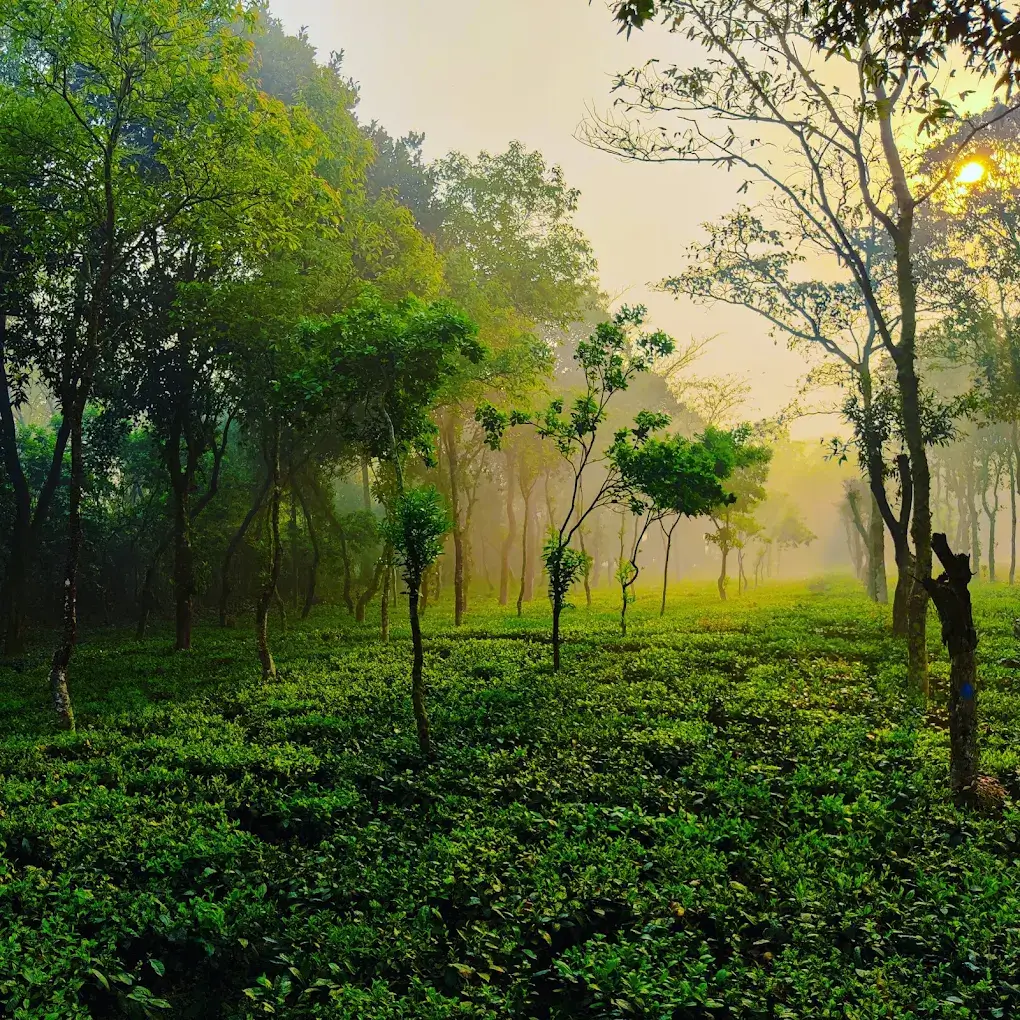
These leafy green borders serve as gentle windbreaks against seasonal breezes while casting cooling patches of shade during the warm afternoon hours. When morning sunlight streams across the level fields, the knee-high plants glow with a bright emerald hue, forming neat geometric patterns across the valley floor. What truly gives this area its special warmth is the inspiring way everyday families have taken ownership of the harvest. Instead of relying purely on massive corporate properties, local villagers have transformed their own backyard plots and small farm borders into thriving, self-managed mini-gardens. During active plucking periods, dedicated family members step into their fields together to carefully handpick the fresh top flushes of two leaves and a bud.
Women play a leading role in this daily routine, moving skillfully down the flat rows with clean woven baskets resting securely on their shoulders. This collaborative spirit has breathed new economic vitality into rural neighborhoods, allowing neighbors to share farming advice, celebrate their yields, and build a sustainable livelihood right at home. Once gathered from the fields, the tender green leaves make a quick journey to regional processing centers, where traditional methods of withering, rolling, and firing turn them into aromatic black tea.
Immersive Experience
No 360° Videos available
Destination Gallery
Tetulia Tea Estate
Flat green tea fields meet the far northern sky—and, on rare clear mornings, Kanchenjunga.
Explore More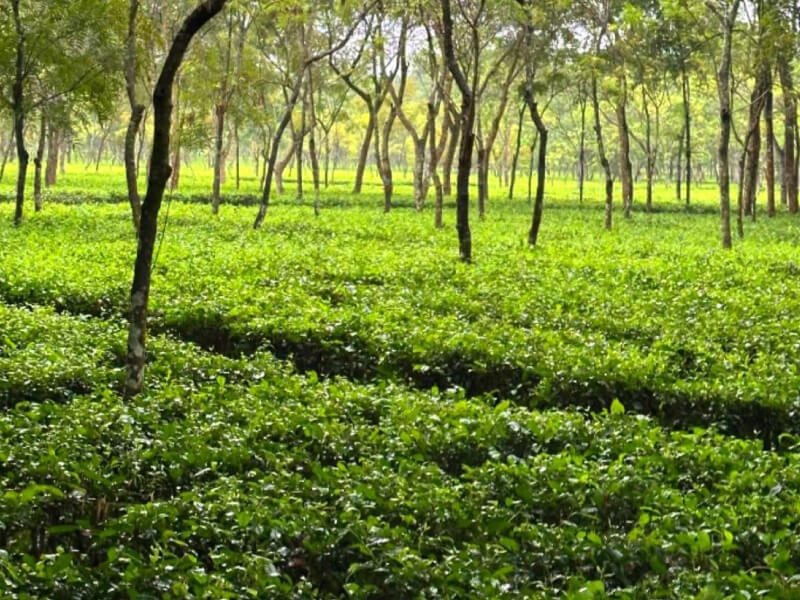
Shalbahan Flatland Tea Gardens
Village farms and tea plots form an emerald mosaic across the northern plain.
Explore More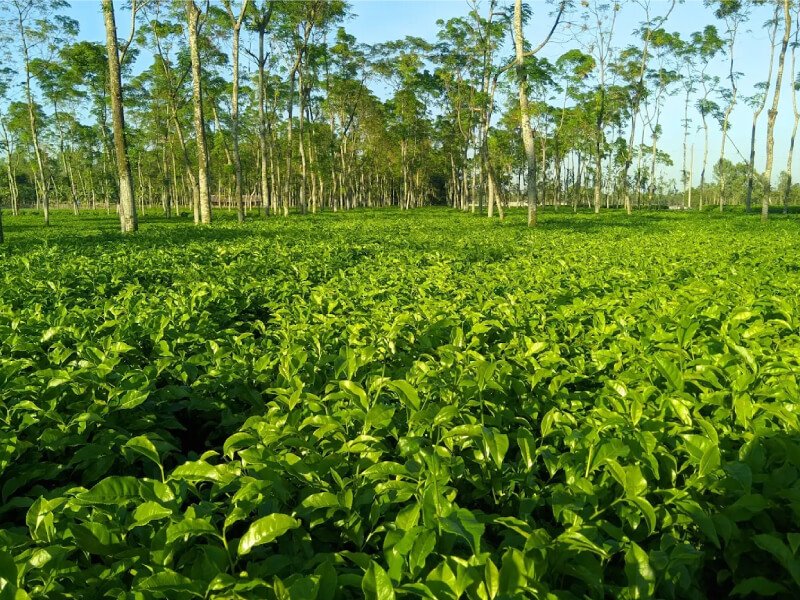
Nilphamari Smallholder Tea Gardens
Young tea plots signal a new agricultural chapter across Nilphamari’s open plains.
Explore More