

Tetulia Tea Estate
Flat green tea fields meet the far northern sky—and, on rare clear mornings, Kanchenjunga.
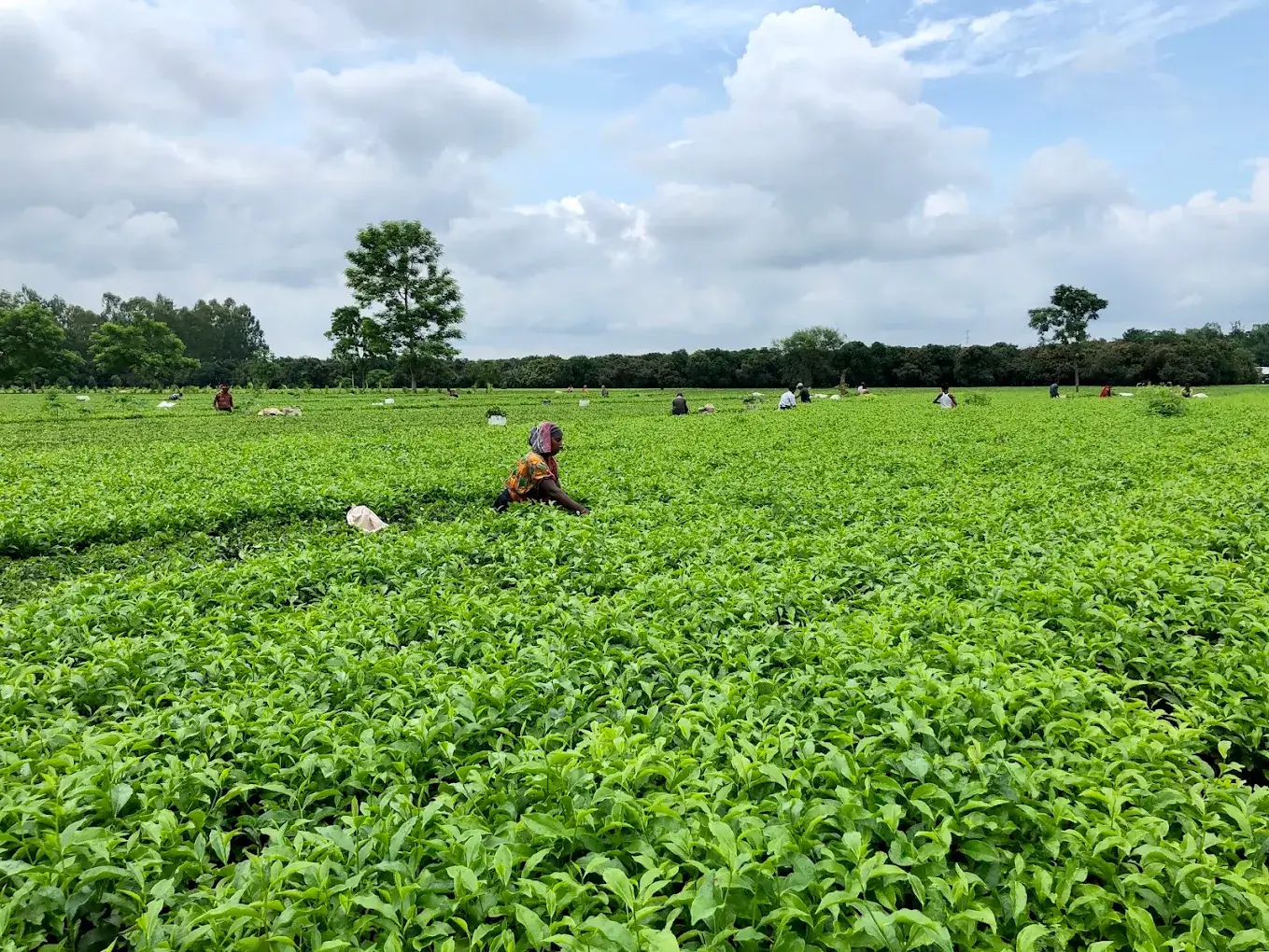
Leave the main road behind and enter the tea country of Tetulia—with permission, curiosity and time to explore.
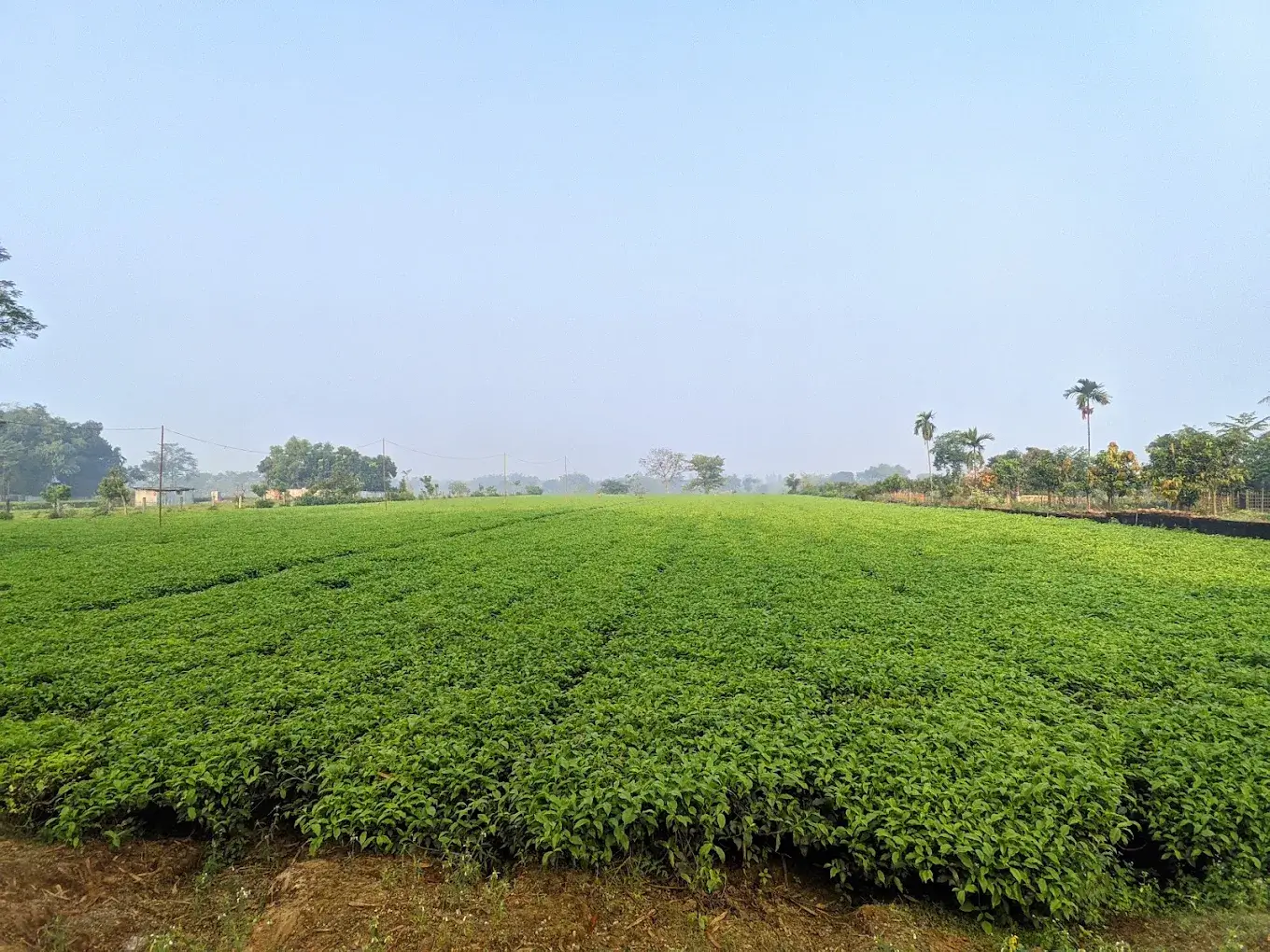
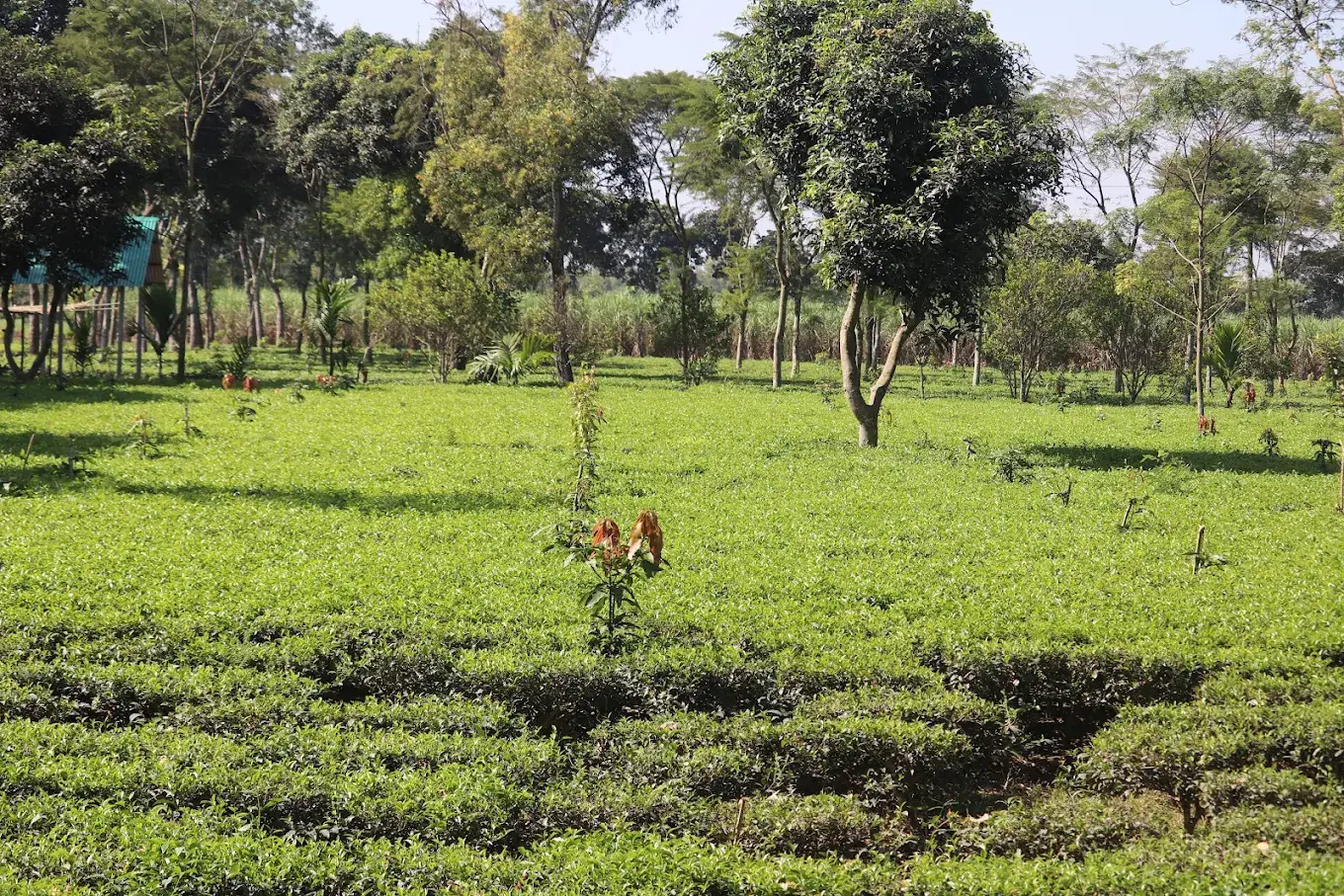
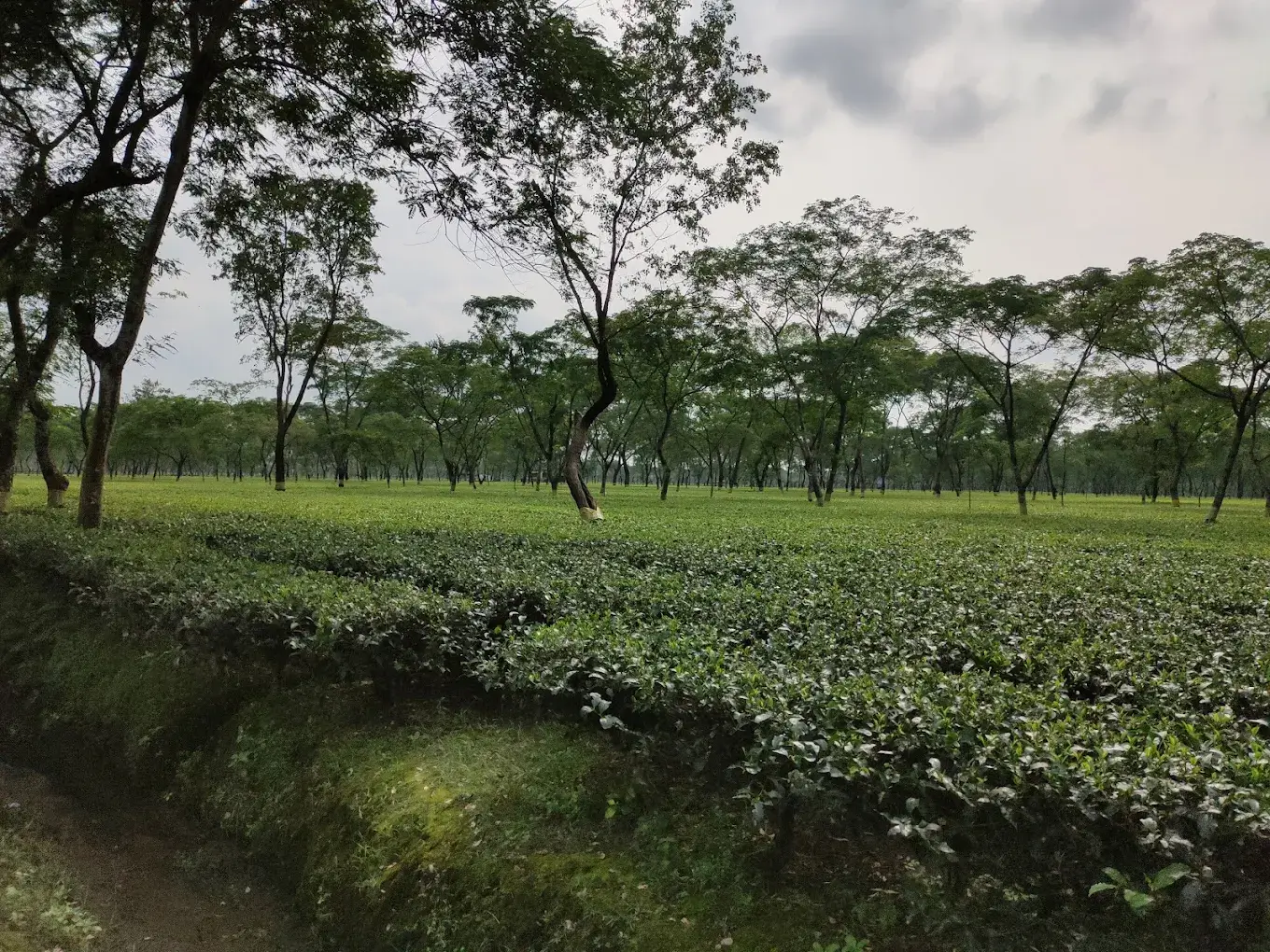
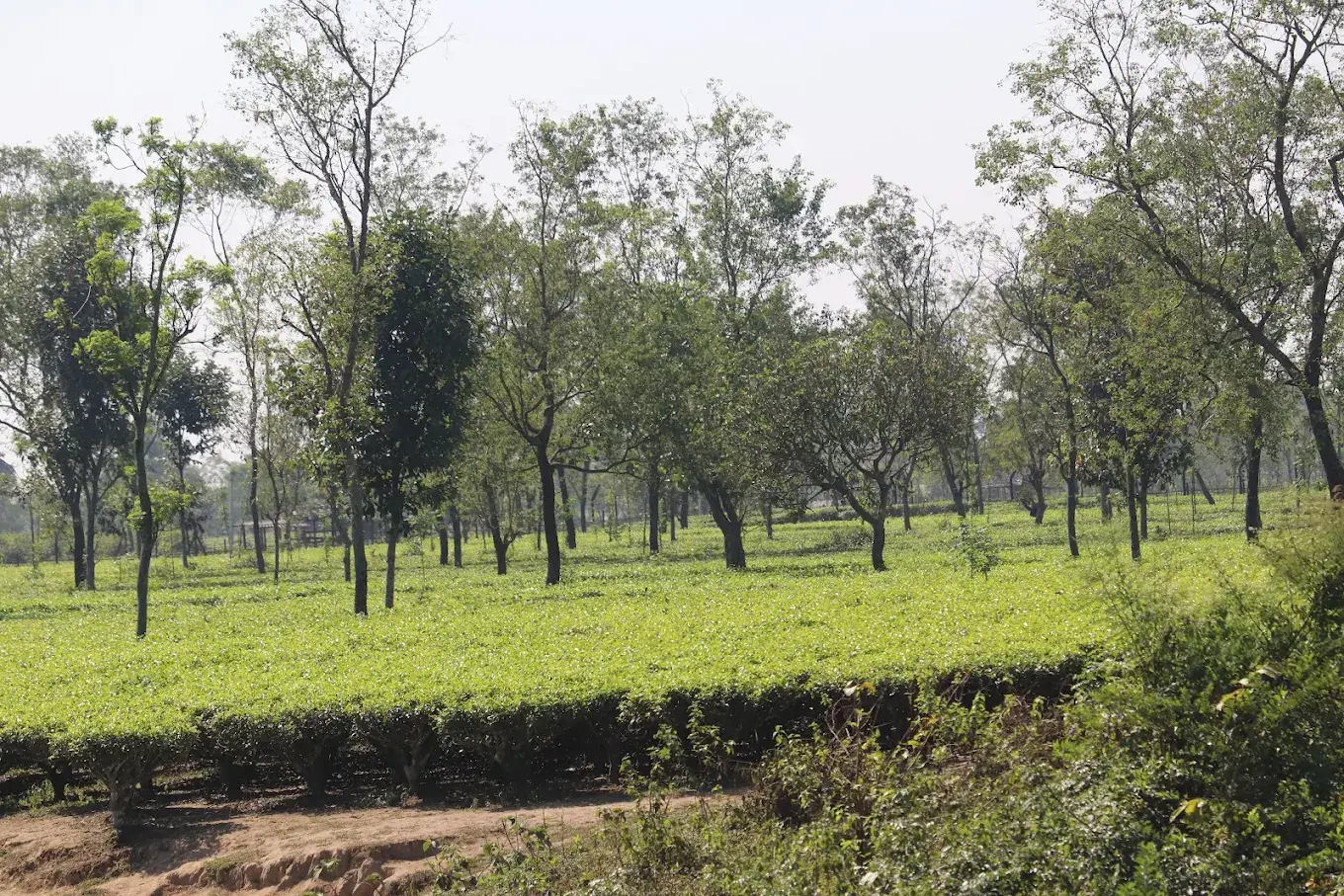
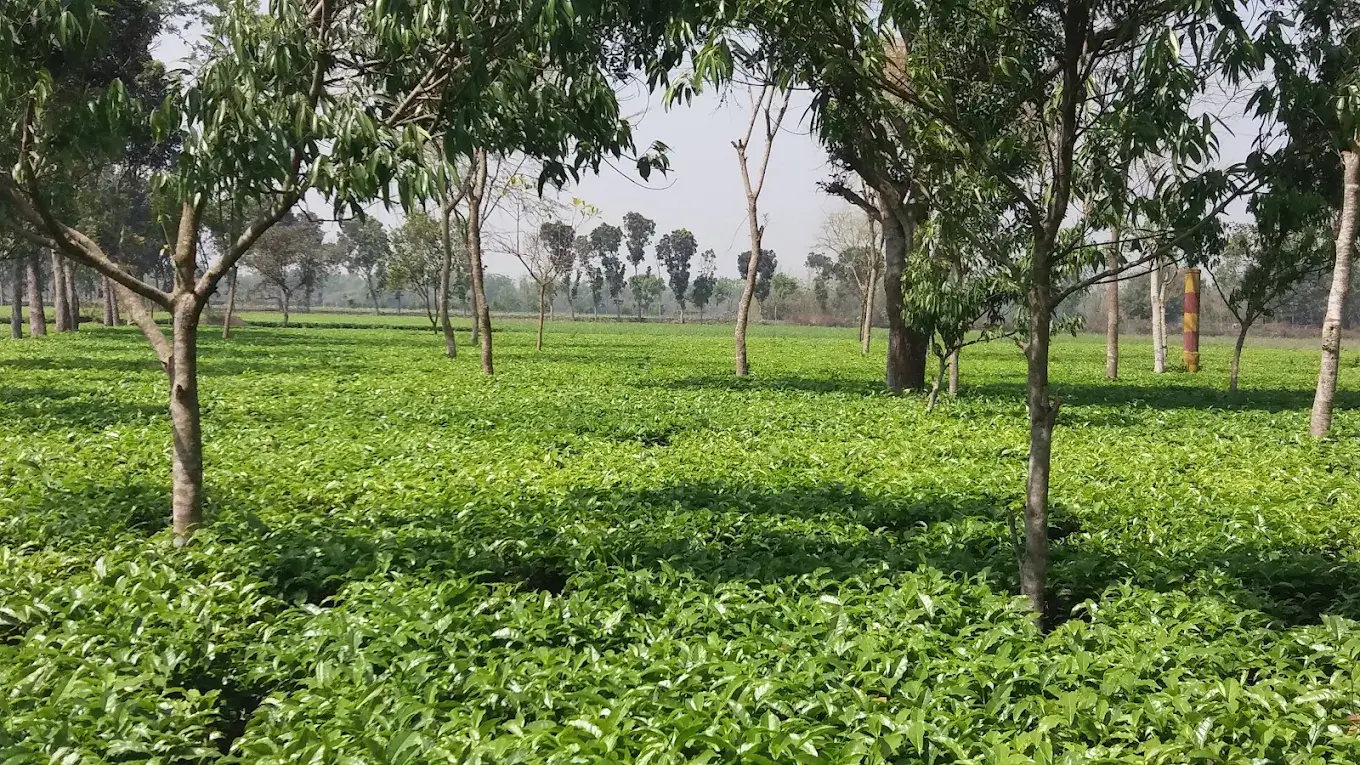
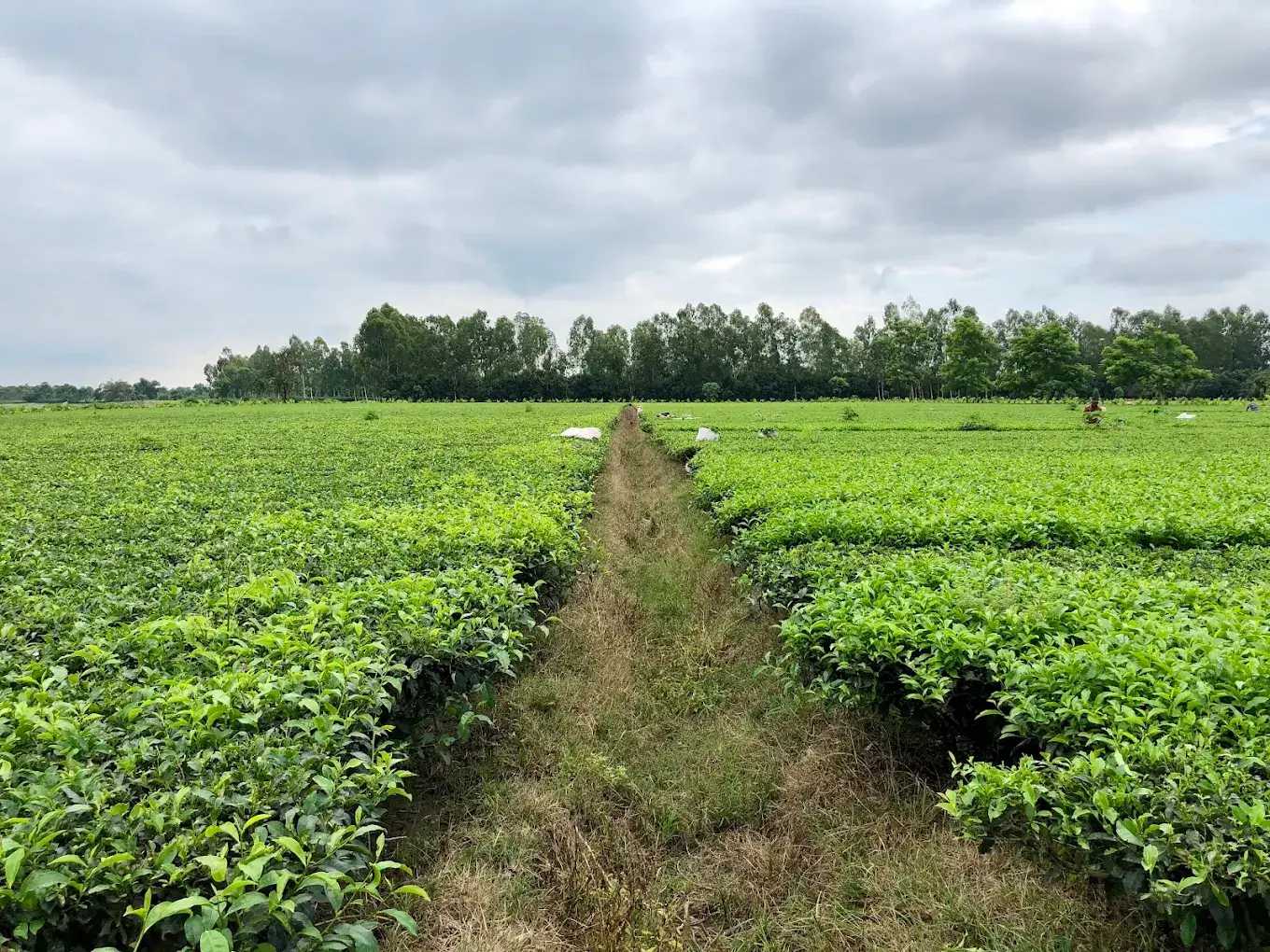
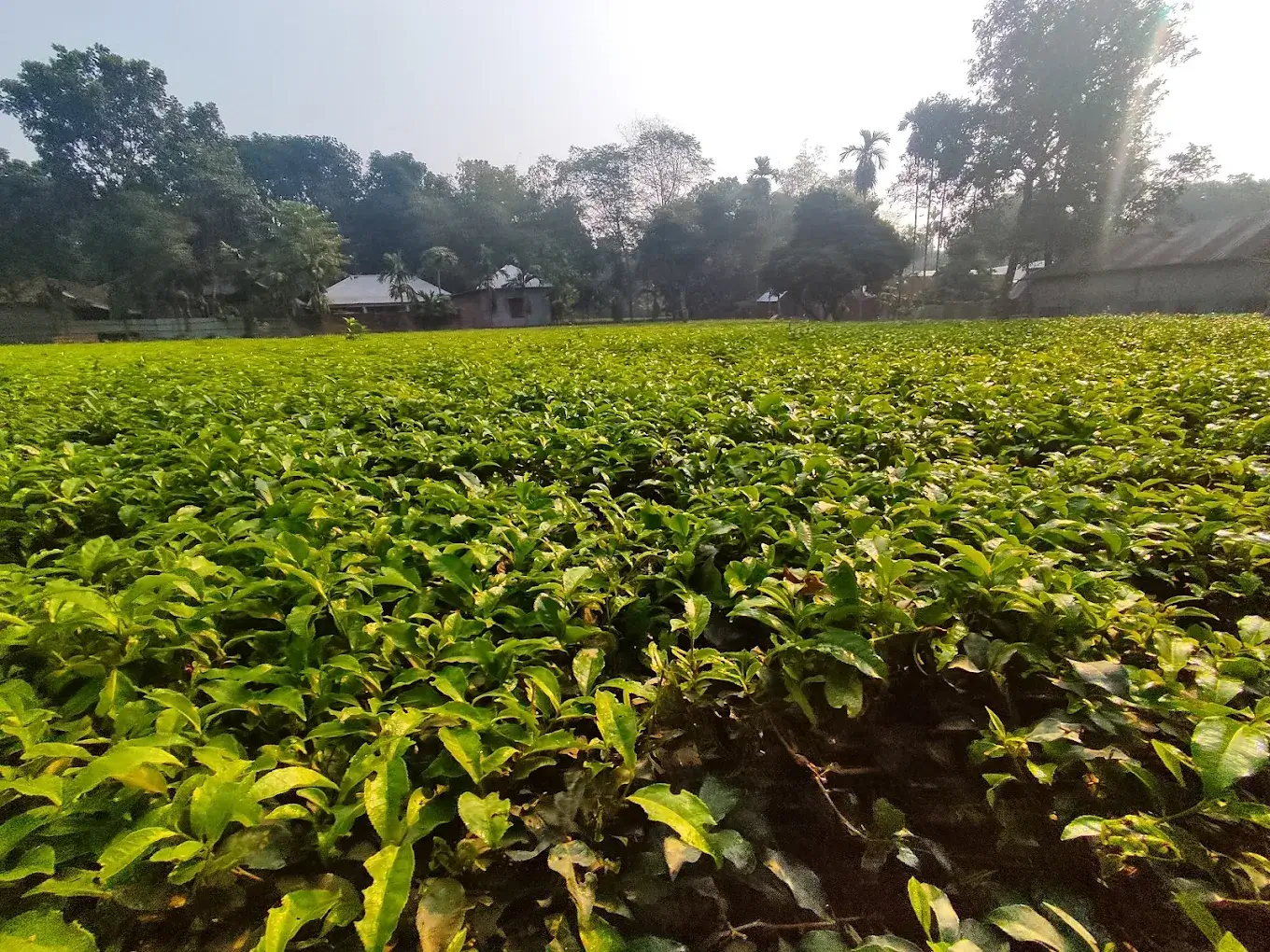
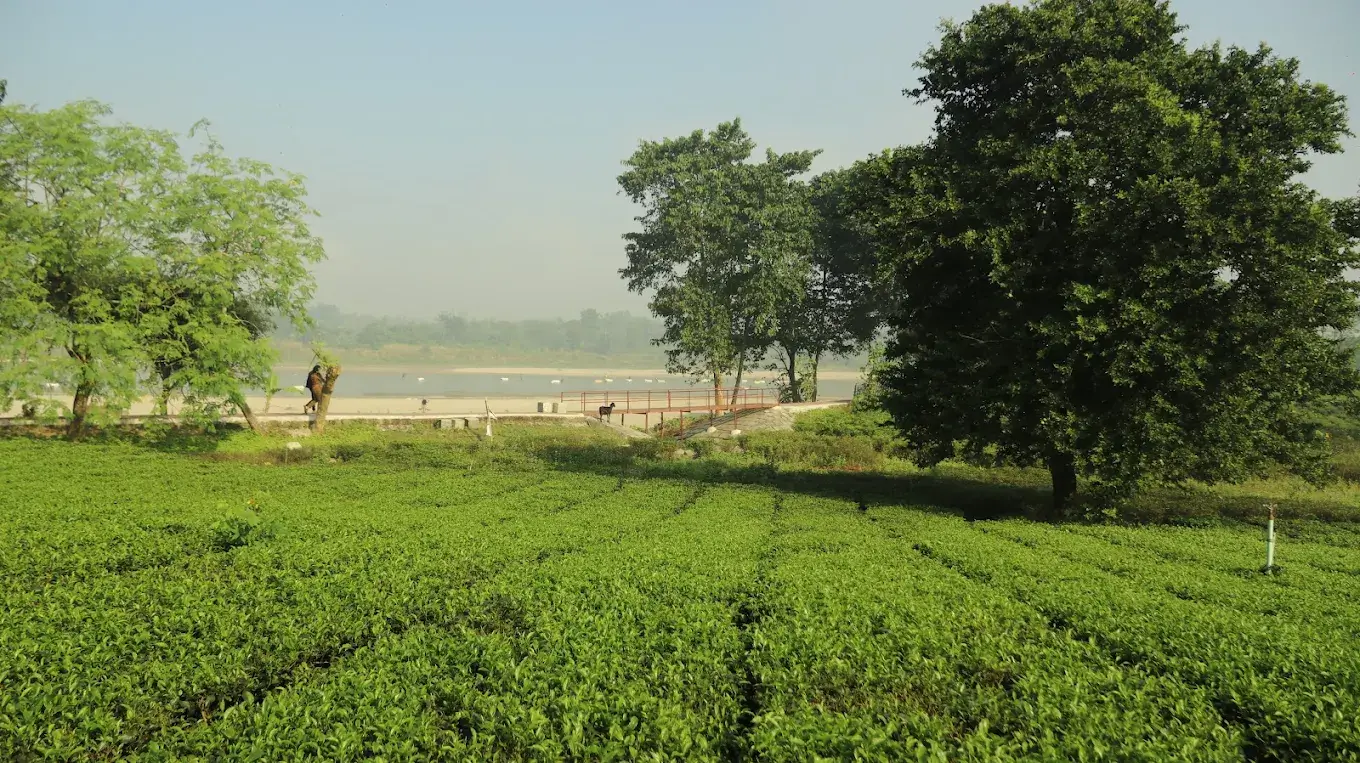
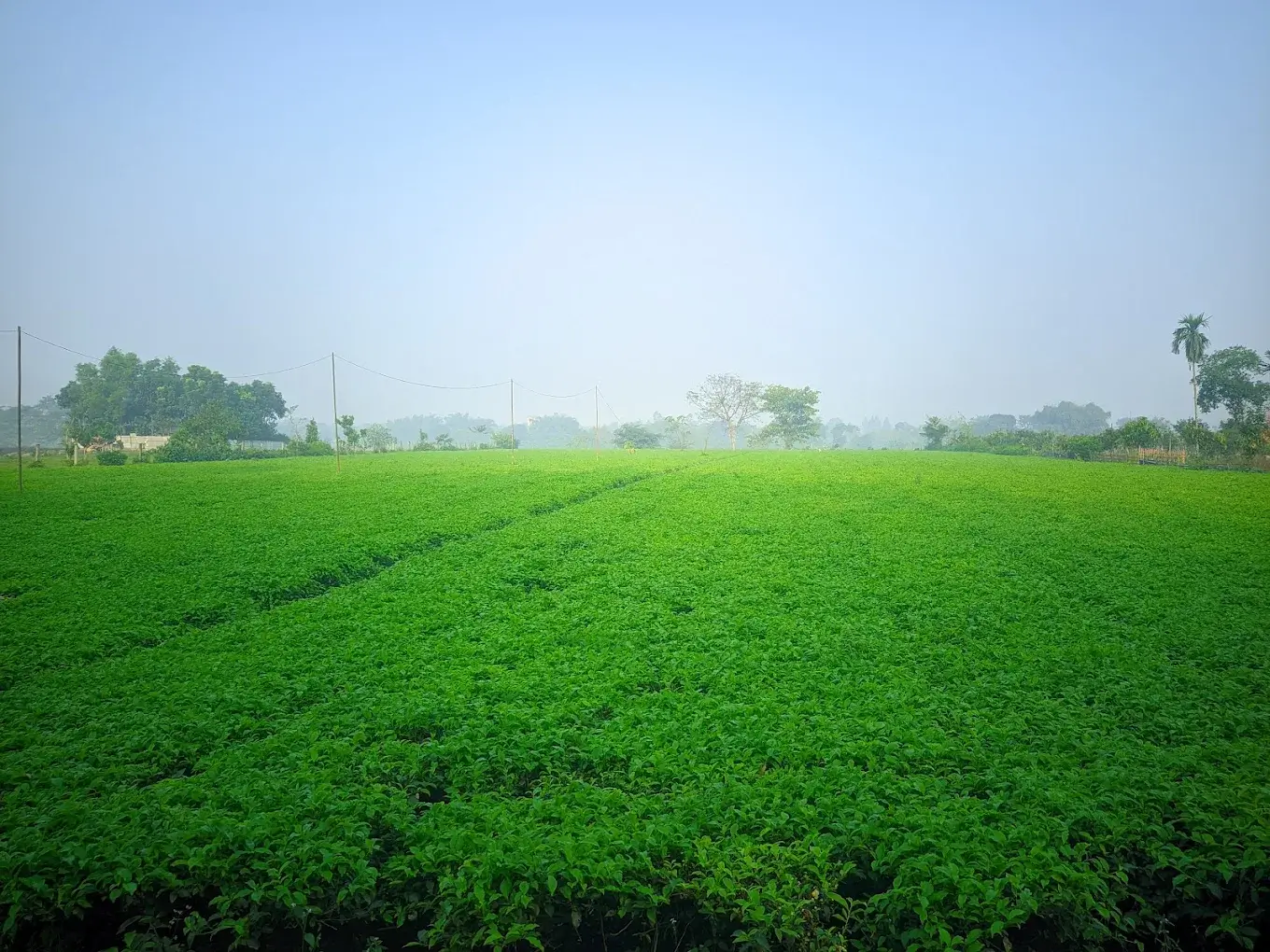
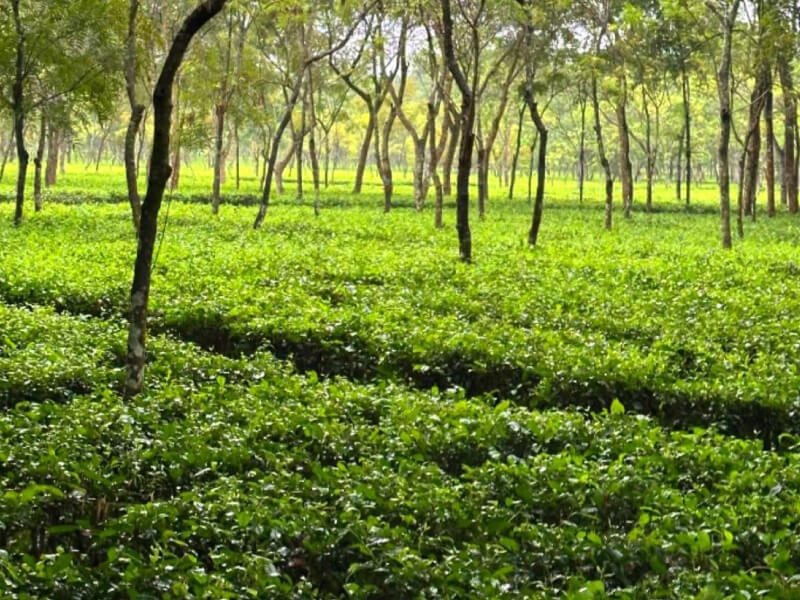
Tetulia transformed Bangladesh’s image of tea by proving that commercial cultivation could thrive on the northern plains. The landscape is not one single public “Tetulia Tea Estate”; it is a network of estates and smallholder plots, including the well-known Kazi & Kazi operation. On exceptionally clear autumn mornings, Kanchenjunga may appear on the northern horizon, but the view is never guaranteed. The physical environment of Panchagarh offers a refreshing departure from standard tea landscapes. The soil is rich with acidic, alluvial deposits washed down from mountain rivers, creating an ideal nursery for robust, aromatic bushes. Because the land is completely flat, the fields look like geometric green carpets framed by rows of neem, betel nut, and medicinal trees that serve as natural windbreaks against cold northern winds.
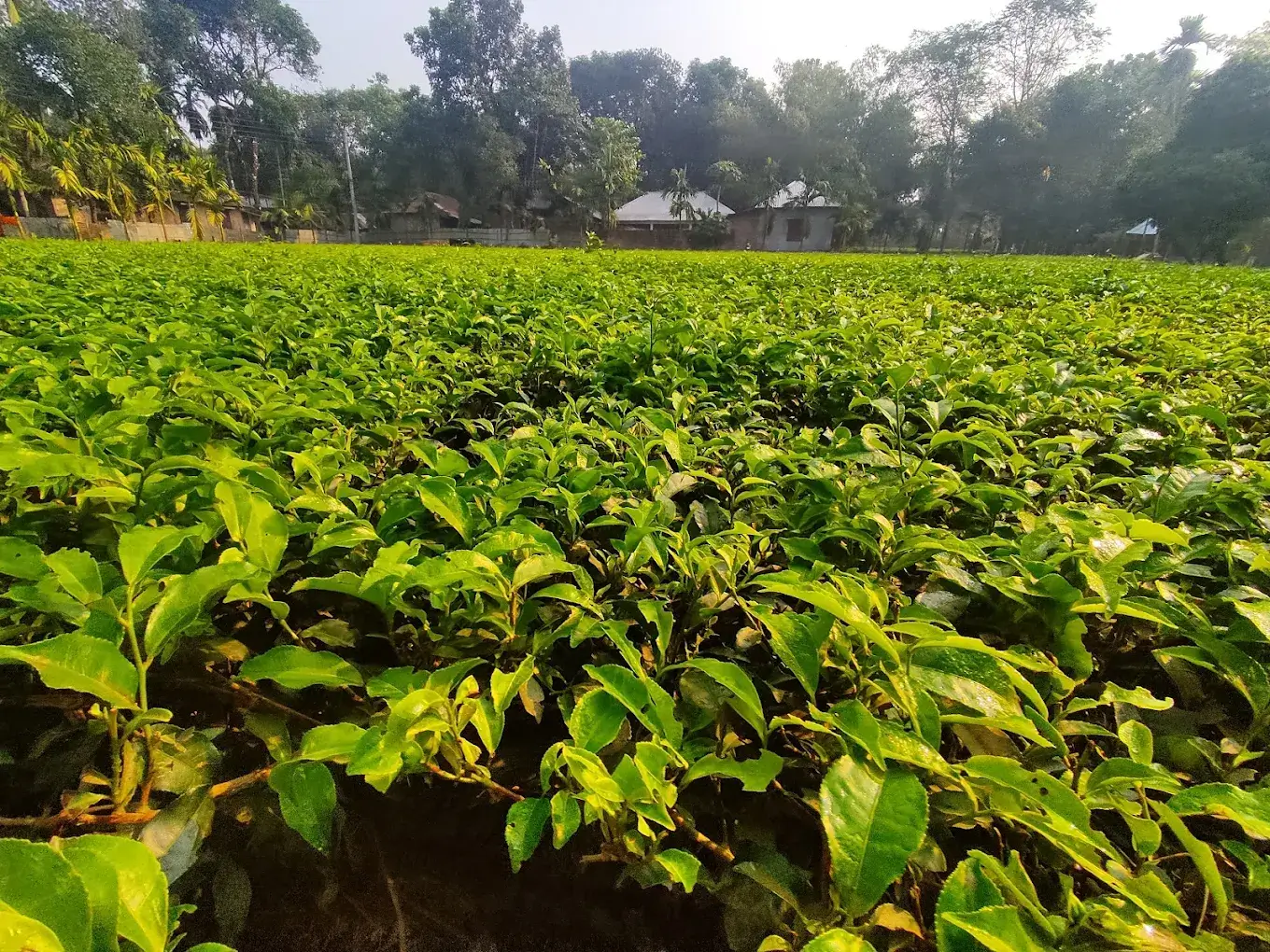
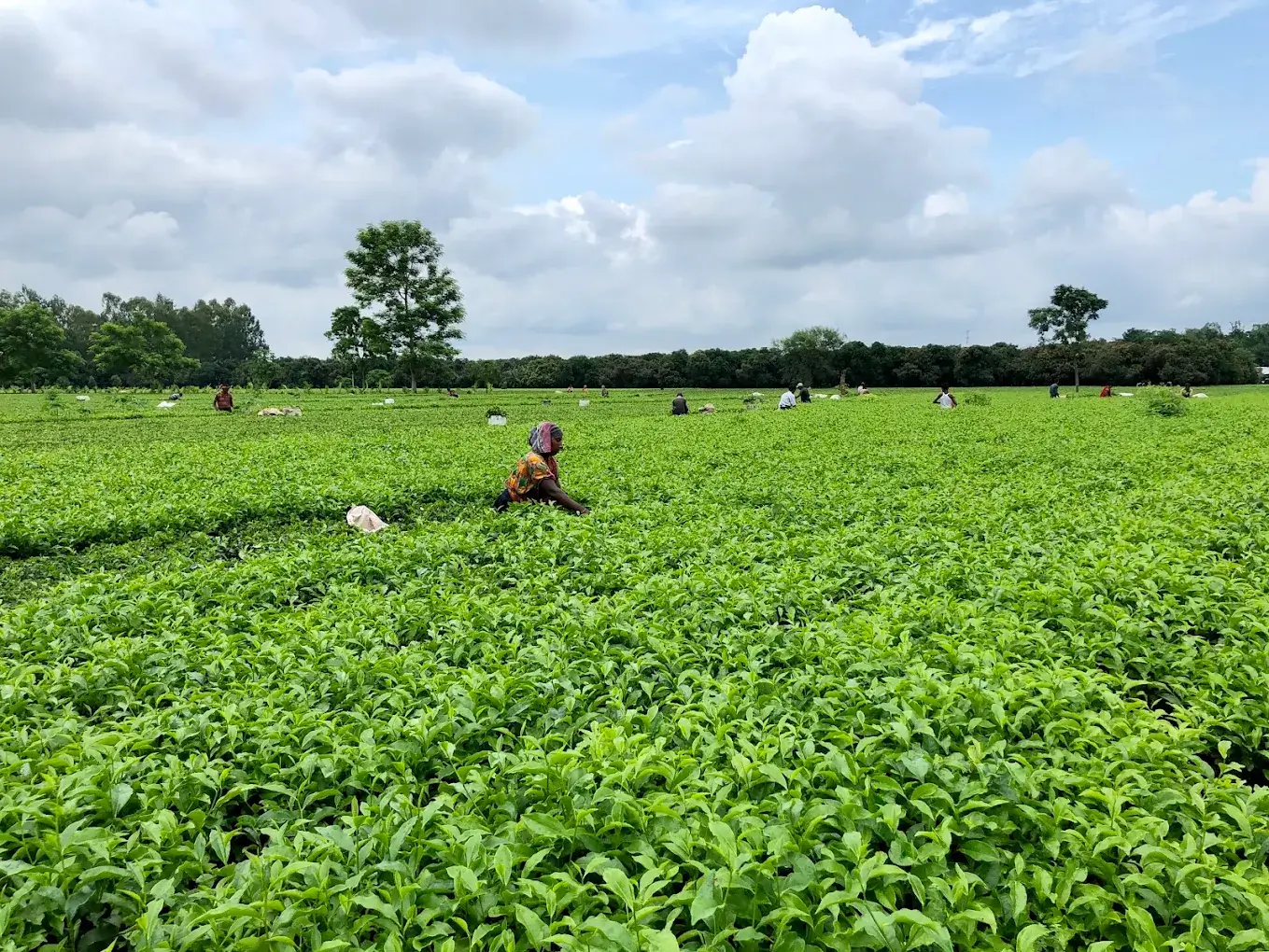
What truly distinguishes this region on the global map is its fierce commitment to organic practices. Pioneered by estates like Kazi & Kazi Tea, the cultivation here completely avoids synthetic pesticides and chemical fertilizers. Farmers rely instead on natural herbal compost, cow dung, and biological pest control, allowing the plants to thrive in deep harmony with local biodiversity and clean earth. At the heart of this agricultural revolution is an inspiring model of community empowerment that has transformed local livelihoods over the last two decades. While traditional estates operate under historically closed plantation structures, Tetulia has championed the rise of independent smallholder farmers. Every morning, these independent growers harvest their own tender two leaves and a bud, bringing their daily yield to central collection hubs for processing.
This cooperative approach has not only created sustainable income for rural households but has also instilled a deep sense of ownership, independence, and pride across the community. Taking a sip of tea from this northern frontier offers a clean, bright flavor profile that perfectly reflects its pristine origins. Whether enjoying a delicate cup of organic green tea or a lively, golden black brew, the taste carries the crispness of mountain air and the purity of local growing conditions.
Immersive Experience
No 360° Videos available
Destination Gallery
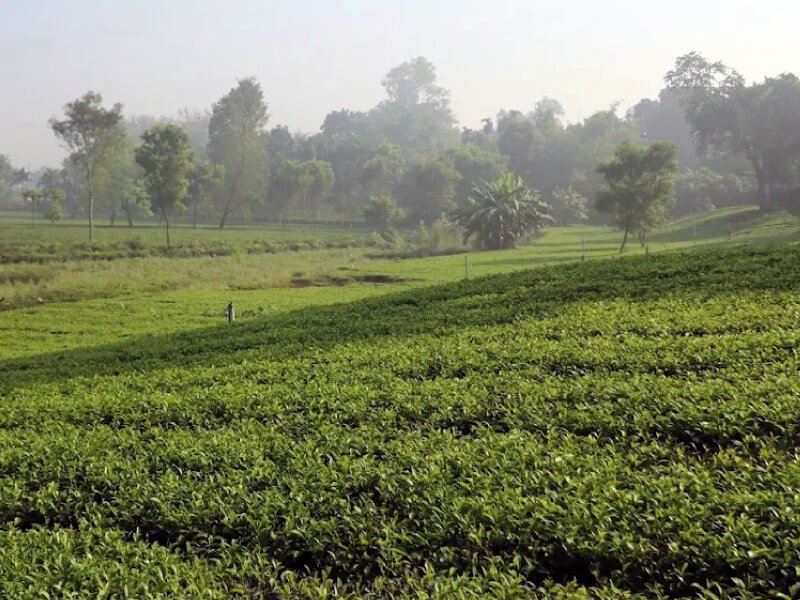
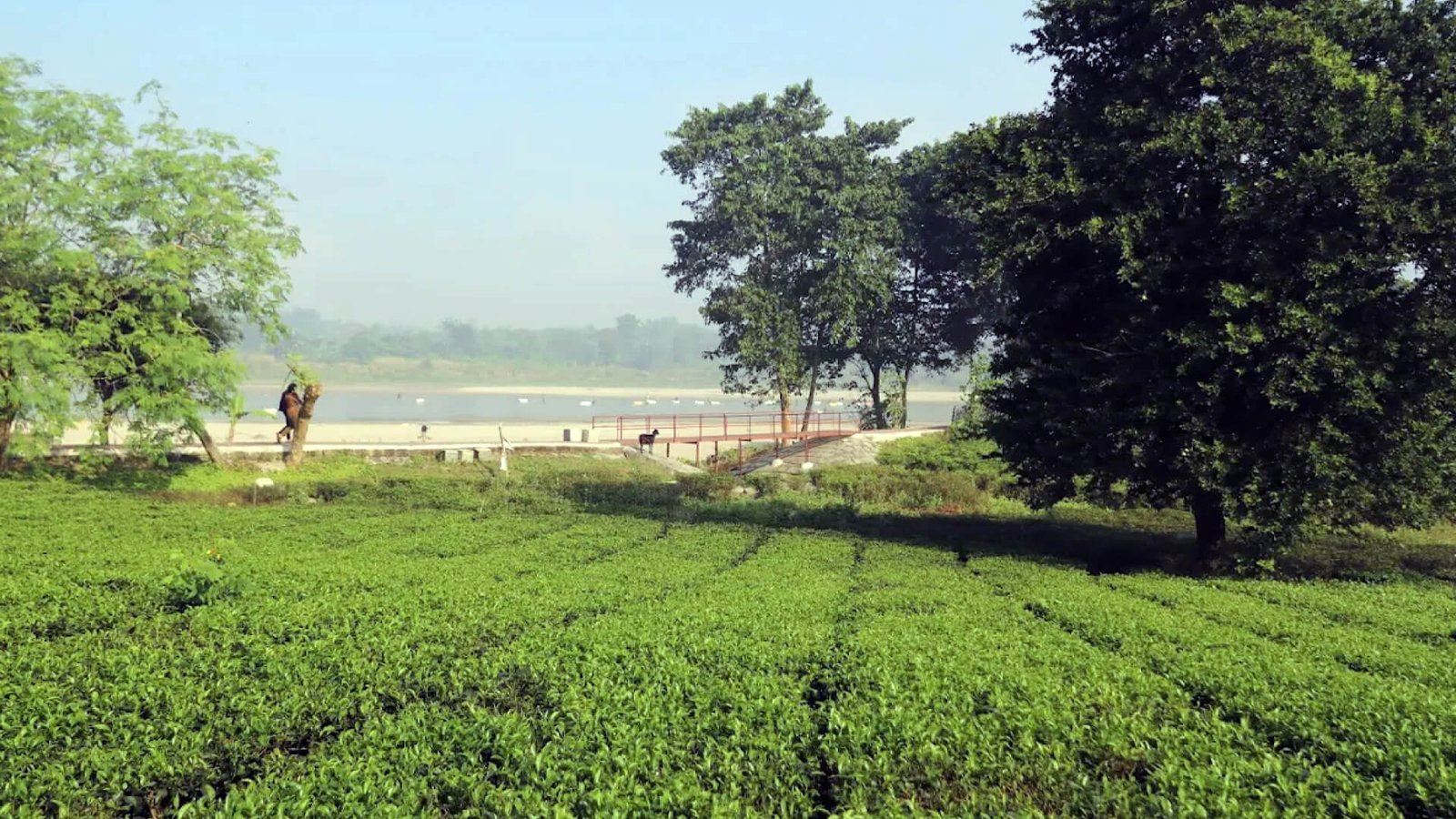
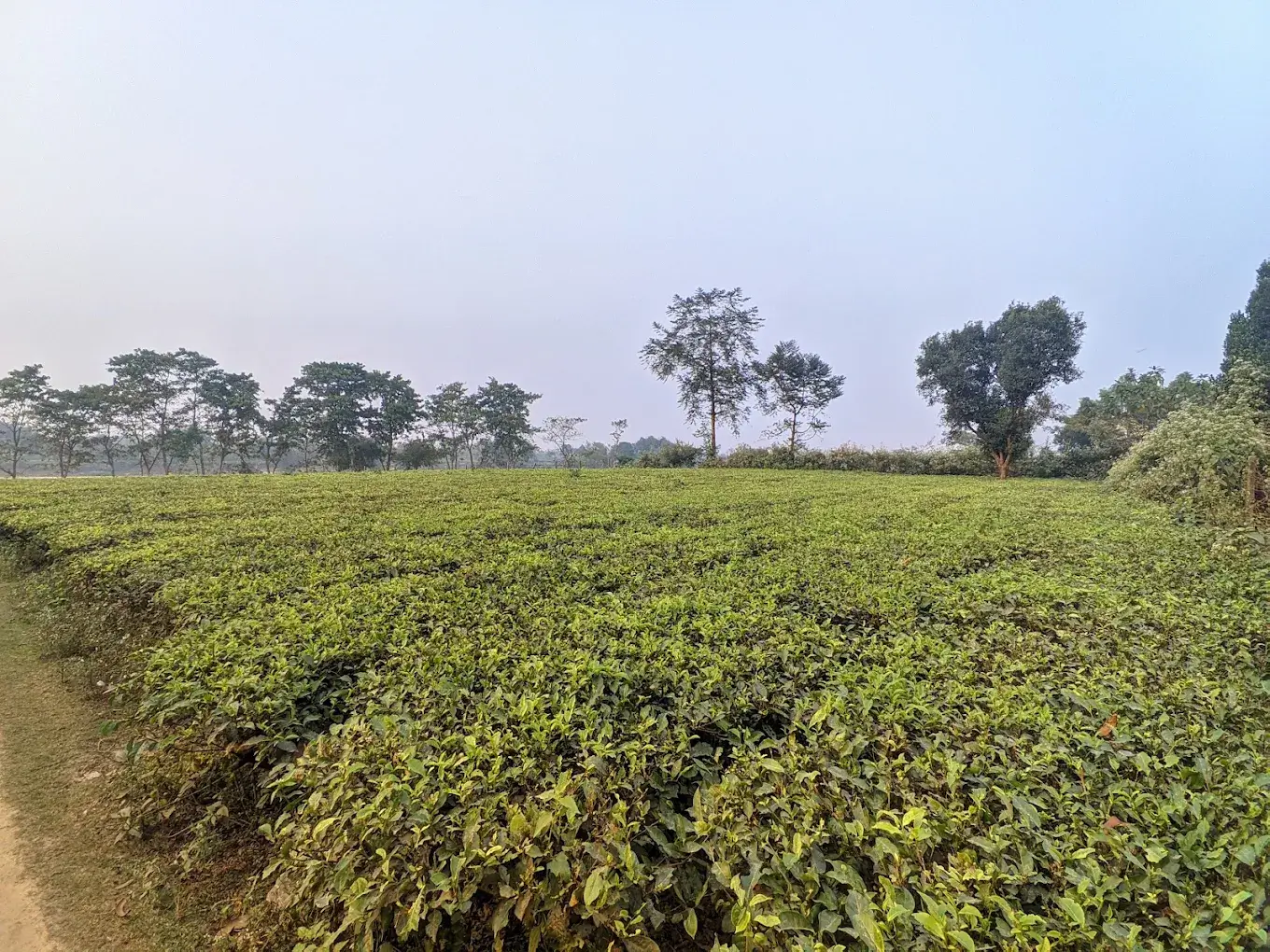
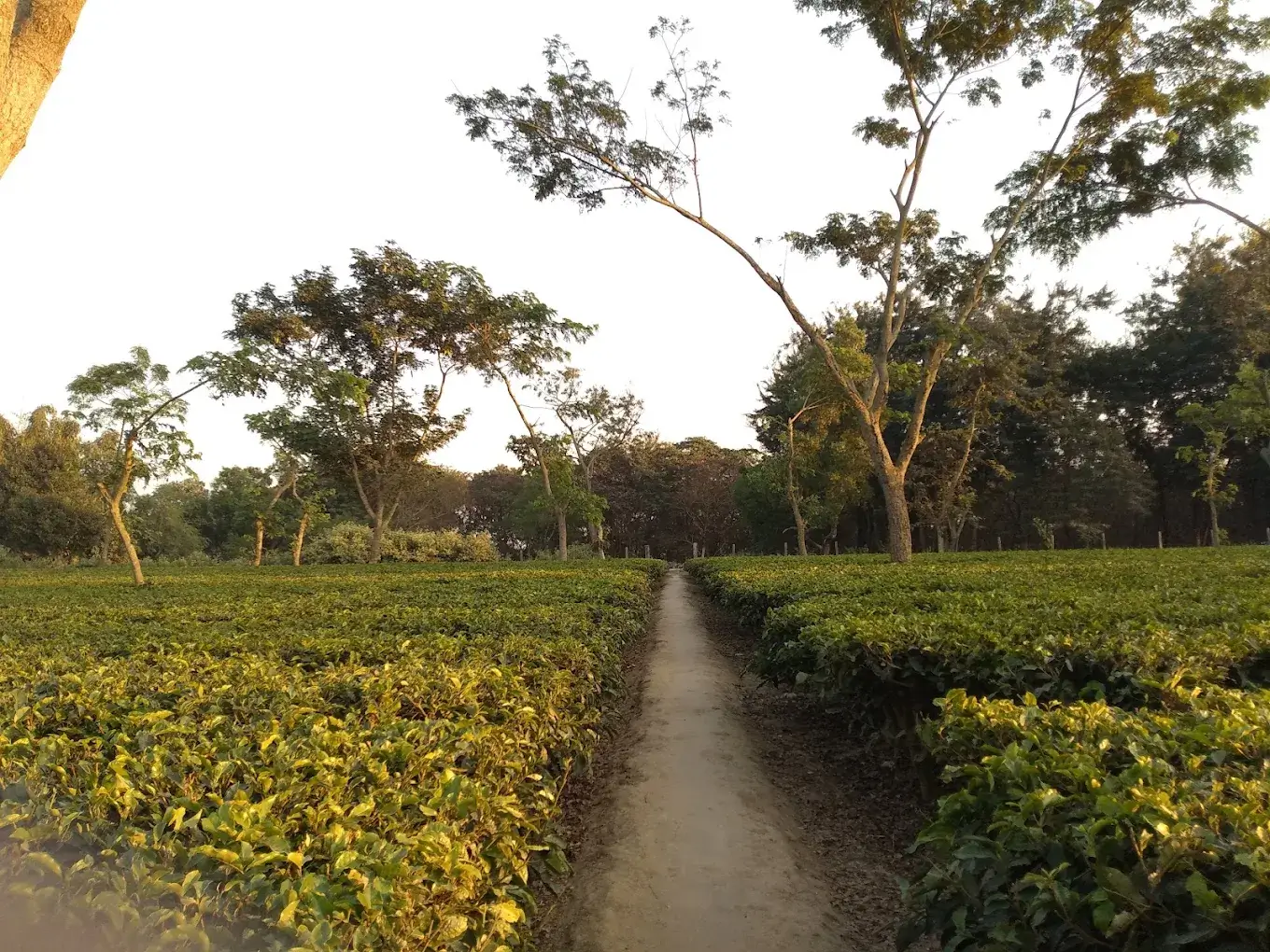
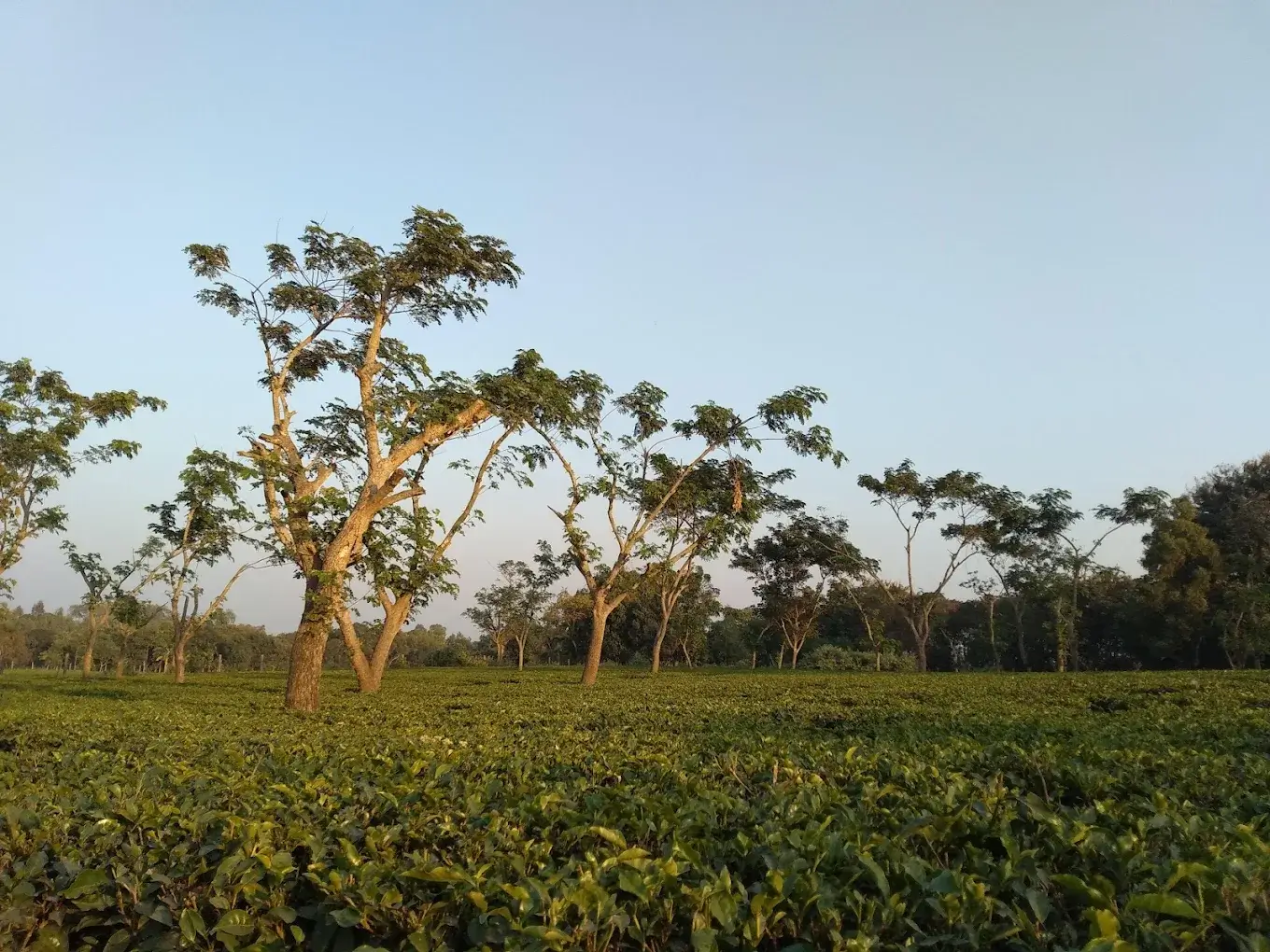
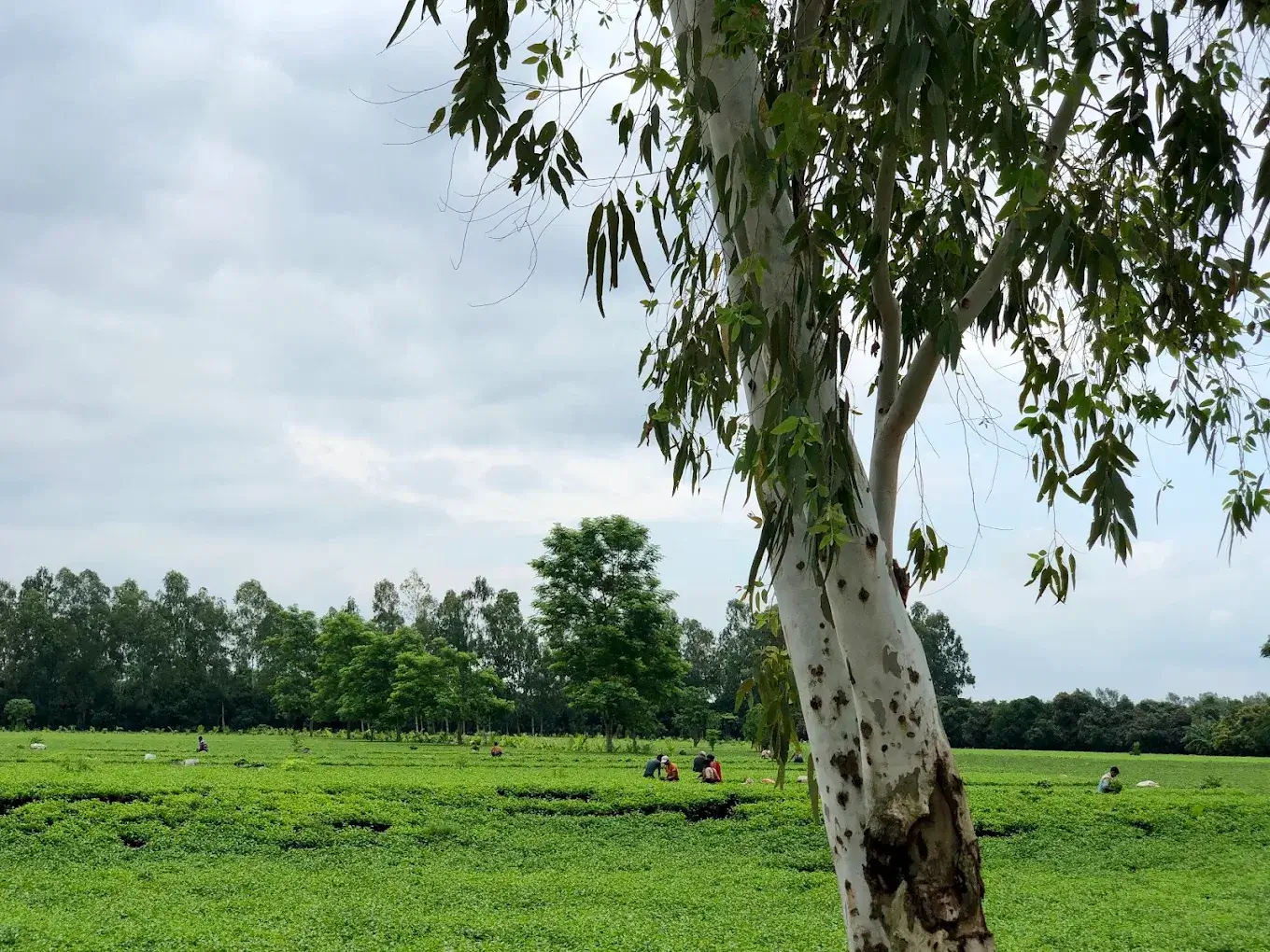
Shalbahan Flatland Tea Gardens
Village farms and tea plots form an emerald mosaic across the northern plain.
Explore More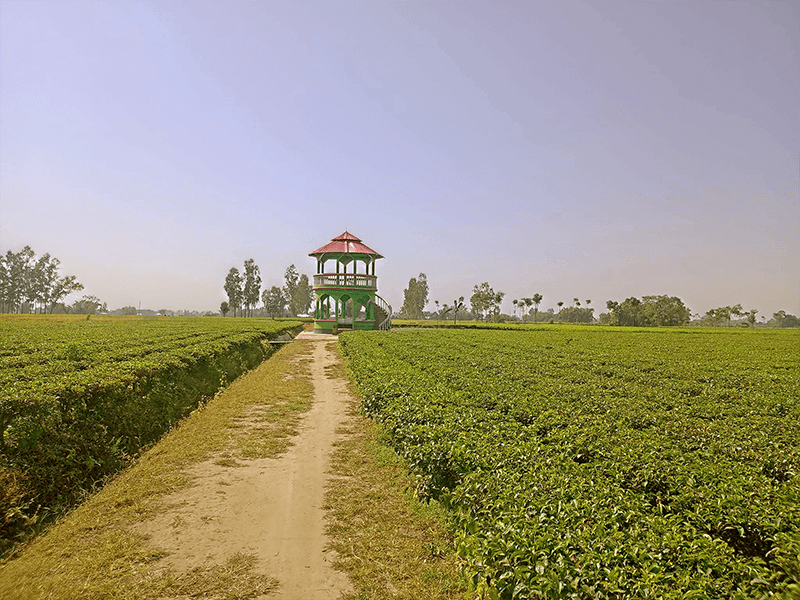
Thakurgaon Tea Estate
A new tea frontier spreads across village fields in northwestern Bangladesh.
Explore More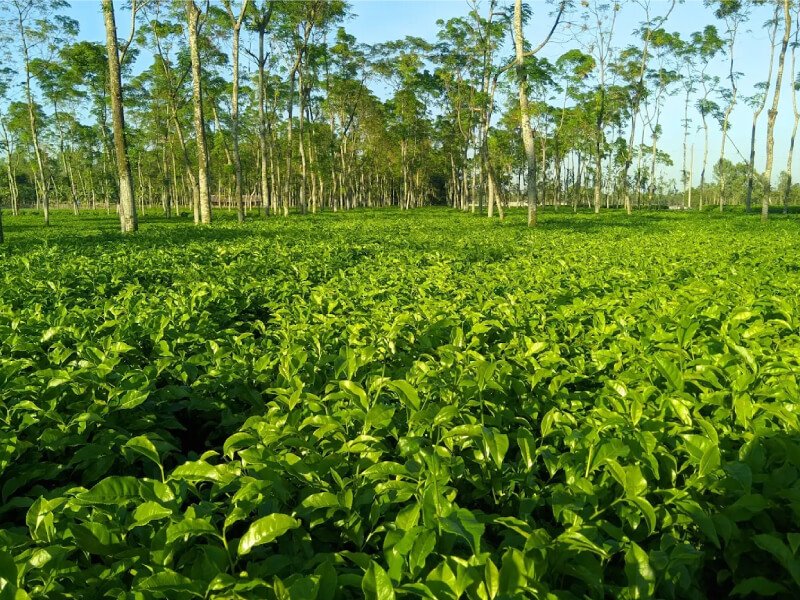
Nilphamari Smallholder Tea Gardens
Young tea plots signal a new agricultural chapter across Nilphamari’s open plains.
Explore More