

Nilphamari Smallholder Tea Gardens
Young tea plots signal a new agricultural chapter across Nilphamari’s open plains.
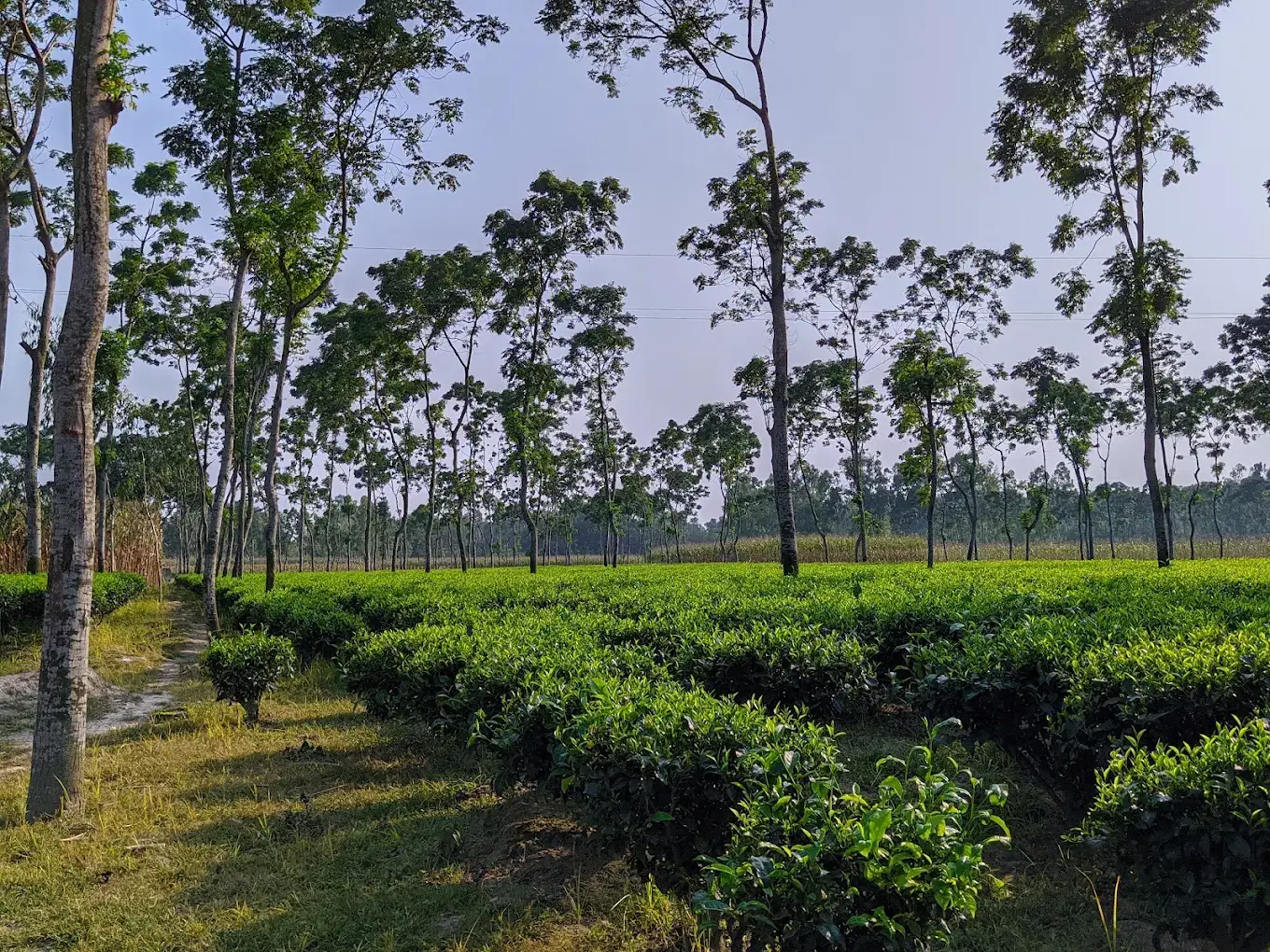
Leave the main road behind and enter the tea country of Nilphamari district—with permission, curiosity and time to explore.
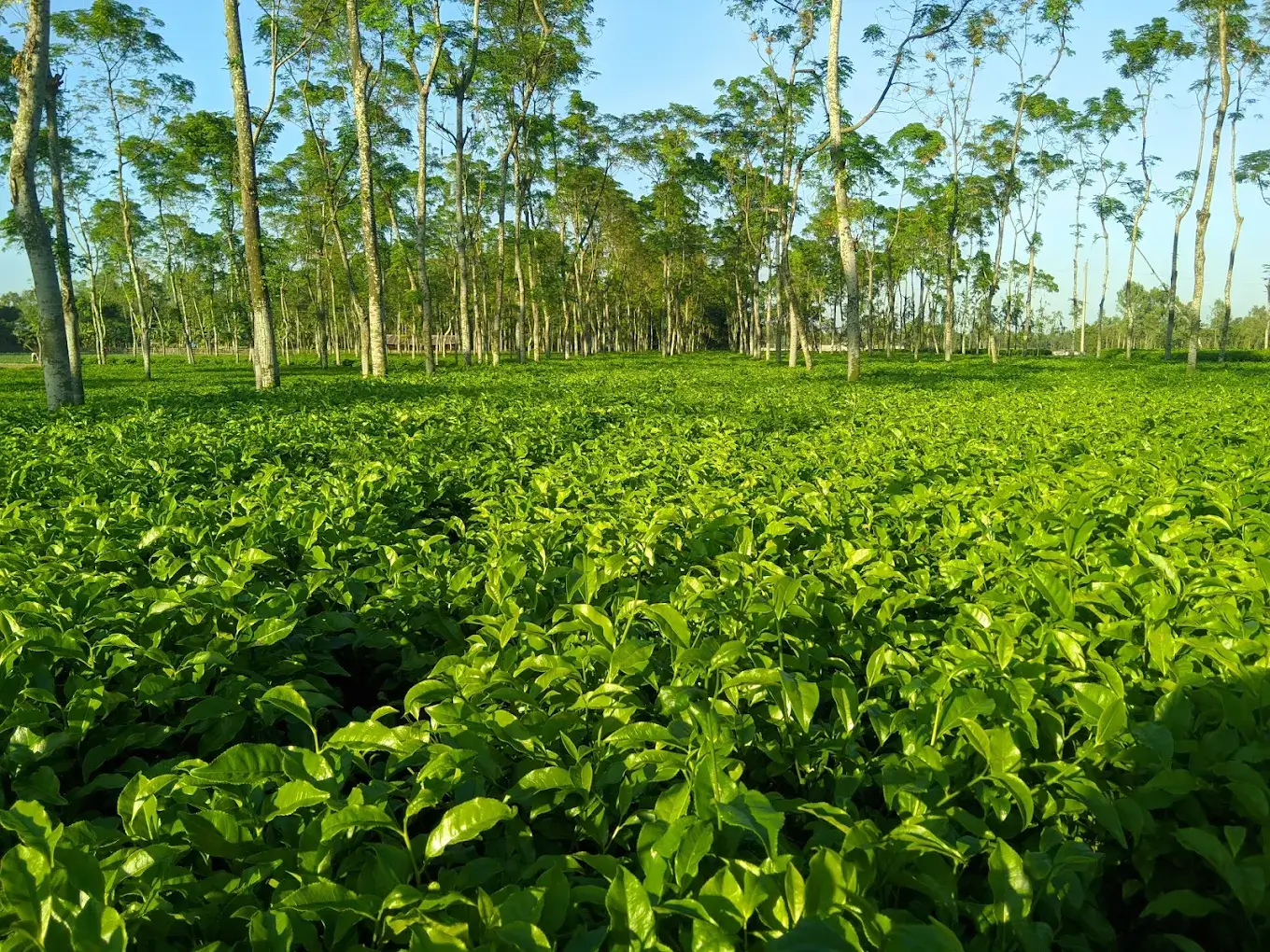
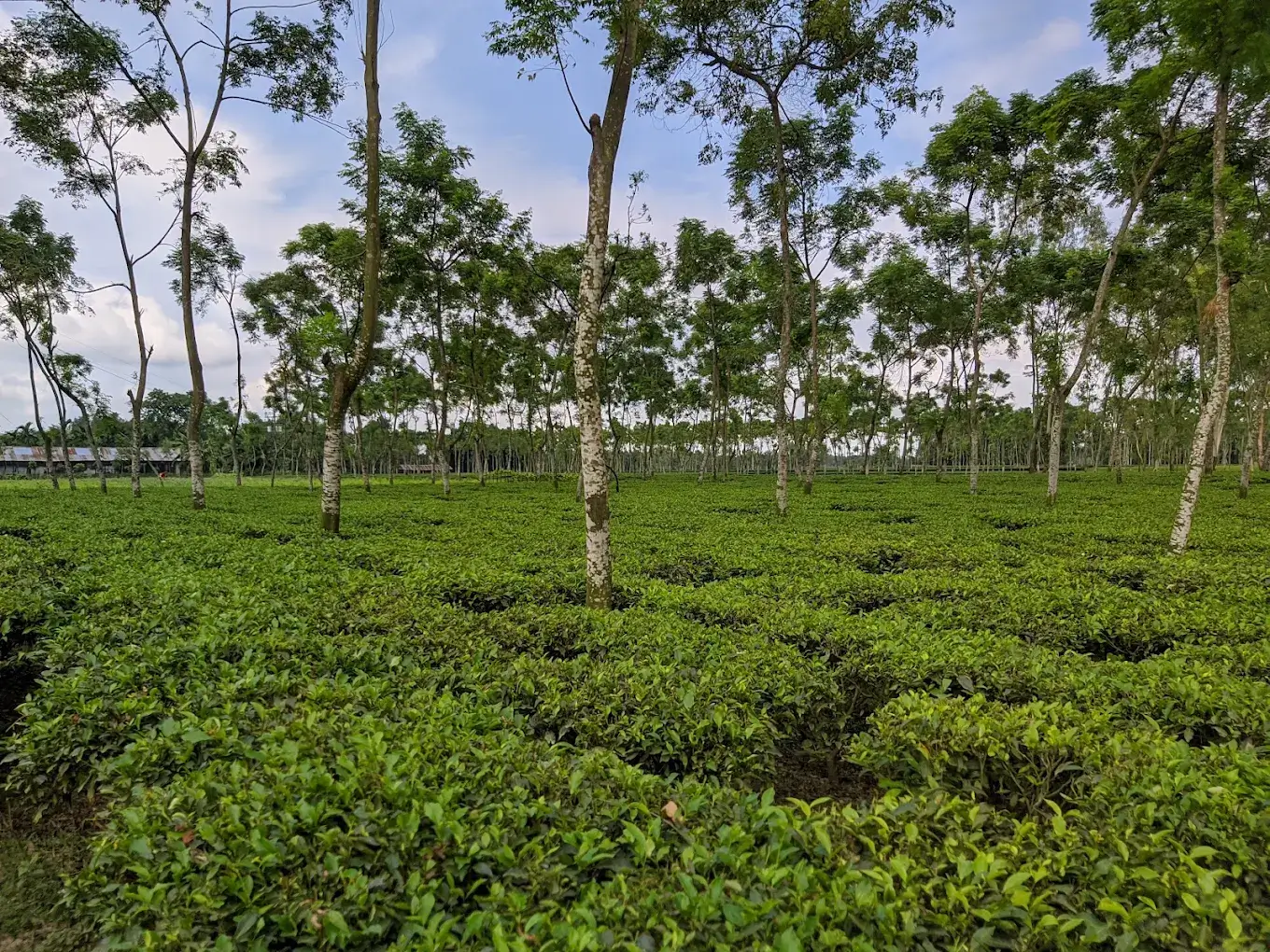
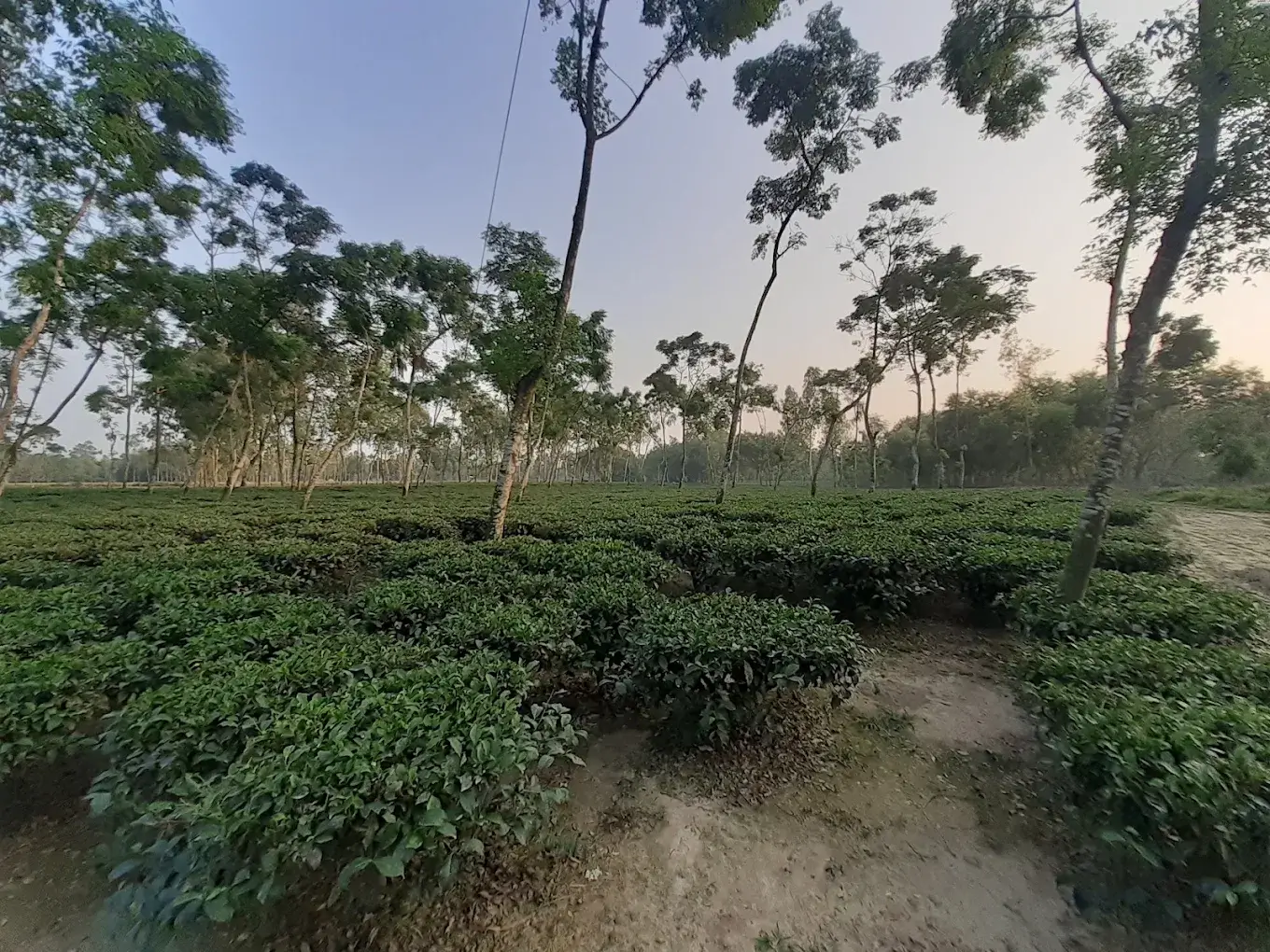
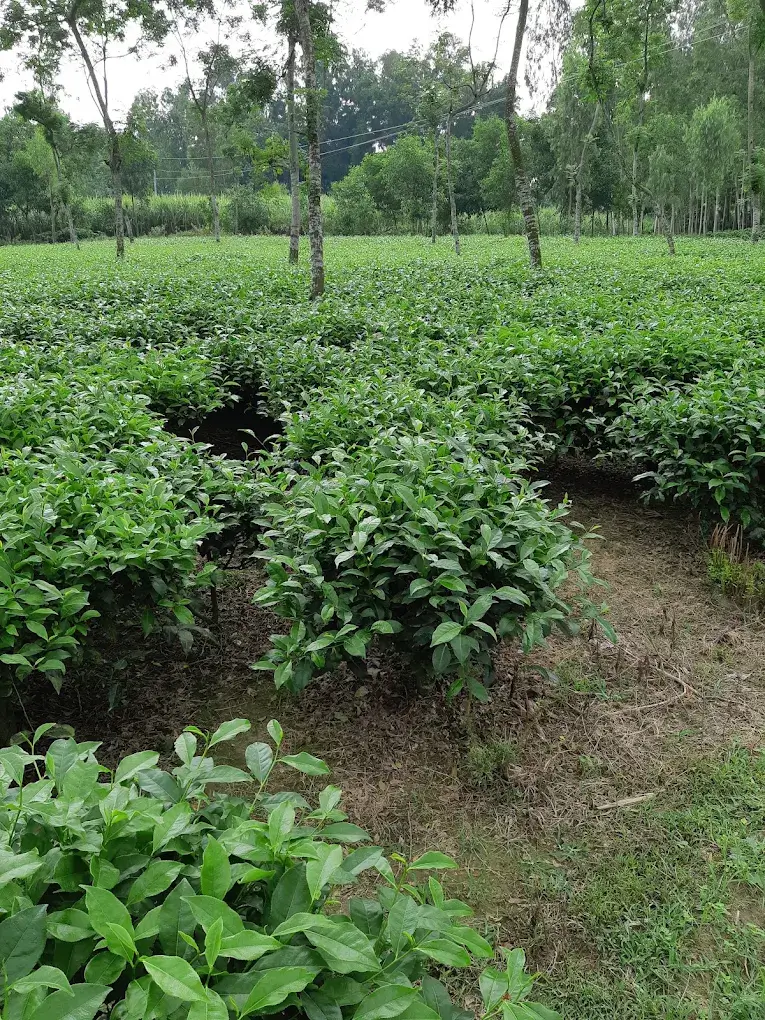
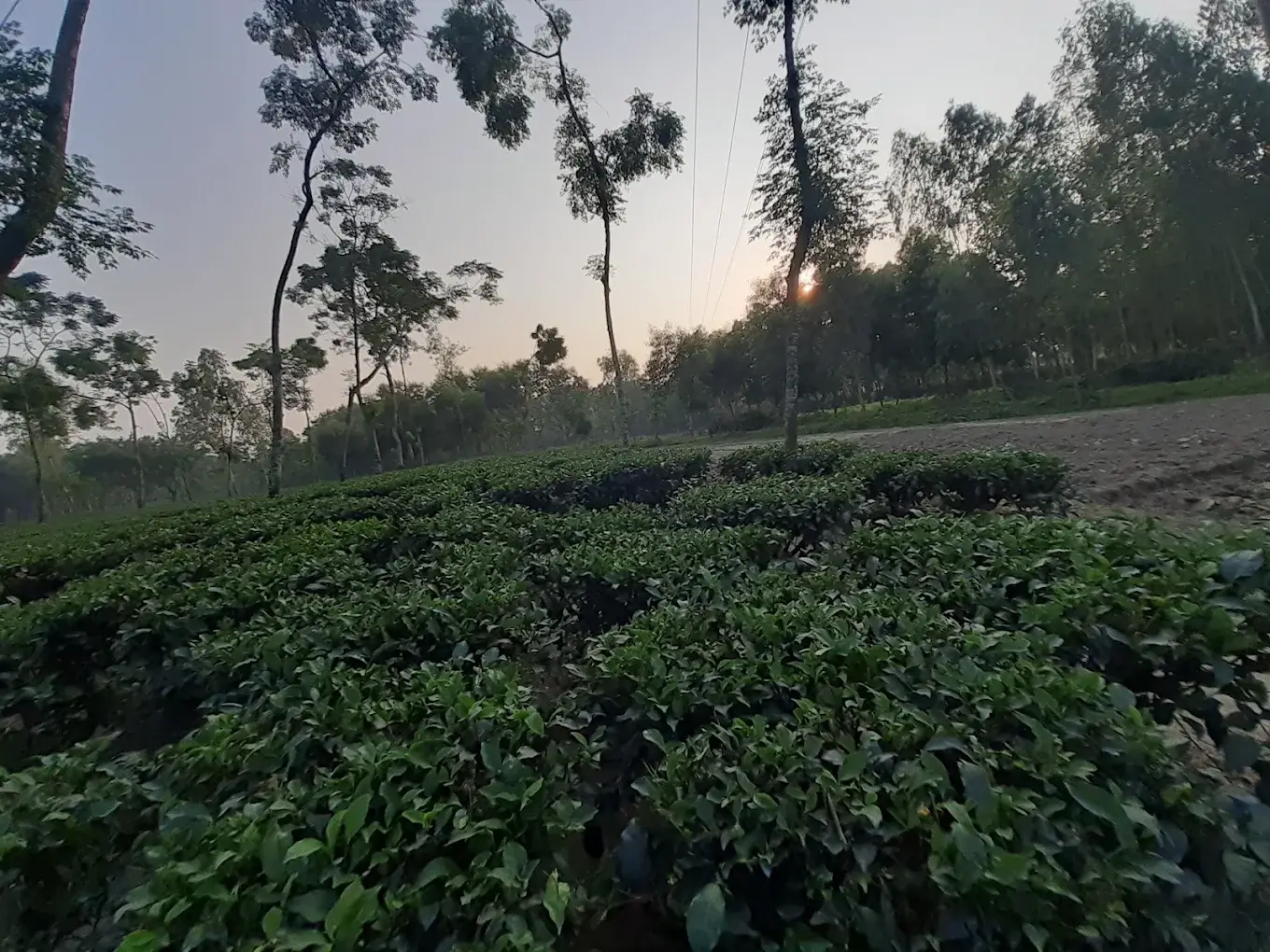
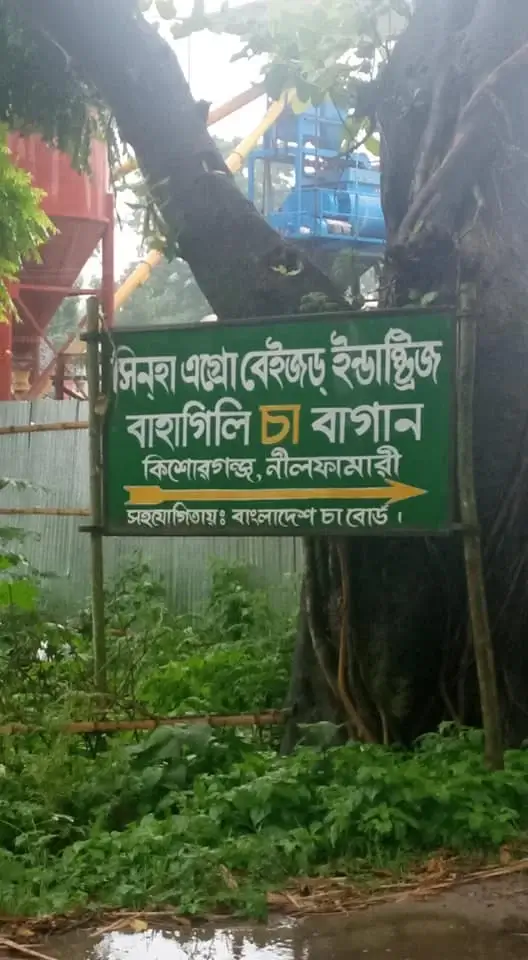
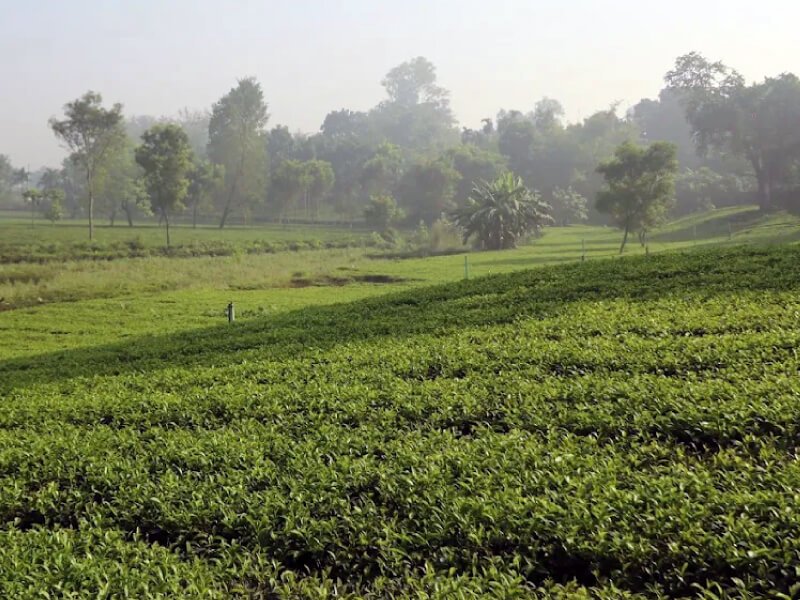
Nilphamari’s tea subject is best presented as emerging smallholder cultivation, not a single public property named “Nilphamari Tea Estate.” Growers in parts of the district have experimented with tea on level land as the northern industry expands. A visit should be arranged through agricultural extension staff or a verified grower so travellers reach an active, welcoming site. The terrain across Nilphamari is defined by wide, open plains packed with nutrient-rich sandy loam and soft alluvial earth. While the area naturally lacks the rolling hillocks found in traditional southern plantations, the region benefits from an exceptionally balanced northern climate. During the cooler seasonal months, crisp morning mists gently sweep across the valley floor, providing the growing crops with the steady, soothing humidity they need to thrive.
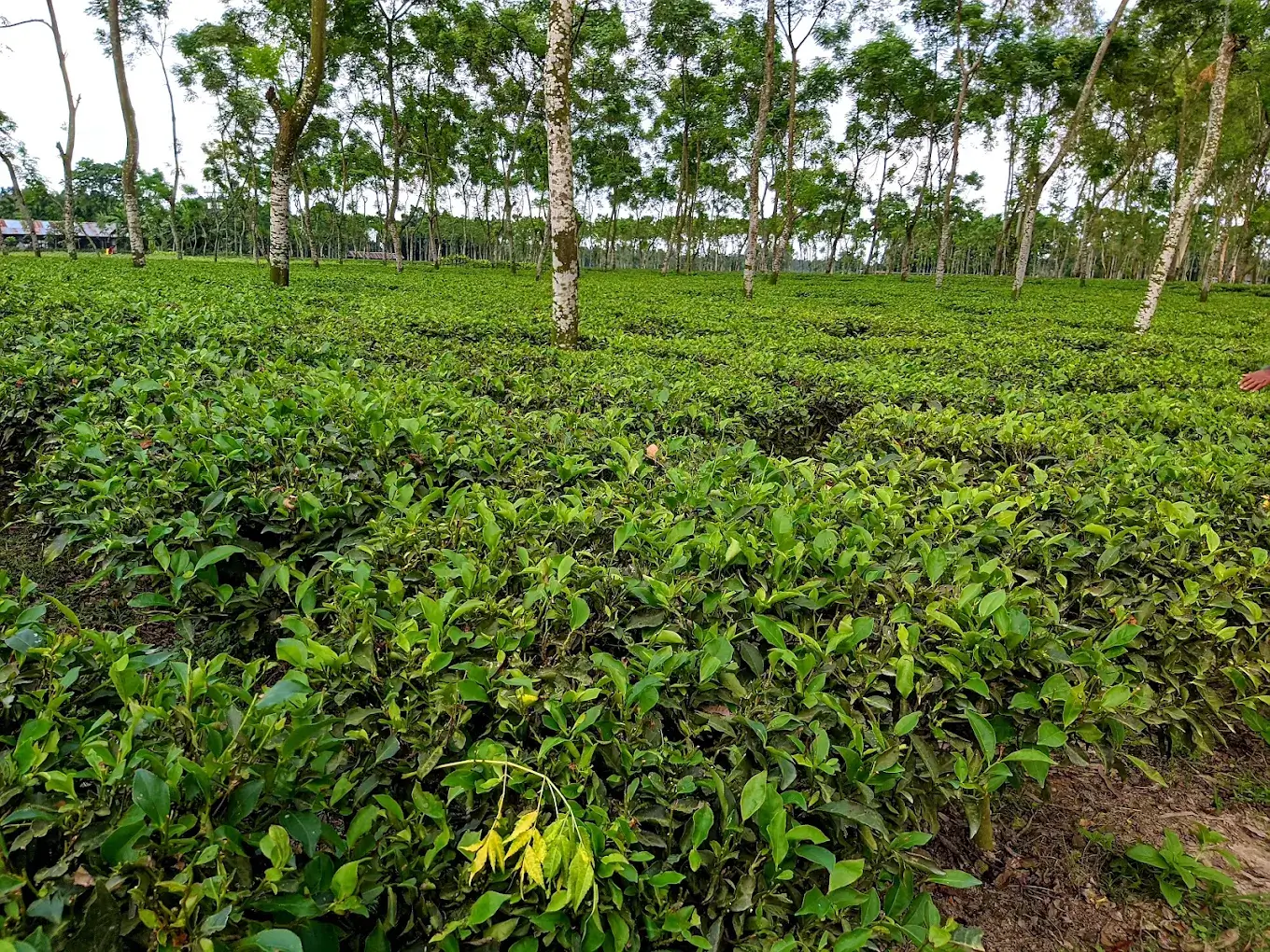
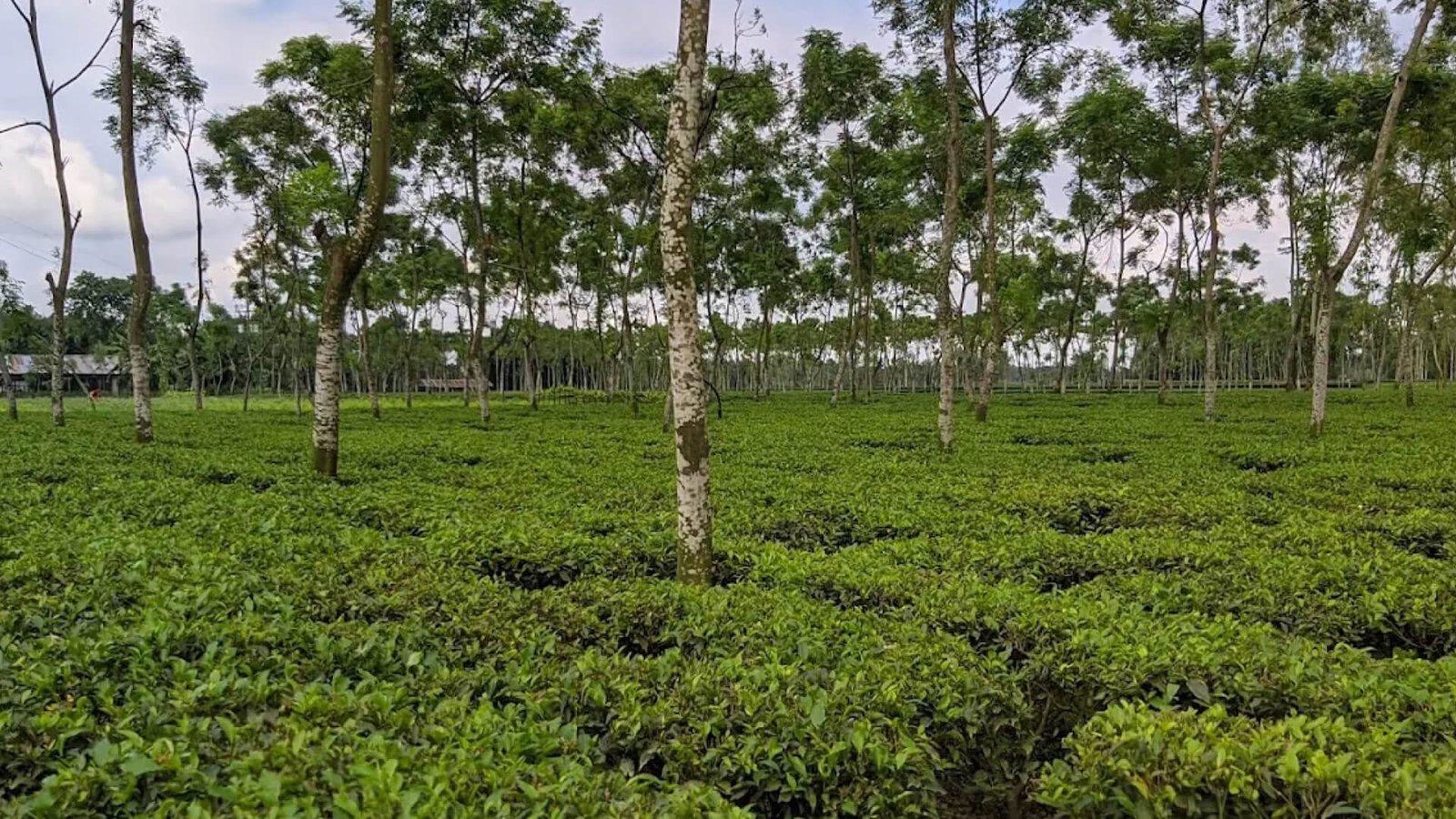
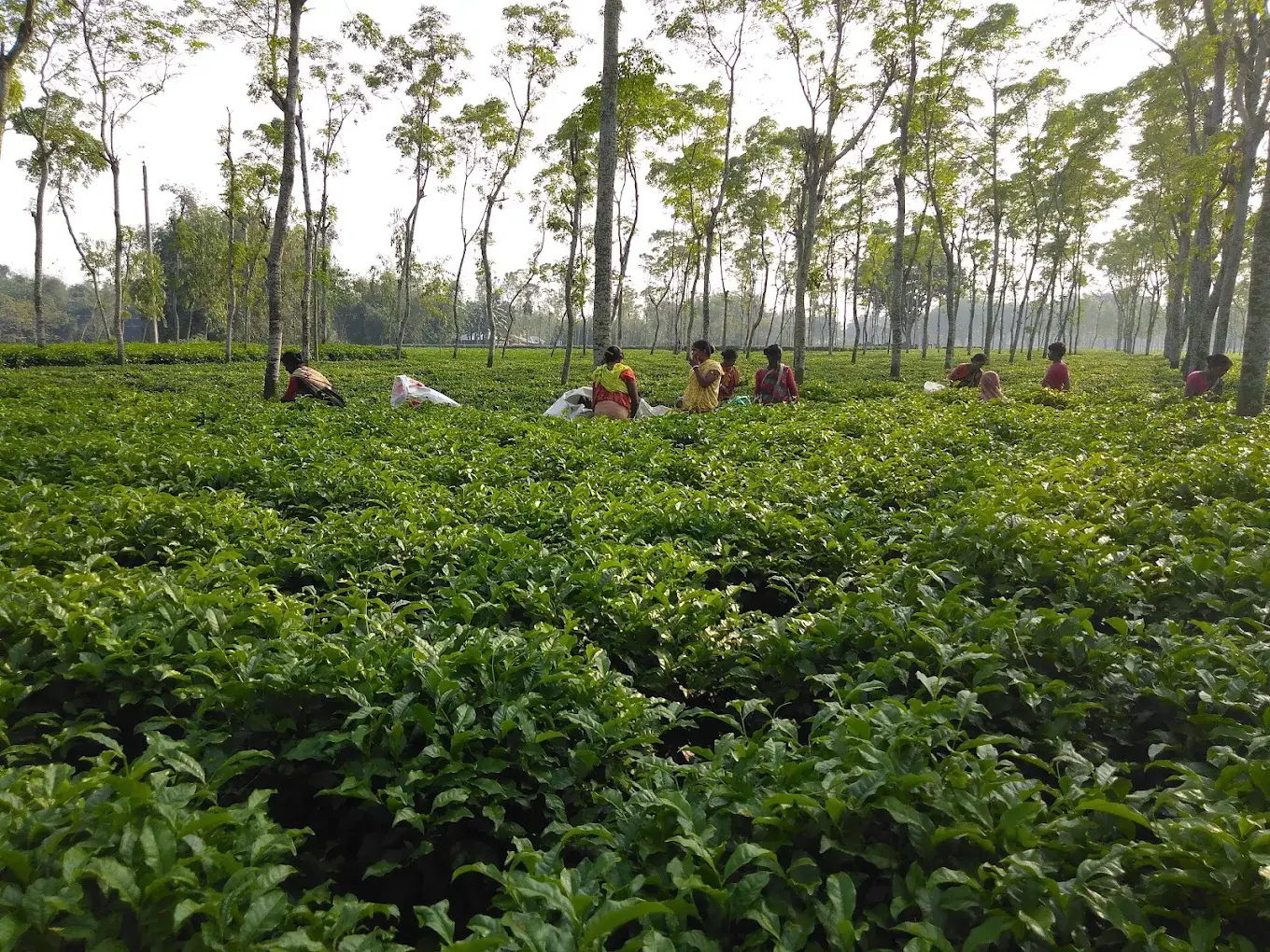
To safeguard their knee-high bushes against brisk seasonal winds and direct midday heat, local growers frame their plots with tall fruit trees, betel nut palms, and natural green hedgerows. This thoughtful layout transforms patchwork village fields into tidy, emerald-green sheets that look remarkably peaceful against the wide rural horizon. What truly gives this emerging tea landscape its heartwarming character is how deeply it depends on everyday smallholder families. Instead of working under strict corporate management, local homesteaders independently tend plots that range from modest household backyards to multi-acre family farms. During active plucking periods, family members work side by side among the dewy leaves, carefully handpicking the fresh top flushes of two leaves and a bud.
Shifting away from demanding tobacco cultivation has brought cleaner air, healthier soils, and a renewed vitality to these tight-knit village neighborhoods. This cooperative spirit fosters a deep sense of pride, as rural neighbors actively exchange gardening advice and celebrate their growing financial independence together. Once gathered in clean woven baskets, the tender green leaves make a rapid journey to regional processing hubs where classic manufacturing techniques turn them into bright, aromatic black tea. Sipping a warm cup brewed from these northern leaves reveals a lively, brisk taste that perfectly mirrors the clean air and local growing conditions of the open countryside.
Immersive Experience
No 360° Videos available
Destination Gallery

Tetulia Tea Estate
Flat green tea fields meet the far northern sky—and, on rare clear mornings, Kanchenjunga.
Explore More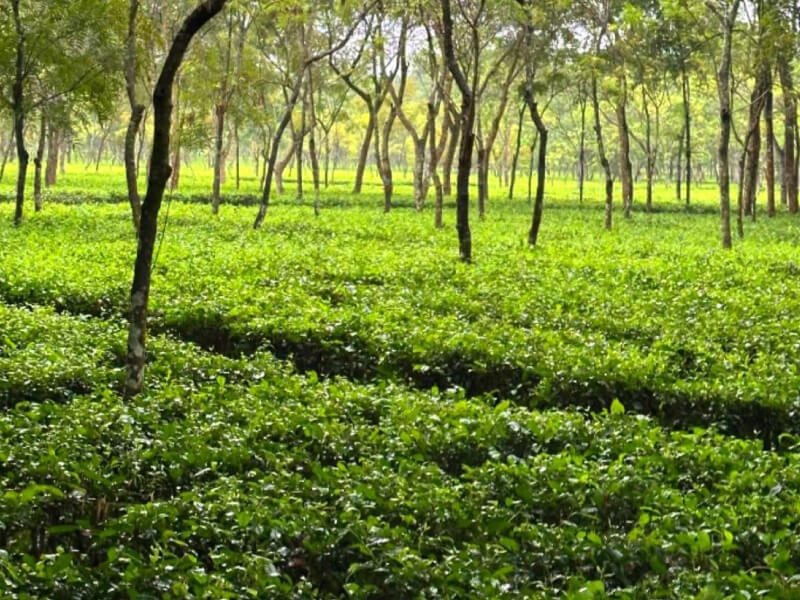
Shalbahan Flatland Tea Gardens
Village farms and tea plots form an emerald mosaic across the northern plain.
Explore More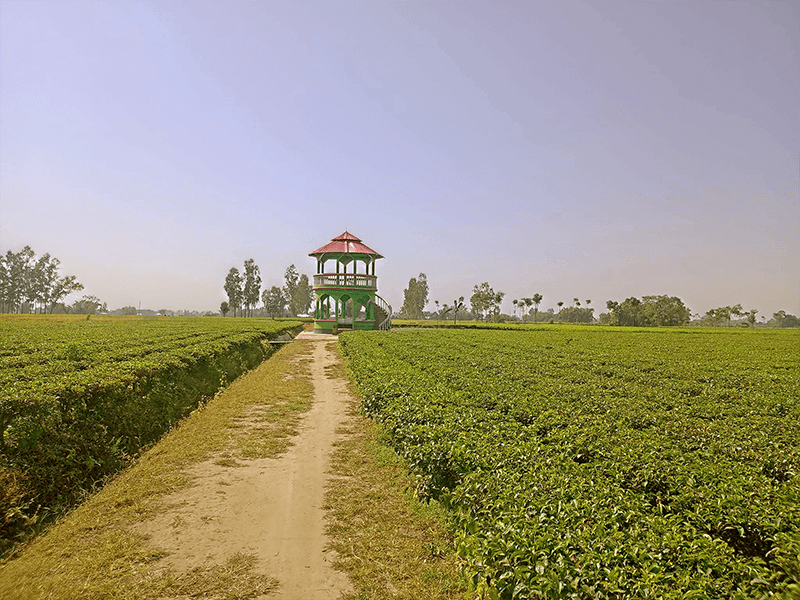
Thakurgaon Tea Estate
A new tea frontier spreads across village fields in northwestern Bangladesh.
Explore More