

Tea Estate Communities and Local Lifestyles in Srimangal
The human story behind Bangladesh's tea capital
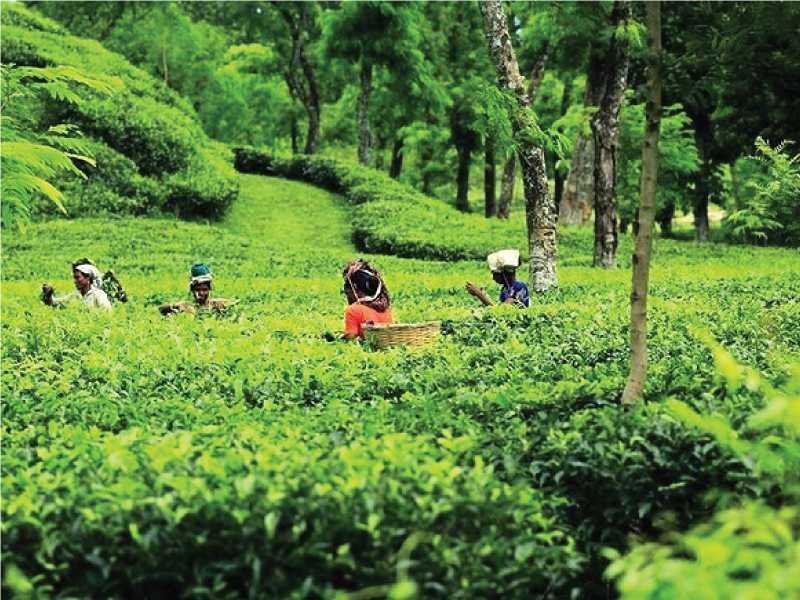
Rolling green, generations deep Life among Srimangal's tea garden communities.
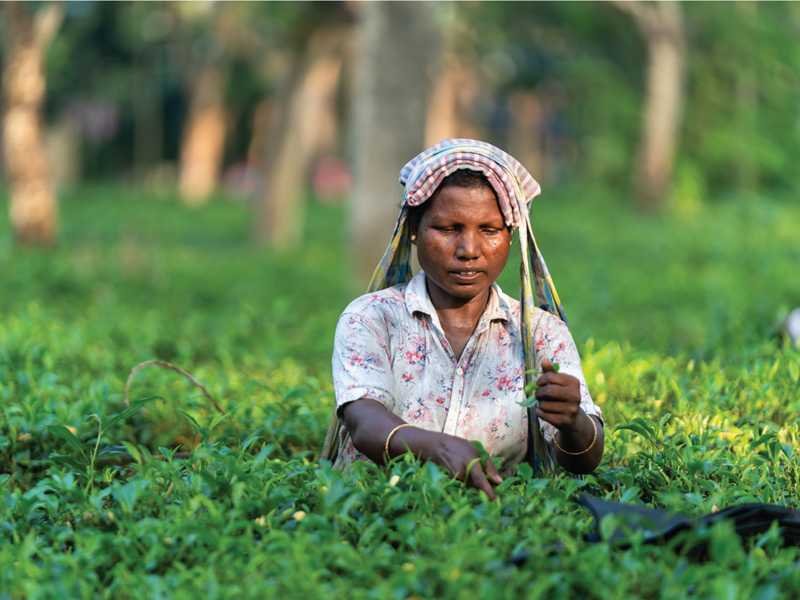
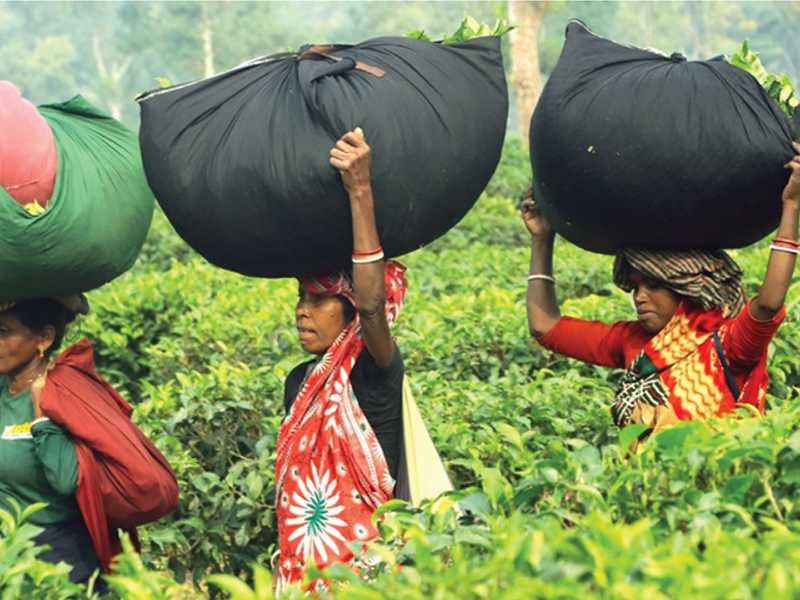
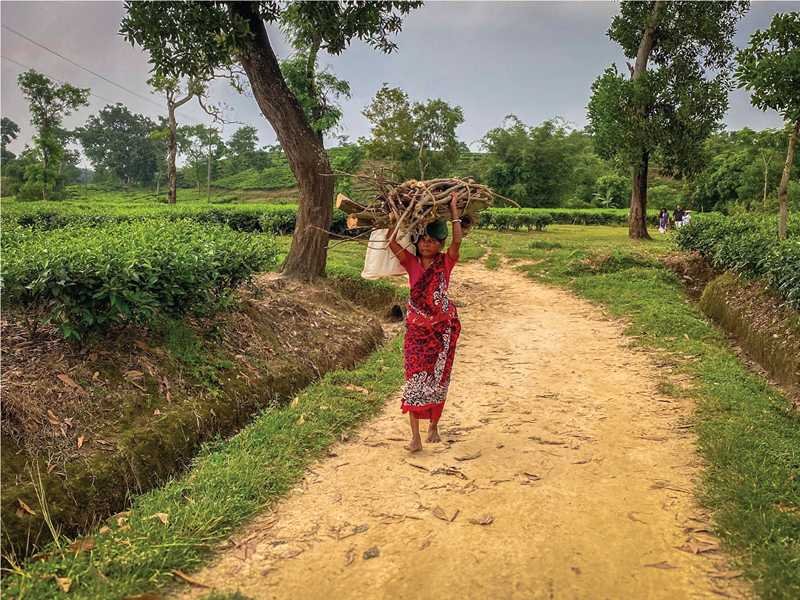
Srimangal's identity as Bangladesh's tea capital rests on the labor of tea garden communities whose families have worked the estates for generations, many descended from workers brought from India during the colonial tea-plantation era and now forming a distinct social and cultural layer within the wider Srimangal community, alongside Manipuri weaving villages such as Monipuri Para in nearby Kashpur, where families have lived since a Manipuri royal figure led settlers here in 1765. Together, these communities give Srimangal a cultural depth that goes well beyond its postcard tea-garden views.
Visiting respectfully means going beyond a scenic drive through the plantations: touring a working tea garden and processing factory to understand the labor behind each cup, walking through Monipuri Para to see handloom weaving in progress, and visiting the Lawachara National Park communities living at the edge of one of Bangladesh's last rainforest habitats. It's a chance to understand Srimangal not just as a resort destination, but as a working landscape shaped by the people who tend it.
Immersive Experience
No 360° Videos available
Destination Gallery
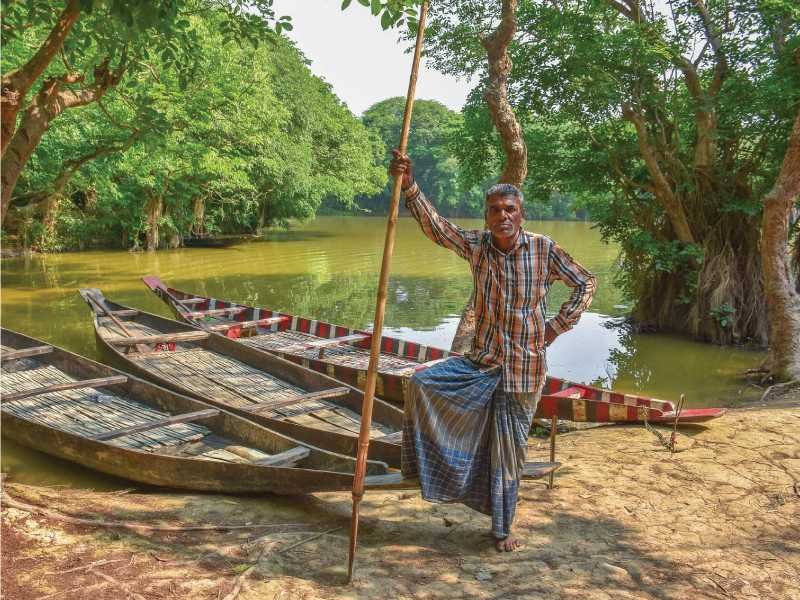
Life of the Sundarbans Forest Communities
The Mawali, Bawali, and Jeley of the world's largest mangrove forest
Explore More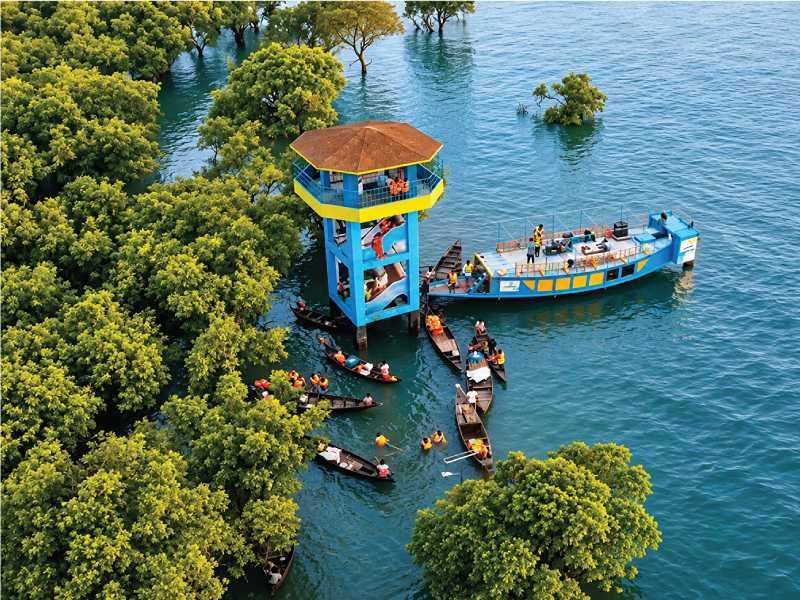
Living with Riverine Fishing Communities in Tanguar Haor
Stilt houses, floating villages, and Bangladesh's "mother fishery"
Explore More