

Living with Riverine Fishing Communities in Tanguar Haor
Stilt houses, floating villages, and Bangladesh's "mother fishery"
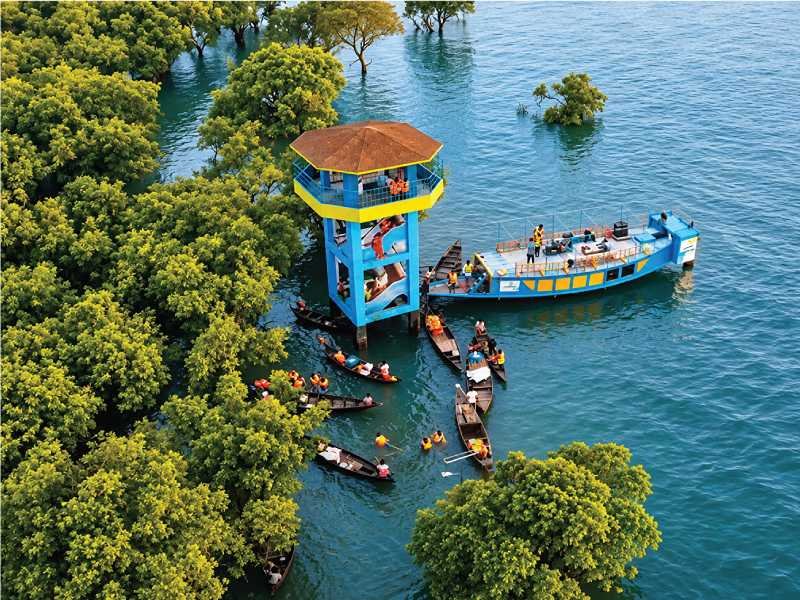
Where the water becomes the village Tanguar Haor's fishing communities, on stilts and boats.
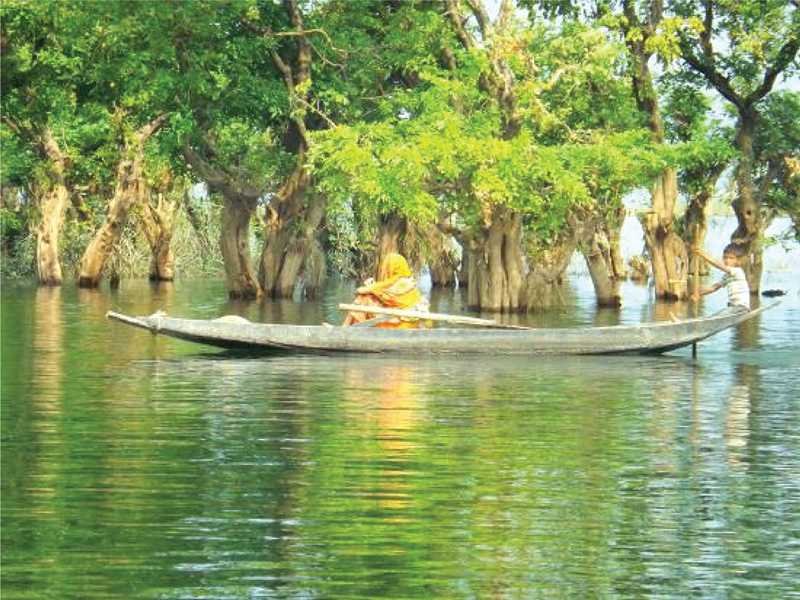
Tanguar Haor, a roughly 100 sq km Ramsar-listed wetland in Sunamganj's Tahirpur and Dharmapasha upazilas, is home to more than 40,000 local inhabitants across 46 villages, many of whom depend directly on fishing for their livelihood—so much so that the haor is regionally known as Bangladesh's "mother fishery," supporting over 140 species of freshwater fish. During monsoon, the wetland swells into a vast inland sea, transforming villages like Jalchatra into genuinely floating communities where boats become the only means of transport and homes rise on stilts above the rising water.
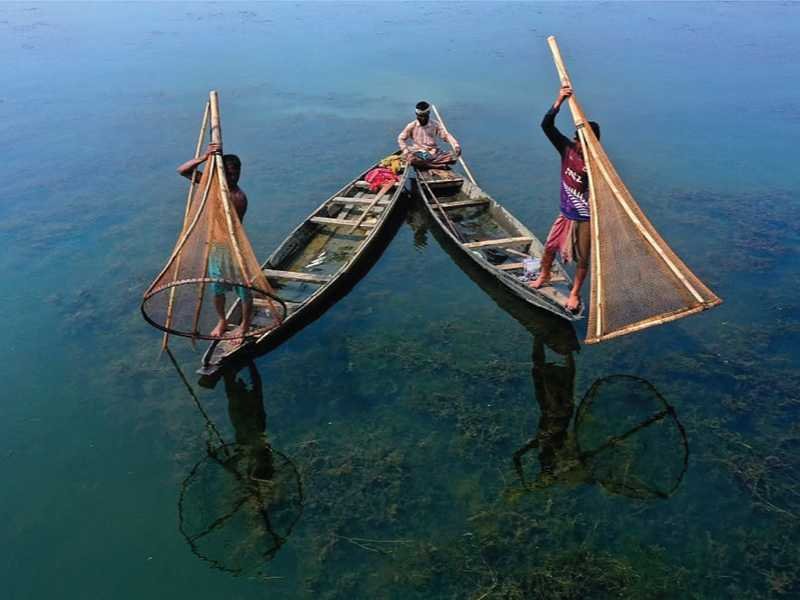
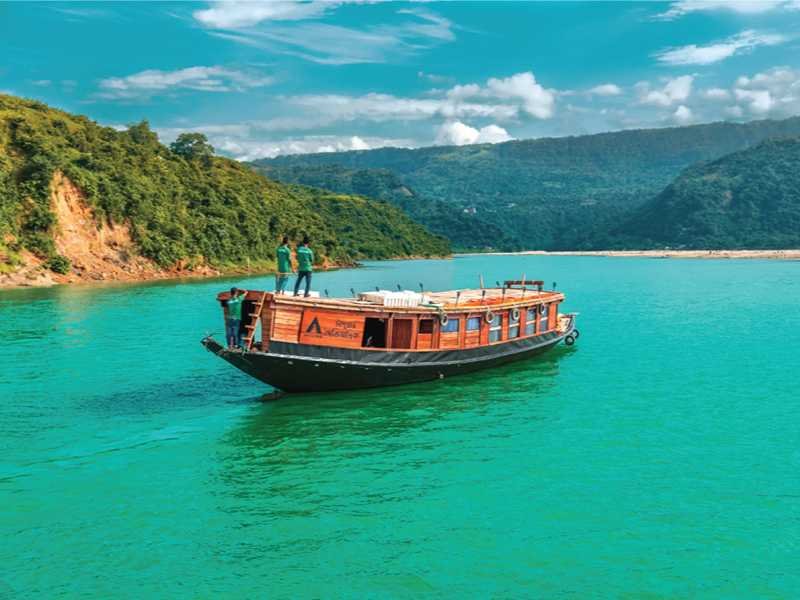
Traditional wooden fishing boats, called nouka, remain central to daily life here, and travelers can watch fishermen cast nets much as their families have for generations, against a backdrop of the Meghalaya hills rising just across the border. Community-based tourism has taken root in the area, with local guides and boatmen offering village visits, traditional fishing demonstrations, and stays on eco-friendly houseboats. Because Tanguar Haor was declared an Ecologically Critical Area in 1999 following overfishing concerns, visitors are asked to travel light on the landscape—avoiding plastic, respecting quiet zones, and supporting community-run tourism rather than large-scale operators.
Immersive Experience
No 360° Videos available
Destination Gallery
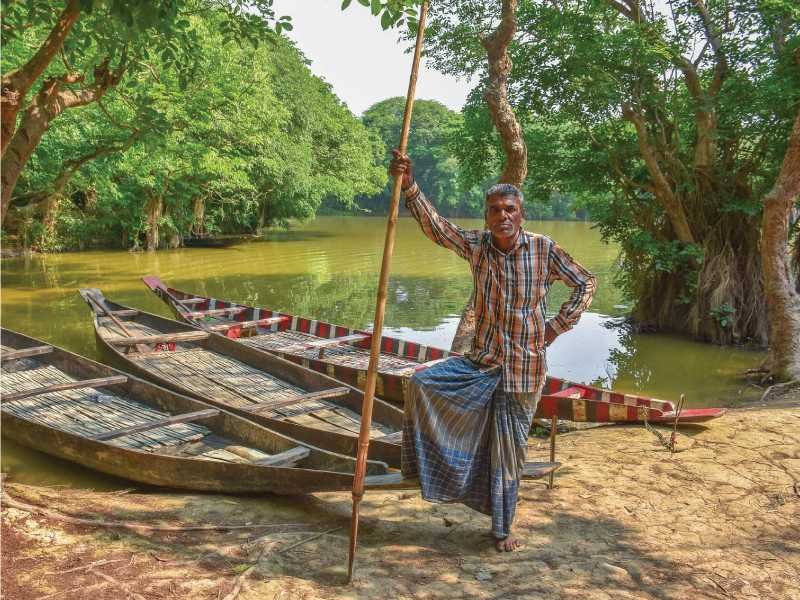
Life of the Sundarbans Forest Communities
The Mawali, Bawali, and Jeley of the world's largest mangrove forest
Explore More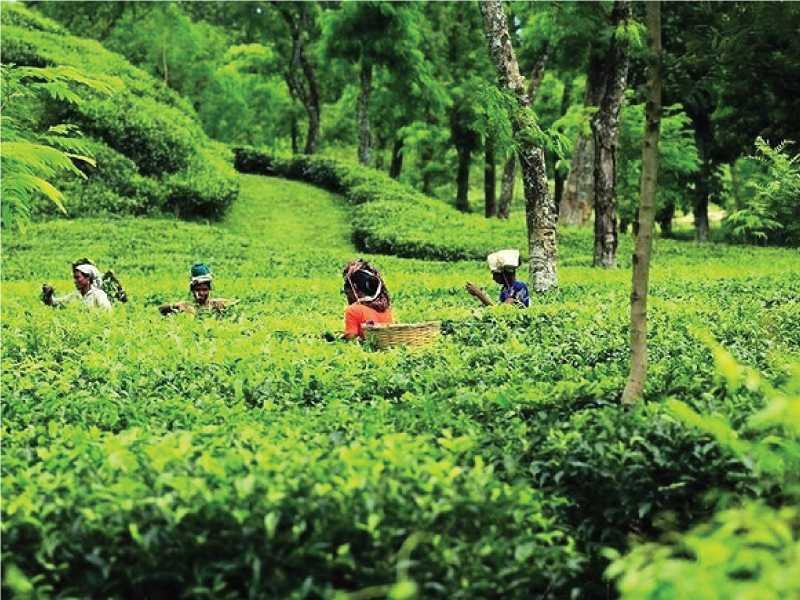
Tea Estate Communities and Local Lifestyles in Srimangal
The human story behind Bangladesh's tea capital
Explore More