

Life of the Sundarbans Forest Communities
The Mawali, Bawali, and Jeley of the world's largest mangrove forest
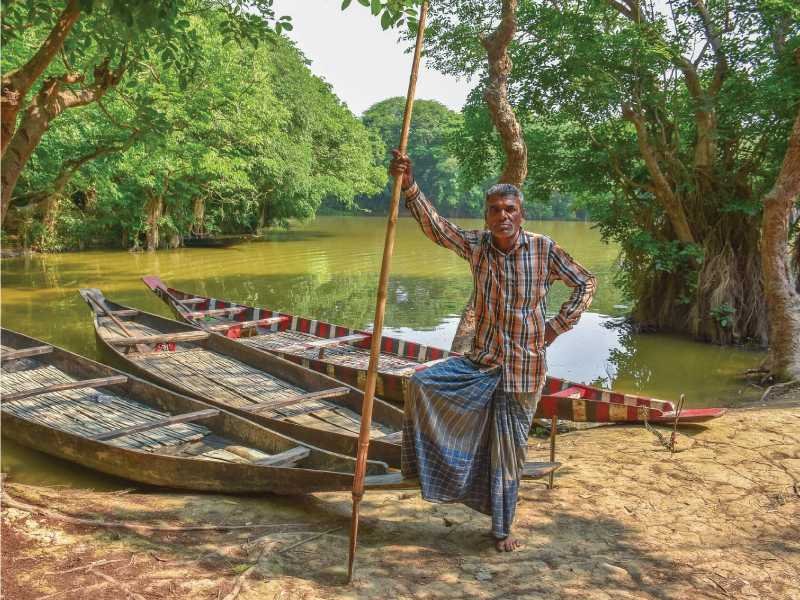
Where a million livelihoods depend on the mangrove The forest people of the Sundarbans.
Roughly a million people depend directly on the resources of the Sundarbans, and among them, the Mawali (honey collectors), Bawali (wood and leaf collectors), and Jeley (fishermen) represent one of Bangladesh's most distinctive—and dangerous—working traditions. Each year between roughly mid-April and June, Mawali groups of seven to nine people enter the forest with an official permit to harvest wild honey from the combs of the giant Apis dorsata bee, working through mud and mangrove roots in territory shared with the Bengal tiger. Before setting out, they perform rituals honoring Bonbibi, the forest's protective goddess, asking for safe passage against Dakshin Rai, the tiger spirit believed to test those who enter without her blessing.
This is not folklore performed for visitors—it is a living belief system that genuinely shapes how honey collectors, fishermen, and crab gatherers approach the forest every season. Responsible tour operators now arrange respectful, distance-appropriate encounters with these communities: watching a Mawali group prepare for the harvest, learning how raw honey is separated from wax by hand, or spending time in a fishing village to understand how families structure their lives around tide, permit season, and the ever-present risk of the forest itself. It's one of the most direct ways to understand what the Sundarbans actually means to the people who live beside it, rather than simply its wildlife.
Immersive Experience
No 360° Videos available
Destination Gallery
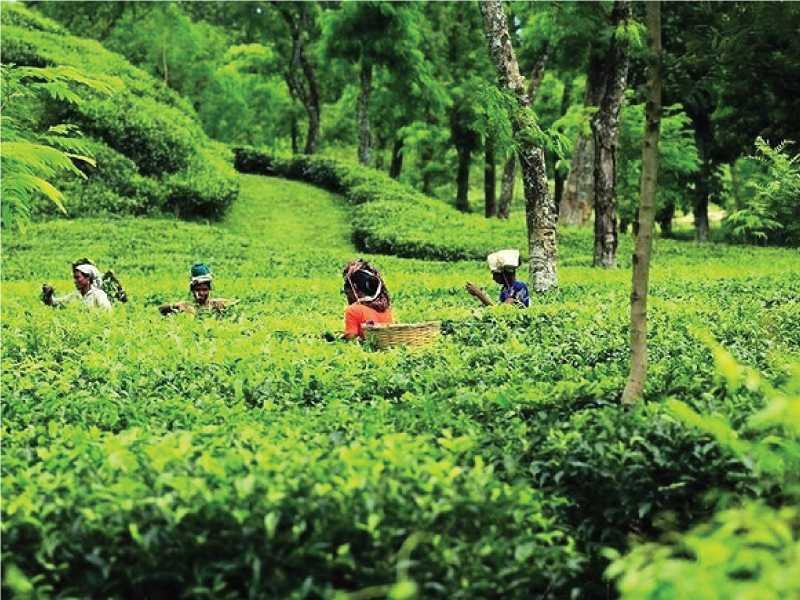
Tea Estate Communities and Local Lifestyles in Srimangal
The human story behind Bangladesh's tea capital
Explore More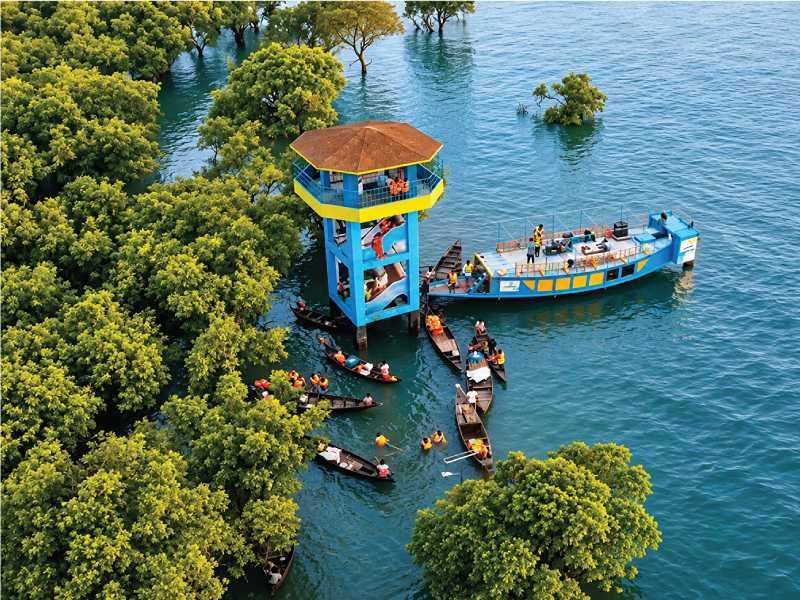
Living with Riverine Fishing Communities in Tanguar Haor
Stilt houses, floating villages, and Bangladesh's "mother fishery"
Explore More