

Tarapur Tea Estate
A working plantation holds its ground inside the expanding city.
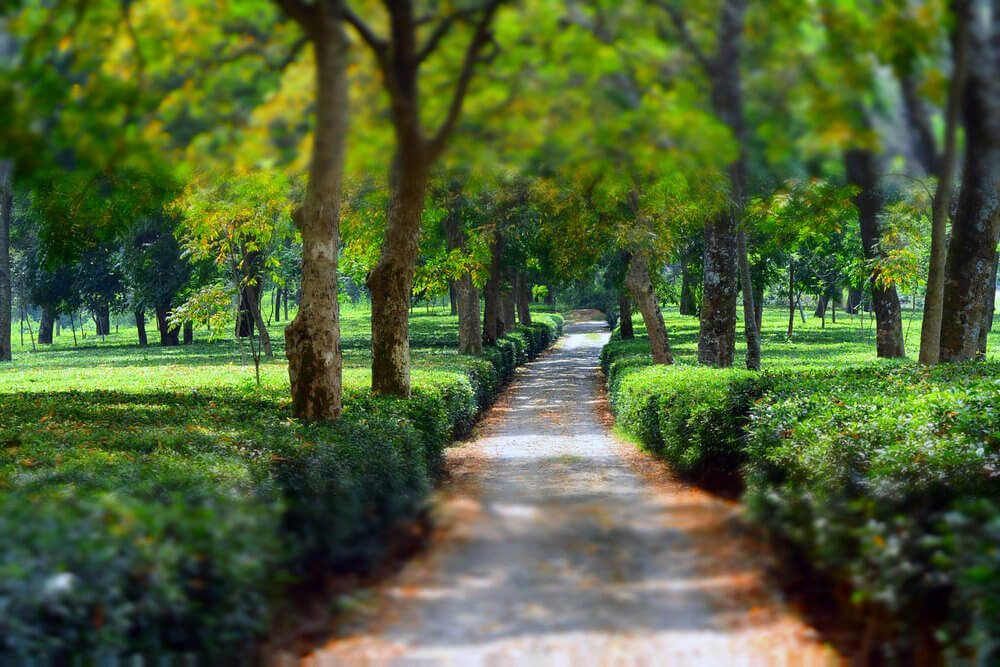
Leave the main road behind and enter the tea country of Sylhet city—with permission, curiosity and time to explore.
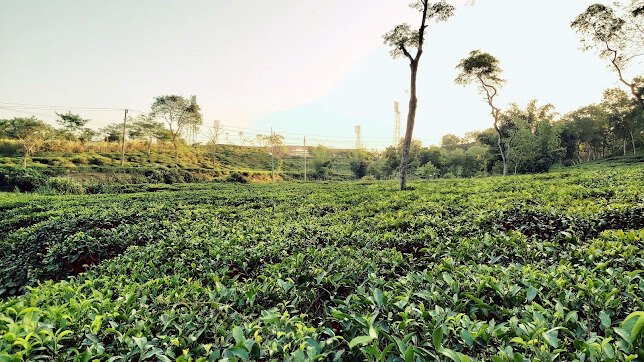
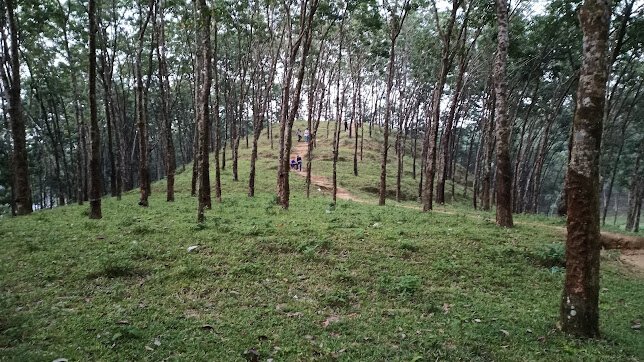
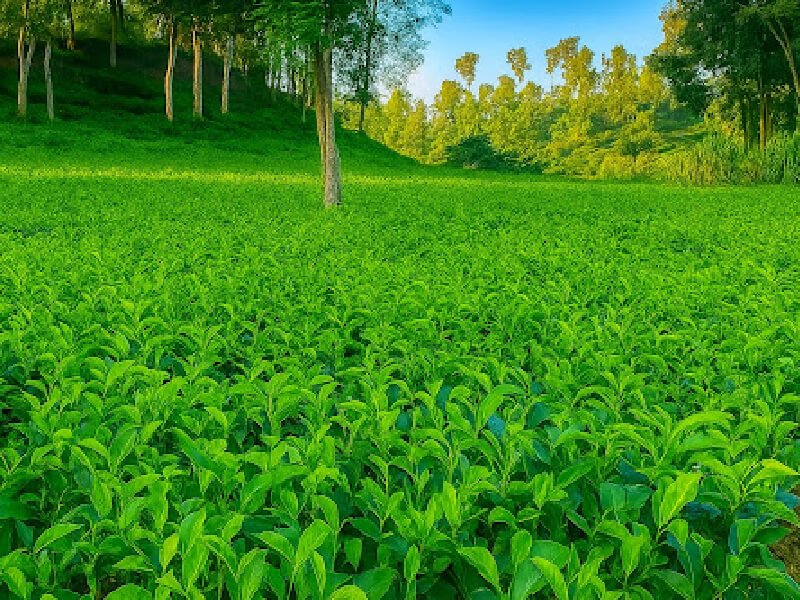
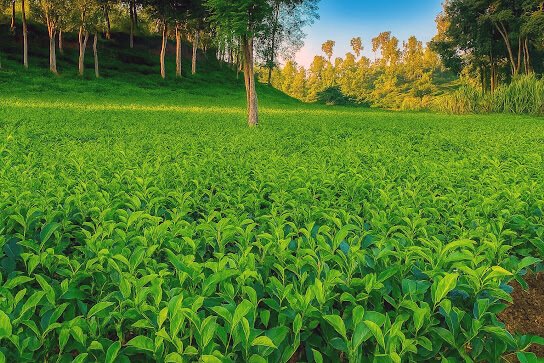
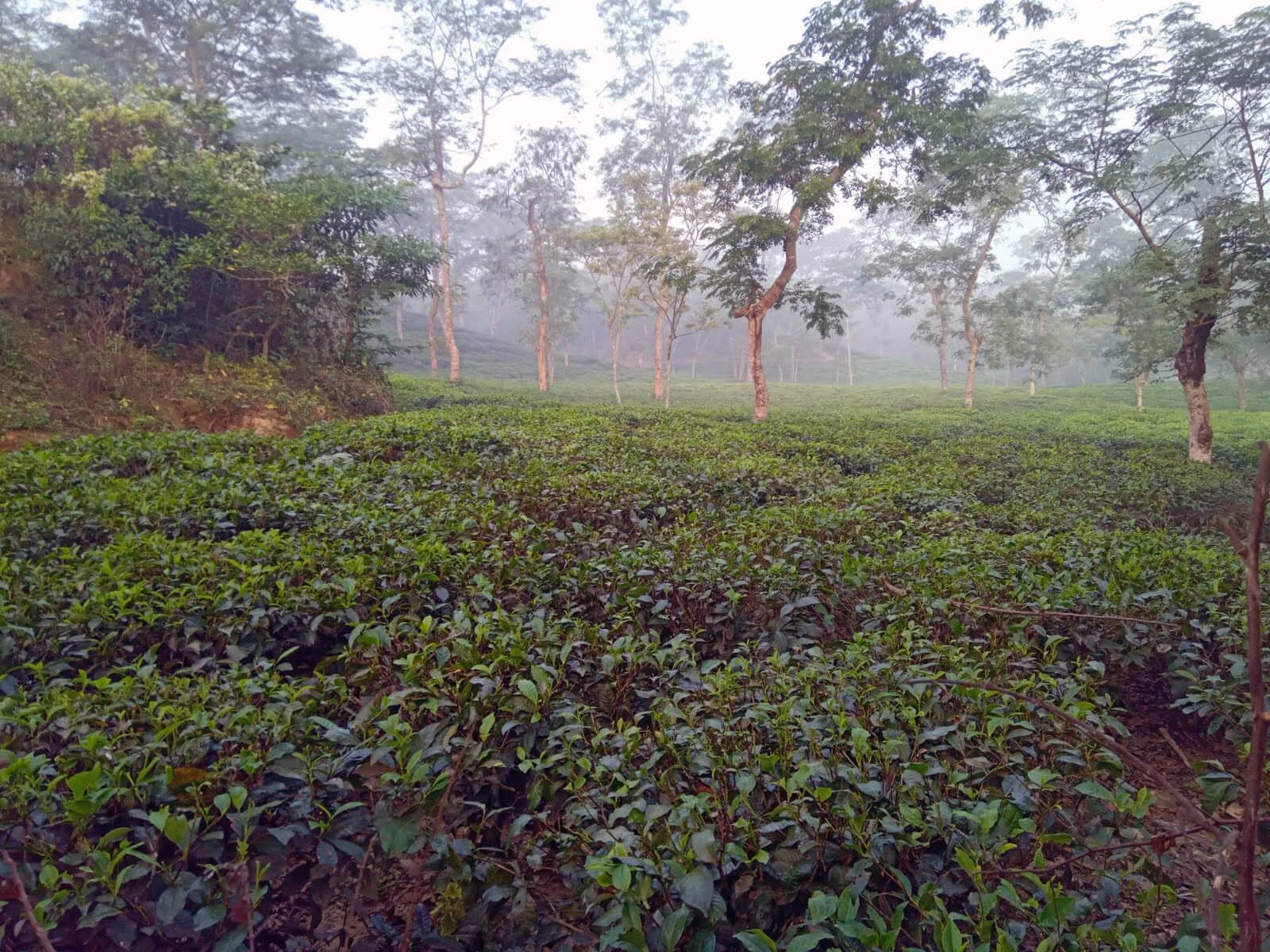
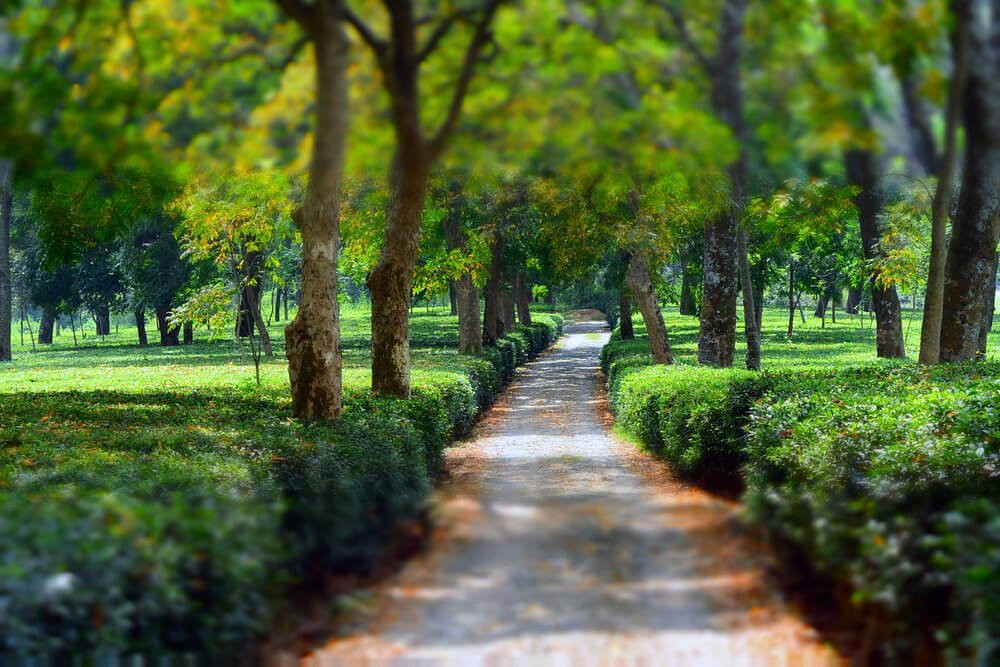
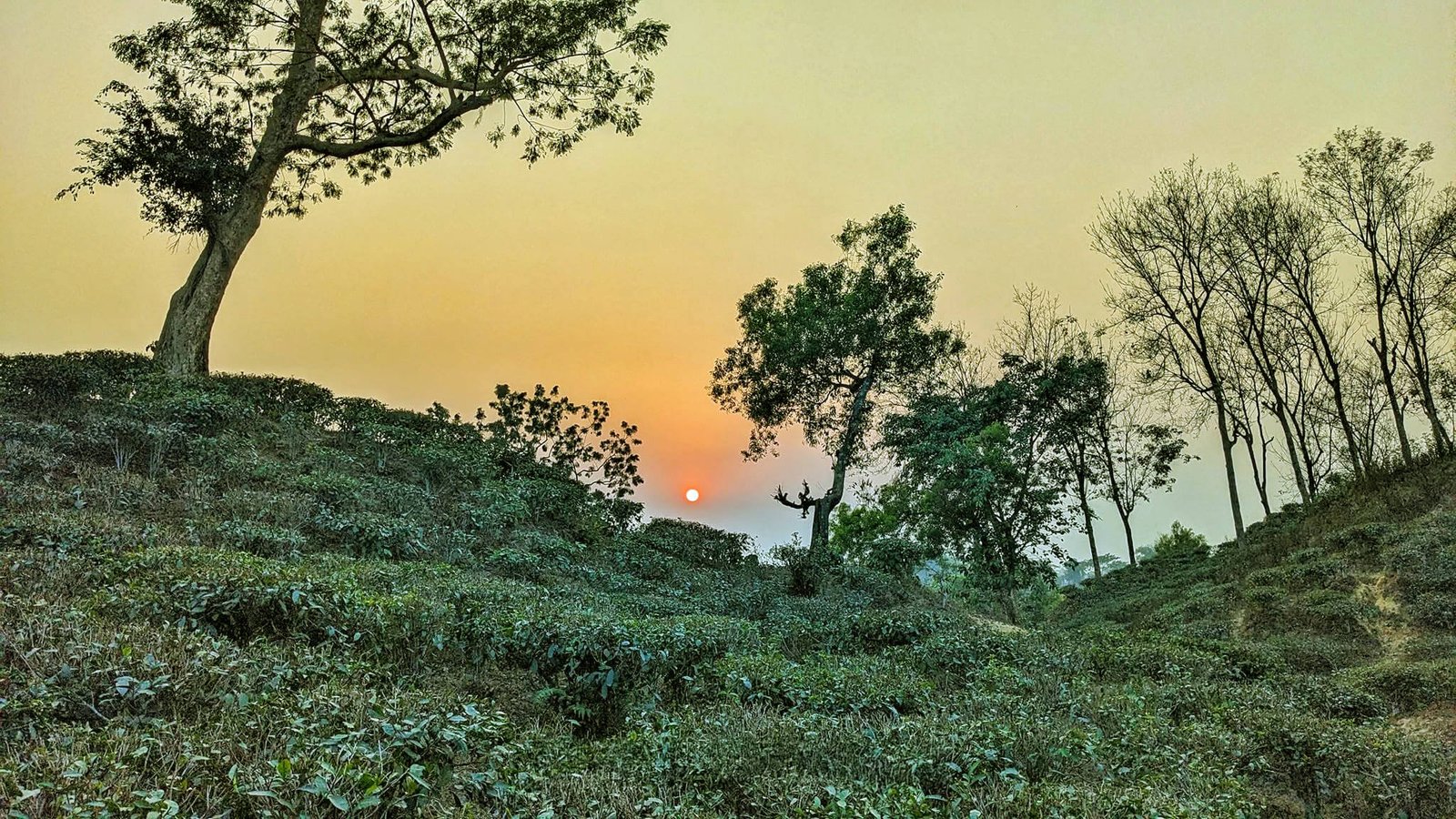
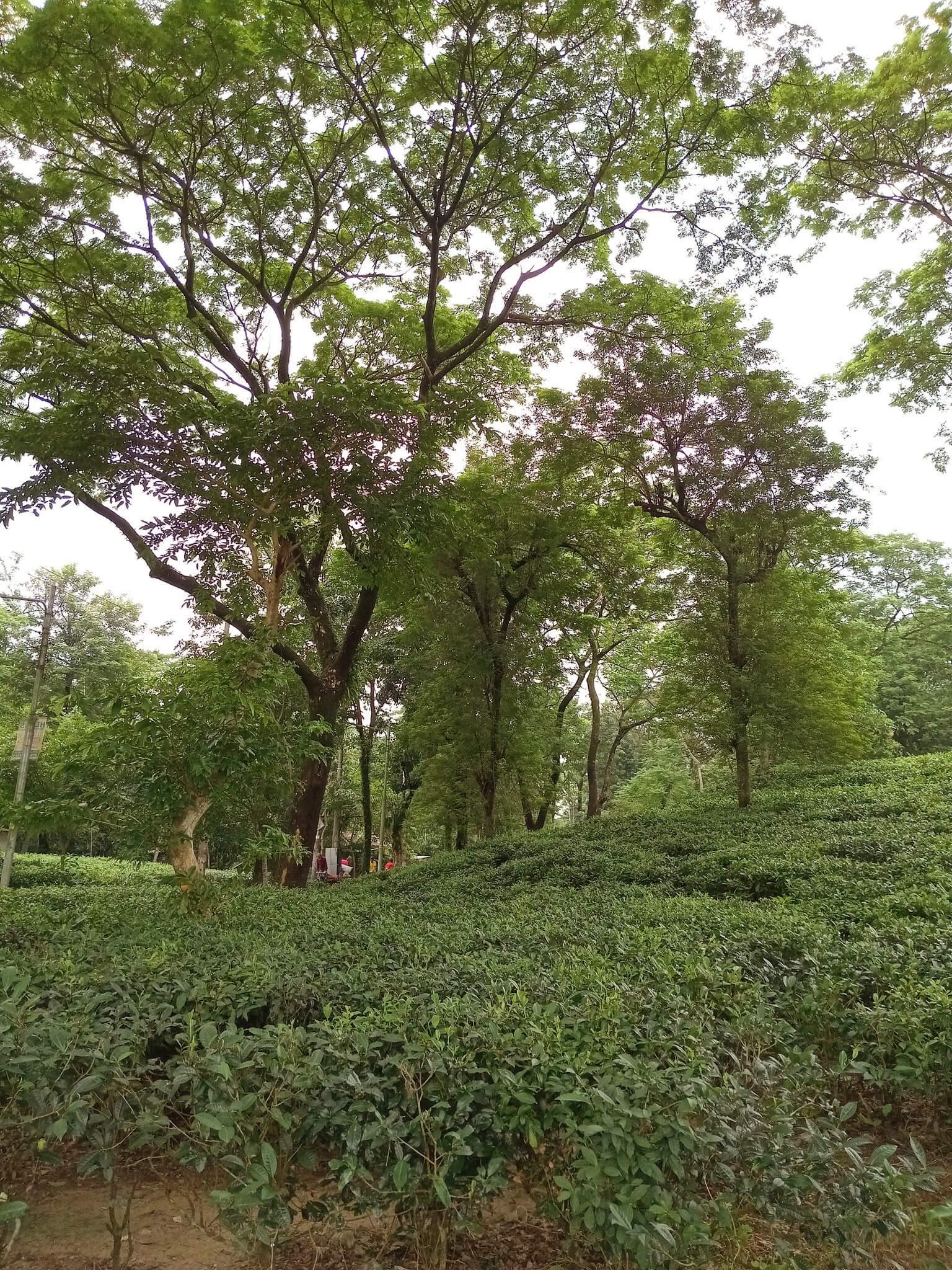
Tarapur is one of the tea landscapes woven into the urban fabric of Sylhet. Roads, neighbourhoods and daily city movement sit close to cultivated green, creating a sharp transition from traffic to tea rows. That proximity makes Tarapur tempting for a short visit, but entry beyond public roads must still be agreed with estate management. The physical landscape of the estate is dominated by gentle natural hillocks, known locally as tillas, creating a picturesque undulating green horizon. Thousands of tea bushes are neatly arranged across these elevated slopes, forming precise green waves that trap morning mists during cooler autumn months. Towering shade trees belonging to native forest varieties grow abundantly throughout the plantation, casting protective shadows over delicate tea leaves during bright summer afternoons.
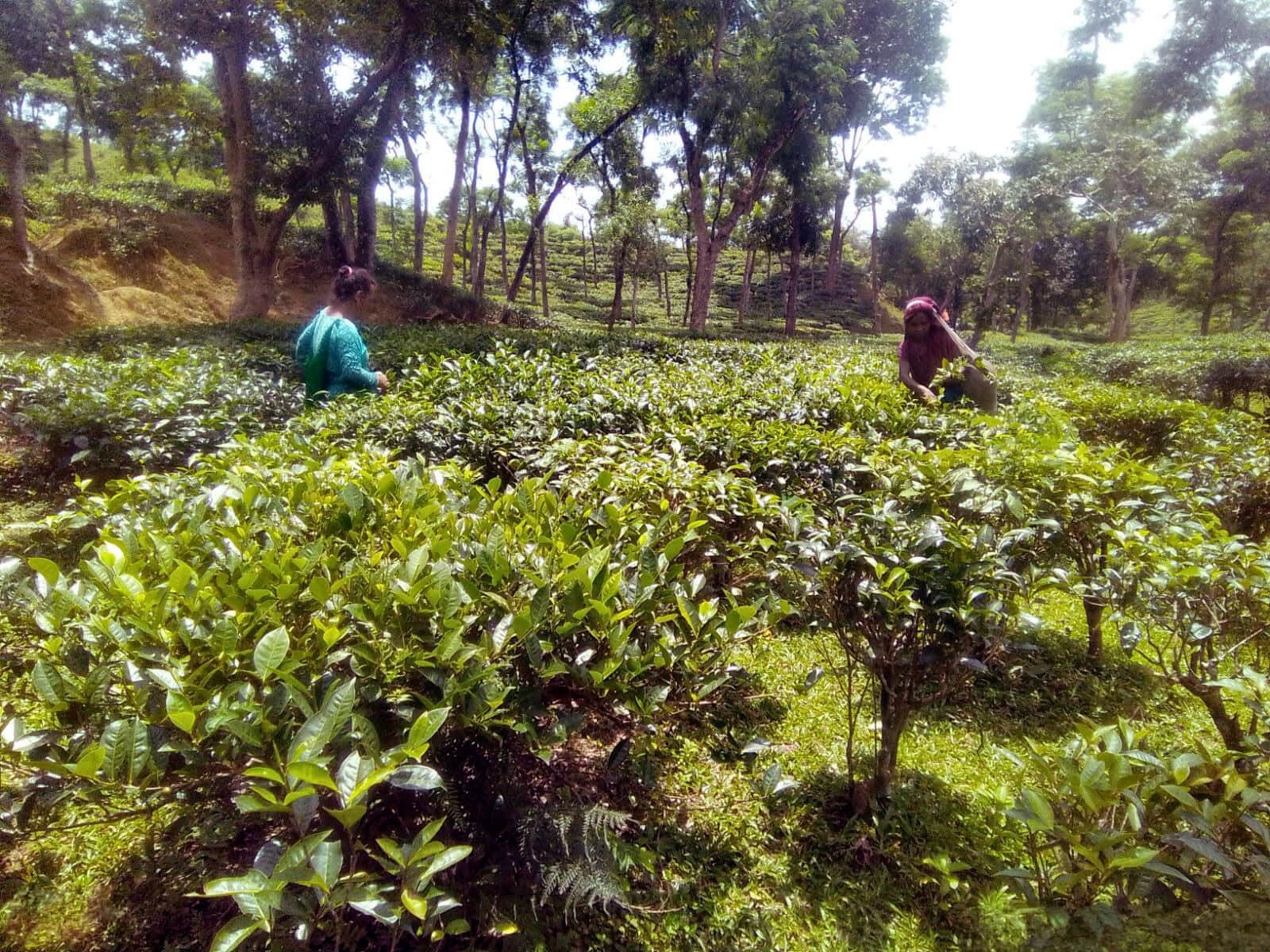
These tall trees also create a rich local ecosystem, serving as a peaceful sanctuary for native birds, squirrels, and various colorful butterfly species that thrive undisturbed inside the city limits. Small natural water reservoirs and winding irrigation canals intersect the deep valleys between the hillocks, ensuring steady hydration for the crops while beautifully reflecting surrounding green foliage during peaceful sunset hours. Daily commercial operations inside the garden strictly maintain traditional agricultural practices passed down through successive generations of estate workers. Skilled pluckers begin their careful harvesting routine early in the morning, moving methodically across green slopes to collect only the most tender two leaves and a bud. This meticulous hand plucking technique ensures that the final black tea retains its signature bold flavor and bright aroma upon processing.
Residential quarters for the dedicated labor community are nestled quietly within the property, fostering a close-knit village environment complete with primary educational facilities and community gathering areas. By balancing steady commercial leaf production with strict ecological conservation, the estate successfully safeguards its historic green footprint against urban expansion. It remains a cherished natural landmark connecting modern city life with traditional regional farming practices. Finlay Tea Estate (Sreemangal) Dominating the landscape of Sreemangal, the Finlay Tea Estates represent one of the largest and most historic tea-producing operations in Bangladesh.
Immersive Experience
No 360° Videos available
Destination Gallery
Malnicherra Tea Estate (Sylhet)
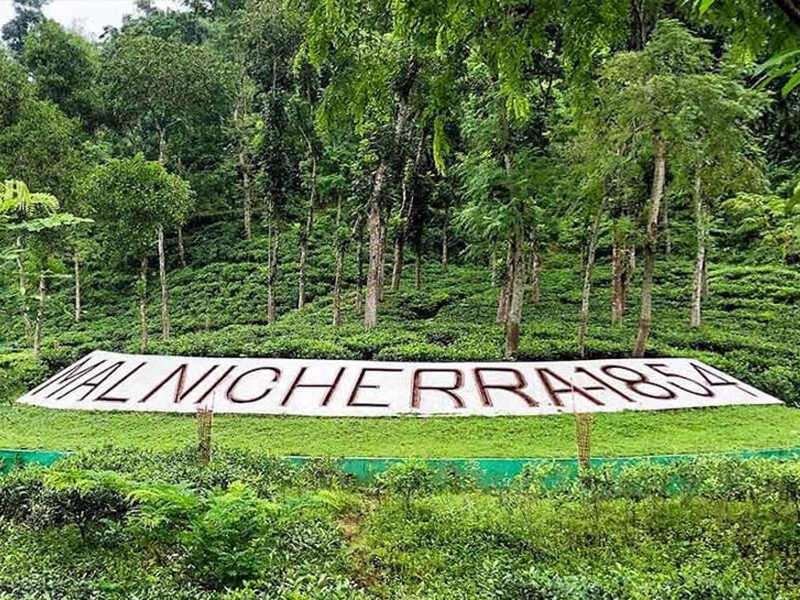
Bangladesh’s earliest commercial tea story unfolds beside the energy of Sylhet city.
Explore More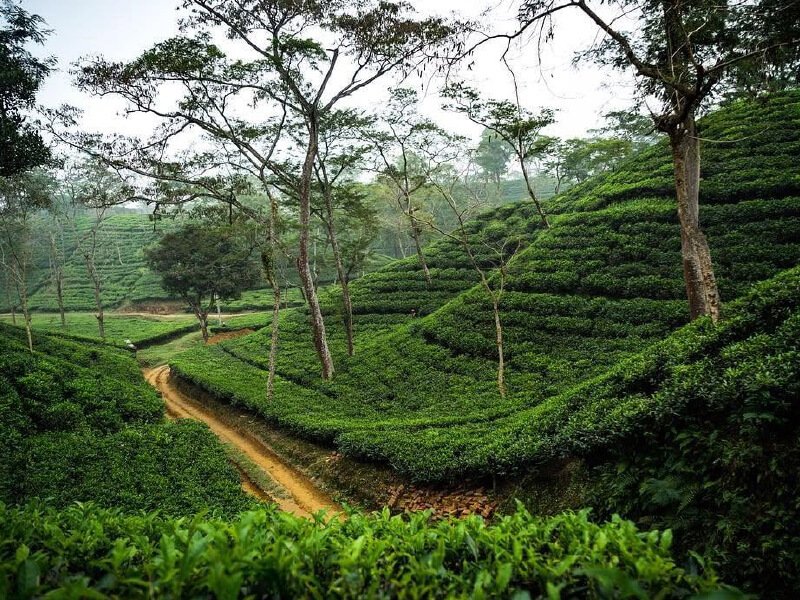
Lakkatura Tea Estate
Emerald slopes rise beside Sylhet’s airport road and cricket stadium.
Explore More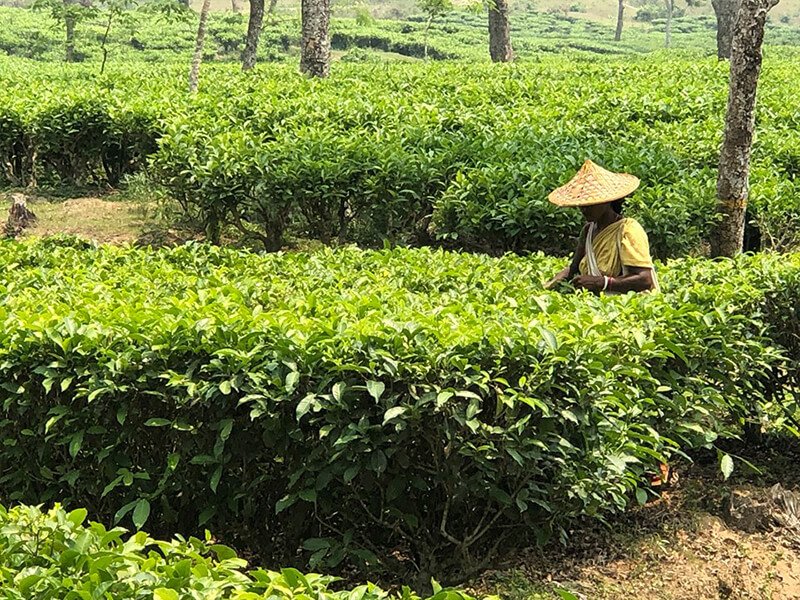
Finlay Tea Estate
Historic tea estates spread across the rolling green country that made Sreemangal synonymous with Bangladeshi tea.
Explore More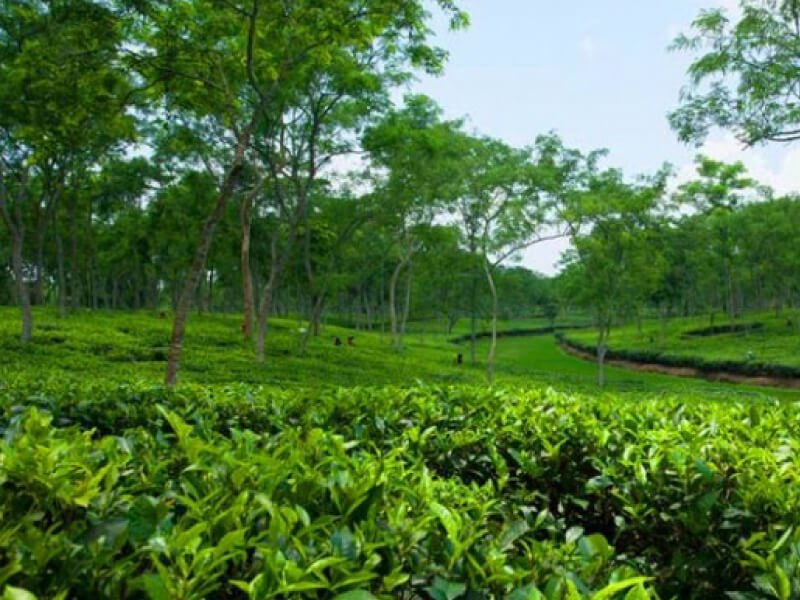
Balisera Tea Estate and Valley
Broad tea valleys, forest edges and quiet roads define the classic Sreemangal escape.
Explore More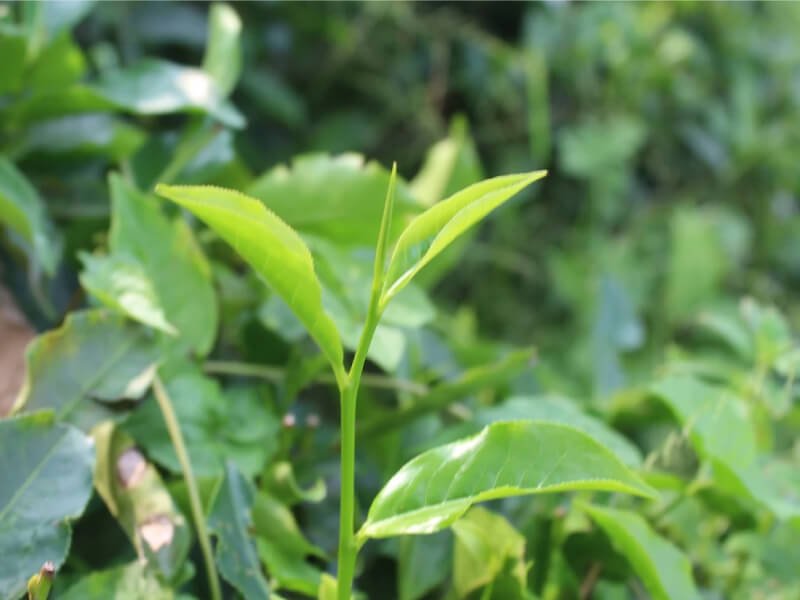
Satgaon Tea Estate
A roadside gateway opens into the quieter tea country between Habiganj and Sreemangal.
Explore More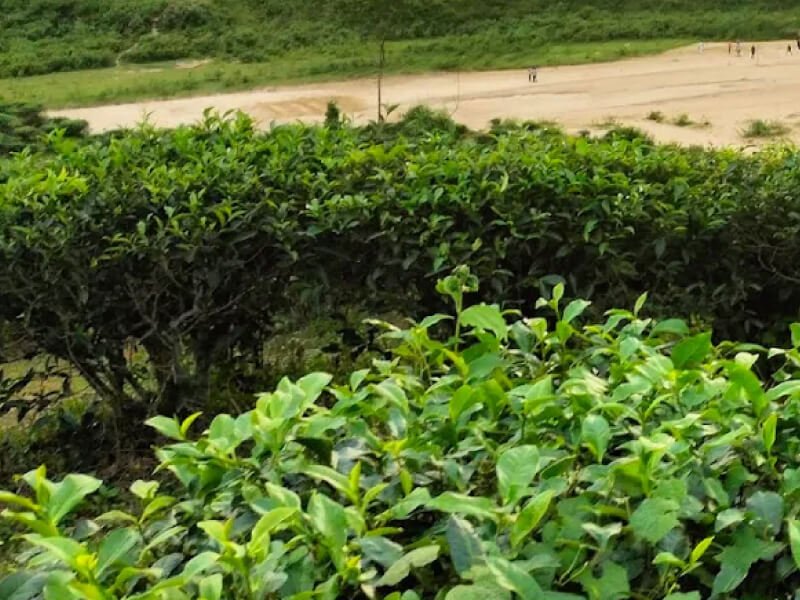
Chunarughat Tea-Garden Landscape
Tea estates and low forested hills stretch toward Bangladesh’s eastern frontier.
Explore More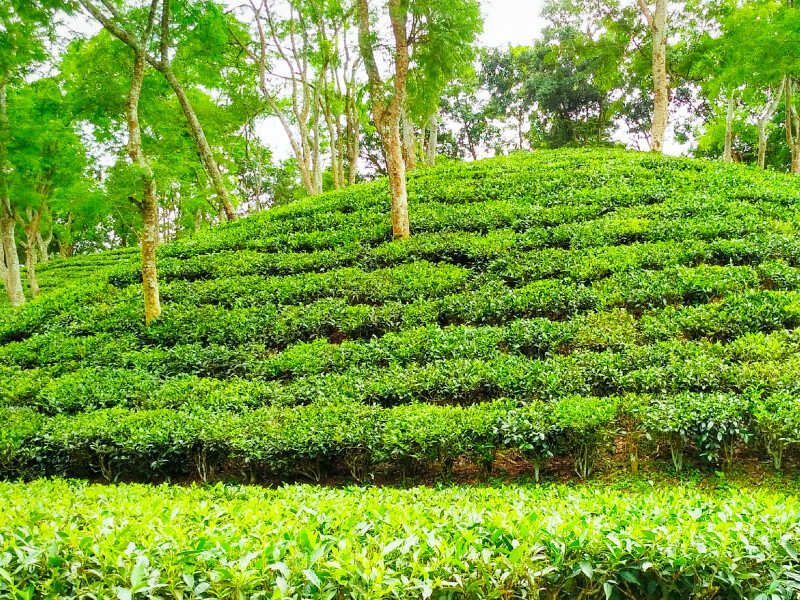
Madhabpur Tea Estate
Tea-covered hills descend toward one of Bangladesh’s best-known plantation lakes.
Explore More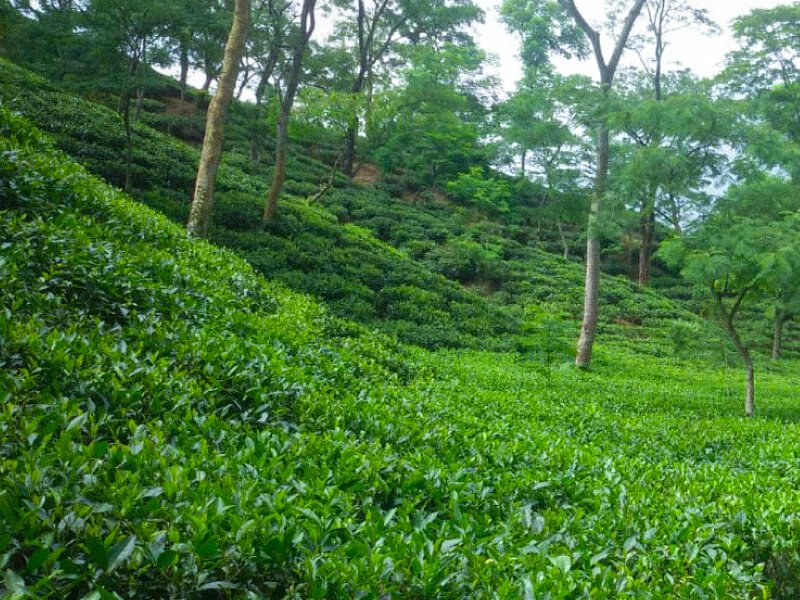
Rajkandi Tea Estate
Cultivated tea meets the deep forest country of eastern Moulvibazar.
Explore More