

Lakkatura Tea Estate
Emerald slopes rise beside Sylhet’s airport road and cricket stadium.
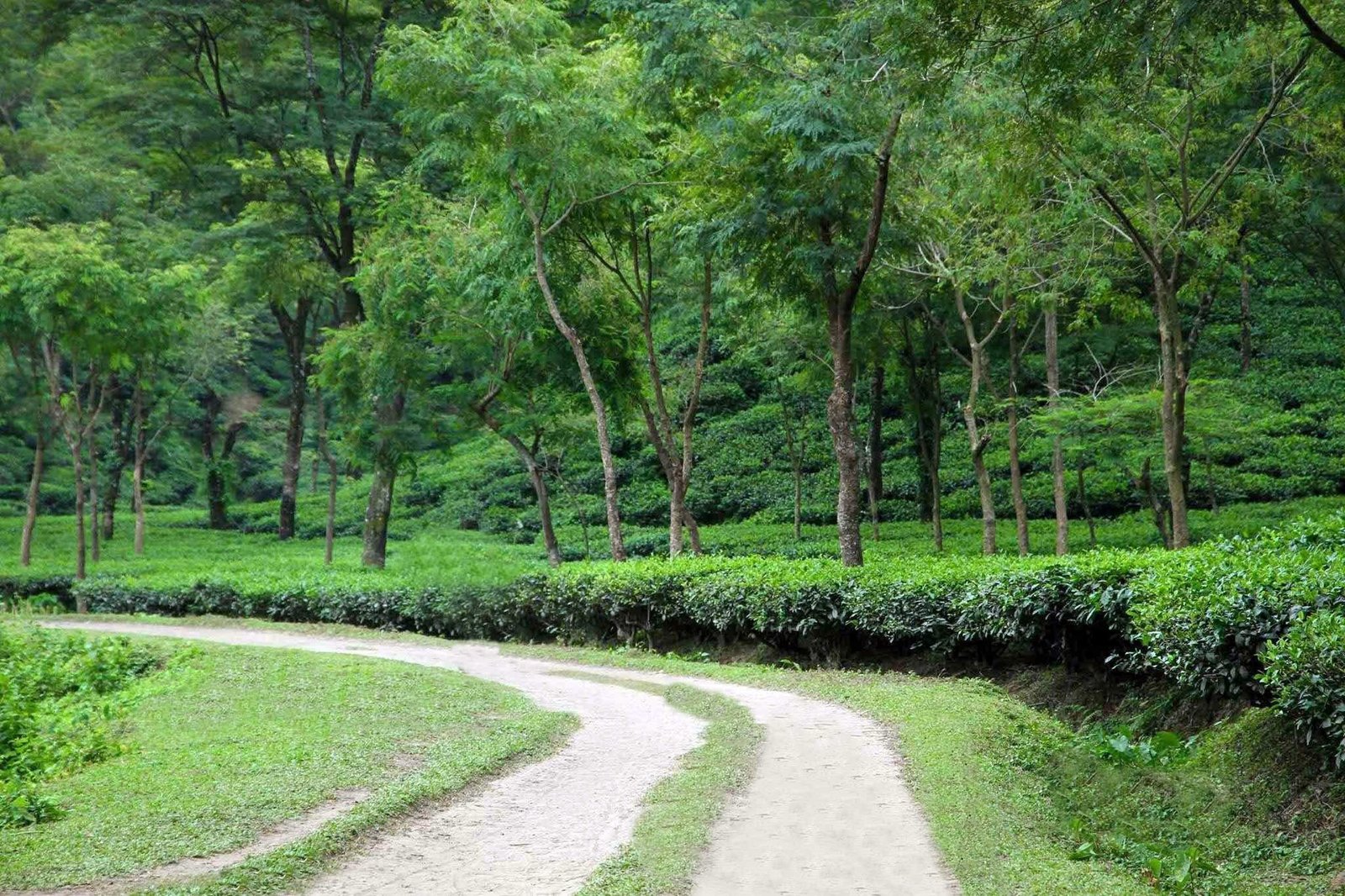
Leave the main road behind and enter the tea country of Sylhet city—with permission, curiosity and time to explore.
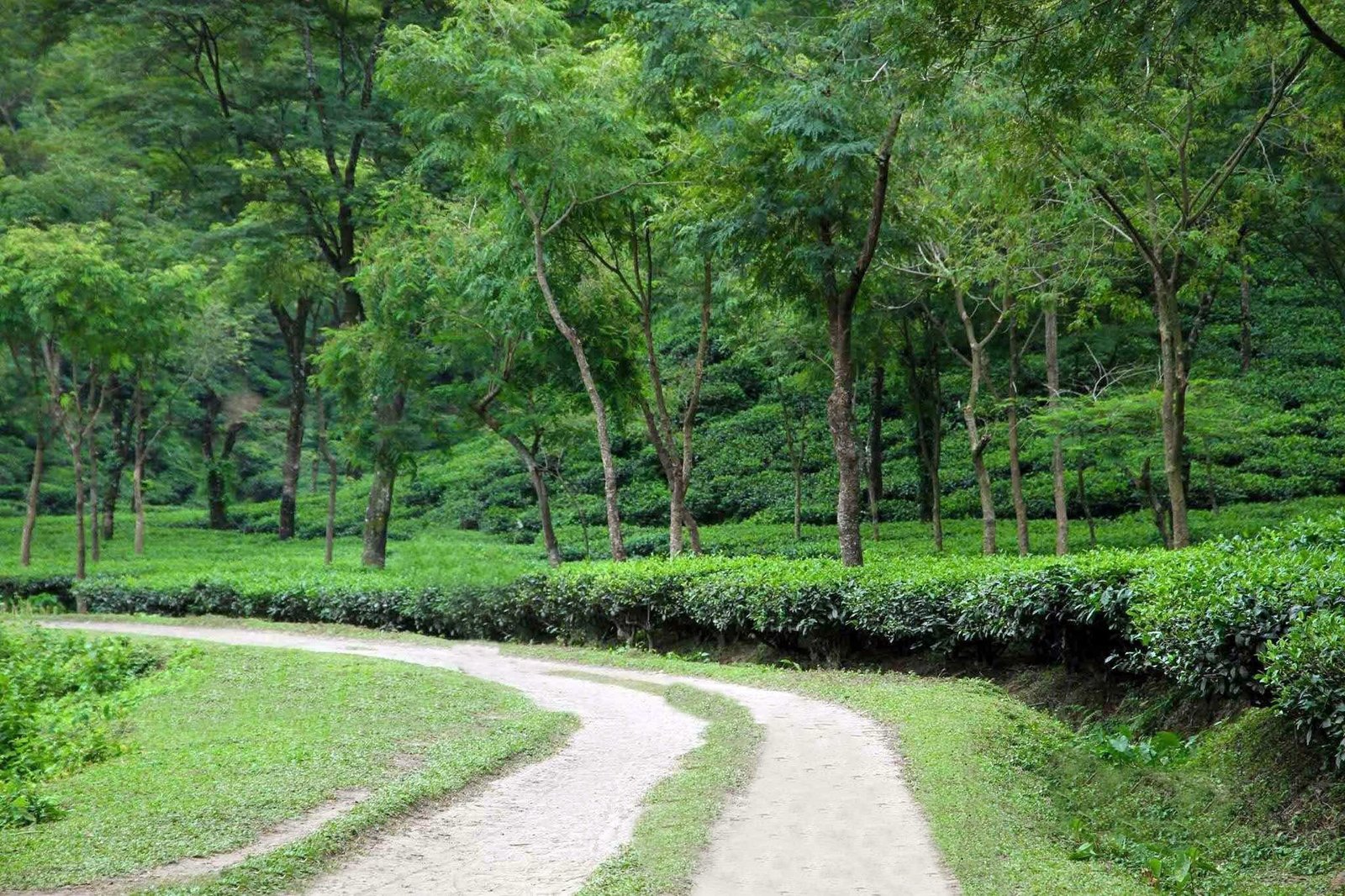
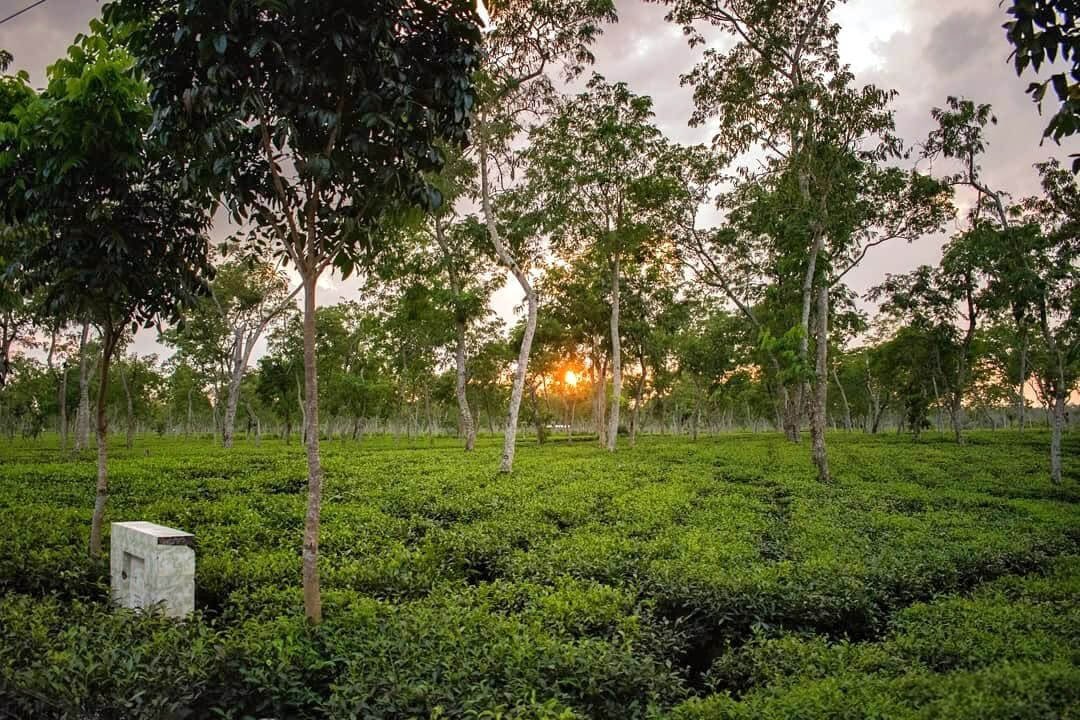
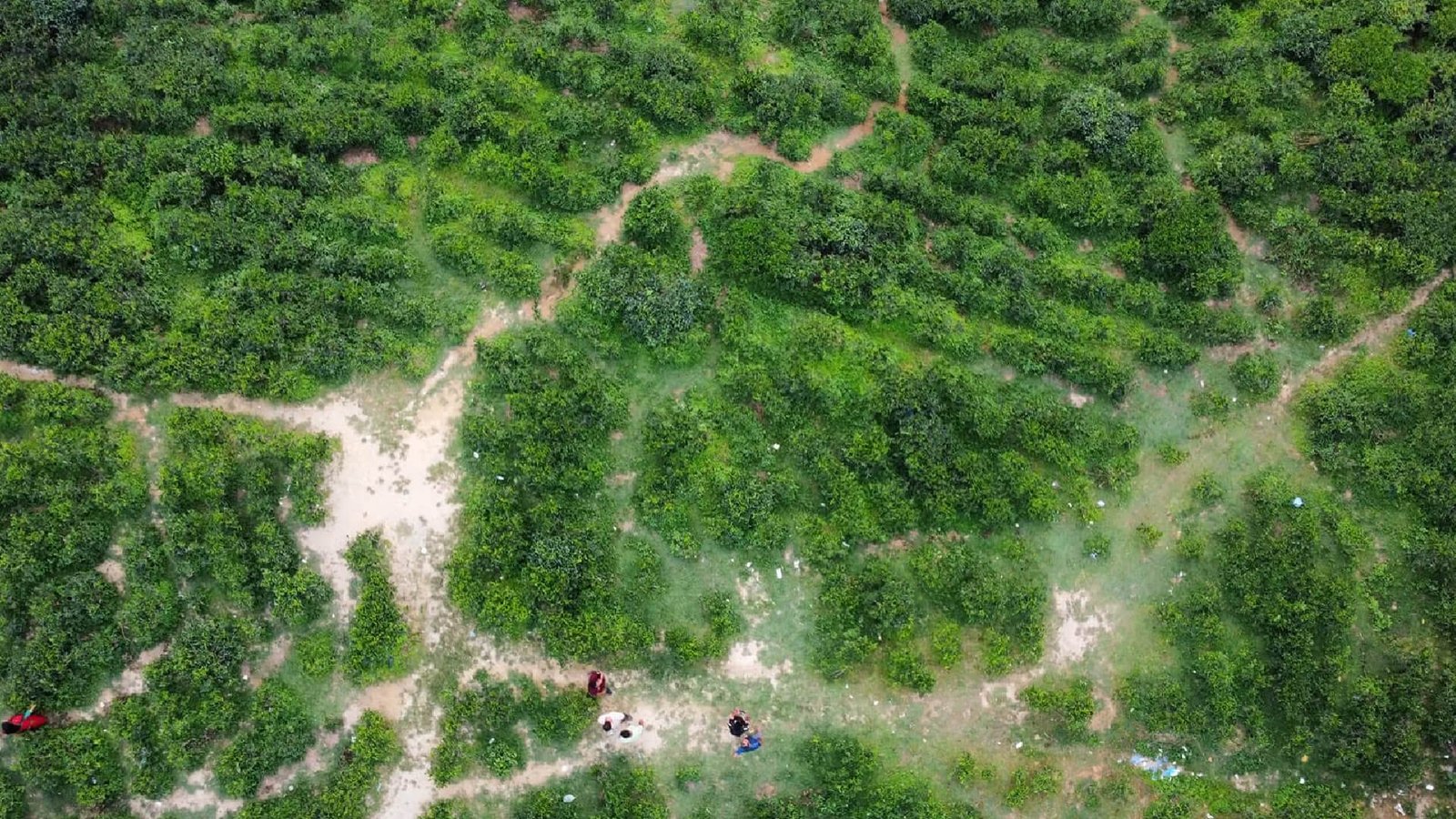
Lakkatura brings the tea landscape astonishingly close to urban Sylhet. The estate lies along the airport corridor and around the wider setting of Sylhet International Cricket Stadium, where green slopes create one of the city’s most distinctive visual backdrops. It is a working property, so the best experience begins with permission and a planned route. The physical topography of the property is defined by gentle rolling hillocks, locally referred to as "tillas," which form a continuous wavy green blanket across the entire landscape. Neatly trimmed bushes follow the natural curves and contours of these slopes, creating precise geometric patterns that shift dramatically in appearance with the changing sunlight throughout the day. Tall albizia and acacia trees are planted systematically across the grounds to filter direct sunlight and protect the delicate growing leaves from heavy summer heat.
During the annual monsoon season, the entire area transforms into a vibrant shade of deep emerald green as fresh rain washes the leaves clean and fills the low valleys with clear flowing streams. Paved public roads and narrow dirt trails wind quietly through the property, inviting daily walkers, joggers, and photography enthusiasts to explore the serene environment right alongside the regular agricultural activities happening across the hills. Beyond its immediate visual appeal, the garden functions as a major commercial powerhouse of regional tea production, yielding thousands of kilograms of high-quality black tea annually. The daily harvesting routine relies entirely on the expertise and dedication of resident workers whose families have lived and worked on the property for multiple generations.
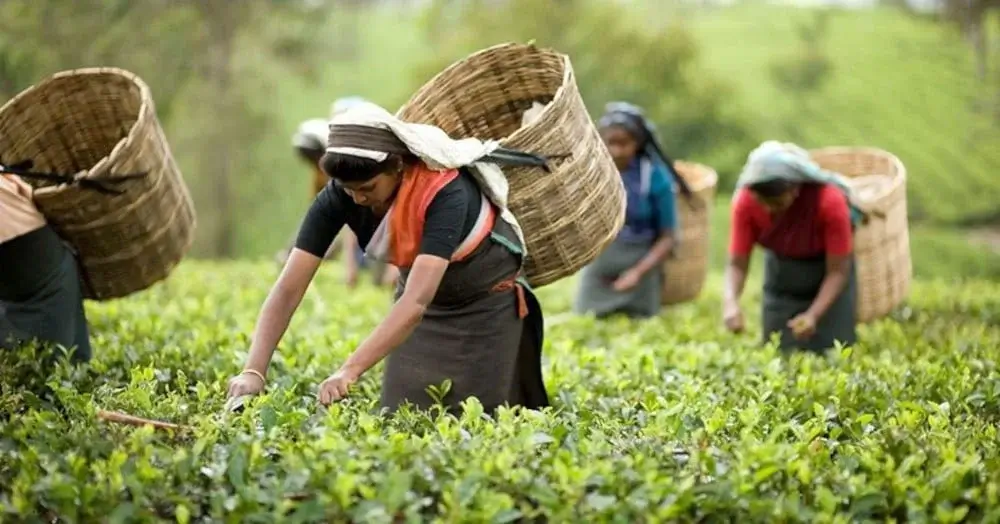
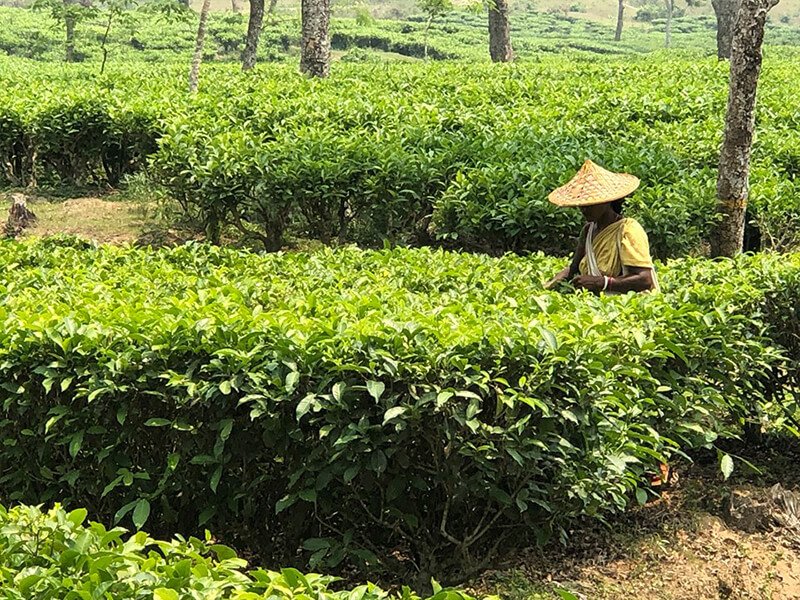
Working diligently from early morning until late afternoon, skilled pluckers carefully harvest tender top leaves that are quickly gathered at designated weighing stations before being processed at industrial factories. To maximize the agricultural value of the expansive property, estate managers have also integrated large sections of commercial rubber plantations and fruit orchards alongside the primary crops. This comprehensive infrastructure ensures that the historical plantation remains a thriving community that preserves traditional farming methods right next to a developing city.
Immersive Experience
No 360° Videos available
Destination Gallery
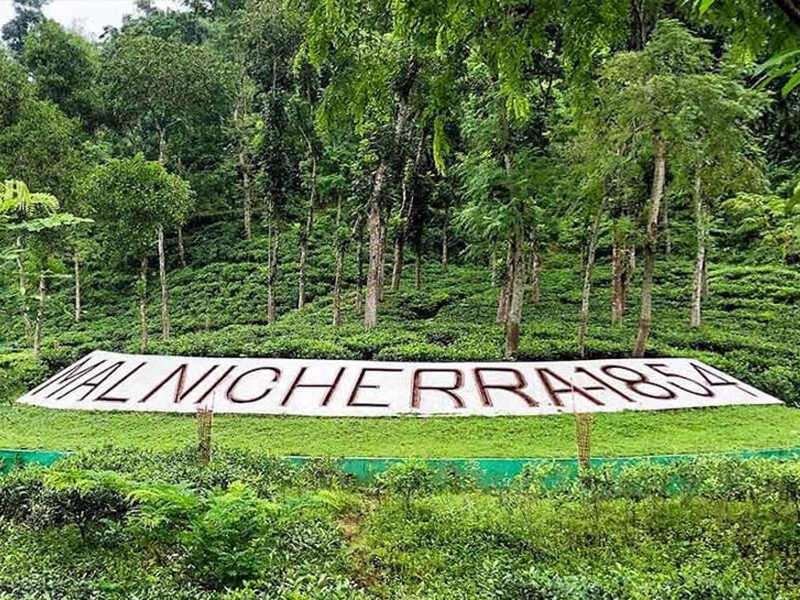
Malnicherra Tea Estate (Sylhet)
Bangladesh’s earliest commercial tea story unfolds beside the energy of Sylhet city.
Explore More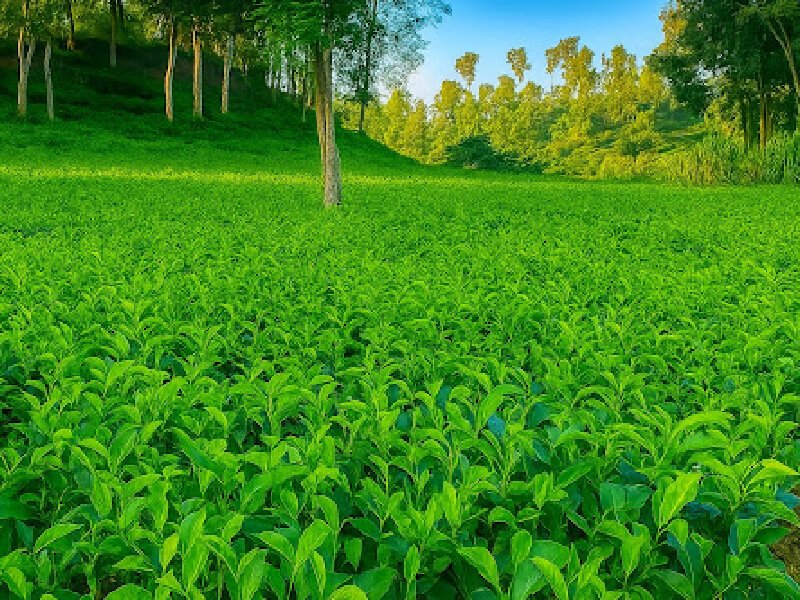
Finlay Tea Estate
Historic tea estates spread across the rolling green country that made Sreemangal synonymous with Bangladeshi tea.
Explore More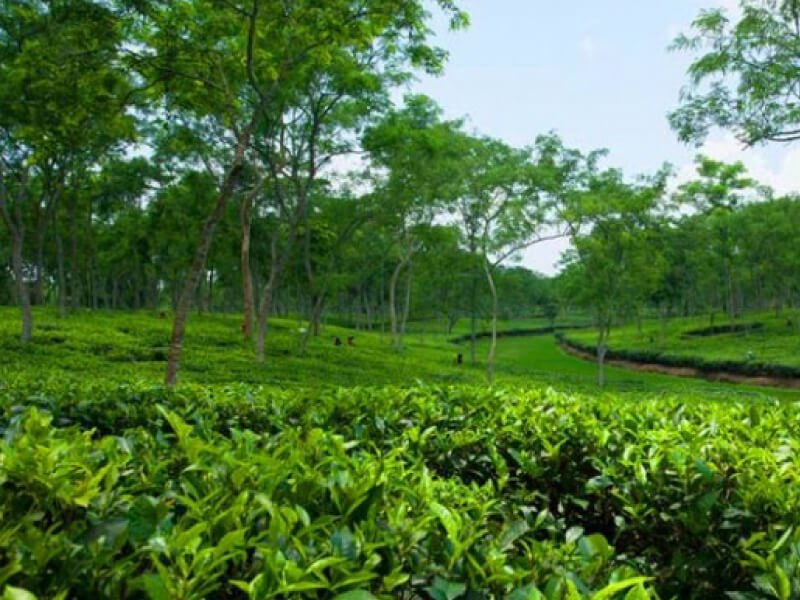
Balisera Tea Estate and Valley
Broad tea valleys, forest edges and quiet roads define the classic Sreemangal escape.
Explore More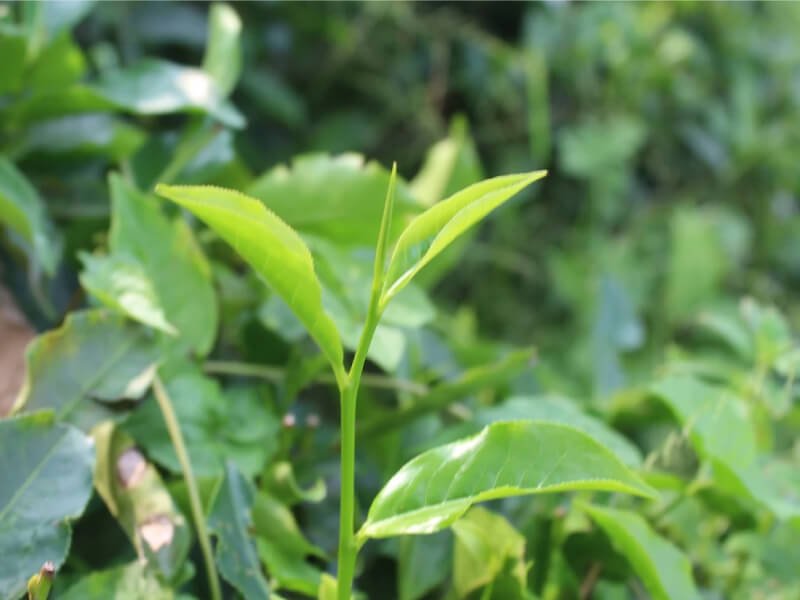
Satgaon Tea Estate
A roadside gateway opens into the quieter tea country between Habiganj and Sreemangal.
Explore More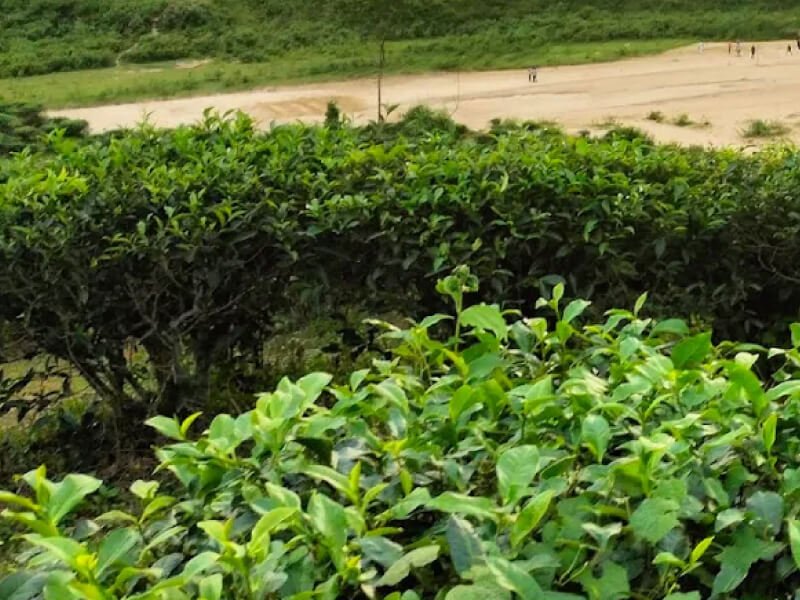
Chunarughat Tea-Garden Landscape
Tea estates and low forested hills stretch toward Bangladesh’s eastern frontier.
Explore More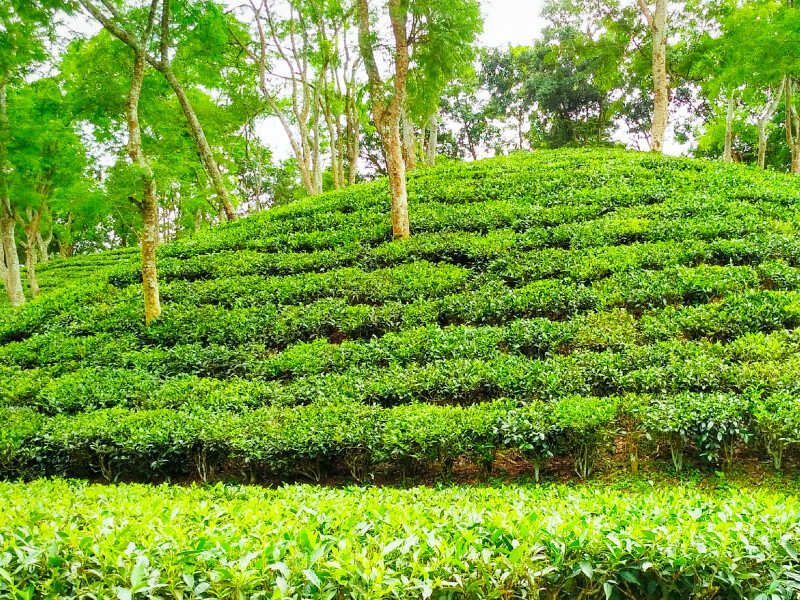
Madhabpur Tea Estate
Tea-covered hills descend toward one of Bangladesh’s best-known plantation lakes.
Explore More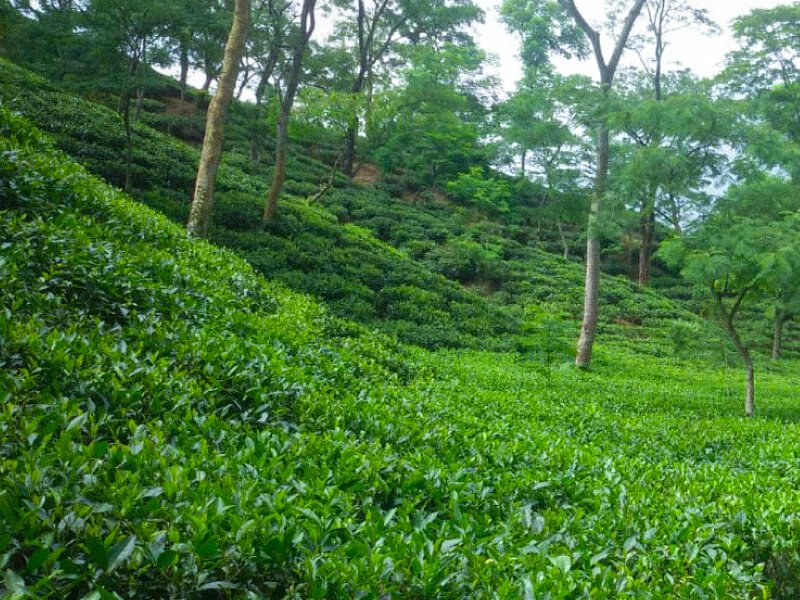
Rajkandi Tea Estate
Cultivated tea meets the deep forest country of eastern Moulvibazar.
Explore More