

Chunarughat Tea-Garden Landscape
Tea estates and low forested hills stretch toward Bangladesh’s eastern frontier.
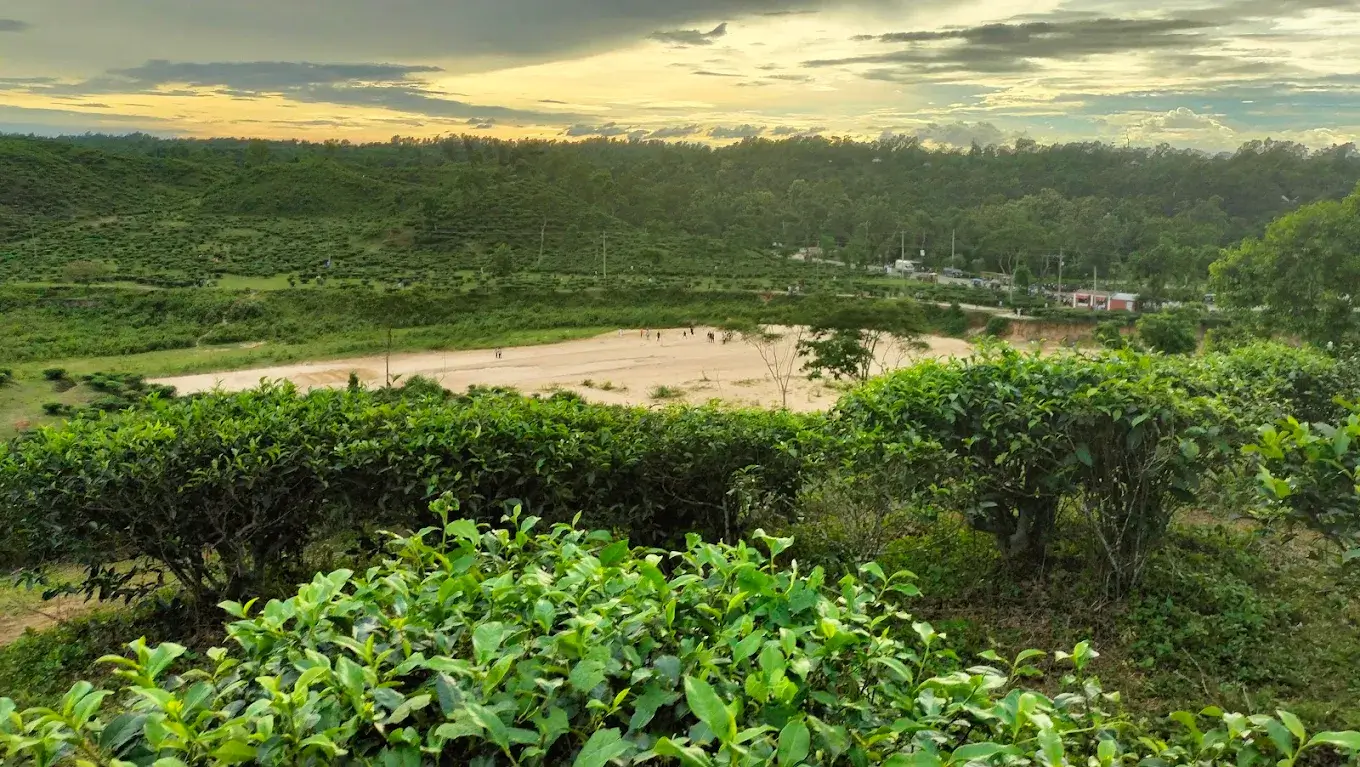
Leave the main road behind and enter the tea country of Chunarughat—with permission, curiosity and time to explore.
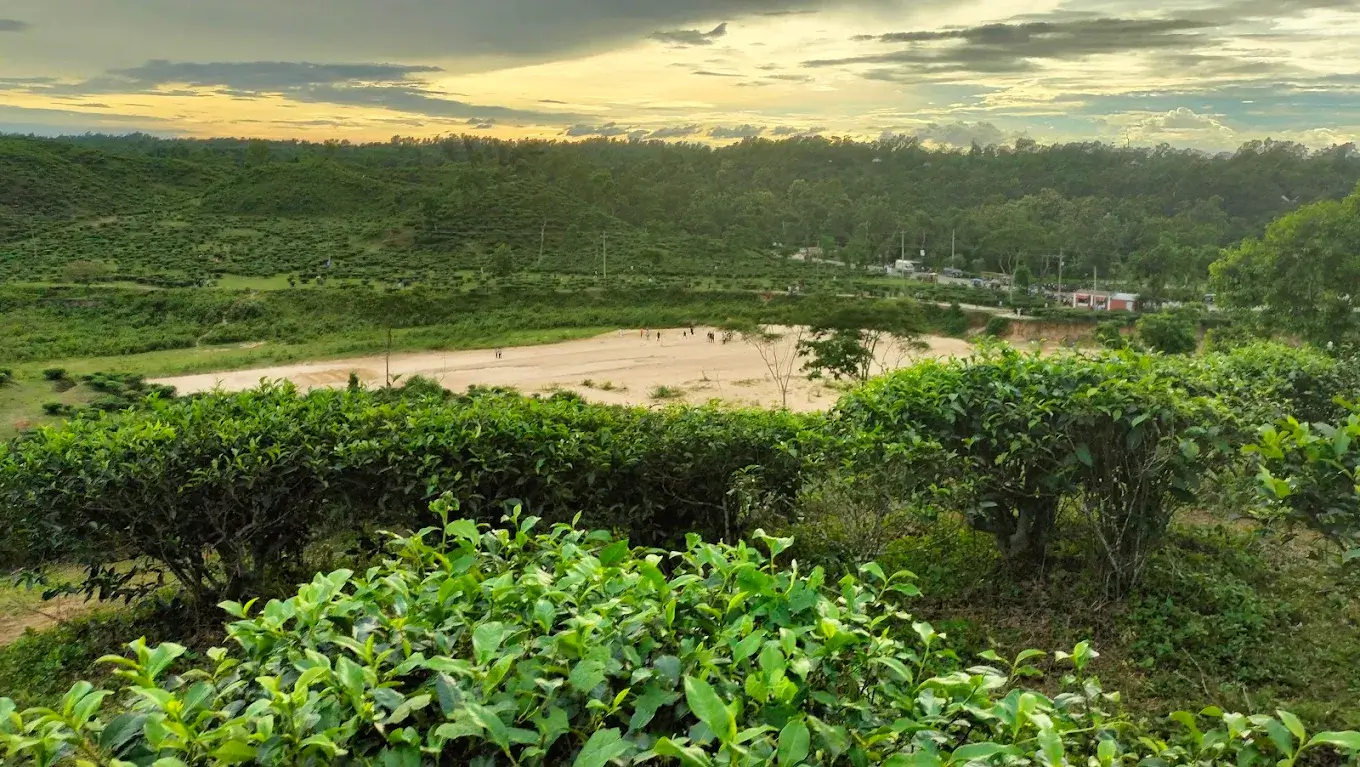
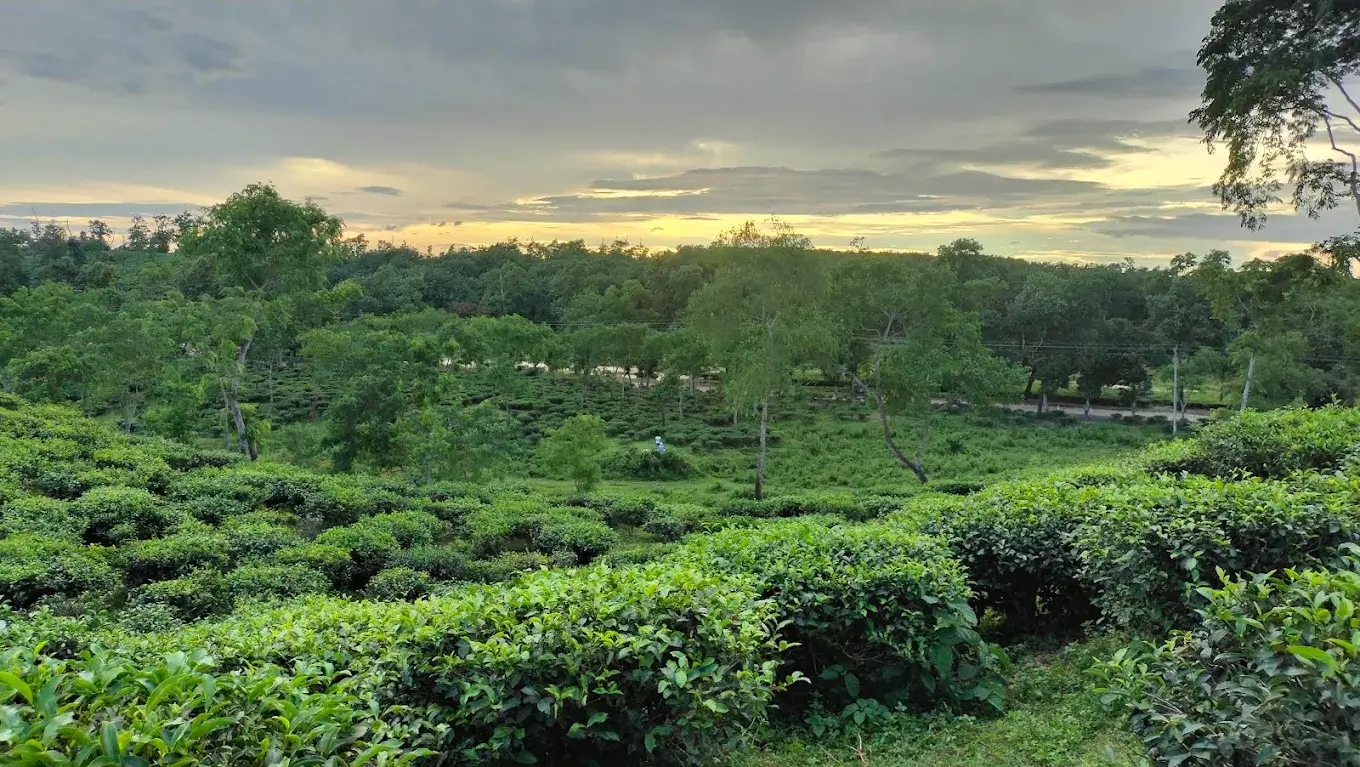
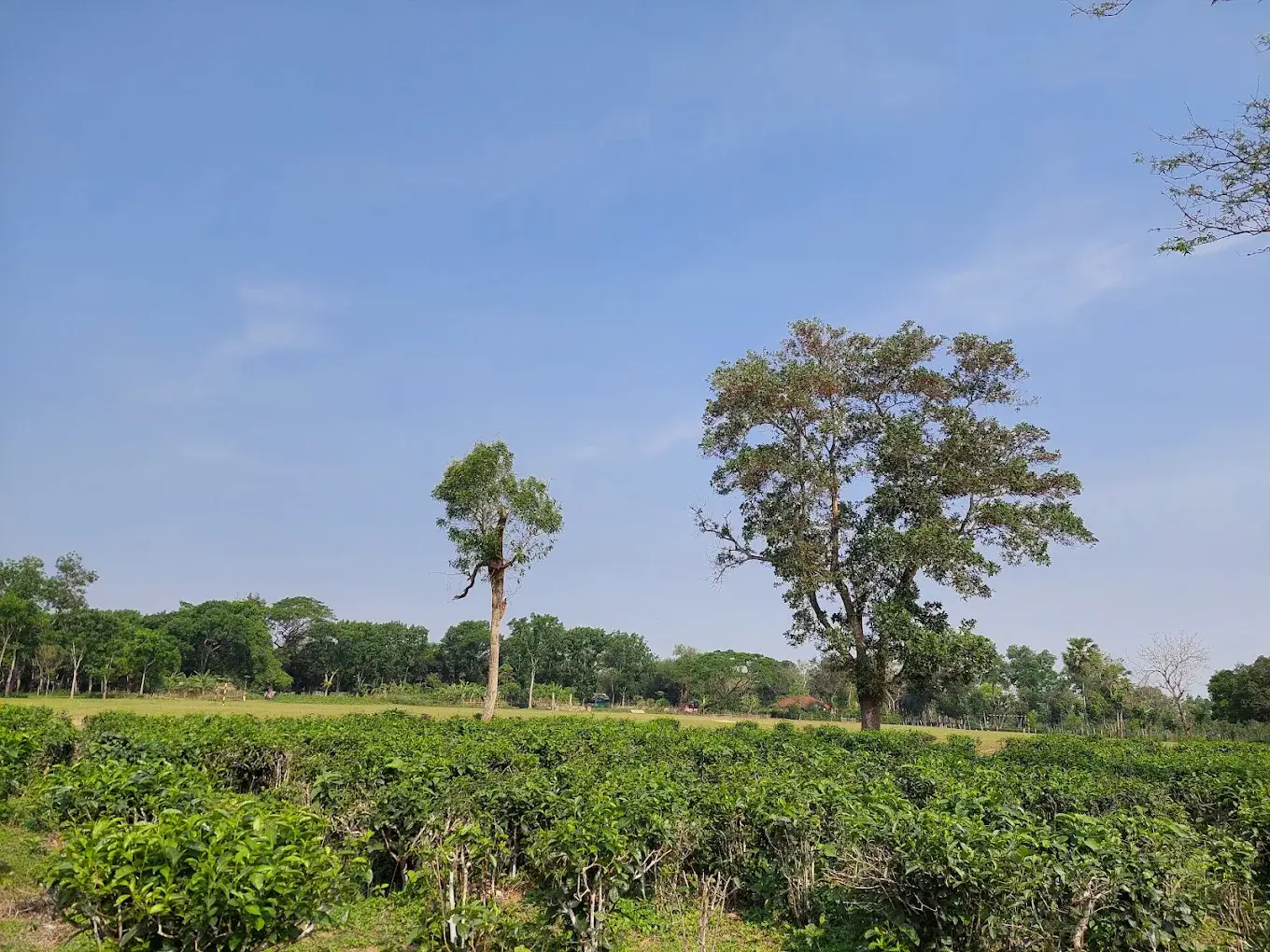
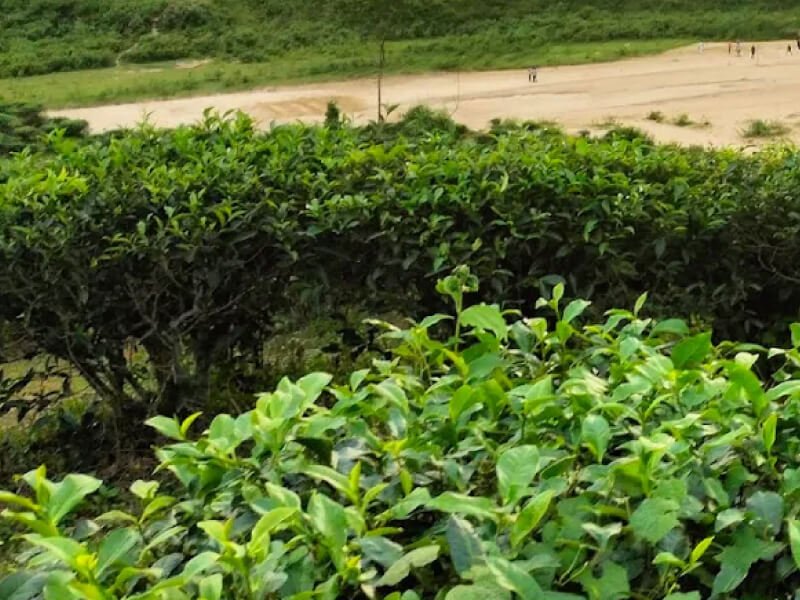
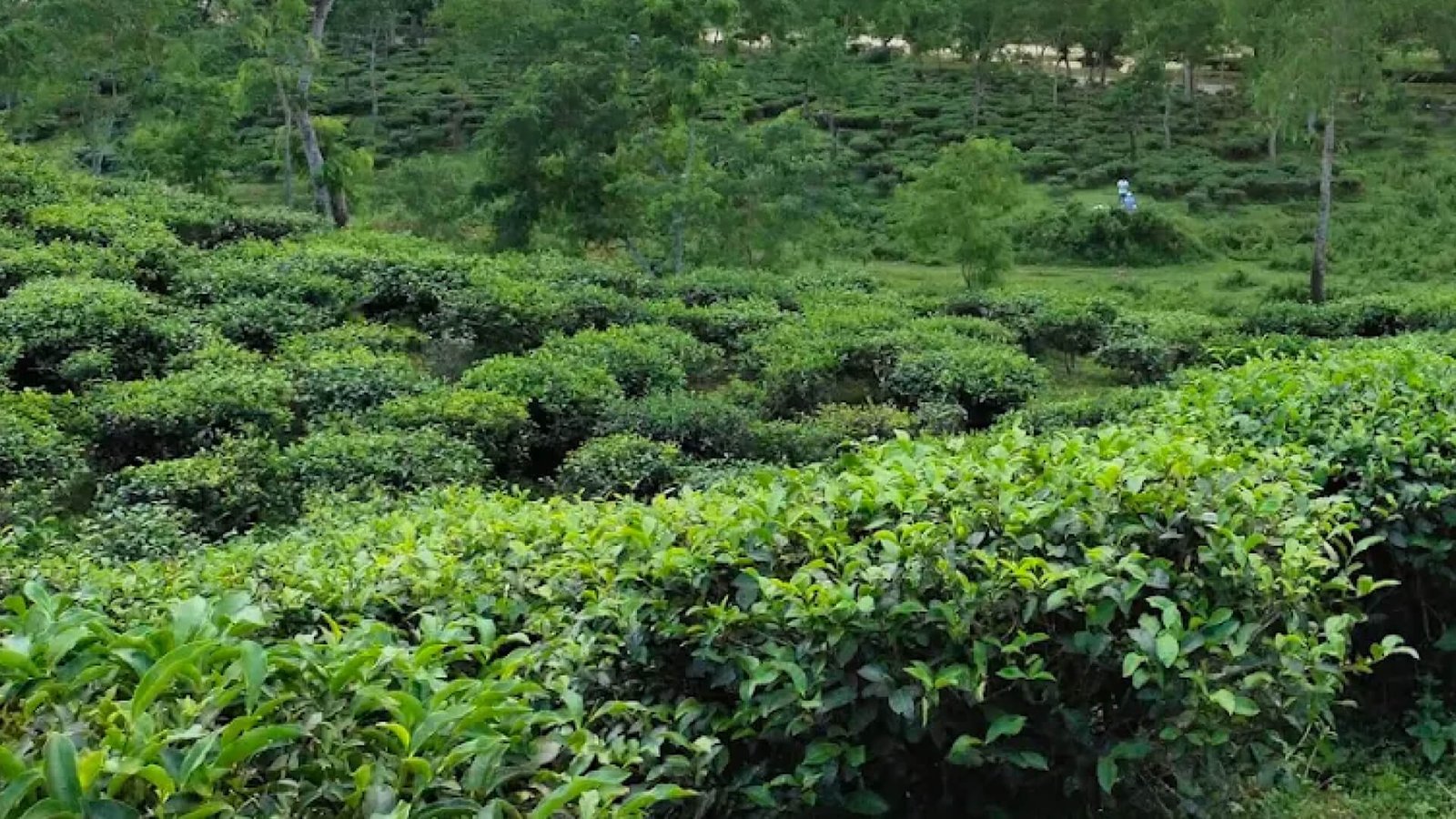
Chunarughat is better understood as a tea-growing landscape than as one unrestricted attraction. The upazila contains working gardens spread across low hills and plains near Bangladesh’s eastern frontier. A planned route can reveal long green contours, forest edges and the daily movement of a production region without treating private estate land as public space. The layout across the estate is shaped by soft, rolling slopes that create natural waves of greenery stretching out toward the horizon. The fertile red soil of the region provides incredible nourishment for the tea plants, allowing them to produce healthy and flavorful leaves season after season. To keep the low bushes from scorching under the warm afternoon sun, tall shade trees are planted evenly throughout the fields.
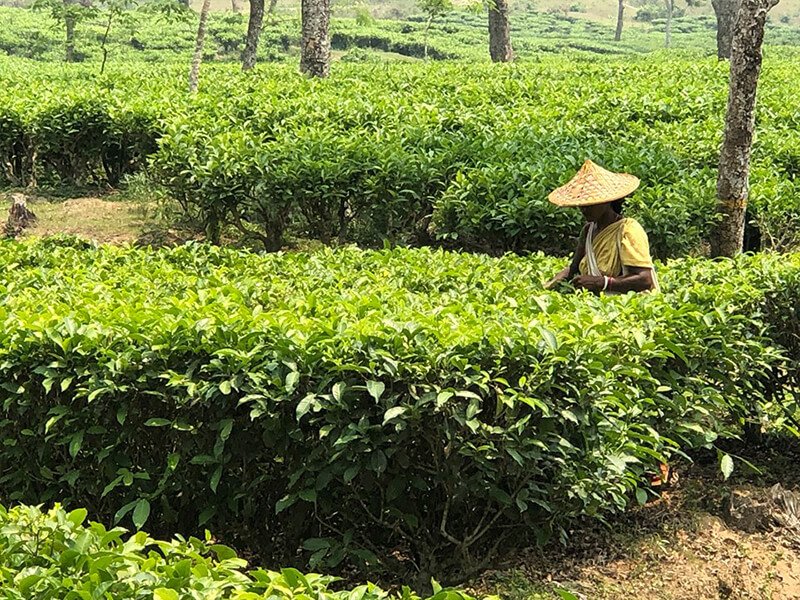
Their wide branches sway gently in the breeze, casting cooling shadows over the crops while serving as a natural sanctuary for songbirds and butterflies. Small freshwater streams flow quietly through the low valleys between the hills, providing a vital natural drainage system during the heavy monsoon rains and adding a soothing sound to the quiet surroundings. Life inside the garden revolves around a close-knit community whose families have cared for these fields across multiple generations. As the sun begins to climb, groups of skilled pluckers step into the green slopes carrying woven baskets. Moving with practiced grace and quick hands, they gently select the youngest tender shoots from each branch, ensuring the plants stay healthy for future harvests.
This daily work is supported by a self-contained village infrastructure where neighbors share strong cultural bonds, celebrating traditional festivals together throughout the year. Once gathered and weighed, the fresh green leaves make a quick journey to local processing facilities to be carefully withered, rolled, and dried into aromatic black tea. Beyond its steady contribution to the national tea market, this peaceful corner of Habiganj remains a wonderful example of harmony between human labor and nature. The colorful weekly village markets near the estate buzz with lively chatter as workers and local farmers gather to exchange fresh produce and everyday goods.
Immersive Experience
No 360° Videos available
Destination Gallery
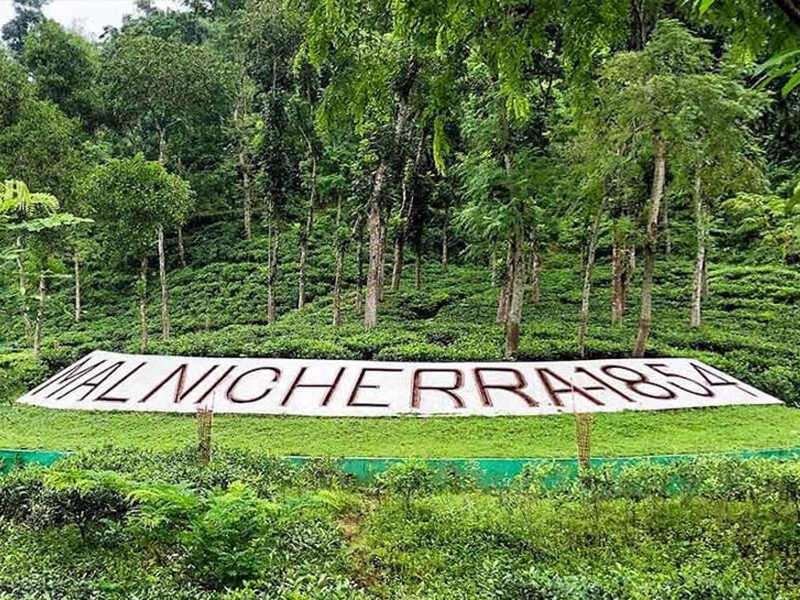
Malnicherra Tea Estate (Sylhet)
Bangladesh’s earliest commercial tea story unfolds beside the energy of Sylhet city.
Explore More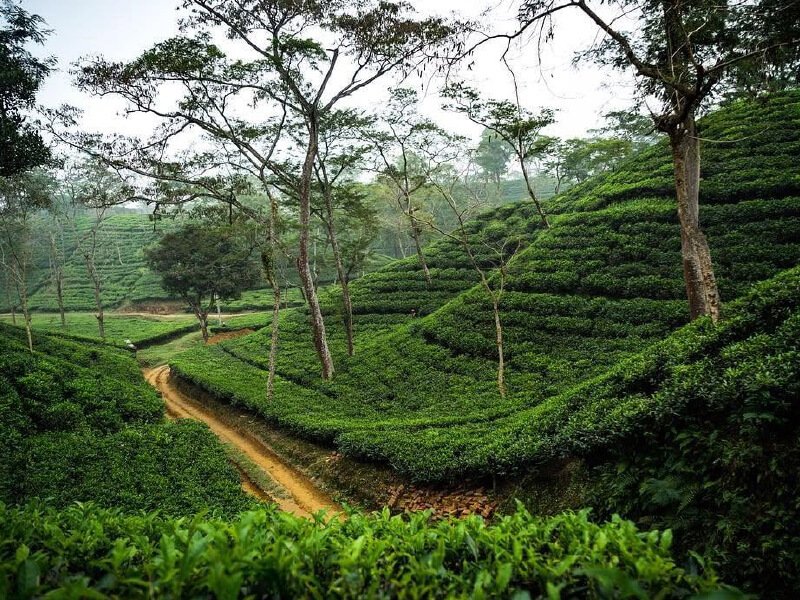
Lakkatura Tea Estate
Emerald slopes rise beside Sylhet’s airport road and cricket stadium.
Explore More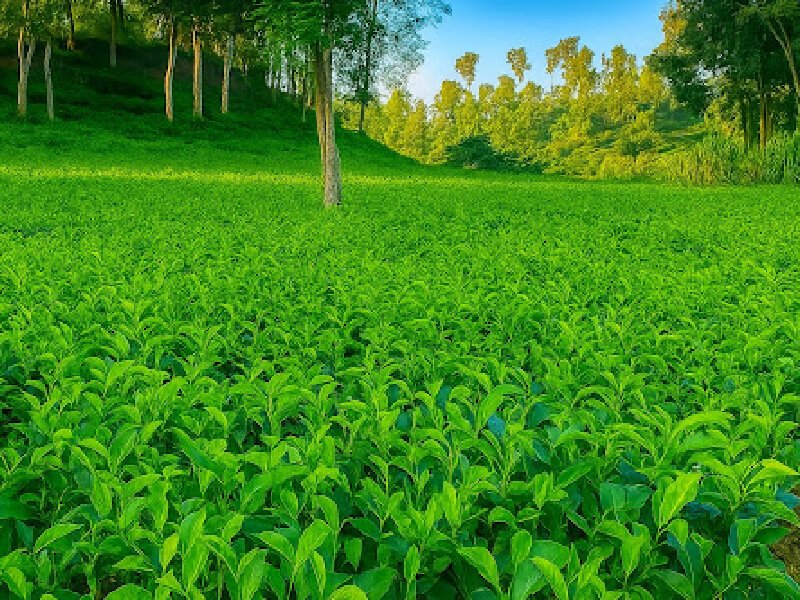
Finlay Tea Estate
Historic tea estates spread across the rolling green country that made Sreemangal synonymous with Bangladeshi tea.
Explore More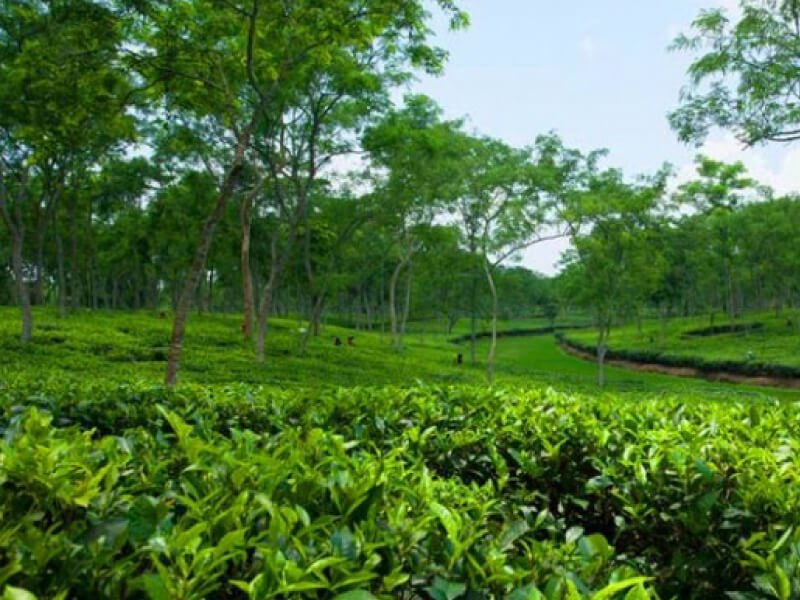
Balisera Tea Estate and Valley
Broad tea valleys, forest edges and quiet roads define the classic Sreemangal escape.
Explore More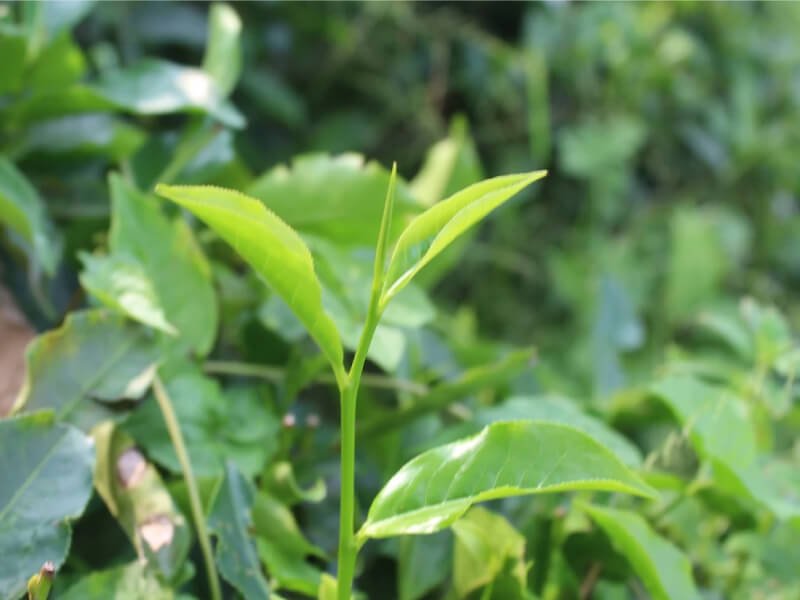
Satgaon Tea Estate
A roadside gateway opens into the quieter tea country between Habiganj and Sreemangal.
Explore More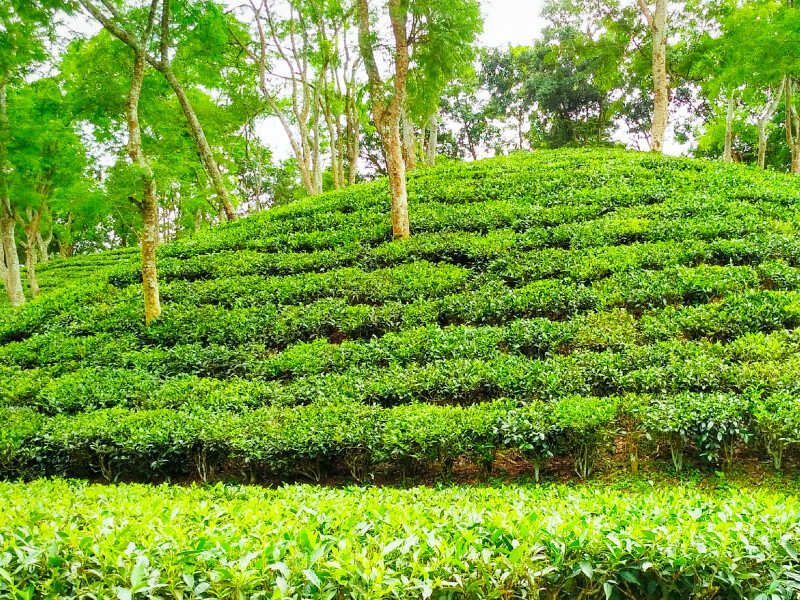
Madhabpur Tea Estate
Tea-covered hills descend toward one of Bangladesh’s best-known plantation lakes.
Explore More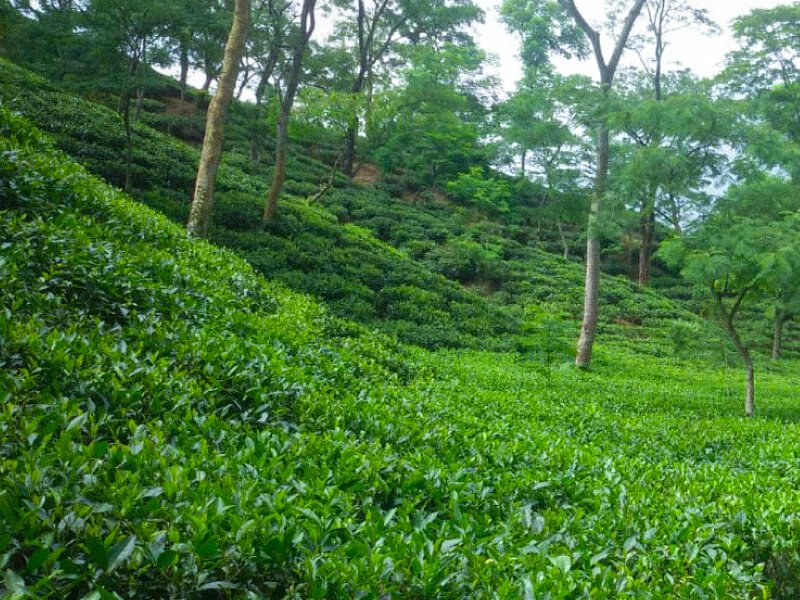
Rajkandi Tea Estate
Cultivated tea meets the deep forest country of eastern Moulvibazar.
Explore More