

Sundarban Honey
A wild forest harvest gathered under the tides and strict rhythms of the Sundarbans.
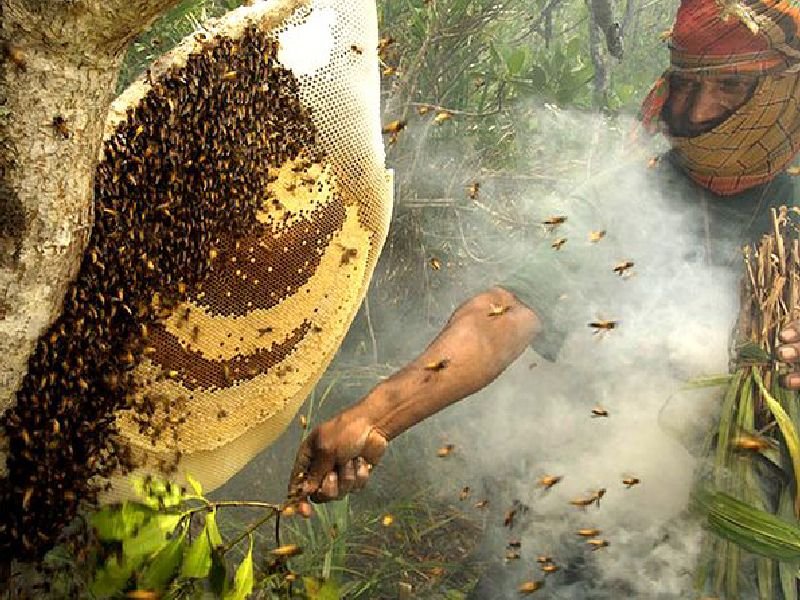
Taste the mangrove wilderness—responsibly, cautiously and through trusted local channels.
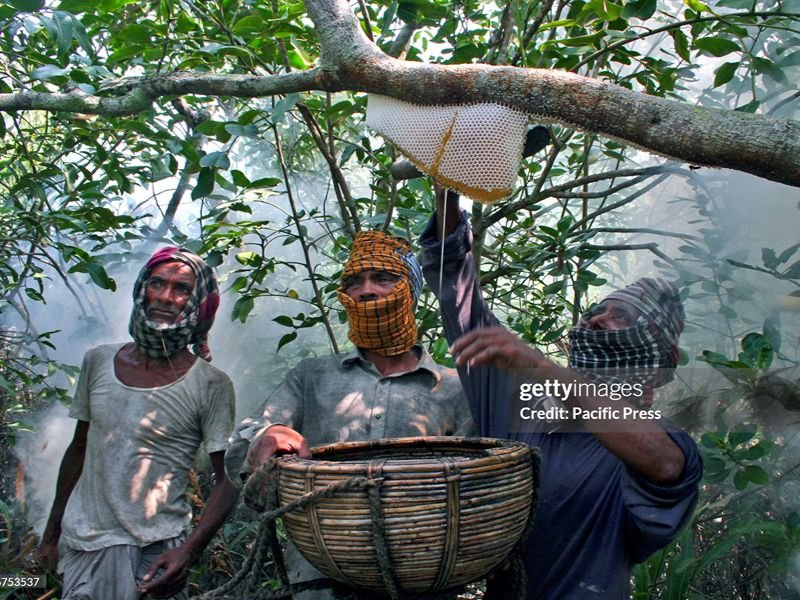
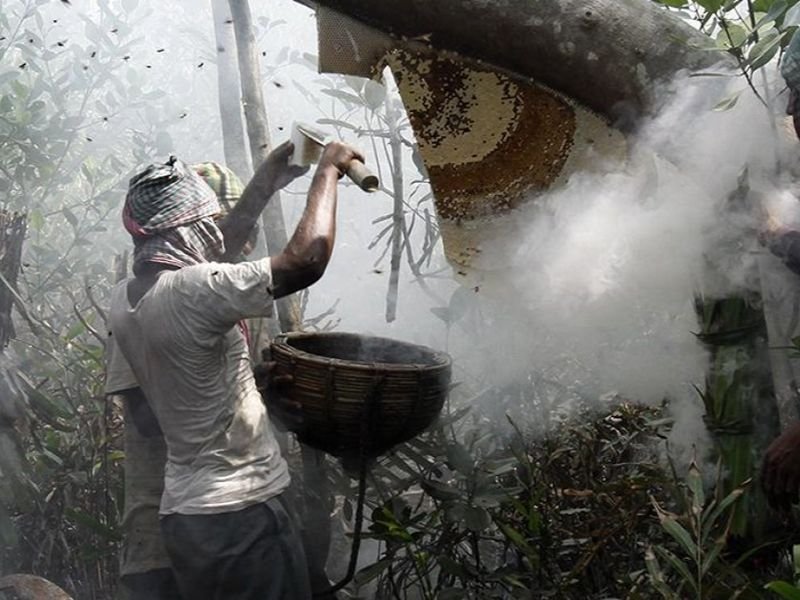
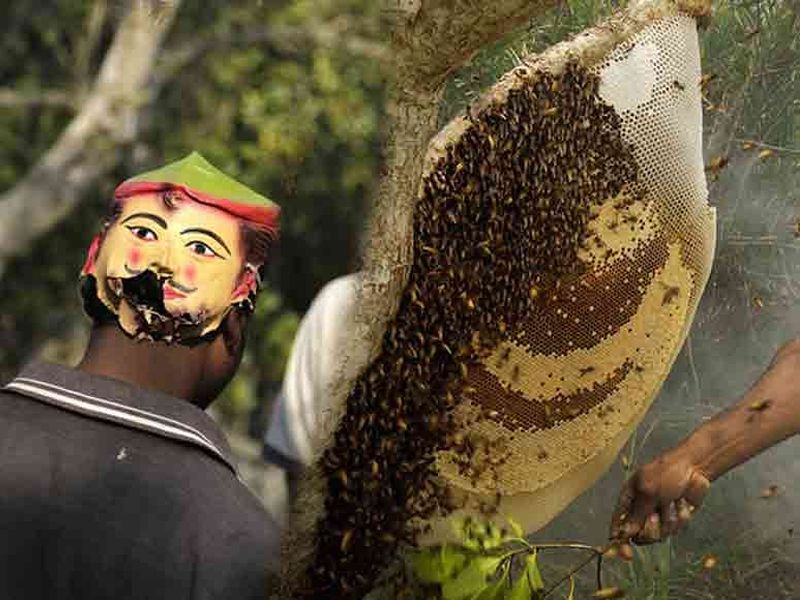
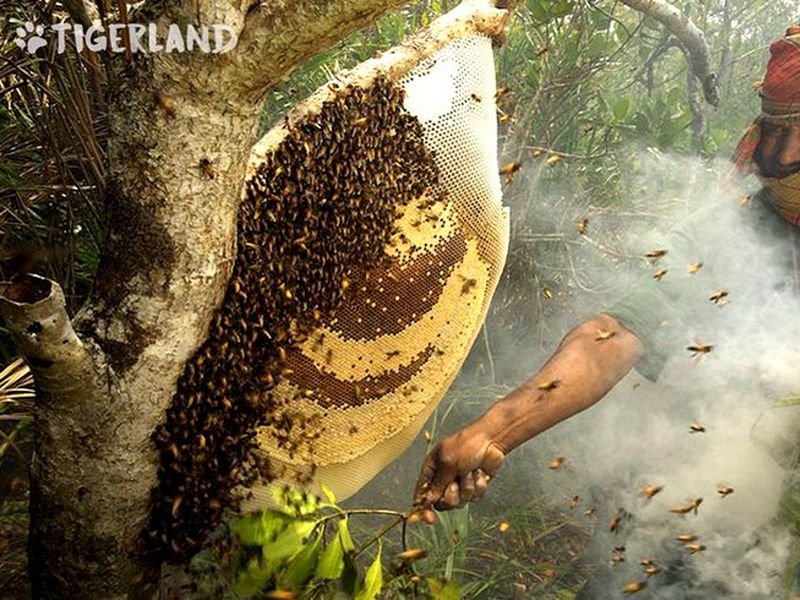
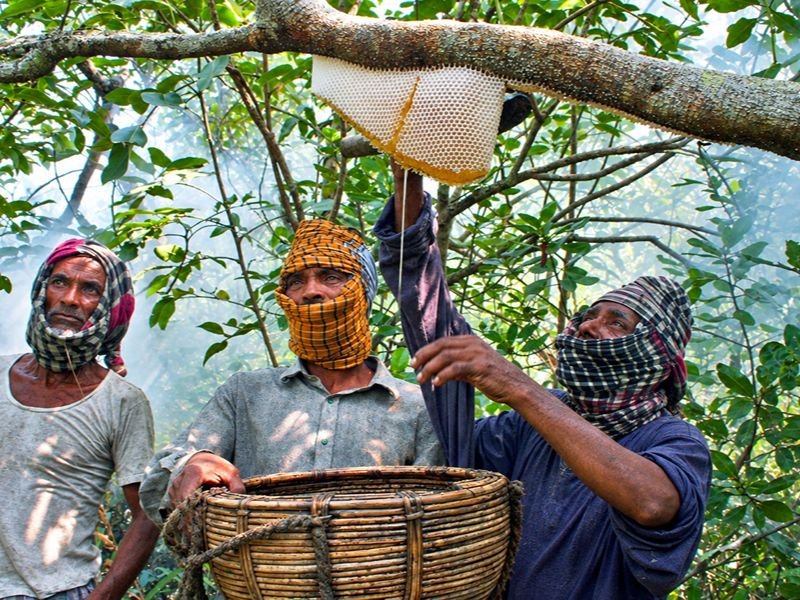
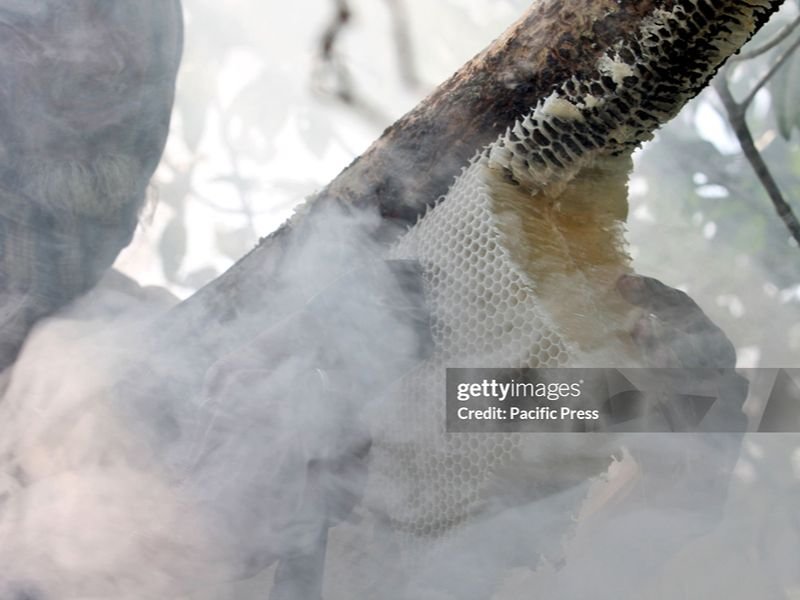
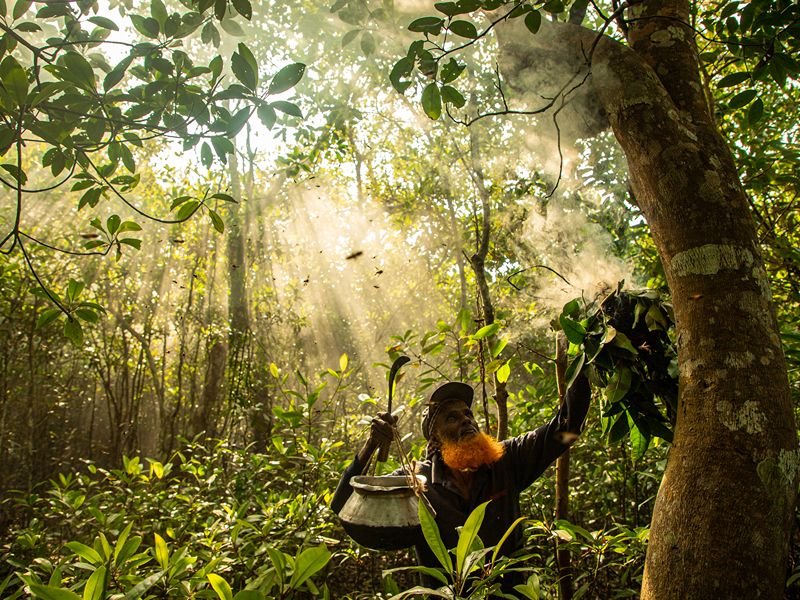
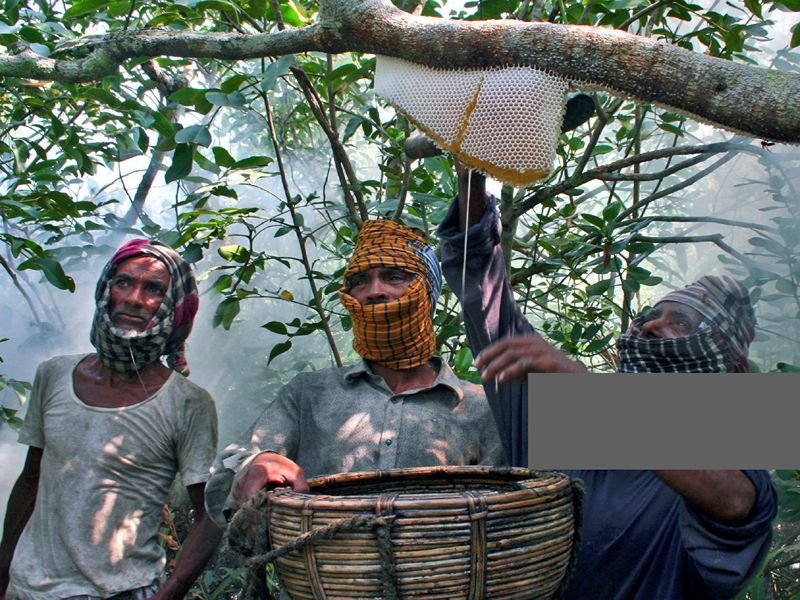
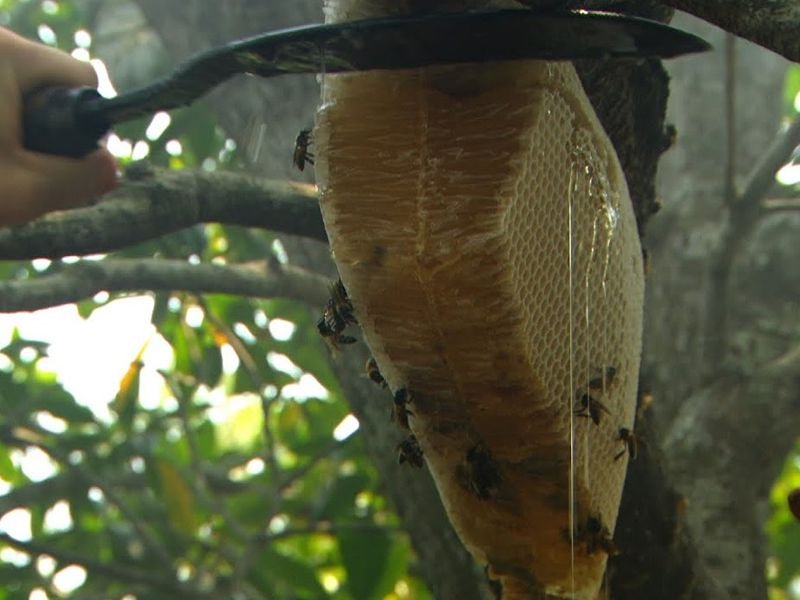
When spring arrives in the southern coastal region of Bangladesh, the world's largest mangrove forest undergoes a quiet yet spectacular transformation. The dense, tidal landscape of the Sundarbans bursts into bloom, suddenly covered in the delicate blossoms of native Kholsha, Goran, and Bain trees. This seasonal blossoming triggers one of the most remarkable natural harvests found anywhere in South Asia. Wild Sundarban Honey is a pure forest product, existing entirely outside the realm of modern agricultural practices or commercial beekeeping. It carries the raw, untamed essence of the Bengal delta, offering a deeply complex flavor profile that standard farms simply cannot replicate. The gathering of this wild nectar is a brave, centuries-old tradition maintained by local honey hunters affectionately known as Mouals.
Every year, as the floral blooming season reaches its absolute peak between the months of April and June, these highly skilled foragers leave their coastal villages. They venture deep into the intricate, winding network of rivers and muddy creeks on small wooden boats. The Mouals navigate a dangerous, constantly shifting environment; one shared with royal Bengal tigers and saltwater crocodiles; relying on ancient wisdom to locate massive natural hives hidden high in the thick canopy. Because the forest bees forage exclusively on the unique, salt-tolerant mangrove flora, the resulting honey remains completely organic and naturally rich. A freshly collected jar of authentic Sundarban honey looks and behaves quite differently from standard supermarket varieties. Visually, it typically features a beautiful, deep golden to dark amber hue that catches the light perfectly.
It also maintains a slightly thinner, more liquid consistency than typical thick farmed honey. The tasting experience is exceptionally rich and beautifully layered. It delivers a vibrant, earthy sweetness that is elegantly balanced by a very faint, pleasant tartness derived directly from the coastal mangrove flowers. This subtle tang gives the liquid a refreshing, bright aftertaste, making it an exquisite natural sweetener for warm herbal teas, morning oats, or fresh traditional breads. Beyond its magnificent taste, this wild forest honey is highly prized across the country for its exceptional medicinal properties.
Immersive Experience
No 360° Videos available
Destination Gallery
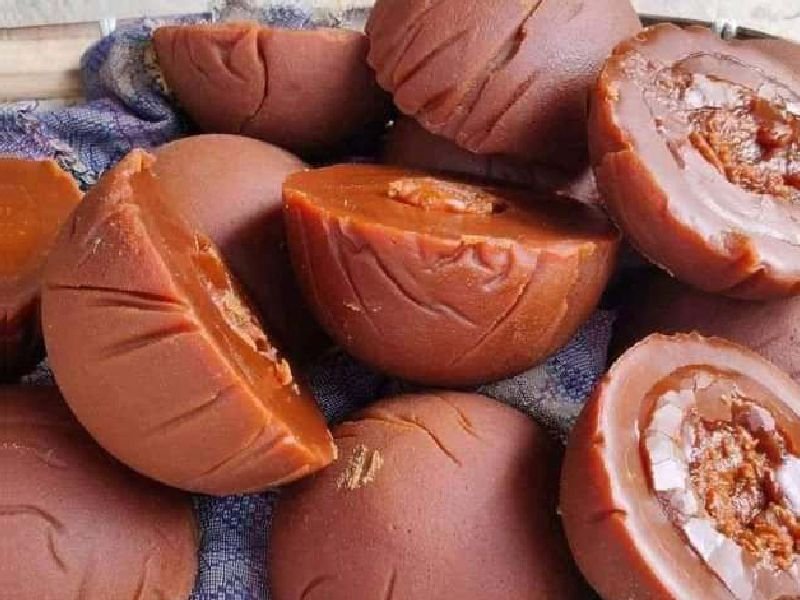
Jashore Date Molasses / Khejurer Gur
A celebrated local taste shaped by skilled makers and the food culture of Jashore.
Explore More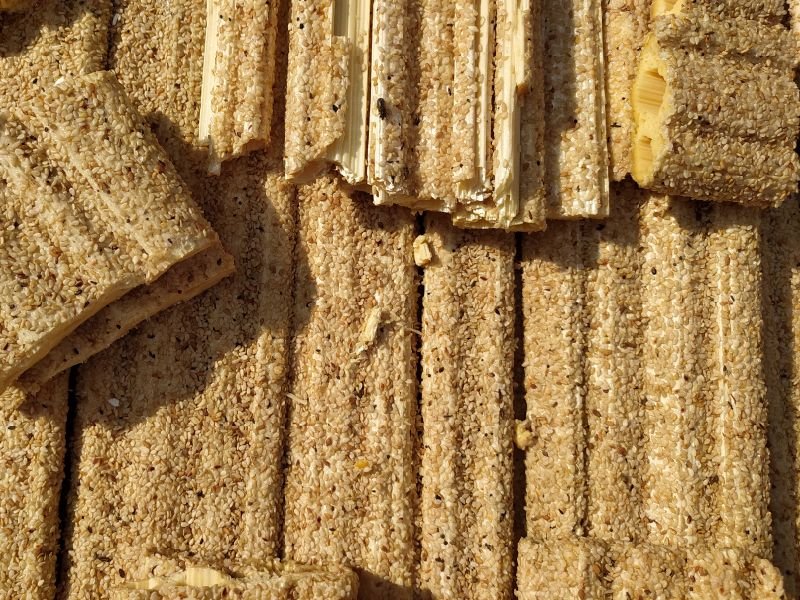
Kushtia Tiler Khaja
A celebrated local taste shaped by skilled makers and the food culture of Kushtia.
Explore More
Kumarkhali Bedsheet
Handmade heritage, patient skill and a living design tradition from Kushtia.
Explore More
Meherpur Sabitri Sweet
A recognised regional treasure shaped by the people and landscape of Meherpur.
Explore More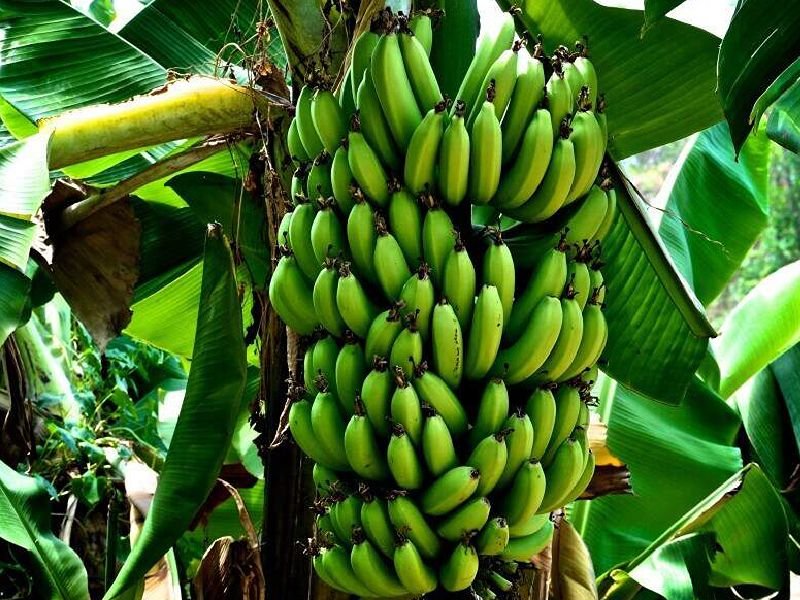
Meherpur Meher Sagar Banana
A peak-season harvest that turns Meherpur into a trail of colour, fragrance and flavour.
Explore More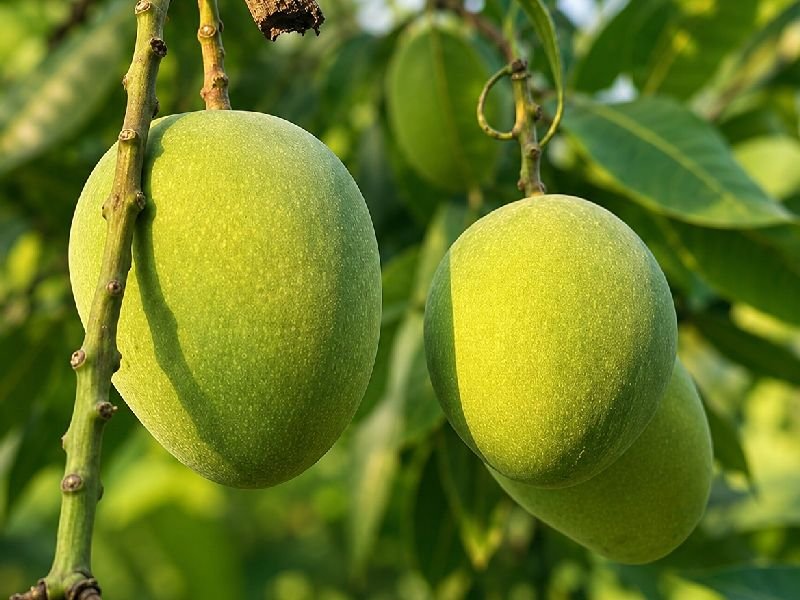
Meherpur Himsagar Mango
A peak-season harvest that turns Meherpur into a trail of colour, fragrance and flavour.
Explore More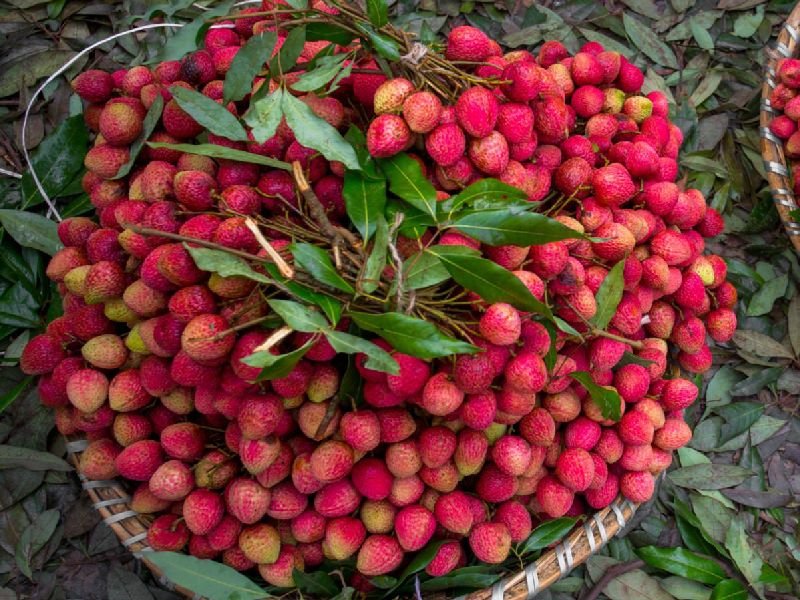
Magura Hazrapuri Litchi
A peak-season harvest that turns Magura into a trail of colour, fragrance and flavour.
Explore More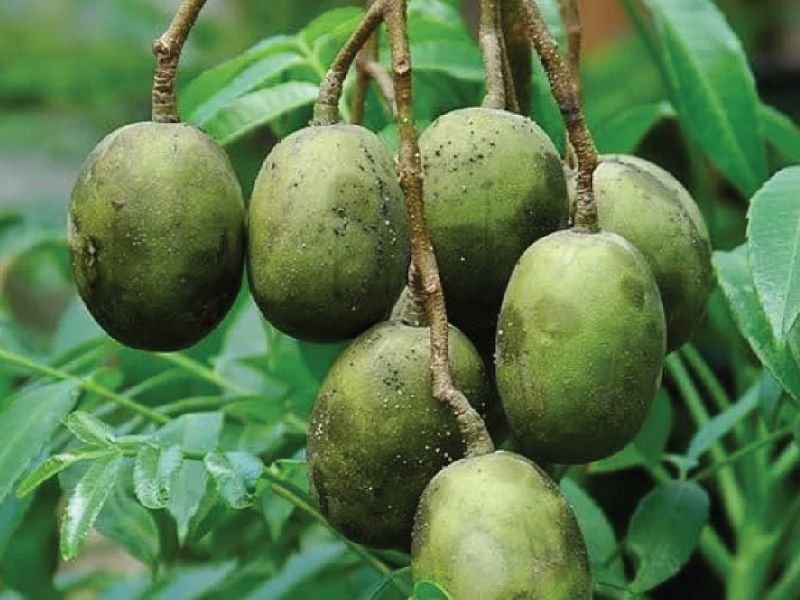
Barishal Amra / Hog Plum
A peak-season harvest that turns Barishal into a trail of colour, fragrance and flavour.
Explore More